

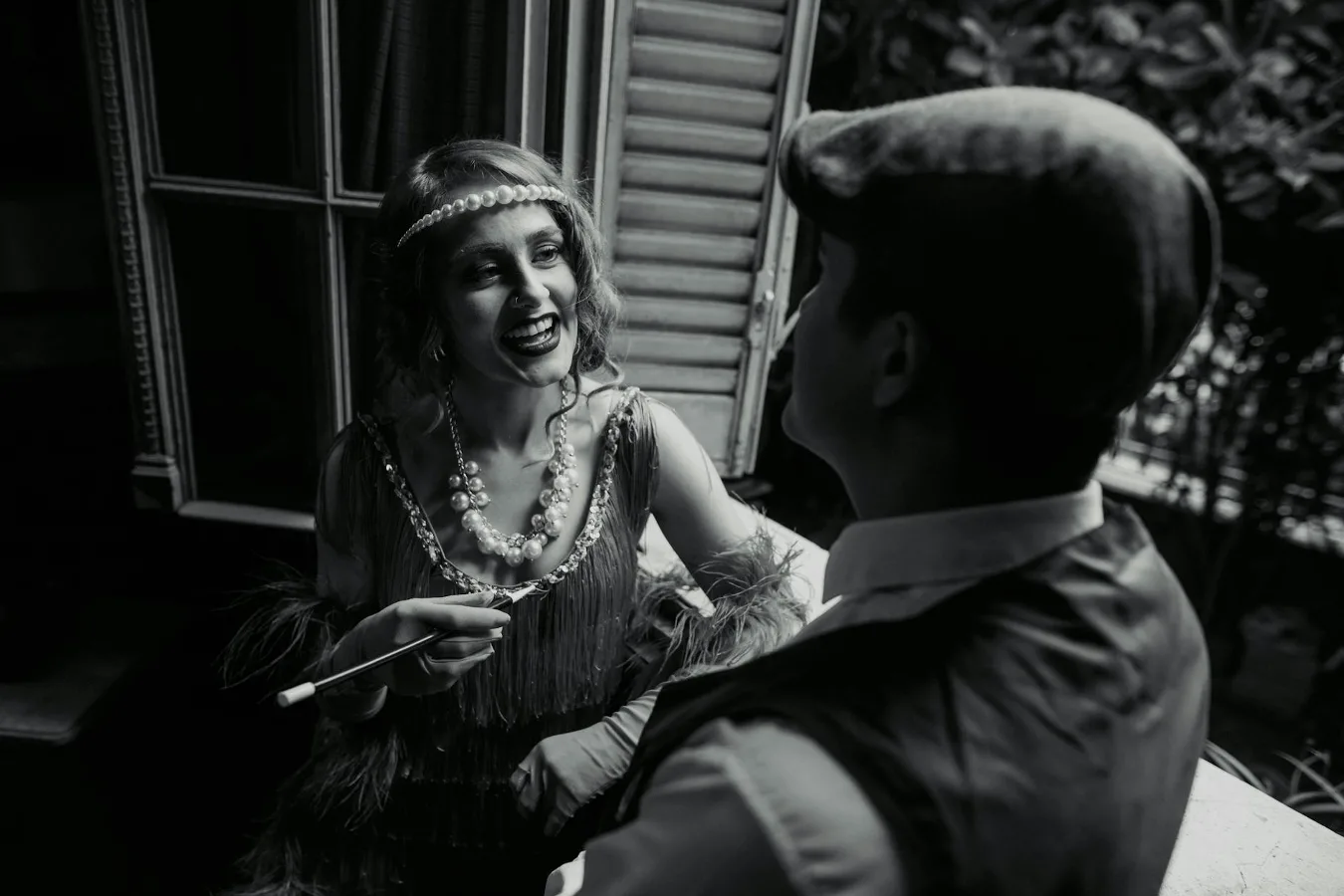
What 1920s jewelry fashion really looked like
1920s jewelry fashion was defined by a noticeable shift away from the ornate, heavily structured jewelry of earlier decades. The decade favored cleaner lines, geometric forms, long silhouettes, and pieces that worked with the relaxed shape of new fashions such as drop-waist dresses and sleeveless evening wear. Art Deco had a major influence, but so did changing social habits, dance culture, and the growing popularity of lighter, more wearable costume jewelry. the difference between costume and fine jewelry offers more detail on this point. jewelry fashionista offers more detail on this point.
If you are trying to understand the style quickly, think of three main ideas: geometry, length, and contrast. Jewelry often featured stepped motifs, fans, chevrons, sunbursts, and symmetrical layouts. Necklaces tended to sit lower or hang longer. Earrings and bracelets were often designed to be noticed from a distance, especially in evening settings.
That does not mean every 1920s piece looked dramatic. Some of the most characteristic items were actually restrained in shape, using pearls, marcasite, crystal, glass, onyx, and metalwork to create elegance rather than excess. The appeal of the decade still resonates because the pieces feel polished without looking fussy.
Why the style mattered in the decade
The jewelry of the 1920s was closely tied to fashion changes. Clothing became looser and less corseted, necklines changed, and hems rose. As a result, jewelry needed to sit differently on the body and read well against simpler garments. Decorative detail moved from the dress itself to accessories that framed the face, neckline, wrists, and hair.
Another reason the style stands out is that it sits at the intersection of luxury and accessibility. Fine jewelry certainly existed, but costume jewelry gained real momentum because it allowed more people to participate in fashion trends. That practical shift is one reason 1920s jewelry fashion is still so important to the broader history of fashion jewelry.
A common misconception is that 1920s jewelry was only about long pearl necklaces and flapper looks. Pearls were important, yes, but the decade also embraced geometric pendants, clip earrings, brooches, cigarette cases, wrist watches, jade accents, and bold cocktail-style pieces. The look was broader than one image often seen in costume parties.
Step-by-step: how to recognize the look
Start with shape
The clearest marker is the silhouette. Pieces often use straight lines, stacked forms, repeated angles, and balanced symmetry. Oval and floral Victorian curves were still present in some jewelry, but they were no longer the dominant visual language.
Then check the length and placement
Long necklaces, sautoirs, and pendant chains helped elongate the body and worked especially well with the lowered waistlines of the period. Earrings were often shorter than today’s chandelier styles, but they could still be bold in design. Bracelets were worn in stacks or as single eye-catching pieces.
Look at surface detail
1920s jewelry often relied on contrast rather than heavy ornament. Smooth metal paired with dark stones, cut steel, marcasite, enamel, mother-of-pearl, crystal, and glass created visual tension. Even highly decorative pieces usually felt controlled and deliberate.
Consider the outfit it was meant to support
Pieces were typically designed to complement evening dresses, tuxedo-inspired looks, tailoring, and simpler daywear. Jewelry was not just decoration; it was a styling tool that gave shape and focus to the overall outfit. That practical role matters if you want to recreate the feel today.
Key pieces associated with 1920s jewelry fashion
Long pearl necklaces
Long pearl strands are one of the most recognizable accessories from the decade. They could be worn loose, knotted, layered, or wrapped to suit the outfit. Their strength is versatility: they work with minimalist dresses, vintage-inspired eveningwear, and modern tailoring. The limitation is that they can feel predictable if the rest of the outfit does not have any period-inspired detail.
Art Deco pendants
Geometric pendants became a major part of the look. These pieces often had crisp edges, symmetrical settings, and a polished finish. They are a strong choice if you want the style to feel authentic without going full costume, because they translate well into modern wardrobes.
Clip earrings and drop earrings
In the 1920s, earrings were often designed to frame the face rather than overpower it. Clip-on styles were especially common because pierced ears were less universal than they are now. Today, the main styling question is proportion: a delicate drop can look elegant with a beaded dress, while a larger geometric clip can carry a simple blouse or evening gown.
Bracelets and bangles
Bracelets were often worn to add sparkle at the wrist, especially in evening settings where movement mattered. Slim bangles, engraved cuffs, and embellished bracelets all fit the aesthetic. The trade-off is comfort: stacking too many pieces can create noise or feel cumbersome, so balance matters more than quantity.
Brooches and dress clips
Brooches and dress clips are sometimes overlooked, yet they were highly useful in the 1920s. They could secure scarves, highlight lapels, or add interest near the shoulder or neckline. For modern wearers, they are one of the easiest ways to reference the decade without needing a full vintage costume.
Materials and finishes worth knowing
The material choices of the decade shaped both the look and the price range of pieces. If you are shopping for vintage-inspired jewelry now, understanding these materials helps you judge whether a piece feels period-appropriate or only vaguely old-fashioned.
- Pearls: A core element of the style, especially in long strands and layered looks.
- Marcasite: Often used for dark, faceted sparkle with a refined, understated feel.
- Crystal and glass: Useful for creating shine without the weight or price of fine gems.
- Onyx and black enamel: Common in contrast-heavy Art Deco designs.
- Metalwork: White metals and silver-tone finishes fit the streamlined mood well.
- Jade and carved stones: Seen in some decorative pieces, especially in more stylized designs.
One practical nuance: many modern pieces marketed as “1920s style” rely on visual cues more than true period materials. That is not necessarily a problem if you want the look, but it does affect durability and finish. Plated pieces may look convincing at first glance, while vintage originals can show age, wear, or repair history that changes their value and maintenance needs.
How to choose pieces that feel authentic today
If you are buying for style rather than collecting, focus on how the piece works with real clothing. The best 1920s-inspired jewelry usually does not try to do everything at once. It picks one or two period cues and leaves room for the outfit to breathe. how to style vintage-inspired jewelry offers more detail on this point.
Choose one strong focal point
A single geometric necklace, a pair of elegant drop earrings, or a bracelet stack can signal the era without overwhelming the look. This is especially useful for everyday wear, where full vintage styling may feel too formal.
Match the jewelry to the neckline
Low or open necklines usually suit long strands, pendants, or layered pearls. Higher necklines often work better with earrings, brooches, or compact necklaces. This pairing matters because the decade’s jewelry was designed to interact with the cut of the garment.
Pay attention to finish
High shine is not the only option. Many 1920s pieces used soft metallic surfaces, muted sparkle, or dark-and-light contrast. A piece that is too glossy or overly ornate can drift into a later style, losing the crispness associated with the era.
Think about weight and comfort
The style is often associated with evening glamour, but modern wearability still matters. Heavy earrings, stiff bracelets, or overly long necklaces can be beautiful yet impractical. If the piece will only sit in a drawer, the design is less useful than it seems.
Styling examples that work without looking costume-like
The easiest way to wear 1920s jewelry fashion today is to use it as an accent rather than a costume reference. That approach preserves the character of the decade while fitting modern wardrobes.
- With a black slip dress: Add a long pearl strand or a geometric pendant for a clean vintage line.
- With a tailored blazer: Try a brooch at the lapel or a bold pair of drop earrings.
- With a simple knit top: Use a single Art Deco necklace to make the outfit feel finished.
- With eveningwear: Pair earrings and a bracelet, but keep the necklace restrained if the dress already has beading or embellishment.
- With a satin blouse: A dress clip or compact pendant can bring in the period feel without competing with the fabric.
The main styling mistake is overloading every surface. If the necklace is dramatic, keep the earrings modest. If the earrings are the statement, let the neckline stay visually clean. The 1920s aesthetic often reads best through discipline, not accumulation.
Common mistakes to avoid
Many people trying to recreate the look make the same few errors. Avoiding them usually makes the style feel more convincing immediately.
- Mixing too many eras: Pairing 1920s jewelry with clearly Victorian or 1980s accessories can blur the look.
- Overusing feathers and fringe: Those details can suggest a costume party more than the actual jewelry style.
- Choosing oversized sparkle without structure: The decade favored shape as much as shine.
- Ignoring the neckline: Even a beautiful pendant can look misplaced if it sits awkwardly on the garment.
- Buying only for novelty: Pieces with no versatility tend to stay unworn.
Another overlooked consideration is proportion. The best jewelry from the period often balanced the body’s vertical line. That is one reason long necklaces and slender drops remain so effective. They do more than decorate; they shape the look.
Simple checklist before you buy
If you are shopping online or in a vintage store, this quick checklist can help you judge whether a piece fits 1920s jewelry fashion and whether it will be wearable in your wardrobe.
- Does the shape use geometry, symmetry, or elongated lines?
- Will it work with at least two outfits you already own?
- Does the finish suit the mood you want: refined, dramatic, or understated?
- Is the piece comfortable enough for the time you plan to wear it?
- If it is vintage, does the condition match your expectations for age and care?
- If it is modern, does it reference the decade without looking like a generic “retro” accessory?
This is also where budget and longevity should be weighed together. A lower-cost piece can be the better purchase if you want a style experiment. A better-made piece may be worth more if you want regular wear and easier maintenance. The right answer depends less on price than on use case.
Where this style fits best
1920s jewelry fashion fits especially well in three situations: evening dressing, vintage-inspired outfits, and wardrobe styling that needs a deliberate focal point. It can also work in modern minimalist wardrobes because the clean lines add interest without clutter.
It is less effective if the rest of the outfit is already highly ornate. In that case, the jewelry can compete with sequins, heavy embroidery, or elaborate necklines. A quieter piece is often the better choice.
For shoppers who want the look without committing to historical accuracy, vintage-inspired fashion jewelry is usually the most flexible path. For collectors, antique and period pieces offer more authenticity but require more care, more scrutiny, and a better understanding of condition. Both approaches are valid; they just serve different goals.
The enduring appeal of 1920s jewelry fashion comes from that balance of elegance and structure. It is decorative, but never random. If you keep the focus on shape, proportion, and how the piece interacts with clothing, the style remains surprisingly modern.