

What buyers usually mean by “affordable”
If you’re searching for affordable men’s fashion jewelry wholesale suppliers, you’re usually looking for a source that balances low unit cost, dependable quality, and resale-friendly styles. Cheap on paper is not the same thing as affordable in practice. A supplier only becomes truly affordable when the pieces are priced well enough to leave room for margin, but still look consistent enough to sell without constant returns or complaints. how to compare jewelry suppliers offers more detail on this point. wholesale sourcing for fashion accessories offers more detail on this point.
For U.S. retailers, boutiques, online sellers, and gift shops, the right supplier depends on what you plan to carry. Men’s fashion jewelry can include chains, bracelets, rings, pendants, cuffs, anklets, and layered sets. Each category has different expectations around finish, sizing, durability, and packaging. A good wholesale partner should fit your sales channel, not just your budget.
The quickest way to narrow the field is to focus on four questions: What materials are being used? How consistent is the finish? What are the order terms? Will the style mix match your customers? Those four answers usually matter more than a low headline price.
The best supplier fit depends on your buyer scenario
Different sellers need different kinds of wholesale partners. A streetwear boutique does not need the same assortment logic as a corporate gift reseller or an online fashion store. Before comparing suppliers, decide which of these scenarios is closest to yours.
Small boutique or pop-up shop
If you need a tighter assortment and want to test demand, look for suppliers with lower minimum order quantities, clear product photos, and enough style range to build a display without overbuying. For this scenario, variety often matters more than deep inventory in any one style.
Online store or marketplace seller
If you sell online, consistency becomes more important. Product photography, accurate descriptions, and repeatable quality can affect reviews and return rates. Suppliers that provide stable restocks and predictable finishes are usually more useful than those that only offer one-time closeouts.
Gift shop or convenience retail
For impulse-driven retail, packaging, shelf appeal, and easy-to-understand style names matter. You may not need the widest range of designs, but you do need pieces that look presentable at a glance and fit a broad customer base.
Private label or branded merchandise
If you want to add your own brand, check whether the supplier supports custom packaging, logo tags, or private label options. This path can improve long-term brand value, but it often comes with more setup, stricter minimums, and less flexibility on design changes.
Trade-offs that separate a good deal from a bad one
The biggest mistake buyers make is treating price as the main filter. In men’s fashion jewelry wholesale, lower cost can come with trade-offs that affect sell-through. Some of those trade-offs are manageable; others are expensive once products reach customers.
- Lower price vs. finish quality: A lower-cost piece may look fine in photos but show plating wear, rough edges, or weak clasps sooner than expected.
- Trend-driven styles vs. repeat orders: Fashion-forward pieces can move quickly, but they may not be reorder-friendly if you’re building a stable assortment.
- Wide catalog vs. reliable depth: A huge catalog is useful, but it does not always mean every item is stocked consistently.
- Low minimums vs. supplier stability: Low entry orders are helpful for testing, though they can sometimes signal limited scale or less predictable replenishment.
- Bulk discounts vs. cash flow: Larger orders may improve unit economics, but they can tie up inventory capital if a style underperforms.
A practical buying rule: do not let a low wholesale price override the basics of wearability and presentation. Men’s jewelry sells best when it feels intentional, not disposable. men’s jewelry wholesale basics offers more detail on this point.
Material and spec factors that matter most
For wholesale men’s fashion jewelry, the material story is often the deciding factor. Buyers do not always need precious metals, but they do need materials that align with the intended price point, look, and customer expectations. The material should match the selling channel and the level of wear the item is likely to see.
Common material categories
- Stainless steel: Often chosen for a clean look and practical wearability. It is a common choice for men’s fashion jewelry because it tends to feel modern and durable for everyday use.
- Plated base metals: Usually lower cost and widely used for trend pieces. These can be useful for fast-moving styles, but finish longevity can vary.
- Alloy-based fashion pieces: Typically used in more budget-oriented assortments. These can work for short trend cycles, though buyers should watch for finish consistency.
- Leather, cord, and mixed-material pieces: These can help diversify an assortment and appeal to casual or rugged style preferences.
Specs worth checking before you order
- Chain length and width: Men’s jewelry buyers often care about proportion. One chain style may work for layering, while another may read too delicate or too bulky.
- Clasp type: A weak clasp can turn a low-cost item into a poor-value item. Simple closure reliability matters more than decorative detail.
- Ring sizing range: Rings are hard to sell well if sizing is inconsistent or not clearly listed.
- Finish consistency: Matte, polished, brushed, or dark-toned finishes should look intentional across the batch.
- Skin-contact considerations: If your customers are sensitive to certain metals, ask suppliers what the pieces are made from and how the finish is applied.
An overlooked consideration is weight. Men’s jewelry can feel underwhelming if it is too light for the style, but too much weight can make a piece uncomfortable or impractical. Good wholesale buyers look for a balance between visual substance and real-world wear.
How to judge supplier reliability without overcomplicating it
Not every wholesale supplier needs to be a giant distributor. What matters is whether they can support your business model. A smaller supplier may be a good fit if the assortment is curated and the service is responsive. A larger supplier may be better if you need wider selection and more predictable replenishment.
Before placing a meaningful order, compare suppliers on these practical points:
- Catalog clarity: Are materials, dimensions, and style details easy to understand?
- Image quality: Are the product photos useful enough to support your own listings or merchandising?
- Order terms: Are minimums, restock rules, and return policies clear?
- Communication: Do you get straightforward answers about stock, lead times, and variations?
- Consistency: Can the supplier maintain the same style or finish if you reorder?
One practical nuance: a supplier that is great for first orders is not always ideal for long-term replenishment. Buyers often find that the real value of a wholesale partner appears after the second and third order, when restocks, substitutions, and quality consistency become more visible.
Assortment strategy for men’s fashion jewelry
Affordable sourcing works best when the assortment is planned around how men actually buy jewelry. Most customers are not shopping for a dozen categories at once. They often want one of a few clear style directions: minimalist, rugged, streetwear, classic, or statement-led. Your supplier should support that mix.
Useful assortment anchors
- Chains: A core category because they work for layering and broad style appeal.
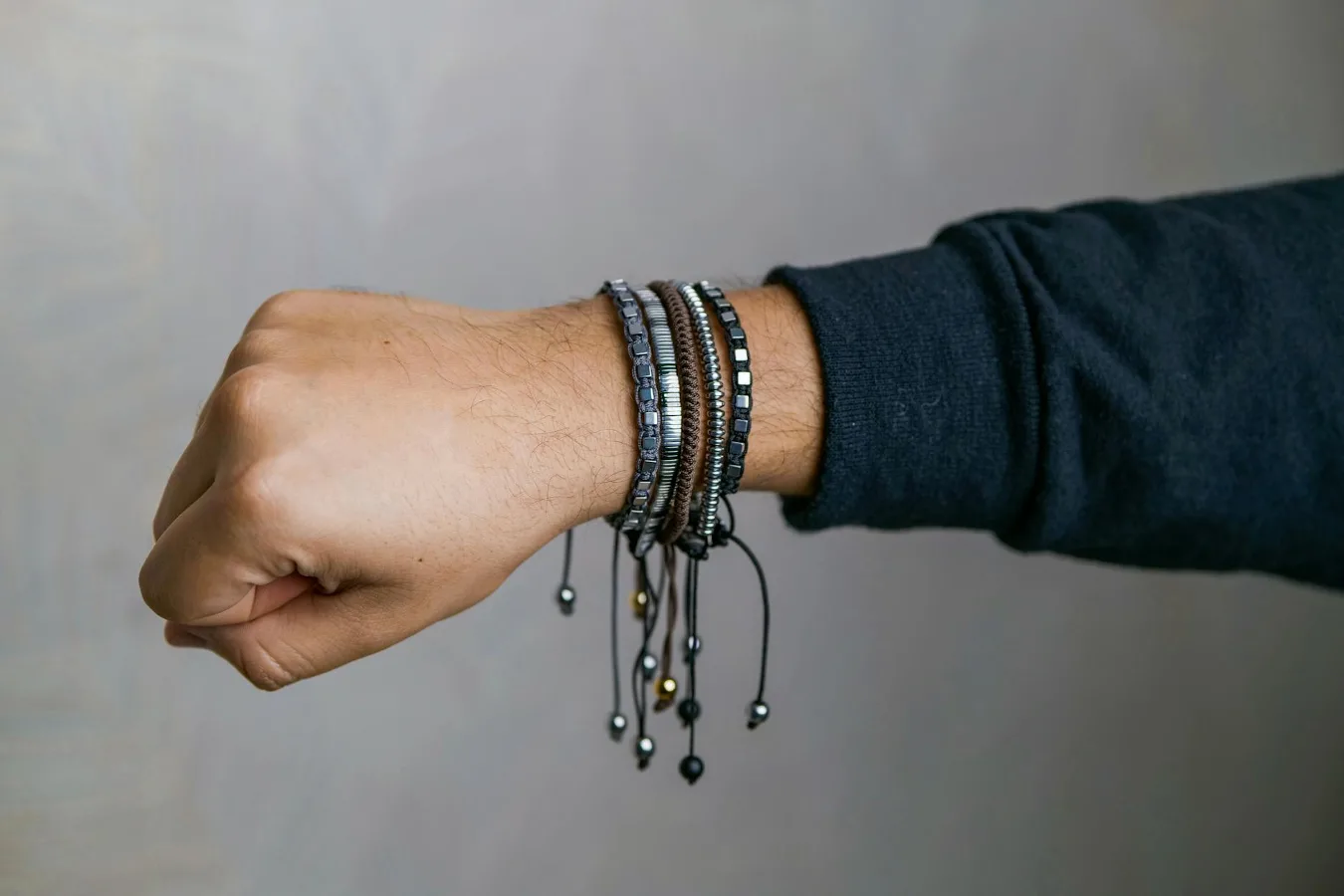
- Bracelets: Often easier to cross-sell with watches, apparel, or gift items.
- Rings: Good for style-forward customers, but sizing needs more care.
- Pendants and necklaces: Useful for customers who want a more personalized or symbolic look.
- Mixed-material pieces: Helpful for seasonal or casual merchandising.
If your budget is limited, a tighter assortment usually performs better than a scattered one. A small, coherent display often sells more effectively than a crowded catalog of unrelated styles. This is especially true in men’s fashion jewelry, where buyers often prefer pieces that feel consistent with their personal style.
Common mistakes buyers make with affordable wholesale suppliers
Affordable sourcing problems usually come from rushing the selection process. These are the missteps that cause the most frustration later.
- Chasing the lowest possible unit cost: If the item looks cheap, breaks easily, or photographs poorly, the savings can disappear fast.
- Ignoring dimensions: A chain that looks right in a thumbnail may feel too small or too large in person.
- Buying too many styles at once: Broad sampling can be useful, but overextending inventory is risky if you have not validated demand.
- Overlooking finish wear: Some pieces look strong at arrival but are less suitable for repeat handling or everyday wear.
- Not checking reorder consistency: A supplier can be workable for a trial order and disappointing for replenishment.
Another common misconception is that “fashion jewelry” automatically means disposable quality. That is not always true. Many buyers look for budget-conscious pieces that still feel polished enough for retail. The goal is not luxury; it is credible value.
Practical next steps before you place an order
Once you’ve narrowed your supplier list, move through the buying process in a way that reduces avoidable risk. A measured approach usually saves more money than an aggressive first order.
- Start with the intended customer. Decide whether you are buying for casual everyday wear, streetwear styling, gift purchase behavior, or trend-led fashion.
- Shortlist suppliers by assortment fit. Look for styles that match your brand positioning instead of trying to carry everything.
- Review product details carefully. Check material descriptions, sizing information, and any notes about finish or care.
- Request samples if available. Samples help you evaluate proportion, texture, clasp function, and overall presentation.
- Test a small order first. This gives you a read on sell-through, customer feedback, and any quality issues.
- Plan for replenishment. Choose suppliers that can support reorders if a style performs well.
If you’re building a long-term men’s jewelry category, think beyond the first cart checkout. The best supplier is not only affordable today; it is also workable when you need to reorder, adjust assortments, or expand into related pieces. That is where practical value usually shows up.
What a smart buyer should look for next
For affordable men’s fashion jewelry wholesale suppliers, the ideal partner is one that fits your sales model, not just your budget. The strongest buying decisions usually come from balancing price, presentation, material choice, and reorder practicality. If a supplier checks those boxes, it is far more likely to support a healthy, sellable assortment.
Before committing, compare a few suppliers side by side and pay attention to the details that affect resale: finish quality, sizing clarity, order minimums, category depth, and whether the styles make sense for your audience. Affordable sourcing is less about finding the lowest price and more about finding the best trade-off for the way you sell.