

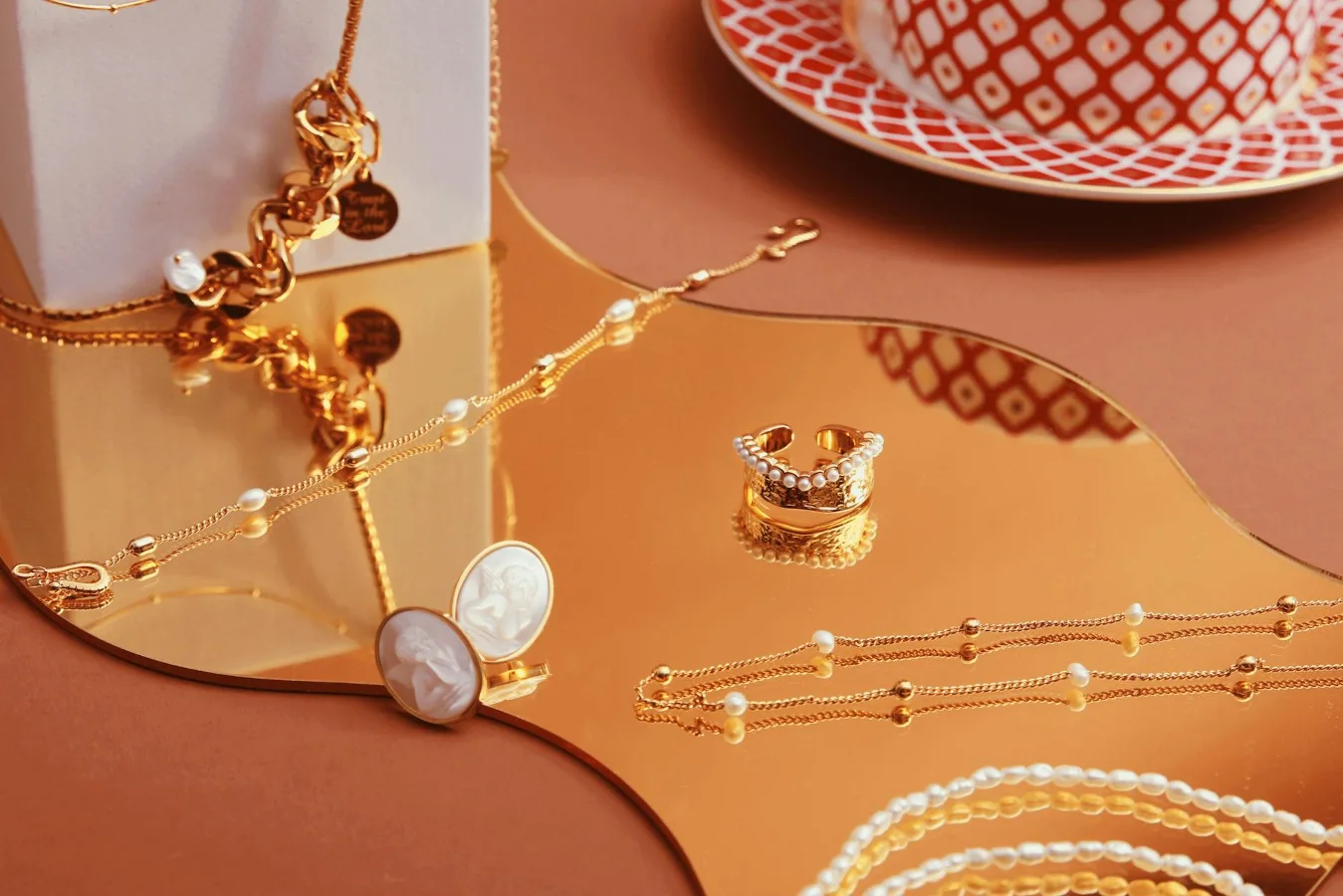
If you are searching for wholesale fashion jewelry suppliers in Canada, the main question is usually not whether suppliers exist, but which type of supplier fits your business model, product standards, and order volume. For U.S. buyers, Canada can be a practical sourcing option for fashion jewelry because it may offer closer shipping routes than overseas vendors, a broader mix of contemporary styles, and fewer logistics headaches than some far-flung supply chains. The right choice still depends on your customer base, your budget, and how much risk you are willing to carry in inventory. jewelry sourcing basics for boutiques offers more detail on this point. trendy 2025 fashion jewelry wholesale offers more detail on this point.
The most useful approach is to compare suppliers by more than price. Look at product range, minimum order quantities, material details, shipping terms, return policies, and how consistently a supplier updates its assortment. If you sell in a boutique, through e-commerce, or at pop-ups, those factors matter more than a simple wholesale headline. A supplier that looks inexpensive at first can become costly if the styles are too trend-specific, the plating wears quickly, or the ordering process creates delays.
Quick answer: what to look for first
Start with the basics: does the supplier offer the style mix your customers actually buy, and can you order at a level that matches your cash flow? That means checking whether the catalog includes everyday necklaces, earrings, bracelets, rings, layered pieces, statement items, or seasonal accessories. For fashion jewelry, the assortment often matters as much as the unit price because trend alignment drives sell-through.
For U.S. businesses sourcing from Canada, shipping reliability and total landed cost deserve early attention. A supplier can be attractive on paper, but once you account for freight, customs handling, exchange-rate movement, and possible restocking limitations, the margin picture may change. If you need a broad assortment with low risk, a Canadian wholesaler with clear policies and dependable replenishment may be a better fit than one with a wide but inconsistent catalog.
How Canadian wholesale suppliers can differ from other sourcing options
Canadian wholesale fashion jewelry suppliers often sit in a middle ground between local buying and overseas importing. That can be useful for U.S. retailers who want more control than a long-distance factory relationship typically provides, but less complexity than sourcing directly from multiple international manufacturers.
One common advantage is operational simplicity. Depending on the supplier, communication may be easier, lead times can be more predictable, and shipping may feel more manageable than a far-off import route. That does not mean every Canadian supplier is automatically better. It means the sourcing model can be easier to work with if you value speed, flexible replenishment, and a curated selection rather than deep factory customization.
Another practical difference is assortment style. Many wholesale jewelry vendors in Canada focus on current trends, boutique-ready pieces, or giftable accessories. That can be ideal for shops that refresh inventory often. It can be less ideal if your business needs highly specialized designs, strict material specs, or a large number of identical SKUs for uniform merchandising.
Comparison: the factors that matter most
When comparing suppliers, focus on the dimensions that affect sell-through and operational friction. Fashion jewelry is especially sensitive to presentation, finish quality, and trend timing, so a supplier that excels in one area may still be weak in another.
| Comparison factor | Why it matters | What to ask |
|---|---|---|
| Product range | Determines whether the supplier fits your customer profile | Does the catalog cover basics, statement pieces, and seasonal styles? |
| Minimum order quantity | Affects cash flow and inventory risk | Can you test styles without overcommitting? |
| Material and finish details | Influences perceived quality and customer satisfaction | What base metals, coatings, or stones are used? |
| Shipping reliability | Impacts replenishment and launch timing | How are orders packed, tracked, and dispatched? |
| Return and defect policy | Defines your downside if items arrive damaged or inconsistent | What happens if pieces are flawed or missing? |
| Assortment updates | Useful for trend-led retail | How often does the supplier add new styles? |
| Cross-border logistics | Can change total cost and delivery expectations | Who handles duties, taxes, and paperwork? |
For fashion jewelry, material transparency deserves special attention. Buyers often want style-forward designs, but they also need a reasonable expectation of how pieces will wear, especially if items include plating, alloy bases, faux stones, resin, glass, or mixed materials. The goal is not perfection; the goal is to avoid unpleasant surprises and choose products that match your price point and customer expectations. how to choose a fashion jewelry wholesaler offers more detail on this point.
What U.S. buyers should evaluate before ordering
1. Assortment fit
Some suppliers lean into minimalist chains and everyday earrings, while others specialize in bold fashion statements, occasion pieces, or giftable sets. Match the supplier to your audience. A suburban boutique with a polished, neutral customer base will likely need a different assortment than a shop serving trend-driven shoppers looking for brighter, more expressive accessories.
2. Product information quality
Strong supplier listings usually describe dimensions, materials, closures, and care notes clearly. That matters because fashion jewelry is often sold by visual appeal, but returns are influenced by expectations around size, weight, and finish. If the listing copy is vague, you may have to do more back-and-forth before you can confidently buy.
3. Ordering structure
Minimums can shape your entire buying strategy. A higher minimum may be acceptable if the assortment is stable and easy to sell, but it can be risky when you are testing a new supplier or a trend with uncertain demand. Lower minimums are useful for variety, though sometimes they come with a higher per-piece cost.
4. Packaging and presentation
For jewelry, packaging is not only a branding detail. It can affect perceived value, damage rates, and how quickly a piece is ready for resale. Some suppliers provide simple bulk packaging, while others offer retail-ready presentation. If you sell online or gift-focused items, ask how products arrive and whether the packaging supports your brand standards.
5. Replenishment rhythm
Fashion jewelry trends can move quickly. A supplier that can restock consistent winners is often more useful than one that only offers one-off styles. If an item sells well, the ability to reorder the same look matters more than a large but unstable catalog.
Mistakes to avoid when sourcing wholesale jewelry from Canada
Buying only by image
Glossy photos can hide the practical differences between a good retail item and a fragile one. Ask for complete product details rather than assuming the image tells the whole story. In jewelry, clasp type, finish, weight, and size can make or break customer satisfaction.
Ignoring landed cost
A piece that looks inexpensive in a catalog may not be inexpensive once shipping, handling, currency conversion, and any import-related charges are considered. This is one of the easiest ways to misjudge margin, especially for small orders. Always compare the full cost of getting items onto your shelf or into your fulfillment workflow.
Overcommitting to a trend
Trend-driven jewelry can be profitable, but it also has a shorter shelf life. Ordering too deeply in a highly seasonal style can leave you with inventory that ages poorly. A more balanced strategy is to test smaller quantities first, then reorder only after you see actual demand.
Assuming all suppliers mean the same thing by “quality”
In fashion jewelry, quality can mean different things depending on the seller. For one supplier, it may mean consistent color and finish. For another, it may mean sturdy construction or better packaging. Clarify what the supplier is emphasizing so you can compare vendors on the same basis.
Forgetting about customer use
Some pieces look beautiful in a catalog but are less practical for everyday wear. Consider comfort, clasp usability, earring weight, and how the item fits with common wardrobes. Buyers often overlook these basics until they see a pattern of returns or low repeat sales.
Practical alternatives if a Canadian supplier is not the best fit
If Canadian wholesale fashion jewelry suppliers are not matching your needs, there are several sensible alternatives. Domestic U.S. wholesalers may be better for faster restocking and simpler returns. Overseas sourcing may make sense if you need very low unit costs, highly specific design control, or larger production runs. Trade shows and curated wholesale marketplaces can also help you compare suppliers without committing too early.
There is also a hybrid approach. Many retailers source core basics from one dependable supplier and use another for trend pieces or seasonal accents. That strategy reduces dependence on a single catalog and gives you more room to test styles. It also helps when one vendor has a stronger earring selection but another is better for necklaces, bracelets, or rings.
For new buyers, a phased approach is often safer than trying to build a full assortment from one source on the first order. Start with a smaller, more focused buy, evaluate packaging and customer response, then expand based on what actually sells.
How to think about supplier selection like a retailer
Retailers often make better decisions when they think in terms of assortment roles rather than individual products. A jewelry line can serve as a traffic driver, a margin builder, or a brand-defining category. A supplier that offers many visually appealing items may be great for traffic, but if the pieces are too similar, you may not get enough assortment depth to support recurring sales.
It helps to ask a few practical questions before placing an order:
- Will this supplier help me fill a real gap in my assortment?
- Can I reorder winners without rebuilding my plan from scratch?
- Do the products fit my customer’s taste, price expectations, and lifestyle?
- Is the supplier structured for steady wholesale buying or one-time opportunistic purchases?
- Can I absorb the ordering minimum without overexposing cash flow?
Those questions often reveal more than a polished catalog ever will. They also make it easier to compare suppliers on business logic instead of impulse.
What this search usually means for different types of buyers
Boutique owners usually want a balanced mix of style, reliable margin, and presentation-ready inventory. Canadian suppliers can be attractive if they offer a curated selection and manageable minimums.
Online sellers often care more about shipping consistency, product photos, and repeatable stock. A supplier with dependable fulfillment and clear product data can reduce friction in listing creation and customer service.
Market and pop-up vendors typically need low-risk inventory and eye-catching pieces that move quickly. They may benefit from smaller test orders and frequent replenishment rather than large commitments.
Gift shops and lifestyle stores often need jewelry that feels easy to buy on impulse. For those businesses, packaging, broad appeal, and seasonal flexibility can matter as much as design trends.
Across all of these buyer types, the common thread is selectivity. A supplier is useful only if it supports the way you sell.
Final selection checklist
Before you commit to a wholesale fashion jewelry supplier in Canada, review the basics one more time:
- Does the assortment match your audience and price tier?
- Are materials, finishes, and sizes described clearly?
- Does the minimum order fit your budget and reorder plan?
- Are shipping and cross-border terms understandable?
- Can you reorder bestsellers without major friction?
- Does the supplier’s style direction align with your brand?
If the answer is yes to most of those questions, you are probably looking at a supplier worth testing. If the answer is unclear, keep comparing. In wholesale jewelry, a careful first order usually protects margin better than an enthusiastic one.