

What fashion bracelet jewelry is best for
Fashion bracelet jewelry is the easiest way to add polish, color, or personality without committing to a large style change. If you want one quick answer: the best piece is the one that matches how you actually dress, how often you’ll wear it, and how much upkeep you’re willing to accept. A bracelet that looks great in photos but catches on sleeves, flips around constantly, or needs careful storage after every wear usually stops getting used. materials used in fashion jewelry offers more detail on this point. how to choose a bracelet style offers more detail on this point.
That makes bracelet shopping less about finding the most eye-catching design and more about choosing the right mix of style, comfort, material, and closure. For everyday wear, that may mean a slim chain bracelet or a simple cuff. For occasional outfits, a beaded or statement design may make more sense. The goal is not to buy the “best” bracelet in theory, but the one that fits your wardrobe and routine in practice. bracelet sizing and fit guide offers more detail on this point.
Start with the buyer scenario, not the trend
Fashion bracelet jewelry serves different purposes depending on the wearer. A bracelet bought for workwear has different priorities than one chosen for weekend outfits or gifting. Narrowing the scenario first makes the rest of the decision easier.
- Everyday wear: Prioritize comfort, low snag risk, and simple styling.
- Occasional wear: You can lean more toward statement shapes, texture, or embellishment.
- Layering: Look for slimmer profiles and finishes that combine easily with other pieces.
- Gifts: Adjustable sizing and broadly wearable colors reduce guesswork.
- Sensitive skin: Material details matter more than trend details.
A common mistake is starting with the finish or design before thinking through how the bracelet will actually be worn. A chunky bangle may look elegant on a display card, but it may feel inconvenient if you type all day, drive often, or prefer minimal accessories. Similarly, a dainty chain can be beautiful, but it may not stand up well to frequent wear if you want something you can leave on all day.
Material and finish: the details that change daily wear
In fashion jewelry, material and finish influence appearance, comfort, maintenance, and durability more than many shoppers expect. Since fashion bracelet jewelry often uses non-precious metals, plating, synthetic stones, leather, resin, beads, or mixed materials, the construction details deserve close attention.
Metal tone and plating
Gold-tone, silver-tone, rose-gold-tone, and mixed-metal finishes each create a different effect. The choice is partly aesthetic, but it also affects how easy the bracelet is to pair with the rest of your jewelry. If you already wear one metal tone most of the time, a matching bracelet usually looks more cohesive. Mixed-metal designs offer flexibility, but they can be harder to coordinate if your jewelry collection is highly consistent.
Plated finishes are common in fashion bracelet jewelry. They can look refined, but they usually need more care than solid precious metals. Friction, moisture, lotion, perfume, and rough storage can all affect how long a plated finish stays attractive. That does not make plated pieces a bad choice; it simply means they are often best for lighter use or more intentional rotation.
Beads, stones, resin, and mixed materials
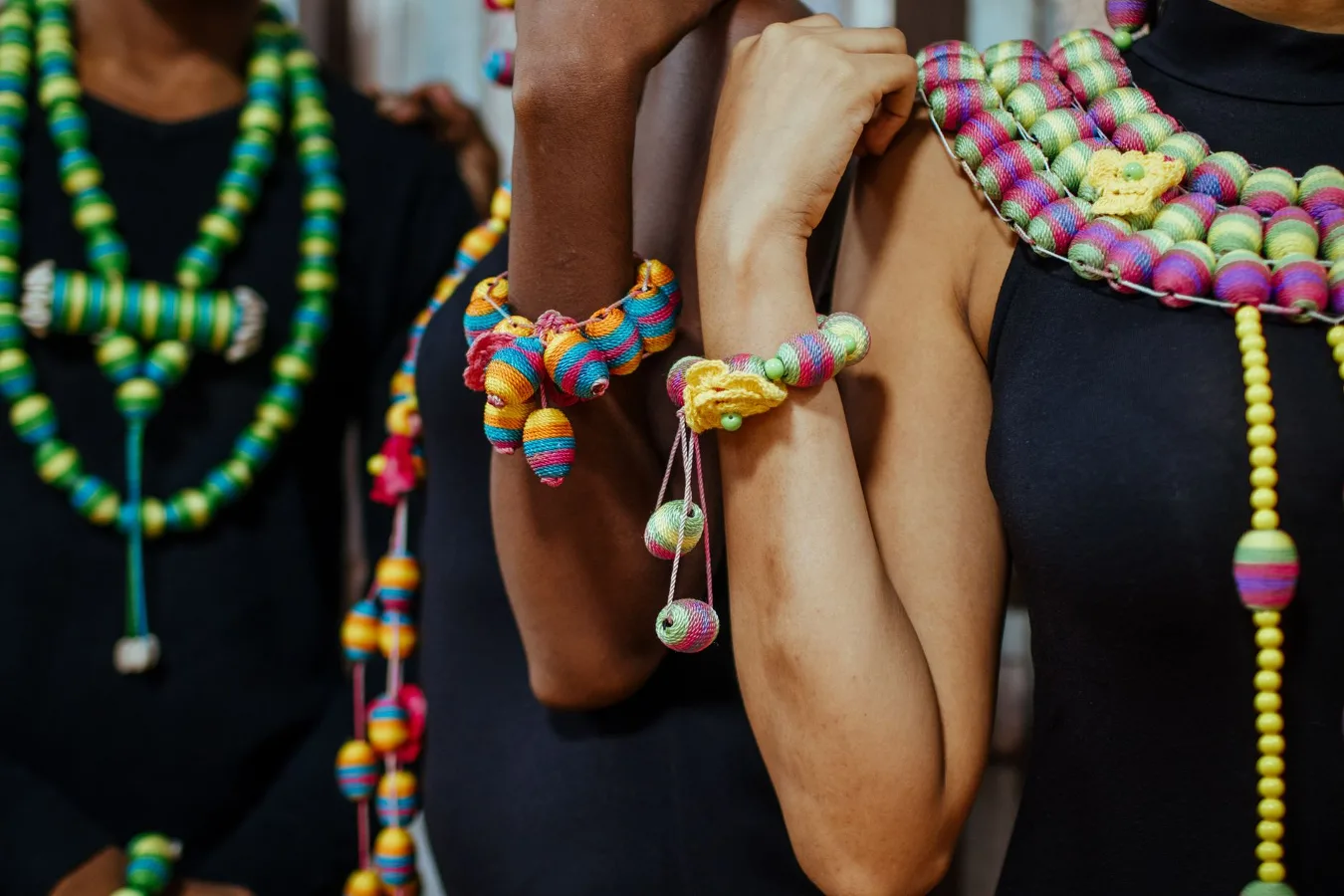
Beaded bracelets and resin styles are useful when you want texture, color, or a more casual feel. They can be easier to style with relaxed outfits and are often less formal than polished metal pieces. On the other hand, they may not transition as cleanly into office or evening looks. If versatility matters, choose a color palette that stays close to neutrals, metallics, or muted tones.
Decorative stones, crystals, or glass accents can create a more finished look, but shoppers should pay attention to how securely elements are set. If a bracelet is likely to be stored in a bag, worn while traveling, or used regularly, delicate embellishments may require more caution.
Hypoallergenic considerations
For buyers with sensitive skin, the relevant question is not whether a bracelet is fashionable, but whether its material and backing components are comfortable for extended wear. Because fashion jewelry can vary widely in metal content and coatings, look for clear material descriptions rather than vague style language. If product details are unclear, that uncertainty itself is a useful signal.
Fit, closure, and comfort are not minor details
Bracelet fit affects wearability more than many shoppers expect. A bracelet that is too loose can rotate constantly or slip off. One that is too tight can feel restrictive and may not sit well alongside a watch or other bracelets. Comfort is also shaped by weight, edge finish, and how the bracelet moves on the wrist.
Common fit types
- Adjustable bracelets: Helpful for gifts and flexible sizing, though the adjuster can add bulk.
- Chain bracelets: Often the easiest to style, especially when layered.
- Bangles: Clean and polished, but size tolerance matters because they usually depend on a fixed opening or diameter.
- Cuffs: Easy to put on and remove, but the opening and width should feel balanced on the wrist.
- Stretch or elastic styles: Convenient, though long-term elasticity and finish quality vary.
One overlooked consideration is how the bracelet behaves during movement. A piece that feels fine while standing may become annoying at a keyboard, during commuting, or while carrying a bag. If you tend to wear bracelets for long stretches, prioritize rounded edges, moderate weight, and a secure but not fussy closure.
Closure types and practicality
Clasp design matters because it determines how easy the bracelet is to put on, remove, and trust during wear. Lobster clasps, spring-ring clasps, toggles, and magnetic closures each create a different user experience. A clasp that is visually invisible may still be frustrating if you cannot fasten it easily on your own. For some shoppers, ease of use is worth more than a seamless look.
How to judge style value without overpaying for trend alone
In fashion bracelet jewelry, “value” is not just about price. A lower-cost bracelet can be a smart purchase if it fills a wardrobe gap and wears comfortably. A more expensive piece can still be a poor value if the design is too specific, the closure is awkward, or the finish is hard to maintain.
Ask a few practical questions before buying:
- Will this work with at least several outfits I already own?
- Can I wear it with a watch or other bracelets, or will it feel crowded?
- Does the design look timeless enough to outlast one season?
- Will the finish and construction tolerate the way I actually dress and move?
- Am I buying a statement piece, or do I need everyday versatility?
This is where many shoppers misread fashion jewelry. A bracelet does not have to be permanent or heirloom-level to be worth buying, but it should still justify its place in your rotation. Pieces that serve a clear role usually deliver better long-term satisfaction than impulsive trend buys that only work with one outfit.
Styling choices that make bracelets look intentional
The best fashion bracelet jewelry usually feels connected to the rest of the outfit rather than pasted on as an afterthought. Styling is less about following fixed rules and more about creating a consistent visual language.
For a cleaner look
Choose one bracelet with a simple silhouette and keep the rest of the jewelry understated. A slim chain, narrow cuff, or polished bangle can add finish without competing with sleeves, rings, or a watch. This approach is especially useful for office wear, interviews, or minimalist wardrobes.
For a layered look
Mix textures, but keep one element controlled. For example, combine a chain bracelet with one beaded or textured piece, rather than adding several high-contrast styles at once. Layering works best when there is some shared feature, such as a repeating metal tone, similar scale, or related color palette.
For a statement look
If the bracelet is meant to stand out, let it be the focal point. Statement fashion bracelet jewelry often looks stronger when paired with simple sleeves and fewer competing accessories. That does not mean the rest of the outfit must be plain, only that the bracelet needs room to read clearly.
A practical nuance many shoppers overlook: bracelets interact with clothing fabric. Chunkier designs can snag knit sleeves, catch on delicate cuffs, or feel crowded under tailored jacket sleeves. If your wardrobe includes a lot of fine knits, soft wovens, or fitted blazers, a smooth low-profile design may be more versatile than a highly textured one.
Limitations to expect with fashion bracelet jewelry
Fashion bracelet jewelry offers more variety than fine jewelry in many cases, but it also comes with trade-offs. Being realistic about those trade-offs helps avoid disappointment.
- Finish wear: Plated or coated surfaces can show wear sooner with frequent contact.
- Moisture sensitivity: Water, sweat, and skincare products may affect appearance over time.
- Color stability: Some mixed materials and dyed elements may not age uniformly.
- Consistency: Budget-friendly pieces can vary more in clasp feel, weight, and polish.
- Repairability: Complex fashion designs are often harder to repair than simpler styles.
These limitations do not make fashion bracelets a poor choice. They simply mean shoppers should match expectations to the category. A bracelet meant for rotation and style variation is evaluated differently than one intended to become a daily signature piece.
Alternatives worth considering if bracelets feel too specific
If you like the idea of accessories but are unsure whether a bracelet is the best fit, a few alternatives may solve the same styling need with fewer compromises.
- Watch + bracelet pairing: Useful if you want a functional anchor with a decorative accent.
- Ring stacking: Better if you prefer details that stay visible in more situations.
- Necklaces or pendants: Often easier to coordinate with business or evening wear.
- Earrings: A strong option if you want impact without wrist movement or fit concerns.
For many shoppers, the right answer is not choosing only one category. A balanced accessory wardrobe often includes one or two bracelets for layering or occasional wear, plus other pieces that cover daily needs more comfortably.
What to check before you buy
Before adding fashion bracelet jewelry to your cart, review the details that affect long-term satisfaction rather than just first impressions.
- Check the materials: Look for clear descriptions of metal tone, plating, beads, stones, or mixed components.
- Confirm the fit style: Adjustable, fixed, cuff, bangle, or chain styles all wear differently.
- Read the closure description: Make sure it seems practical for how you plan to wear it.
- Think about your wardrobe: The bracelet should coordinate with your clothing, not only your other jewelry.
- Consider maintenance: Decide whether you are comfortable with occasional polishing, careful storage, or keeping it away from moisture.
- Look for styling flexibility: Pieces that can move between casual and polished outfits usually offer better use per wear.
If you are shopping for a gift, the safest choice is usually an adjustable or moderately flexible design in a neutral finish. If you are buying for yourself, be more specific. The best bracelet is often the one that solves a real styling gap you already have.
Next steps for choosing the right piece
To shop fashion bracelet jewelry with confidence, narrow your decision to three things: how often you will wear it, what clothes it needs to work with, and how much care you are willing to give it. That simple filter eliminates most impulse buys and makes your final choice much easier.
If you want the most versatile option, start with a slim chain, a simple bangle, or a low-profile cuff in a finish that already matches your wardrobe. If you want more personality, choose a textured, beaded, or statement piece, but make sure it has a clear outfit purpose. And if you want something giftable, prioritize adjustable fit and broadly wearable styling over novelty.
Fashion bracelet jewelry works best when it feels easy to wear, easy to pair, and easy to keep in rotation. That balance usually matters more than chasing the newest shape or the loudest trend.