

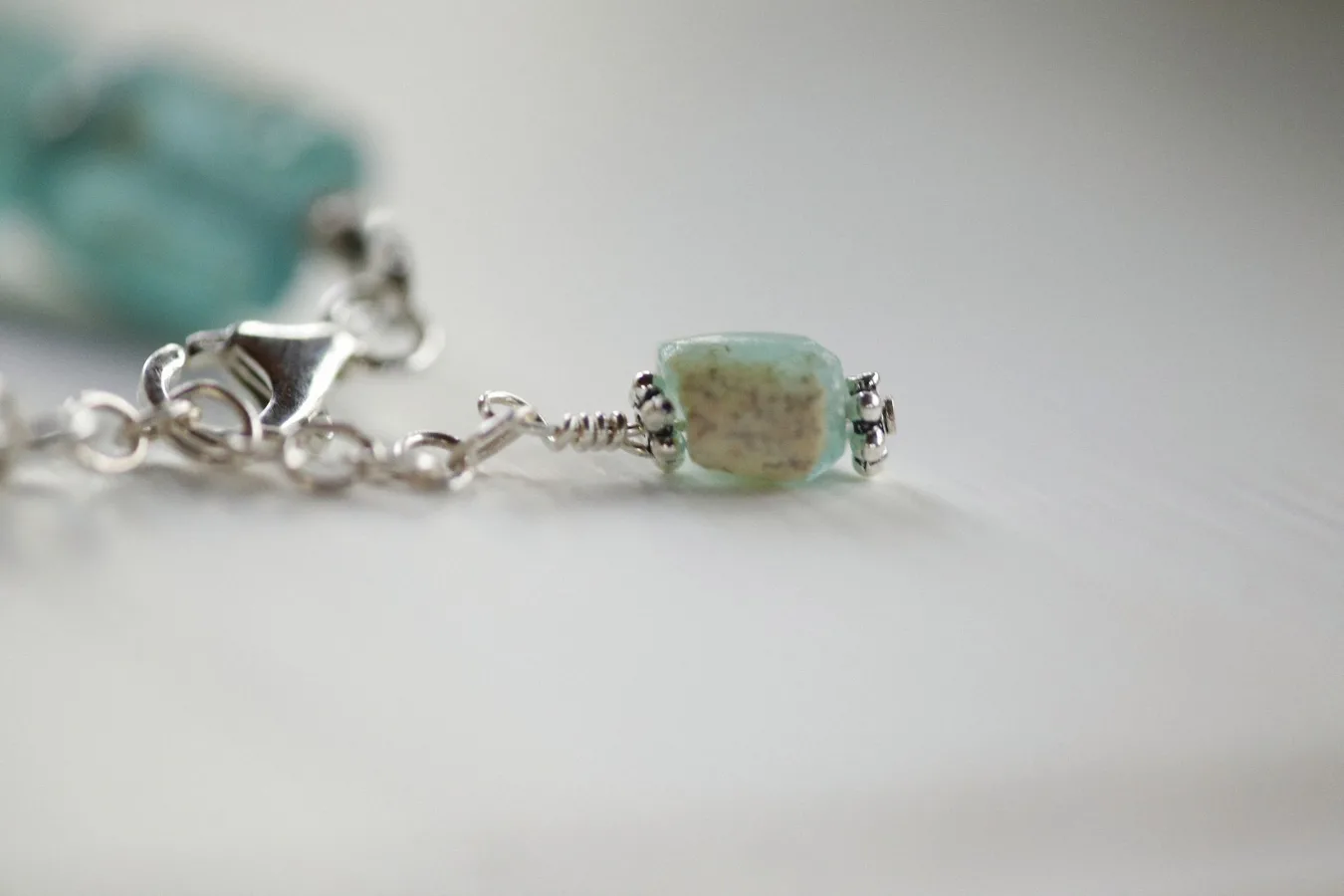
Turquoise fashion jewelry is a practical way to add color and personality without committing to fine jewelry or a high-cost stone purchase. The key is choosing pieces that suit your wardrobe, feel comfortable to wear, and use materials that match how often you plan to wear them. fashion jewelry earrings offers more detail on this point. matching jewelry to your wardrobe offers more detail on this point.
For most shoppers, the appeal is simple: turquoise brings a fresh, recognizable look that works with casual outfits, Western-inspired styling, boho looks, and even cleaner everyday outfits when the design is understated. The challenge is separating attractive pieces from items that may chip, tarnish, or look overly trendy after a few wears.
What turquoise fashion jewelry actually covers
Turquoise fashion jewelry usually refers to accessories that use turquoise-colored stones, stabilized turquoise, composite materials, resin, glass, enamel, or imitation turquoise accents in non-fine-jewelry settings. That means the category is broad. Some pieces are designed to resemble traditional turquoise jewelry, while others use the color as a design accent rather than the main feature.
This matters because the buying decision changes depending on the material. A turquoise-look pendant in plated metal has different care needs than a more substantial necklace with stone inlay, and both are different from earrings made mainly for color and style. If you want a piece for frequent wear, the construction matters as much as the design.
Key factors that affect how a piece wears
Material and finish
The base metal and surface finish often determine whether a piece feels wearable over time. Common fashion-jewelry bases include base metal alloys, brass, stainless steel, and plated finishes. Some hold up better to regular wear than others, especially if you live in a humid climate, layer pieces often, or prefer to avoid frequent polishing.
Turquoise-colored elements may be natural-looking stones, dyed material, resin, or synthetic substitutes. None of these are automatically better for every shopper. The best choice depends on whether you want a more organic, textured appearance or a simpler accessory that can be worn without much concern about fragility.
Color tone and pattern
Turquoise is not one single shade. Some pieces lean bright blue, others are greener, and some include visible veining or matrix patterns. That variation can help you match a piece to your clothing, skin tone, or personal style. Cleaner, more uniform stones or imitations usually feel modern and minimal. Pieces with darker veining often read more rustic or Southwestern.
A common mistake is focusing only on the word “turquoise” and ignoring the actual color on the page. If your closet leans toward black, white, denim, camel, or olive, nearly any turquoise tone can work. If you already wear a lot of warm reds, rusts, or browns, a greener turquoise or mixed-metal setting may feel more balanced than a very bright blue.
Setting style and proportion
The setting shapes the overall impression. Small bezel-set studs feel restrained and versatile, while oversized pendants or cluster earrings create more visual impact. If you want a single accent piece, a larger design may be useful. If you need something for everyday wear, slimmer profiles are often easier to style.
Proportion also affects comfort. A large statement necklace can transform a simple top, but it may not suit every neckline or every day’s plan. Earrings deserve the same attention: the look may be right, but if the drop length pulls on the ear or feels heavy, the piece will stay in the jewelry box.
Skin sensitivity and comfort
For earrings, rings, and bracelets that sit directly on skin, comfort is often overlooked until after purchase. If you are sensitive to certain metals, look for clearer material information, including nickel-free language where available. That label does not guarantee a perfect experience for every wearer, but it is a useful starting point.
Comfort also includes closures and weight. Lobster clasps, toggle clasps, post backs, and hinged designs each have trade-offs. Some are easier to manage daily, while others are better for keeping a statement piece secure. If you tend to put jewelry on quickly before leaving the house, simplicity matters.
How to choose pieces that fit your wardrobe
The easiest way to buy turquoise fashion jewelry well is to start with what you already wear. A piece that looks beautiful in a product photo can still feel out of place in your closet. Turquoise is flexible, but the setting, size, and overall tone determine whether it reads casual, polished, rustic, or bold.
For everyday outfits
Choose smaller or medium-scale designs with clean lines. Stud earrings, delicate pendants, slim cuffs, and understated rings usually work well with jeans, knit tops, button-downs, and simple dresses. These pieces add color without overwhelming the outfit.
For statement styling
If your goal is visual impact, look for a single focal piece instead of stacking too many competing elements. A turquoise statement necklace pairs well with a plain neckline. Large drop earrings can also be enough on their own. The more decorative the piece, the simpler the rest of the outfit should usually be.
For boho and Western-inspired looks
Turquoise naturally suits fringe, leather, suede, denim, embroidery, and earthy neutrals. Mixed textures are especially effective here. Silver-tone details often feel classic in this lane, though gold-tone settings can work if you want a warmer, more modern finish.
For work or dressier settings
Use restraint. A small turquoise accent can look refined with a blazer, blouse, or knit dress. The more polished the setting, the more important it is to avoid oversized shapes, loud color clashes, or overly busy cluster designs. Minimal turquoise jewelry can feel elegant precisely because it does not try to dominate the outfit.
Trade-offs to keep in mind before buying
Turquoise fashion jewelry is attractive partly because it is accessible, but affordability often comes with limitations. Plating can wear over time. Some imitation stones may not have much depth. Decorative settings may feel lighter than fine jewelry. These are not necessarily problems if you know what you are buying, but they matter if you expect a piece to become a frequent favorite.
There is also a style trade-off. Highly trendy turquoise pieces can feel exciting now but less useful later. More restrained designs may not make as strong a statement, yet they often get more wear because they fit a wider range of outfits. For many shoppers, versatility is a better value than novelty.
Another overlooked consideration is how the piece will age with storage and use. If a necklace tangles easily, if a bracelet scratches quickly, or if earrings have delicate attachments, the item may require more attention than it deserves for the amount of wear you will get from it.
Practical ways to make turquoise jewelry easier to wear
Use turquoise as an accent, not always the centerpiece
If you are unsure how a bold piece will fit into your wardrobe, start with a smaller item. Earrings or a pendant can introduce the color without forcing a style commitment. Once you know how often you reach for it, you can decide whether to add a larger necklace or bracelet.
Match the metal to your existing pieces
If most of your jewelry is silver-tone, a turquoise piece with silver-tone trim may feel easiest to integrate. If you wear mostly gold-tone accessories, look for turquoise designs that already include warmer hardware. Mixing metals can work, but matching them reduces friction when getting dressed quickly.
Pay attention to neckline and silhouette
Long pendants pair naturally with V-necks and open collars. Shorter necklaces often work better with crew necks and higher necklines. Bold earrings can balance simple tops, while chunky bracelets may be best with sleeves that do not interfere. These simple choices make turquoise jewelry look intentional rather than added as an afterthought.
Build around one focal point
Turquoise already has a distinct visual identity. If you pair it with too many competing textures, prints, or bright colors, the result can feel crowded. A clean base outfit allows the jewelry to do its job. Denim, black, white, cream, navy, and soft earth tones are especially reliable backdrops.
Common mistakes shoppers make
- Buying only for color. A flattering turquoise shade does not guarantee the piece will be comfortable or durable.
- Ignoring scale. A necklace may look great online but feel too large, too small, or too busy in real outfits.
- Overlooking metal sensitivities. If you react to certain alloys, this should be checked before style details.
- Pairing too many statement items. Turquoise usually looks better when one piece leads and the rest support it.
- Expecting fashion jewelry to behave like fine jewelry. Plated and imitation materials need different care and have different limits.
How to care for turquoise fashion jewelry
Care depends on the materials, but a cautious routine helps most fashion jewelry last longer. Wipe pieces after wear to remove skin oils, perfume residue, and dust. Store them separately when possible to reduce scratching and tangling. Keep them away from moisture, harsh cleaning products, and unnecessary friction. fashion jewelry care basics offers more detail on this point.
If a piece has plated metal, extra care is useful because repeated exposure to water and chemicals can shorten the life of the finish. If the turquoise element is resin, composite, or a softer simulated material, avoid rough storage and abrasive cleaning. If the piece includes glued settings, handle it gently during cleaning and dressing.
A good rule is to think of fashion jewelry as finish-sensitive, not maintenance-free. Small habits often matter more than expensive products.
When turquoise fashion jewelry makes the most sense
This category is a strong fit if you want to experiment with color, build outfits around a relaxed or Western-inspired aesthetic, or add interest to basics without investing in fine jewelry. It is also a sensible choice if you want a seasonal accessory that can refresh a wardrobe without requiring a major style overhaul.
It may be less ideal if you need a piece for daily heavy wear, if you are very sensitive to plating wear, or if you want the long-term character of natural stone and precious metal. In that case, you may prefer to compare fashion pieces with sterling silver turquoise jewelry or other more durable alternatives.
Useful alternatives if turquoise is close, but not quite right
If you like the effect but want something different, consider:
- Blue and green stone-inspired jewelry for a similar color story with a different mood.
- Larimar-style or aqua-toned pieces for a softer coastal feel.
- Enamel jewelry if you want color with a smoother, more graphic finish.
- Mixed-metal minimalist jewelry if you want versatility without a strong statement color.
- Boho-inspired neutral pieces if you want texture more than color.
These alternatives are useful if you are still defining your style or if turquoise feels too specific for your wardrobe. Often, the right accessory is the one you will actually wear with multiple outfits.
Decision guide: what to buy first
If you are starting from scratch, the safest first purchase is usually one of three options: turquoise stud earrings, a small pendant necklace, or a slim bracelet with a simple setting. These pieces are easier to style, less likely to overwhelm an outfit, and more likely to work across seasons.
If your style already leans bold, you can move directly to a statement necklace or oversized earrings. Just make sure the piece fits the clothes you wear most often. A dramatic accessory is only useful if it comes out of the drawer regularly.
If you want the broadest usefulness, prioritize a design with a balanced color tone, comfortable hardware, and a shape that does not depend on one very specific outfit. That combination tends to deliver the best long-term value in fashion jewelry.
Frequently asked questions
Is turquoise fashion jewelry good for everyday wear?
Yes, if the piece is lightweight, comfortable, and made with materials that suit regular use. Smaller designs and simpler settings are usually the most practical for everyday wear.
How do I know if a turquoise piece looks cheap or polished?
Check the finish, setting, and overall proportion. Clean edges, balanced color, and well-integrated metal details usually look more refined than overly crowded designs.
Can I wear turquoise jewelry with gold?
Yes. Turquoise can work with both gold-tone and silver-tone metals. Gold gives it a warmer, more fashion-forward feel, while silver usually leans classic or Southwestern.
What outfits work best with turquoise accessories?
Denim, white, black, cream, navy, and earthy neutrals are easy matches. Turquoise also works well with simple dresses and basics that benefit from a color accent.
How should I store fashion jewelry to help it last longer?
Store pieces separately when possible, keep them dry, and avoid tossing them into a crowded tray where they can scratch or tangle. A soft pouch or divided box is often enough.