

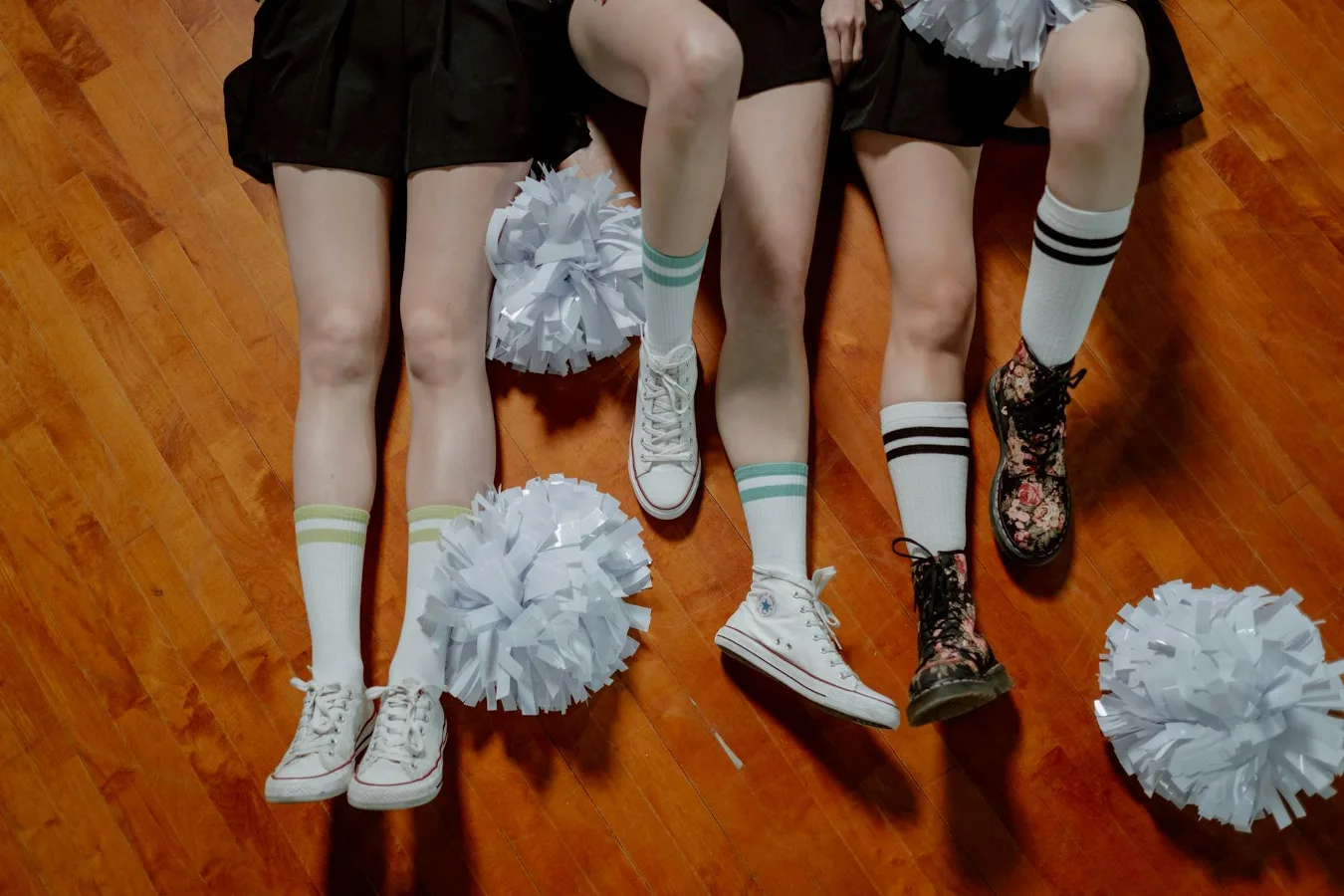
White cheer shoes are usually chosen for a clean team look, but appearance should not be the only factor. The best pair needs to support quick footwork, sharp landings, and repeated movement without feeling bulky or restrictive. spikes for shoes offers more detail on this point.
If you are shopping for cheer shoes, start with fit, support, flexibility, and sole grip. Those four details matter more than color alone, especially if the shoes will be used for practice, sidelines, or competition. White also shows dirt easily, so maintenance is part of the decision too. how to choose athletic shoes for routines offers more detail on this point.
Quick answer: what matters most in white cheer shoes
The best white cheer shoes are lightweight enough for jumps and stunt transitions, stable enough for side-to-side movement, and comfortable enough for long wear. A clean white finish is useful for uniformity, but the functional build should come first.
For most buyers, the main decision comes down to how the shoes will be used. A practice shoe may prioritize durability and comfort. A competition shoe may lean more toward a streamlined look and precise flexibility. A sideline shoe may need extra comfort because it is worn longer and on more varied surfaces.
How white cheer shoes compare across key features
Cheer shoes are not all built the same, even when they look similar. The most useful comparison points are below.
Support versus flexibility
Cheer movements demand both. Too much stiffness can make jumps and toe-pointing feel restricted. Too much softness can leave the foot feeling unstable during sharp direction changes or landings. The best balance depends on the athlete’s needs and the type of routines they perform.
If the cheerleader does a lot of tumbling, stunting, or fast transitions, look for a shoe that keeps the midfoot secure without feeling rigid. If the shoe bends easily at the forefoot but still holds the heel in place, that is usually a useful sign.
Grip versus slide
Cheer shoes should provide enough traction to help with control, but not so much grip that turns and quick resets feel sticky. This is one of the most overlooked considerations for new buyers. On gym floors, too much traction can interfere with movement, while too little can feel unsafe.
Surface matters. Shoes worn mostly on indoor mats or court floors may feel different from shoes used on sideline surfaces. If you know the primary environment, it becomes easier to judge whether the outsole pattern is appropriate.
Weight and feel
Many cheer athletes prefer a light-feeling shoe because it can reduce fatigue during repetitive motion. That said, “lightweight” should not mean flimsy. A shoe that feels overly thin may wear out faster or provide less structure where it is needed most.
The practical question is whether the shoe feels quick on the foot while still giving enough protection for repeated impact.
Fit and lockdown
A secure fit is essential. Heel slip, loose midfoot fit, or toe crowding can affect balance and comfort. Cheer footwear should feel snug without pinching. Because routines involve jumping, landing, and rapid changes in direction, a shoe that fits well matters more than a shoe that simply matches the uniform.
One common misconception is that a cheer shoe should be sized exactly like a casual sneaker. In reality, fit can vary by brand and by shape. Checking width, toe room, and heel hold is more useful than relying on a familiar size alone.
Breathability and all-day comfort
Cheer shoes may be worn for practice, travel, warmups, and performances. Breathability becomes more important if the shoes stay on for long stretches. Materials and upper construction affect heat buildup, moisture, and overall comfort.
If the athlete has sensitive feet or practices for extended periods, a more breathable upper may help. If the shoe is primarily for short performances, that priority may be less important than structure and uniform appearance.
What to look for before buying
Use the following checklist to narrow the options.
- Intended use: practice, competition, sideline, or all-purpose wear.
- Fit profile: snug heel hold, secure midfoot, and enough toe room.
- Support needs: more structure for repetitive landings and lateral motion.
- Flex point: enough bend through the forefoot for natural movement.
- Outsole traction: suitable for indoor floors or the surfaces the team uses most.
- Upper comfort: breathable enough for long sessions without rubbing.
- Uniform match: bright white appearance and team-approved styling.
- Care needs: easy-to-clean materials if the shoes will get dirty quickly.
Common mistakes to avoid
Buying white cheer shoes can be surprisingly tricky because the visual style looks simple. The mistakes usually happen when buyers focus on appearance first and function second. cheer shoes buying guide offers more detail on this point.
Choosing by color alone
White matters for uniformity, but it does not guarantee a good cheer shoe. A shoe can be the right color and still feel too heavy, too stiff, or too loose.
Ignoring the surface
Indoor floors, mats, and sideline surfaces create different traction needs. A shoe that feels fine in one setting may feel awkward in another. Matching the outsole to the main use case helps avoid disappointment.
Prioritizing a sleek look over support
Some buyers are drawn to a slim silhouette, but a shoe that looks streamlined is not automatically better for movement. The right choice should protect the foot during repeated impact and quick transitions.
Overlooking width and toe shape
Not every foot has the same shape. A pair that fits in length can still pinch across the forefoot or feel unstable in the heel. If possible, pay attention to how the shoe accommodates narrow, average, or wider feet.
Skipping break-in time
Even a comfortable cheer shoe may need some adaptation before long wear. Do not wait until a performance day to discover pressure points, tight seams, or a heel that rubs. Testing the shoes in the kind of movement they will actually see is more useful than simply standing in them.
White cheer shoes versus other athletic shoes
It can be tempting to use general athletic sneakers, especially if they are already white. That can work for some practice situations, but cheer shoes are typically chosen because they better match the movement demands of the sport.
Compared with regular running shoes, cheer footwear is often built to feel more stable during lateral motion and less overly cushioned underfoot. Running shoes are designed for forward motion, which is not the same as cheer movement patterns. Compared with fashion sneakers, cheer shoes are usually more performance-focused and less about everyday style.
If the goal is team uniformity, a standard sneaker may also create visual inconsistency. If the goal is performance, a shoe made for cheer tends to make more sense than a general lifestyle shoe.
Materials and maintenance: the part people forget
White shoes look sharp, but they demand more upkeep than darker colors. That is a real-world constraint worth planning for. Dirt, scuffs, and floor marks are easier to see, so the shoe’s finish and cleaning requirements matter more than many buyers expect.
Materials that wipe clean easily can be helpful for athletes who need a polished look on short notice. More textured uppers may hide wear differently, but they can also be harder to keep bright. Consider how often the shoes will need to look presentation-ready.
Care is also part of long-term value. A shoe that is slightly easier to clean may stay usable longer in visual terms, even if the outsole wears normally. For teams, that can make a practical difference during a season.
Who white cheer shoes are best for
White cheer shoes are a strong fit for athletes who need a uniform appearance and a shoe that supports cheer-specific movement. They are especially useful for teams with color requirements or performance settings where a clean white look is part of the outfit.
They may be less ideal for buyers who want a shoe that hides dirt well or for athletes who need a model with very specific orthopedic support. In those cases, function still comes first, and the ideal color or style may be different.
If the shoe will be worn mostly for occasional events, a cleaner-looking pair may be easy to manage. If it will be used for daily practice, durability and easy maintenance deserve more weight in the decision.
Practical alternatives to consider
If white cheer shoes are not the perfect match, a few alternatives may be worth considering depending on the rules and the setting.
- All-white athletic sneakers: may work for some low-intensity practice or general team wear, but are not always ideal for cheer movement.
- Cheer-specific training shoes: useful when the main focus is comfort and support during repeated practice.
- Competition-focused cheer shoes: better when appearance, light feel, and routine-specific movement are the priorities.
- Extra-supportive cross-training shoes: helpful for athletes who need more stability, though they may not have the same cheer-specific feel.
The right alternative depends on whether the main need is performance, team appearance, durability, or comfort.
FAQ
Are white cheer shoes different from regular white sneakers?
Yes. Cheer shoes are usually selected for side-to-side movement, jumps, and a secure fit during routines. Regular sneakers may be white, but they are often designed for different movement patterns.
Should cheer shoes be tight or have room?
They should fit snugly without pinching. A secure heel and midfoot matter, but there should still be enough room in the toe area for comfort and movement.
Can white cheer shoes be used for practice and competition?
Sometimes, yes. Many buyers choose one pair for both, but it depends on team rules, wear level, and how well the shoe balances durability with a clean presentation.
How do you keep white cheer shoes looking clean?
Wipe them after use, address marks early, and store them separately from dirty gear. Choosing easier-to-clean materials can also make maintenance simpler.
What matters most when choosing a pair?
Fit, support, flexibility, and surface compatibility should come before appearance alone. The best-looking shoe is not useful if it does not move well with the athlete.
White cheer shoes work best when they fit the routine as well as the uniform. If you focus on movement, traction, comfort, and care, it becomes much easier to choose a pair that looks right and performs well where it matters.