

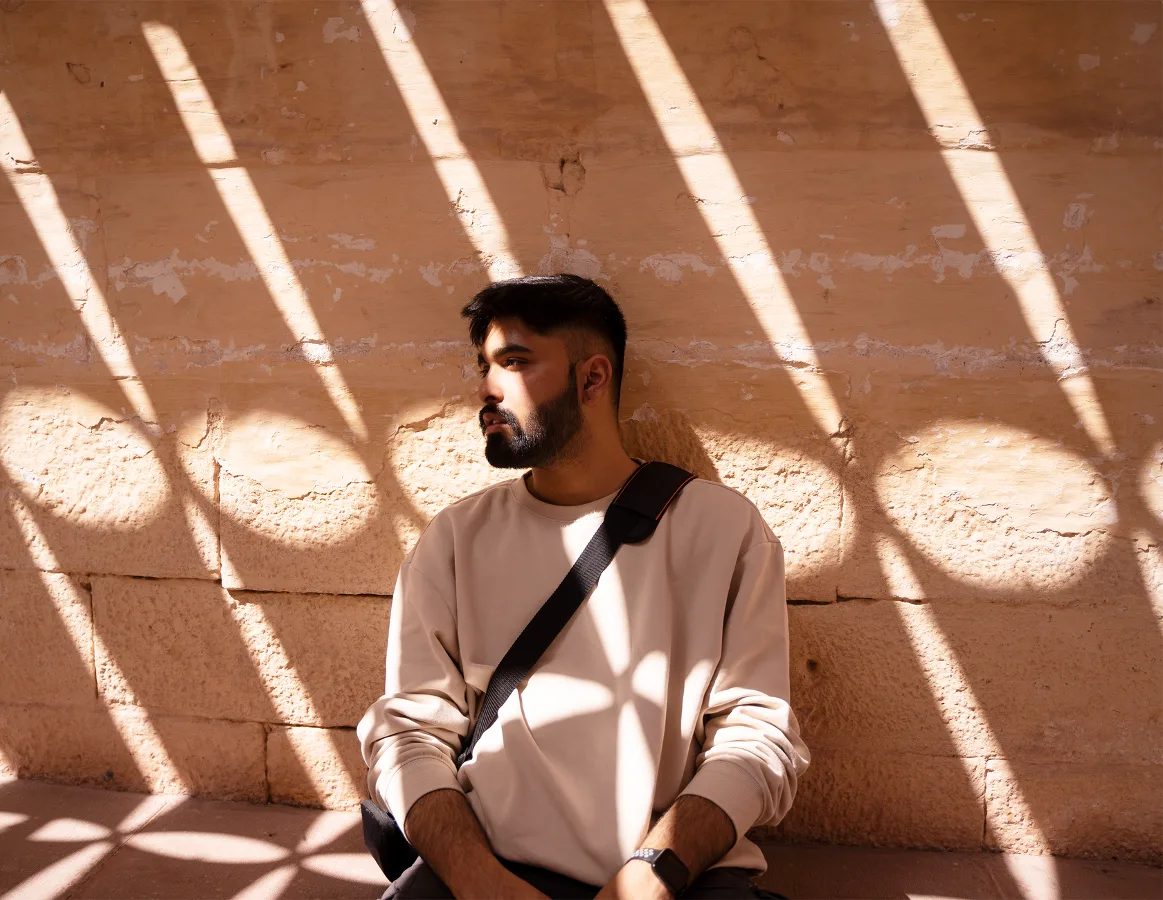
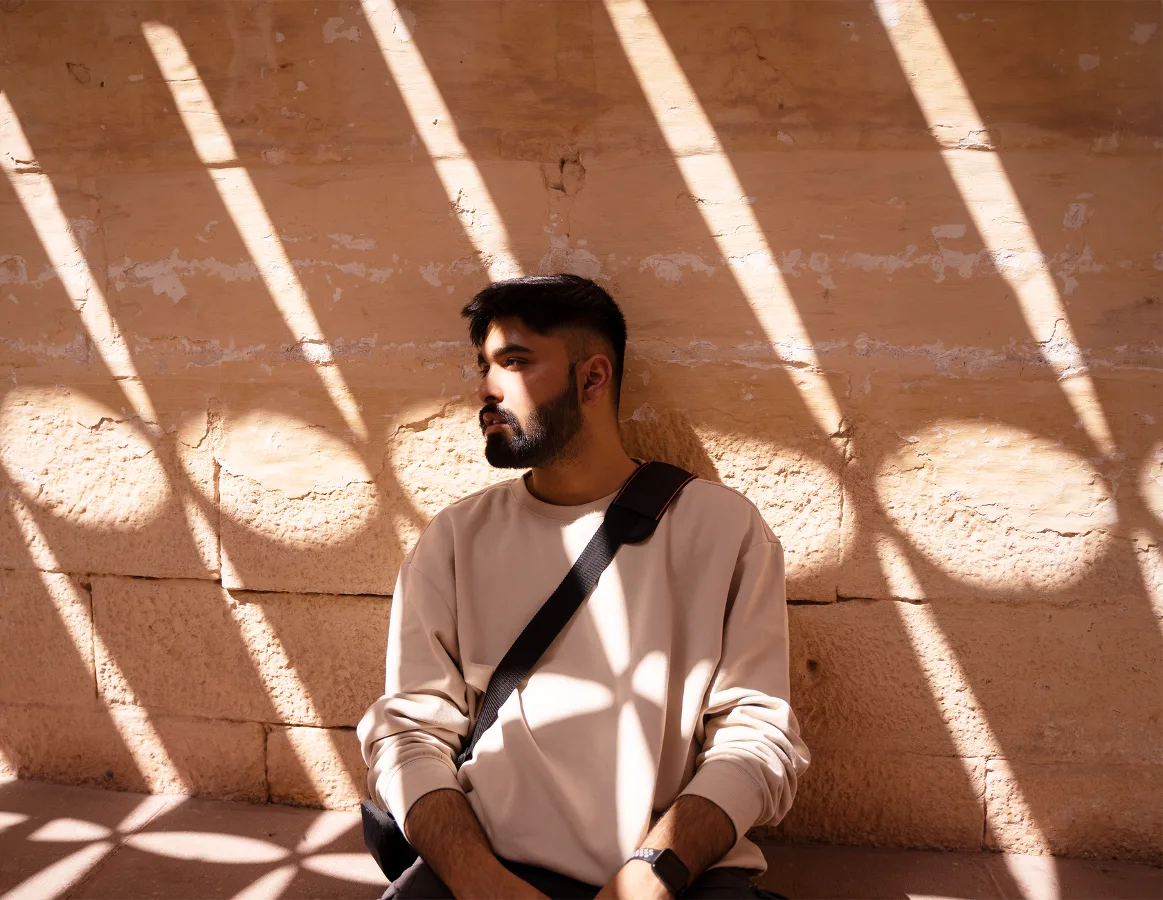
An outdoor crossbody bag keeps essentials secure and close without the bulk of a backpack. Whether you’re on a short hike, navigating a city, or heading to a festival, the right design balances comfort, organization, and weather protection. Use this guide to choose a durable outdoor crossbody bag and set it up for smooth days outside.
Key Features to Look For
- Weather protection: Look for water-resistant fabrics (such as coated nylon or polyester) and covered or water-resistant zippers. Fully waterproof bags require sealed seams and waterproof materials, which are useful for heavy rain but not always necessary for light showers.
- Durable fabric: Mid-to-high denier nylon (e.g., 400D–1000D) or polyester balances abrasion resistance with weight. TPU or PU coatings add toughness. Waxed canvas offers heritage looks and water resistance with periodic rewaxing.
- Comfortable strap: A wide, adjustable strap with some padding helps distribute weight. Breathable mesh on the strap and back panel reduces sweat buildup. Reversible or ambidextrous anchors let you switch shoulders.
- Smart organization: A quick-access pocket for phone/ID, a secure internal pocket for valuables, and dividers or elastic loops for small tools make on-the-move access easier.
- Security features: Lockable zipper pulls, hidden pockets, and cut-resistant strap reinforcement can deter opportunistic theft in crowded areas.
- Lightweight hardware: Metal or quality polymer buckles should feel solid and operate smoothly. Double stitching or bar tacks at stress points increase reliability.
- Reflective details: Subtle reflective trim improves visibility on evening commutes or trail exits after dusk.
- Modular carry: Exterior lash points or MOLLE webbing allow you to attach a water bottle sleeve, light, or small pouch when needed.
Sizing and Capacity
Crossbody capacity is often listed in liters. Here’s a quick guide to match size with typical outdoor use:
| Capacity | Ideal Use | What It Fits |
|---|---|---|
| 1–2L | Minimalist EDC, quick walks, festivals | Phone, cards, keys, small snack, compact sunscreen |
| 3–5L | City exploring, short hikes, cycling | Plus sunglasses, compact water bottle, light layer, small camera |
| 6–8L | Half-day hikes, travel days | All of the above plus tablet or paperback, packable jacket |
| 9–10L+ | Gear-heavy EDC or photography | Larger camera kit, extra layers, tech pouch |
Tip: If your kit includes a water bottle and a light jacket, 5–7L is a practical sweet spot for most outdoor days without feeling bulky.
Materials and Weather Protection
Understanding fabric and finishes helps you choose the right balance of durability and weather resistance.
Common Fabrics
- Nylon (ripstop or plain weave): High abrasion resistance with good strength-to-weight ratio. Look for a durable water-repellent (DWR) finish.
- Polyester: UV-resistant and budget-friendly. Works well with coatings to boost water resistance.
- TPU/PU-coated textiles: Offer excellent water resistance and structure. Often paired with taped seams in more protective bags.
- Waxed canvas: Naturally water-resistant and ages with a patina. Benefits from occasional rewaxing to maintain performance.
Water-Resistant vs Waterproof
- Water-resistant: Sheds light rain; suitable for mixed weather and most urban use. Look for coated fabrics and covered zippers.
- Waterproof: Designed to keep water out during sustained rain or splash exposure. Typically uses laminated fabrics, welded or taped seams, and waterproof zippers. Some products specify an IP rating for water ingress; higher ratings generally indicate stronger protection.
For variable forecasts and active movement, a well-built water-resistant bag paired with a small rain cover or inner dry pouch offers flexible protection without excess weight.
Comfort and Fit
Comfort starts with how the bag sits against your torso and how the strap distributes weight.
- Strap width and padding: Wider straps reduce pressure points. Light padding helps for loads above 3–4 lbs.
- Breathability: Mesh or channeled back panels allow airflow and reduce sweat on warm days.
- Stability: A stabilizer strap or cross-strap adds security for cycling or jogging, preventing bounce.
- Ambidextrous carry: Reversible strap anchors let you swap shoulders to avoid fatigue on longer days.
- Sling vs classic crossbody: Sling bags are worn higher and tighter for active use; classic crossbody styles ride a bit lower for casual wear. Choose based on movement level and access preferences.
Use-Case Mini-Guides
Hiking and Trail Walks
- Pick 3–7L with a breathable back panel and quick-access pockets.
- Use exterior lash points or MOLLE to clip a light or attach a small bottle pouch if needed.
- Carry sunscreen, compact first-aid basics, a snack, and a map or phone in a weather-resistant sleeve.
Travel and City Exploring
- Security matters: prioritize lockable zippers and a hidden passport pocket.
- Choose a slim profile that fits under a jacket or sits comfortably across the chest on crowded transit.
- Organize with a small tech pouch for cables and earbuds to prevent snags at checkpoints.
Festivals and Concerts
- Check venue size rules; many events limit bag dimensions.
- Go light: phone, cards, sanitizer, lip balm, and a compact poncho in a 1–3L bag.
- Reflective accents help with post-show exits in low light.
Cycling and Commuting
- Opt for a sling with a stabilizer strap to prevent sway.
- Choose water-resistant fabric and covered zippers for sudden showers.
- Keep a small tool or patch kit in a dedicated pocket away from soft items.
Dog Walking and EDC
- 2–4L is plenty for treats, bags, keys, and a phone.
- Use a key leash to avoid drops at night, and add a clip for a small flashlight.
- Pick easy-wipe linings for quick cleanup.
Packing and Organization Tips
- Stage essentials: Lay out phone, wallet, keys, ID, sunglasses, and any trail or travel extras before loading.
- Heaviest items close to the body: Keep dense objects (camera, power bank) against the back panel to reduce swing and strain.
- Use quick-access pockets wisely: Reserve these for frequently used items like transit cards or lip balm; avoid overstuffing to maintain smooth zips.
- Compartmentalize: A slim pouch for cables, a small first-aid kit, and a pen keep the main compartment tidy.
- Balance left to right: Prevent twisting by distributing weight evenly.
Care and Maintenance
- Regular cleaning: Brush off dust, then spot clean with mild soap and cool water. Avoid harsh detergents that can damage coatings.
- Air dry only: Hang in a ventilated area away from direct heat to protect laminates and adhesives.
- Reproof as needed: If water stops beading, apply a fabric-appropriate DWR spray to restore water resistance on nylon or polyester.
- Inspect stress points: Check stitching, strap anchors, and zippers; address loose threads early to extend lifespan.
Outdoor Crossbody Bag Checklist
Match features to your scenario before you buy:
- All-around use: 3–5L, coated fabric, quick-access phone pocket, internal zip pocket, adjustable strap.
- Wet weather: Waterproof materials, sealed seams, water-resistant or waterproof zips, minimal external seams.
- Active days: Sling-style fit, stabilizer strap, breathable back panel, reflective trim.
- Travel security: Lockable pulls, hidden passport pocket, cut-resistant strap reinforcement.
- Modular carry: MOLLE or daisy chains, side lash points, compatible bottle sleeve.
FAQs
Are outdoor crossbody bags secure?
They can be. Look for lockable zipper pulls, hidden pockets, and close-to-body carry. Wearing the bag across the front in crowded areas adds awareness and deterrence.
What’s the difference between a sling and a crossbody bag?
Both wear across the torso. Slings typically ride higher and tighter for active movement, with a single diagonal strap. Classic crossbody styles often sit lower and look more casual. Many modern designs blend both.
How do I choose the right strap length?
Measure from one shoulder diagonally to the opposite hip where you want the bag to rest. Select an adjustable strap with enough range to sit high for active use and slightly lower for casual wear.
Can I run with a crossbody bag?
Yes, if it includes a stabilizer or secondary strap and a snug fit. Keep the load minimal, position heavier items against the back panel, and tighten the strap to reduce bounce.
What is MOLLE and do I need it?
MOLLE is a webbing system that lets you attach compatible pouches or accessories. It’s useful if you frequently add or remove gear like a bottle holder or tool pouch; otherwise, streamlined bags without webbing are lighter and cleaner.
How much weight should I carry?
For comfort, keep crossbody loads modest—enough for what you need that day. If you regularly carry heavy items like cameras plus water, consider a larger sling or a small backpack for better support.
With the right outdoor crossbody bag, you’ll move freely, keep essentials organized, and stay ready for changing weather. Use the checklist above to shop confidently and fine-tune your setup for hiking, travel, and everyday adventures.