

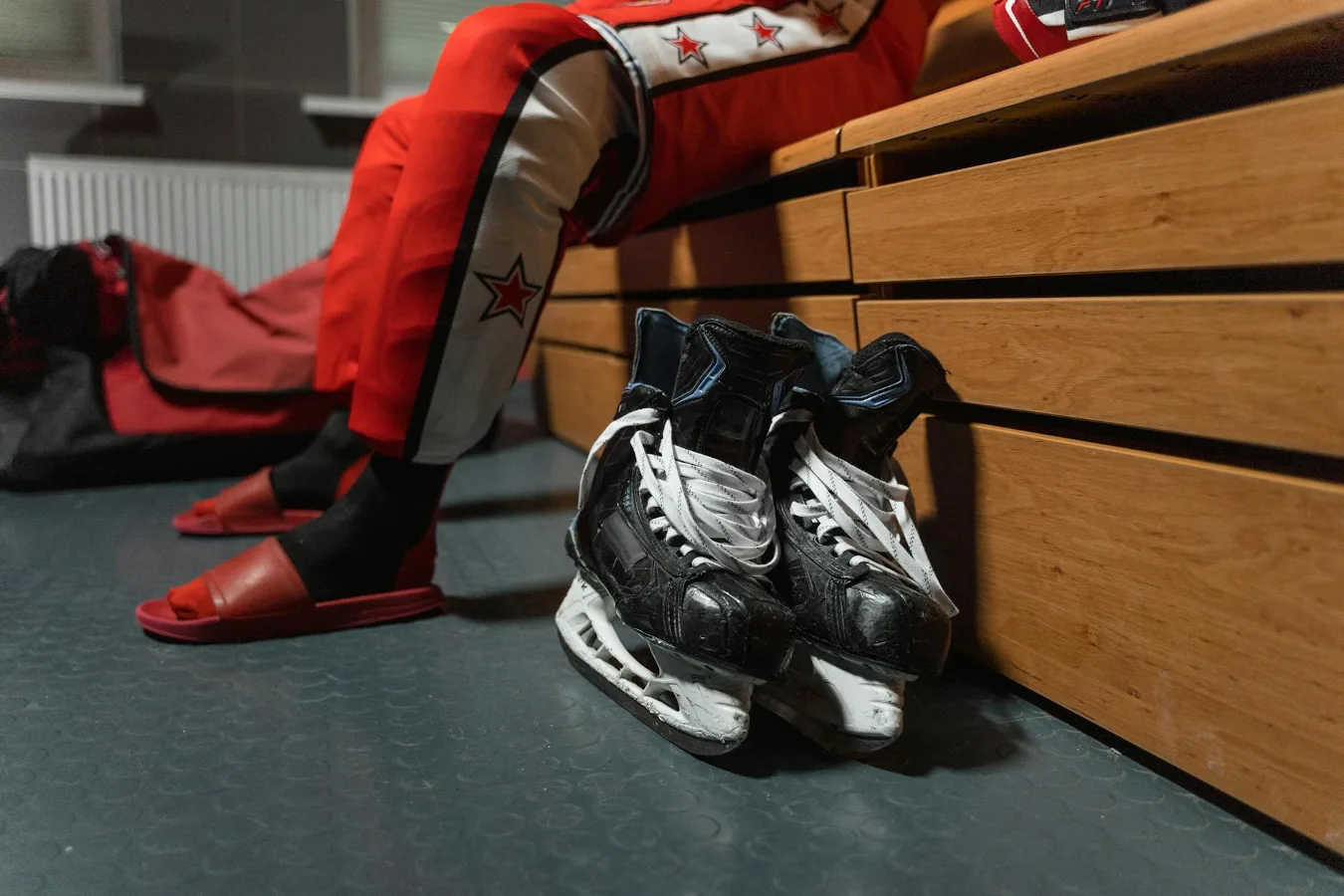
Wearing sports gear well starts with a simple idea: choose pieces that support the activity, not just the look. The best setup usually balances fit, comfort, protection, and practicality, so you can move freely without distractions. sports gear basics for beginners offers more detail on this point. ride strong sports gear offers more detail on this point.
That balance matters because sports gear serves different jobs depending on the activity. A running outfit, a gym training set, and protective gear for contact sports all solve different problems, and the right choice depends on how much movement, impact, weather exposure, or support the activity requires.
Start with the activity, not the outfit
The most useful way to think about sports gear is by use case. A person heading to a weight room needs different clothing and equipment than someone training outdoors, playing basketball, or cycling across town. If you begin with the sport or workout first, the rest of the decision becomes clearer.
Ask a few practical questions before buying or wearing anything new:
- Will this activity involve repeated impact, sprinting, stretching, or rotation?
- Will you be indoors, outdoors, or moving between both?
- Do you need protection, compression, support, or mostly breathability?
- Will the gear be worn for a short session or for long periods?
That last question is often overlooked. Gear that feels fine for a 20-minute session can become uncomfortable during a longer practice if seams rub, fabric traps heat, or straps shift with movement.
Buyer scenario: what different users usually need
Casual gym-goers usually benefit from simple, movement-friendly basics: a top that stays in place, bottoms that do not pinch, and footwear suited to the workout surface. Comfort and flexibility matter more than technical complexity.
Runners and walkers tend to need lightweight, weather-aware apparel and shoes that suit their stride and training surface. For them, breathability, moisture management, and reducing friction become more important than heavy layering or bulky fabrics. layering tips for changing weather offers more detail on this point.
Team-sport players often need a mix of apparel and protective pieces. Jerseys, shorts, compression layers, mouthguards, shin guards, gloves, or pads may all come into play depending on the sport. The key is compatibility: gear should work together without restricting motion or creating pressure points.
Outdoors-focused athletes have to think about changing conditions. Sun protection, wind resistance, rain resistance, and temperature regulation can matter as much as the base layer itself. In that setting, sports gear is not just about performance; it is also about staying comfortable enough to keep going.
Fit is the first technical decision
Fit is where many people get sports gear wrong. Too loose, and equipment can shift, snag, or interfere with movement. Too tight, and clothing can restrict range of motion, cause chafing, or feel distracting during repetitive motion.
A good fit should follow the body without fighting it. That means different things depending on the item:
- Shirts and tops: should allow arm movement without pulling at the shoulders or riding up during stretches.
- Bottoms: should stay secure during bending, squatting, and running without cutting into the waist.
- Sports bras and support layers: should feel stable without obvious pressure points or excessive bounce.
- Footwear: should leave enough room for natural movement while keeping the heel and midfoot secure.
One common misconception is that tighter always means better support. That is not always true. Some compression pieces are designed to feel snug, but if a garment becomes hard to breathe in, leaves marks, or changes how you move, it is probably not the right size or style.
Material and spec factors that actually matter
Material is more than a label on the tag. The fabric or construction determines how gear feels during activity, how it handles sweat, and how long it stays useful.
Breathability and moisture handling
For many workouts, especially in warm weather or high-output sessions, breathable fabrics help reduce that heavy, sticky feeling that builds when sweat cannot escape. Moisture-wicking materials are often chosen for this reason, though the best result still depends on fit and the level of exertion.
Not every activity needs the same fabric behavior. A short strength session may not demand the same sweat management as an outdoor run, while a cold-weather layer may need to trap some warmth instead of venting it quickly.
Stretch and recovery
Sports gear should move with the body and return to shape afterward. That matters for knees, elbows, hips, and shoulders where repeated bending and rotation are constant. If a fabric loses structure too quickly, it can start to sag, twist, or feel less supportive over time.
Durability versus softness
Soft fabrics can feel great, but they may not hold up as well in heavy-use settings. More durable pieces can sometimes feel less plush at first but better suited to repeated wear, washing, and contact with equipment or turf. The trade-off is common: comfort often increases at the same time that toughness decreases.
Climate suitability
Gear that works well indoors may not be ideal outside. For hot conditions, lighter layers and ventilation matter. For cold or windy environments, layering and coverage become more important. The best sports gear matches the weather as closely as it matches the sport.
Protection and support should match the risk
Not all sports gear is about comfort. Some of it is there to reduce the chance of injury or absorb impact. The challenge is making sure the protection is appropriate for the activity instead of adding unnecessary bulk.
For example, a contact sport may call for pads, guards, or reinforced pieces, while a studio workout may only need stable footwear and comfortable apparel. Overbuilt gear can limit movement, trap heat, or create a false sense of security if it is not actually suited to the sport.
Support also needs to be specific. An ankle brace, knee sleeve, or compression layer may help in certain situations, but it should not replace technique, conditioning, or proper medical guidance when an injury is involved. Gear can assist the body, but it is not a shortcut around care and recovery.
Style matters, but it should not lead the decision
There is nothing wrong with wanting sports gear that looks clean and modern. In fact, appearance can be part of the appeal, especially if you wear athletic pieces beyond the gym. The mistake is letting aesthetics outrank function.
A polished look is most useful when it does not interfere with the practical side of wearing sports gear. If a piece looks good but slides, chafes, overheats, or lacks the support you need, it is the wrong choice for active use.
For people who move between workouts and everyday errands, athleisure can be a good middle ground. Still, hybrid pieces work best when they are honest about their purpose. A streetwear-inspired top may be fine for light training, but a more technical setup is usually better for serious or repeated athletic use.
Common mistakes people make with sports gear
- Buying for appearance first: attractive gear is nice, but the wrong fit or fabric can turn into a distraction quickly.
- Ignoring the activity type: running, lifting, cycling, and field sports place different demands on clothing and equipment.
- Choosing the wrong size in the name of compression: support should feel secure, not restrictive.
- Overlooking weather conditions: gear that works indoors may be too warm, too thin, or too exposed outdoors.
- Skipping the break-in and comfort check: seams, straps, waistbands, and shoe shape can feel different once you start moving.
- Forgetting maintenance needs: sweat, repeated washing, and storage conditions can affect performance over time.
These mistakes are easy to make because sports gear often looks straightforward on a hanger or product page. The real test is how it behaves during motion, heat, pressure, and repeated use.
Maintenance and wear are part of the decision
Even good sports gear has limits. Sweat, friction, washing cycles, sun exposure, and repeated compression all change how materials feel and perform. That is why maintenance deserves a place in the buying decision.
Some pieces need gentler washing, air drying, or careful storage to keep elasticity and shape. Others are more forgiving but may still break down faster if they are overloaded, packed damp, or used in a different environment than intended. If a piece will live in a gym bag, be worn in bad weather, or see near-daily use, durability becomes a bigger factor than it would for occasional wear.
It also helps to think about replacement timing. Visible wear, reduced support, stretched elastic, persistent odor, or loss of structure can all be signs that gear is no longer doing its job well.
Alternatives worth considering
Sometimes the best answer is not a more technical version of the same item. It may be a different approach entirely.
- For low-impact workouts: simpler activewear may be enough if movement and breathability are the main priorities.
- For changing weather: layering can be more adaptable than relying on one all-purpose piece.
- For support concerns: targeted support items may work better than adding extra tightness everywhere.
- For daily wear plus exercise: hybrid athleisure pieces can make sense if the activity level is moderate.
The right alternative often depends on comfort and convenience. A gear setup that is slightly less technical but much easier to wear consistently may be the better long-term choice.
Next steps before you buy or wear anything new
If you are choosing sports gear for yourself, focus on a short checklist instead of chasing every feature. Start with the activity, then narrow down by fit, material, support, and climate. If the item passes those tests, style and price become the final filter rather than the starting point.
Before committing, compare how the piece behaves against your real routine: indoor or outdoor, short session or long session, low impact or high impact, single-use or frequent wear. That practical filter will usually lead to better decisions than product buzzwords alone.
Wearing sports gear well is mostly about alignment. When the clothing or equipment matches the movement, the environment, and the level of protection you need, it disappears into the experience in the best possible way.