

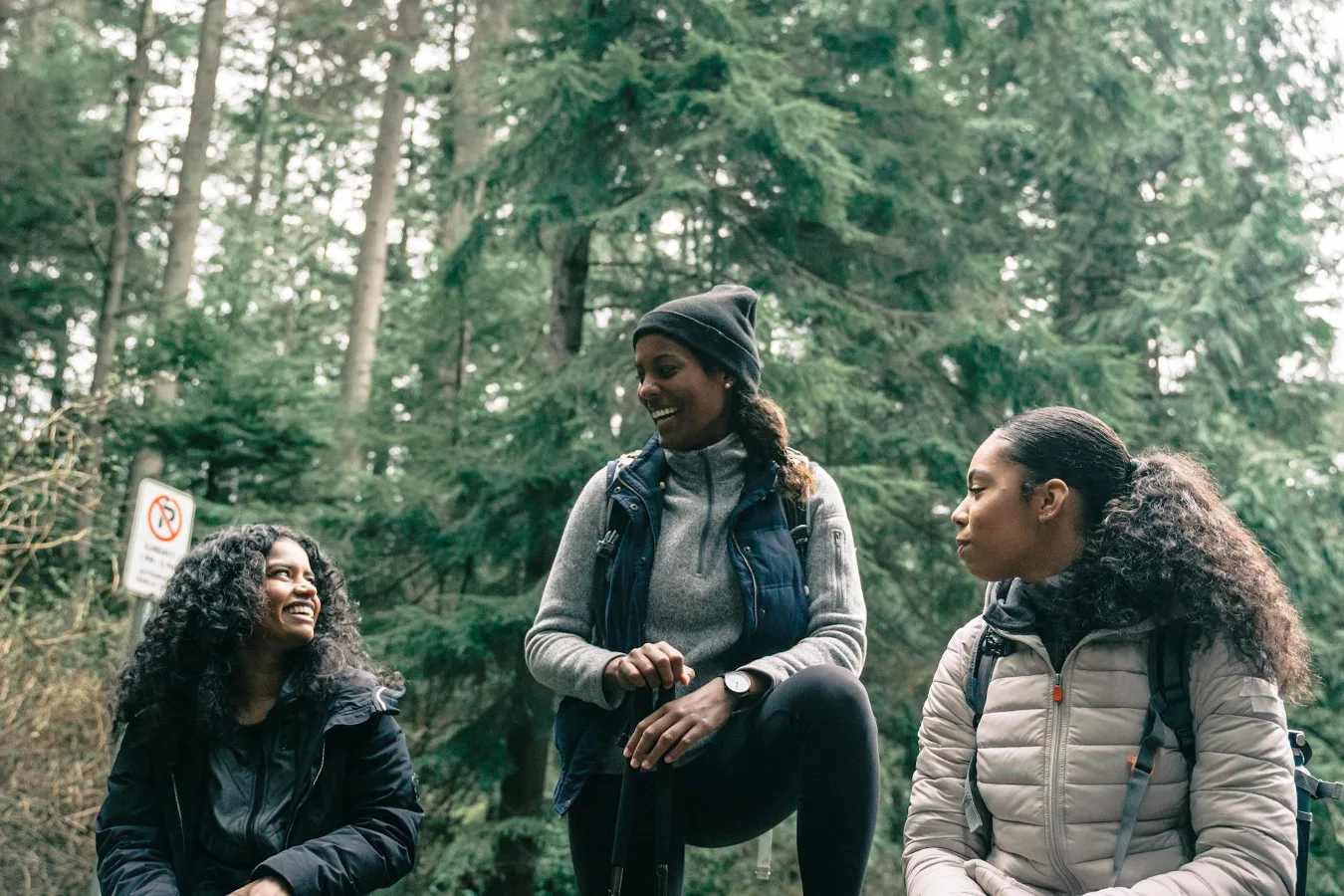
What to wear for hiking, depending on your route
The best hiking clothes for women are the ones that keep you comfortable across changing conditions: moisture-wicking next to the skin, breathable enough to manage sweat, and flexible enough to move freely on uneven ground. For most hikes, that means a light base layer, a trail-friendly bottom, and a packable outer layer you can add when wind, rain, or elevation changes show up. Best Burp Cloths: A Buyer’s Guide offers more detail on this point. best clothes for apple shape woman offers more detail on this point.
The right choice depends less on fashion and more on the hike itself. A shady woodland trail, a windy ridge, and a hot desert walk all call for different fabrics, coverage, and layers. If you start with the weather, the length of your hike, and how much temperature change you expect, it becomes much easier to narrow down what actually belongs in your hiking wardrobe.
Best hiking clothes for women by buyer scenario
Different hikers need different setups. A single “best” outfit rarely works for every trail, which is why the smartest buying approach is scenario-based.
For warm-weather day hikes
In hot conditions, prioritize lightweight, breathable tops and bottoms that dry quickly if you sweat. Short-sleeve or long-sleeve sun shirts made from synthetic performance fabrics or merino wool can help manage moisture without feeling heavy. Many hikers also prefer loose hiking shorts or breathable pants over cotton because cotton can hold sweat and dry slowly.
For exposed trails, long sleeves and UPF-rated fabrics can be a practical choice even when temperatures are high. Coverage is not only about warmth; it can also reduce direct sun exposure and help with brush, insects, and scratchy vegetation.
For cool mornings and shoulder-season hikes
Layering matters more when a trail starts cold and warms up later. A light base layer, an insulating midlayer such as a fleece, and a wind-resistant outer layer give you more control than a single heavy jacket. This is often the easiest way to stay comfortable without carrying bulky clothing you may not need after the first hour.
Convertible pieces can be useful here, but they are not automatically better. Zippered pants, packable jackets, and light gloves can solve the same problem with fewer compromises than removable-leg pants or overly complex designs.
For wet or unpredictable weather
If rain is likely, a dependable shell is more useful than trying to make a water-resistant garment do everything. Look for a jacket that can fit over your layering system without restricting movement in the shoulders or torso. A hood that stays in place and cuffs that help block wind are practical details that matter more on trail than on a casual walk.
Keep in mind that waterproof protection and breathability always involve trade-offs. More weather protection often means less airflow, so the best choice depends on whether you need to stay dry from outside moisture, from sweat, or from both.
What matters most in hiking fabric
Fabric choice is one of the biggest differences between apparel that simply looks athletic and clothing that actually performs on a trail.
Moisture management
Hiking creates sweat, even on easy routes. Moisture-wicking fabrics move perspiration away from the skin so it can evaporate more efficiently. This can help reduce clamminess, friction, and the chill that happens when wet clothing cools down in wind or shade.
For many hikers, synthetic fabrics such as polyester and nylon are common because they dry quickly and are usually lightweight. Merino wool is another useful option, especially for base layers, because it can feel comfortable across a wide range of temperatures and may resist odor better than some synthetics. Each material has strengths, and neither is universally superior.
Breathability and airflow
Breathability is especially important for women who hike in warm or humid conditions, or who tend to overheat on climbs. Mesh panels, lighter weaves, and relaxed cuts can help, but breathability can drop when a garment is treated for wind or water resistance. That is where trade-offs begin: more protection often means less airflow.
Durability and abrasion resistance
Trail clothing needs to handle pack straps, rocks, branches, and repeated washing. Pants and jackets with reinforced zones or sturdier weaves can last longer in high-wear areas. That does not mean the heaviest fabric is the best pick. Too much bulk can reduce mobility and comfort, especially on longer hikes. best fabrics for outdoor clothing offers more detail on this point.
Stretch and mobility
Stretch is not a luxury on uneven terrain. A good hiking pant or legging should allow crouching, stepping up, and climbing without pulling at the knees or waistband. Four-way stretch can be useful, but fit matters just as much as fabric. A stretchy garment that gaps, slides, or rides up is still the wrong garment.
How to think about fit, sizing, and comfort
Fit is one of the most overlooked parts of hiking clothing, and it can make the difference between gear you wear constantly and gear that stays in the closet.
For tops, look for enough room in the shoulders to swing your arms naturally and enough length to stay put under a pack waistbelt. For bottoms, pay attention to the waistband, rise, and inseam. A waistband that feels fine while standing can become annoying after hours of walking, especially if it twists, digs, or shifts under a hip belt.
Comfort also depends on seam placement. Flat seams, soft waistbands, and smooth inner surfaces can reduce rubbing on long hikes. This is especially relevant for women who deal with chafing at the inner thighs, under the arms, or where straps and waistbands meet.
A common misconception is that hiking clothes should fit like gym wear. Some pieces do, but many trail garments work better with a slightly more relaxed fit that allows layering, airflow, and movement. Overly tight clothing can trap heat and make long hikes feel harder than they need to be.
Choosing the right bottoms: pants, shorts, or leggings
Bottoms deserve more attention than they often get because they affect mobility, coverage, and comfort over a long day.
Hiking pants
Hiking pants are often the most versatile choice. They offer more protection from sun, brush, and cooler wind than shorts, while still giving you room to move. They are especially useful on alpine routes, forest trails, and shoulder-season hikes. Look for articulated knees, a secure waistband, and a fabric that dries quickly if weather shifts.
Hiking shorts
Shorts work well in hot weather and on lower-risk trails where maximum airflow matters more than coverage. Some hikers prefer them because they feel lighter and cooler on steep climbs. The main downside is reduced protection from sun, bugs, and vegetation. If you choose shorts, a lightweight long-sleeve top can help balance that exposure.
Leggings and hiking tights
Leggings can be comfortable for trail walking, fitness hikes, and moderate conditions, especially if they are made for outdoor use rather than studio workouts. The practical concern is durability: some leggings snag more easily, hold less structure under a pack, or become less comfortable when wet. For rocky trails or routes with thick brush, purpose-built hiking pants may be a better long-term choice.
Layering pieces that actually earn their place
The most useful hiking wardrobe is usually built around layers rather than single-purpose outfits. That gives you more flexibility without carrying unnecessary weight.
- Base layer: Wear closest to the skin for moisture management and temperature control. Synthetic and merino options are the most common.
- Midlayer: Add warmth without too much bulk. A fleece or light insulated layer works well for cool starts, rest stops, or higher elevations.
- Shell layer: Use for wind or rain protection. A shell is most helpful when weather can change quickly or when you need a packable barrier.
The overlooked advantage of layering is not just warmth. It also helps you avoid sweating too much early in the hike, which can make you colder later. For many women, the best hiking outfit is one that allows easy temperature adjustment before discomfort builds.
Material and spec factors worth comparing before you buy
Shopping for hiking clothing gets easier when you compare a few concrete features instead of focusing on brand language.
| What to check | Why it matters | Practical trade-off |
|---|---|---|
| Fabric type | Affects drying time, odor resistance, warmth, and comfort | Synthetics dry quickly; merino often feels softer but may cost more |
| Weight | Influences packing, heat retention, and ease of movement | Light fabrics can be less durable in rough conditions |
| Fit and rise | Determines comfort under a pack and during long strides | Tighter fits may feel streamlined but can reduce layering room |
| Stretch | Supports movement on uneven terrain | Extra stretch can sometimes reduce structure or durability |
| Weather resistance | Helps with wind and light precipitation | More protection can reduce breathability |
| Drying time | Important if you sweat heavily or expect wet conditions | Ultrafast-drying fabrics may feel less substantial |
| Seams and waistband design | Affects chafing and all-day comfort | Soft construction can cost more but often pays off in wearability |
One practical nuance: the same garment can be excellent for one trail and frustrating on another. A lightweight top that feels perfect on a summer path may be too thin for early spring ridgelines. Likewise, a highly weather-resistant jacket can feel overbuilt if you mostly hike in dry, mild climates. Matching the garment to your usual conditions is more useful than chasing the most feature-heavy option.
Common mistakes women make when choosing hiking clothes
A few avoidable errors account for a lot of trail discomfort.
- Buying for looks instead of movement: Trail clothing needs to bend, stretch, and layer well.
- Wearing cotton as a primary layer: Cotton can be comfortable at first, but it tends to retain moisture and dry slowly.
- Ignoring the pack interface: Waistbands, straps, and seams can become irritating once a backpack is on.
- Choosing too little coverage for the environment: Sun, insects, brush, and wind all affect what feels comfortable.
- Overdressing at the trailhead: Many hikers start too warm and end up sweaty before the climb even begins.
- Assuming leggings are always enough: They can work well, but not every trail calls for the same level of abrasion resistance.
Practical alternatives if you want a simpler setup
You do not need a closet full of specialized gear to dress well for hiking. A simple, adaptable system often works better than a large collection of niche pieces.
If you want fewer items, start with a moisture-wicking top, a pair of hiking pants or durable leggings, and a light shell that packs easily. That combination covers a surprising range of conditions. Add a fleece only if your hiking season or climate regularly calls for extra warmth.
If you prefer multipurpose clothing, choose trail-friendly pieces that also work for travel, walking, or casual outdoor use. That can improve long-term value, especially if you hike occasionally rather than every week. The trade-off is that an all-purpose garment may not perform as well as a more specialized one in harsh weather.
How to narrow your final choice
Before buying, ask a few practical questions: Will this be worn mostly in heat, cold, or both? Do I need sun protection? Will I be carrying a pack for several hours? Do I prefer a fitted, streamlined feel or a looser, more ventilated one?
Those answers usually point you toward the right mix of fabric, coverage, and layering. If you hike in variable conditions, prioritize adaptable pieces first: a breathable base layer, a reliable midlayer, and a shell you can throw on quickly. If you mostly hike in stable weather, comfort and fit may matter more than full weather protection.
The best hiking clothes for women are not the most technical-looking pieces. They are the ones that match the terrain, the climate, and the way you actually move. Start with those details, and the rest of the decision becomes much easier.