

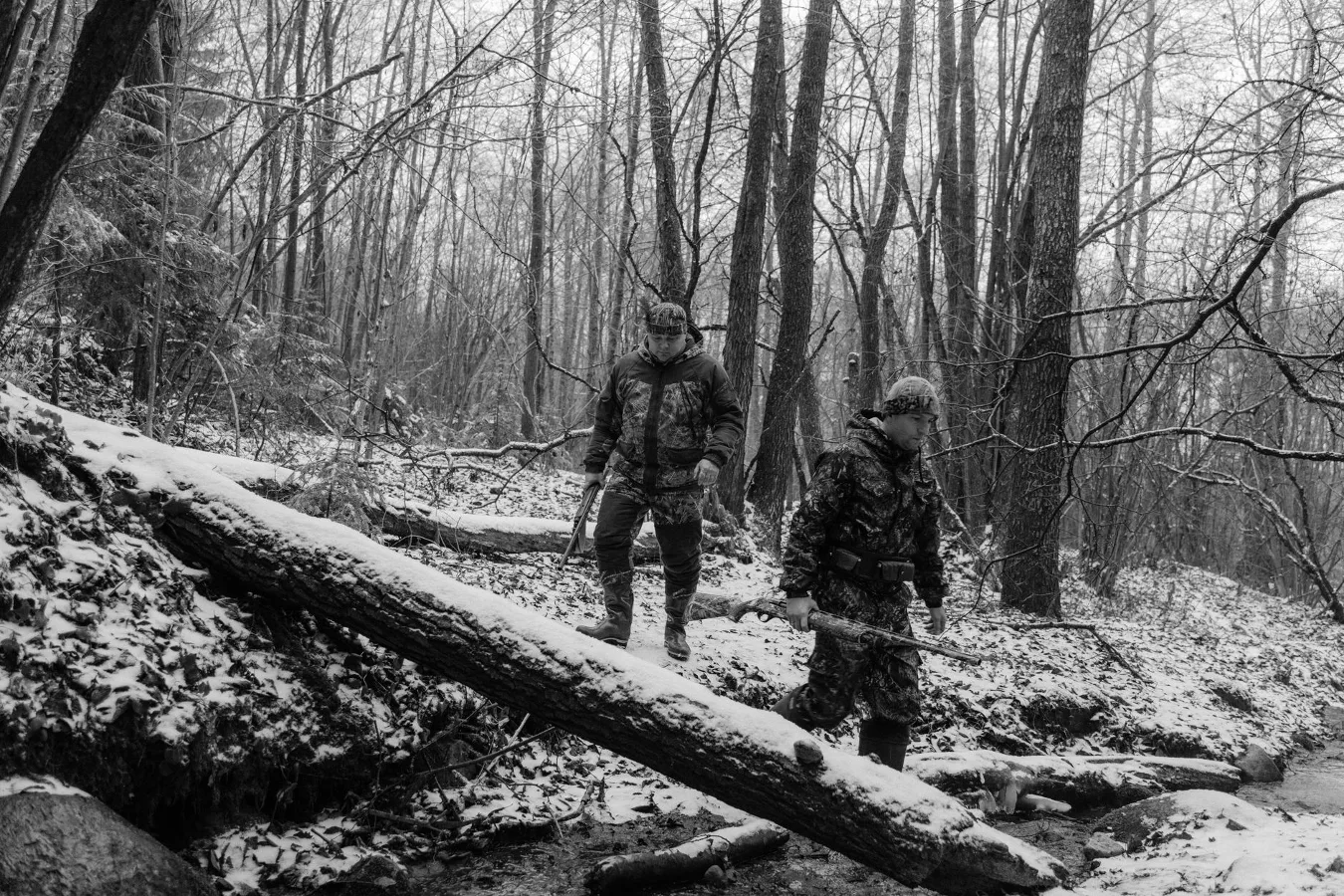
What matters most in cold-weather hunting clothes
The best cold weather hunting clothes keep you warm without making you sweat, loud, or bulky. For most hunters, the winning setup is not a single heavy jacket. It is a layered system built around moisture management, insulation, wind protection, quiet fabrics, and the right fit. best hunting jackets for layering offers more detail on this point. quiet fabrics for the field offers more detail on this point. best time to wash clothes offers more detail on this point.
That matters because cold-weather hunting is rarely static. A long sit in a tree stand, a slow still hunt, and a hike to a remote spot all create different demands. Clothing that feels perfect during a cold sit can become a liability once you start moving. The real goal is to stay comfortable across changing activity levels without giving away your position.
If you are trying to choose gear for late-season deer hunts, duck blinds, predator calling, or any other cold-weather outing, start by thinking about the conditions you actually face: temperature, wind, precipitation, movement level, and how long you will be exposed.
Start with the layering system, not the jacket
A common mistake is buying the heaviest coat first and building everything around it. That usually leads to overheating, poor mobility, and limited versatility. A better approach is to choose layers that work together.
Base layer: This sits against the skin and should help move sweat away from the body. If you hike to your spot or cover ground before you settle in, this layer matters more than many hunters expect. Cotton is a poor choice because it holds moisture and cools you down once you stop moving.
Mid layer: This is your insulation layer. Fleece, wool blends, and synthetic insulated pieces are common options. The best choice depends on whether you need more warmth, more breathability, or more flexibility.
Outer layer: This protects against wind, light rain, snow, brush, and abrasion. Some outer layers are heavily insulated; others are shell-style pieces meant to go over warmer layers.
A layering system gives you more control than a single bulky garment. It also makes it easier to adapt to changing weather without carrying unnecessary weight.
Step-by-step criteria for choosing the right cold-weather hunting clothes
1. Match the clothing to your activity level
This is the first decision that affects everything else. If you expect a lot of walking, climbing, or tracking, focus on breathable layers that manage sweat well. If your hunt involves long periods of stillness, prioritize insulation and wind blocking.
Hunters who stay active often do better with lighter insulation and a removable outer layer. Hunters who sit for long stretches usually need more warmth in the system from the start. Neither approach is universally better; the right one depends on how much you move.
2. Pay attention to wind protection
Wind can make a cold day feel much harsher, especially during long sits or on exposed ridges. A jacket or shell with good wind resistance can make a bigger difference than adding more thickness. This is one of the most overlooked considerations because many people focus only on temperature.
Windproof or highly wind-resistant outerwear is especially useful when you are stationary. In milder temperatures, a wind-blocking layer may be more practical than a heavy insulated coat.
3. Choose insulation based on your hunting style
Insulation can be synthetic, natural, or blended. Each has trade-offs. Synthetic insulation generally retains warmth better when damp and can dry faster. Fleece is often quiet and comfortable but may be less effective alone in harsh wind. Wool offers good warmth and can manage odor well, though it may cost more and require more careful care depending on the garment.
The best option is not always the warmest on paper. A highly insulated jacket may be too hot for early-season movement or late-morning hikes. In many cases, a modular setup with removable layers gives you better control than one thick piece.
4. Look for quiet materials
Noise matters in hunting clothing. Rustling fabric can be distracting at best and counterproductive at worst. Softshell, brushed fabric, fleece, and well-designed wool blends are often quieter than stiff or crinkly materials.
This does not mean you should avoid all weather-resistant fabrics. It means you should consider where a garment will be used. A slightly noisier outer shell may be acceptable for a long, still sit, while a quieter mid layer matters more for stalking or closing distance slowly.
5. Think through moisture management
Moisture is a bigger enemy than many cold-weather shoppers realize. Sweat trapped inside your clothing can chill you quickly once your activity drops. Base layers and vented outerwear help reduce that risk.
If you run warm or expect to hike in, prioritize layers that can move moisture away from the skin. If you run cold and stay put, moisture management still matters, but insulation and wind control may carry more weight in your decision.
6. Check fit over all layers
Cold-weather hunting clothes need enough room to move and layer without becoming sloppy. Tight clothing can compress insulation and reduce warmth. Overly loose clothing can snag, shift, and create noise.
Fit is also a mobility issue. You should be able to raise a bow, shoulder a rifle, bend, kneel, and sit comfortably. Try to imagine the full range of motion your hunt requires, not just how the garment feels standing still.
7. Decide how much weather protection you truly need
Not every hunt requires fully waterproof clothing. In some cases, a water-resistant shell is enough, especially if your main concern is wind and light precipitation. Fully waterproof garments can be useful in wet snow, slush, or prolonged exposure, but they may trade away breathability and comfort.
This is where hunters often overspend on protection they do not need. A better question is whether you need to stay dry during active precipitation or simply block wind and shed occasional moisture.
Examples of practical cold-weather setups
For a long, stationary sit
A good setup usually includes a moisture-managing base layer, a warm mid layer, an insulated outer layer, and cold-weather accessories such as gloves, a hat, neck gaiter, and insulated boots or boot liners. The main priority is staying warm without having to move much.
This kind of setup benefits from quiet fabric and enough room to add a layer underneath. If you plan to sit before sunrise or remain in place for hours, build for warmth first and mobility second.
For active hunting or tracking
A lighter base layer, breathable mid layer, and wind-resistant outer shell are often a better fit. The key is avoiding overheating while you move. Once you stop, you may need an extra insulating layer in your pack.
Many hunters also underestimate the value of venting. Clothing with zip vents, removable layers, or easy access to temperature control can be more useful than adding thickness from the start.
For mixed conditions
Mixed hunts call for flexibility. A modular setup can handle a cold morning, a warmer afternoon, and a short burst of movement without forcing you to change everything. This is where layering shines: you can add or remove pieces as conditions change.
If your hunting ground varies a lot, flexibility usually beats specialization. The trade-off is that you may carry more pieces, but you gain more control over comfort.
What to look for in each garment category
Base layers
- Moisture-wicking performance
- Comfort against the skin
- Low bulk under other layers
- Quick drying properties
- Odor-conscious material choices, if relevant to your hunt
Mid layers
- Reliable warmth without excessive bulk
- Freedom of movement
- Quiet construction
- Compatibility with outer layers
- Insulation that matches your activity level
Outer layers
- Wind resistance
- Weather protection appropriate to the forecast
- Durable fabric for brush and repeated use
- Quiet movement where possible
- Room for layering underneath
Accessories
- Gloves that balance dexterity and warmth
- Hats or balaclavas that cover heat-loss points
- Neck gaiters for exposed skin
- Warm socks that work with your boots
- Boot systems suited to the temperature and ground conditions
Common misconceptions that lead to bad purchases
“Heavier always means warmer.” Not necessarily. A bulky jacket can trap heat when you are moving and still leave you cold once sweat builds up. The construction and layering strategy matter more than weight alone.
“Waterproof is always better than water-resistant.” Not for every hunt. Waterproof garments can be useful in wet conditions, but they may be less breathable and less comfortable during active movement. If you are mostly dealing with wind and occasional precipitation, a water-resistant shell may be a smarter choice.
“One set of clothes can handle every hunt.” Cold-weather hunting is too variable for that approach. A whitetail sit, upland walk, and waterfowl setup can each require a different balance of warmth, mobility, and protection.
Trade-offs worth weighing before you buy
The best cold weather hunting clothes usually involve trade-offs. More insulation can mean less mobility. More weather protection can mean less breathability. Quieter fabrics may not be as durable as harder shells in thick brush. Better camouflage may matter less than a clothing system that keeps you warm and focused.
That is why “best” depends so much on use case. A hunter who spends hours in a stand may value a heavier insulated bib more than a lightweight shell. Someone who hikes into remote areas may prefer a layered system that can be adjusted on the fly. Both can be correct.
There is also a budget trade-off. It often makes sense to spend first on the layers closest to the skin and the pieces you rely on every outing, then build outward from there. A well-chosen base layer and mid layer can improve comfort even if your outer shell is more modest.
Cold-weather hunting clothes checklist
- Base layer manages moisture, not just warmth
- Mid layer provides adjustable insulation
- Outer layer blocks wind and matches expected precipitation
- Fabric stays as quiet as the hunt requires
- Fit works over all layers without restricting movement
- Accessories cover exposed areas like hands, head, neck, and feet
- Clothing choice matches activity level and sitting time
- Pieces can be removed or added as conditions change
- Garments are compatible with your boots, pack, harness, or platform setup
How to narrow down the best option for your situation
If you hunt mostly from a stand in bitter wind, prioritize insulation, quiet fabrics, and coverage. If you are moving often, prioritize breathability and temperature control. If your season includes snow, sleet, or wet brush, place more weight on weather resistance. If you are hunting in moderate cold with long walks, a lighter but flexible system may serve you better than an all-in-one heavy set.
That practical approach is usually more useful than chasing a single “best” piece. In cold-weather hunting, the best clothing is the clothing that lets you stay warm, stay quiet, and stay ready for the conditions you actually encounter.
FAQ
What is the most important layer for cold weather hunting?
The base layer is often the most overlooked because it affects sweat management. If moisture builds up, warmth drops quickly once you slow down or stop.
Are heated hunting clothes worth considering?
They can be useful for very cold, stationary hunts, but they add battery dependence and another thing to manage. Many hunters still prefer a solid layering system first.
Should cold-weather hunting clothes be tight or loose?
Neither extreme is ideal. They should fit comfortably over layers, allow full movement, and avoid excessive bulk that creates noise or restricts motion.
Do I need waterproof hunting clothes for winter?
Only if your conditions call for it. Wind protection and water resistance are enough for many hunts, while fully waterproof gear is more useful in wet snow or prolonged moisture exposure.
What should I buy first if I am building my cold-weather hunting wardrobe?
Start with a good base layer and a dependable mid layer. Those pieces affect comfort across more conditions than a heavy outer shell alone.