

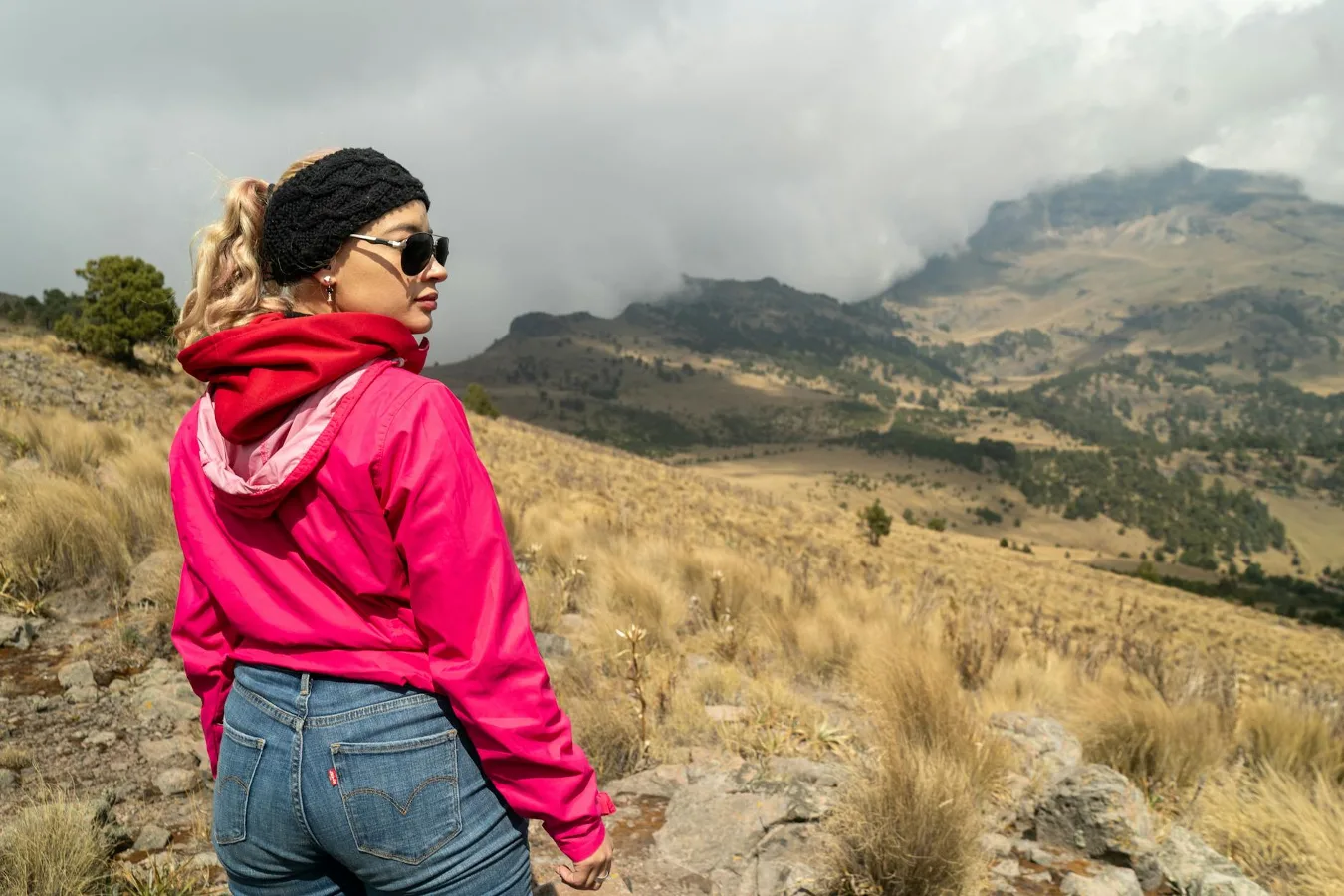
Quick answer: what to wear hiking
The best hiking clothes to wear are breathable, moisture-wicking, and comfortable enough to move in for hours. A reliable hiking outfit usually starts with a synthetic or merino wool top, hiking pants or shorts with a bit of stretch, supportive socks, and weather-appropriate layers you can add or remove as conditions change. best pants for hiking comfort offers more detail on this point. best cold weather hunting clothes offers more detail on this point.
If you want the simplest way to choose, build your outfit around the trail forecast rather than around fashion alone. Warm, dry hikes call for light, breathable pieces; cool or wet conditions call for layering, wind protection, and a packable outer shell. The goal is not to wear the most technical clothing possible. The goal is to stay comfortable, avoid overheating, and reduce the chance that sweat, wind, or friction ruins the hike.
A common misconception is that hiking clothes need to be expensive to work well. In reality, fit, fabric, and layering matter more than logos. A well-chosen basic outfit often performs better than a pricey item that traps heat, fits badly, or dries slowly.
How to choose hiking clothes by trail conditions
Different hikes ask for different clothing decisions. The best outfit for a shaded mountain trail in spring is not the same as the best outfit for a sunny, exposed loop in midsummer. Instead of thinking in terms of one perfect hiking uniform, think in terms of a clothing system.
Warm weather hikes
In hot conditions, breathable fabrics and ventilation matter most. Lightweight shirts that wick moisture away from the skin help you feel drier as you sweat. Shorts can work well, but some hikers prefer lightweight pants for sun, brush, or bug protection. The best choice depends on the trail surface, the amount of shade, and how much protection you want from sun exposure and scrapes.
For very warm hikes, avoid heavy cotton basics. Cotton can feel fine at the start, but once it gets damp with sweat it tends to stay wet and can become uncomfortable. Quick-drying synthetics and merino blends are usually better options for active use.
Cool weather hikes
Cooler weather calls for layering. A base layer handles sweat, a mid layer adds insulation, and an outer layer helps block wind or light precipitation. The trick is to avoid dressing too warmly at the trailhead. Many hikers start cold, then overheat after the first climb. Clothing you can easily remove and stow in your pack is usually more useful than a single thick garment. how to layer for changing trail weather offers more detail on this point.
A fleece or light insulated layer can be a smart mid layer for many cool-weather hikes, especially if you stop often or hike at a slower pace. If you move quickly and generate more body heat, you may prefer a thinner setup that keeps sweat from building up.
Wet or windy conditions
For rain or gusty weather, an outer shell becomes one of the most important pieces in your hiking wardrobe. A lightweight rain jacket or wind shell can make a big difference in comfort, even if you are only expecting changing conditions rather than full-day storms. The best shell is one that fits over your layers without feeling bulky and that you can actually wear while walking, not just carry “just in case.”
Remember that waterproof and breathable are not the same thing. A fully waterproof garment may keep rain out better, but if it does not vent well, you can still end up clammy from your own body heat. For many hikers, a balanced shell is more useful than the heaviest rain jacket available.
Comparison: the main clothing pieces and what to look for
Hiking clothes work best when each piece has a job. The table below compares the most useful categories so you can build a practical outfit without overbuying.
| Clothing item | What to look for | Why it matters | Common trade-off |
|---|---|---|---|
| Top/base layer | Moisture-wicking fabric, comfortable seams, breathable fit | Helps manage sweat and reduce chafing | Thinner fabrics dry faster but may feel less warm |
| Hiking pants or shorts | Stretch, durability, comfortable waistband, weather suitability | Supports movement and trail comfort | More durable fabrics can feel less lightweight |
| Mid layer | Light insulation, easy layering, not too bulky | Adds warmth without trapping excess sweat | Warmer layers can be harder to pack |
| Outer shell | Wind resistance, rain protection, packability, venting | Protects against changing weather | More protection often means more cost and weight |
| Socks | Fit, cushioning, moisture control, blister reduction | Affects foot comfort more than many beginners expect | Thicker socks may feel better in boots but warmer in heat |
| Headwear | Sun protection or warmth depending on season | Helps regulate comfort and exposure | Extra coverage can feel warm on exposed trails |
Fabric matters more than most people think
Fabric choice is one of the biggest factors in whether your hiking clothes feel great or miserable. Synthetic fabrics are popular because they dry quickly and tend to move sweat away from the body. Merino wool is another common option because it can feel comfortable over a range of temperatures and is often favored for longer outings where odor control matters.
Cotton is the main fabric many hikers try to avoid for active layers. It can work in very dry, easy conditions, but it is usually less forgiving when the weather changes or the hike becomes strenuous. For outer layers, look for materials that balance protection with packability and breathability, especially if you expect variable conditions.
Fit is a performance feature
Hiking clothes should fit well enough to move without restriction. Pants should allow you to lift a knee, step over rocks, and sit down comfortably. Tops should not cling so tightly that they feel restrictive when you sweat, but they also should not flap so loosely that they get in the way or rub against your pack straps.
One overlooked consideration is how clothing behaves under a backpack. A shirt that feels fine in a mirror may become irritating once shoulder straps and hip belts are added. If you often hike with a pack, pay attention to seams, collar shape, and how waistbands sit under the hip belt.
Common mistakes to avoid
Many hiking clothing problems come from overconfidence rather than bad gear. The most common mistakes are easy to fix once you know what to watch for.
- Wearing cotton as a primary layer when sweat, rain, or cool wind is likely.
- Starting the hike overdressed and sweating too much before the first break.
- Choosing clothes by look alone instead of considering fabric and mobility.
- Ignoring sock choice, which can lead to hot spots or blisters.
- Forgetting sun protection on exposed trails, especially on arms, neck, and legs.
- Assuming one outfit works for every season rather than adjusting layers.
- Picking a rain jacket that is too stiff or too tight to wear comfortably over layers.
A practical nuance: too much insulation can be just as annoying as too little. Hikers sometimes buy warm pieces for shoulder-season trips and then discover they only work when standing still. For active use, comfort during movement matters more than comfort at rest.
What to wear for different hiking situations
Easy day hikes
For short, low-risk hikes, you can keep the outfit simple: a breathable top, comfortable bottoms, supportive socks, and a light layer in your pack if the forecast shifts. This is the category where many beginners overcomplicate things. A streamlined outfit is often enough as long as it matches the weather.
Long hikes and strenuous climbs
When effort goes up, sweat management becomes more important. Prioritize quick-drying fabrics, lightweight layers, and clothing that stays comfortable over repeated movement. Look for pieces that do not chafe at the underarms, inner thighs, or waistband. If your route includes long climbs, clothing that vents well can feel better than heavier, more protective options.
Cold-weather hiking
For cold conditions, layering is more valuable than one thick garment. A base layer, a warm mid layer, and a shell give you more control than a single heavy jacket. You can adapt as you warm up on the ascent or cool down at rest stops. For very cold outings, accessories such as gloves, hats, and neck coverage matter more than many shoppers expect because small areas of exposed skin can affect comfort quickly.
Rainy or changeable weather
In unstable weather, packability and versatility matter. A shell that can be stored easily becomes more useful than one that is technically impressive but annoying to carry. Choose layers that work together without becoming bulky, since rainwear often needs to go over your other clothing rather than replace it.
How to balance comfort, durability, and value
Not every hiking outfit needs to be made from the toughest material available. Durable fabrics often resist abrasion better, but they can feel warmer or less soft. Ultralight pieces may feel great on the trail, but they can be less forgiving around rough brush, repeated washing, or frequent pack use. The best value usually comes from choosing the right balance for the kind of hiking you actually do.
If most of your hikes are on maintained trails, comfort and breathability may matter more than extreme abrasion resistance. If you regularly hike through brush, scramble over rocks, or carry a heavy pack, durability becomes a bigger priority. This is where many buyers go wrong: they pay for features they do not need and then ignore the features that affect day-to-day comfort.
Another overlooked factor is maintenance. Some technical fabrics need more careful washing or drying than casual clothes. If you want gear that fits into a simple routine, look for pieces that are easy to care for and that still hold up after repeated use.
Practical shopping checklist
Before you buy hiking clothes, run through a simple checklist based on your usual trail conditions:
- Will the clothing keep me comfortable if I sweat?
- Can I move freely without tight spots or bunching?
- Does this piece work with my other layers?
- Will it help in the weather I actually hike in most often?
- Is it easy to pack, wash, and reuse?
- Does it solve a real trail problem, such as sun, wind, rain, or friction?
If you cannot answer those questions clearly, the item may be better for casual wear than for hiking. That is not necessarily bad, but it means the piece may not be the best choice for a dedicated trail wardrobe.
FAQ
What is the best clothing material for hiking?
For most hikers, synthetic fabrics and merino wool are the most practical choices for active layers. They manage moisture better than cotton and tend to be more comfortable when you sweat.
Can I hike in leggings or joggers?
Yes, if they fit well and suit the weather and terrain. Just make sure the fabric is comfortable, durable enough for your trail use, and appropriate for the amount of sun, brush, or abrasion you expect.
Do I need hiking pants, or are shorts fine?
Both can work. Shorts are often better in warm weather, while hiking pants can provide more protection from sun, brush, insects, and cooler conditions. The better choice depends on your route and personal comfort.
How many layers should I wear on a hike?
There is no universal number. Many hikes work well with a base layer and one optional outer layer, while cooler or more variable conditions may call for a base layer, mid layer, and shell. Start with the fewest layers that keep you comfortable and add more as needed.
Why do hikers avoid cotton?
Cotton absorbs moisture and dries slowly, which can make it uncomfortable during sweaty hikes or sudden weather changes. That does not mean it is unusable in every situation, but it is usually less reliable than technical fabrics for active outdoor wear.
Choosing the best hiking clothes for your own routine
The best hiking clothes to wear are the ones that match your trail conditions, fit well under a pack, and help you manage sweat and weather without distraction. If you hike mostly in summer, focus on breathability and sun protection. If you hike in cooler or unpredictable weather, prioritize layering and a packable shell. If you are building a hiking wardrobe from scratch, start with a few versatile pieces that can be mixed across seasons instead of buying a full set at once.
The smartest approach is usually not to chase a perfect outfit. It is to build a flexible clothing system that keeps you comfortable on the hikes you actually take.