

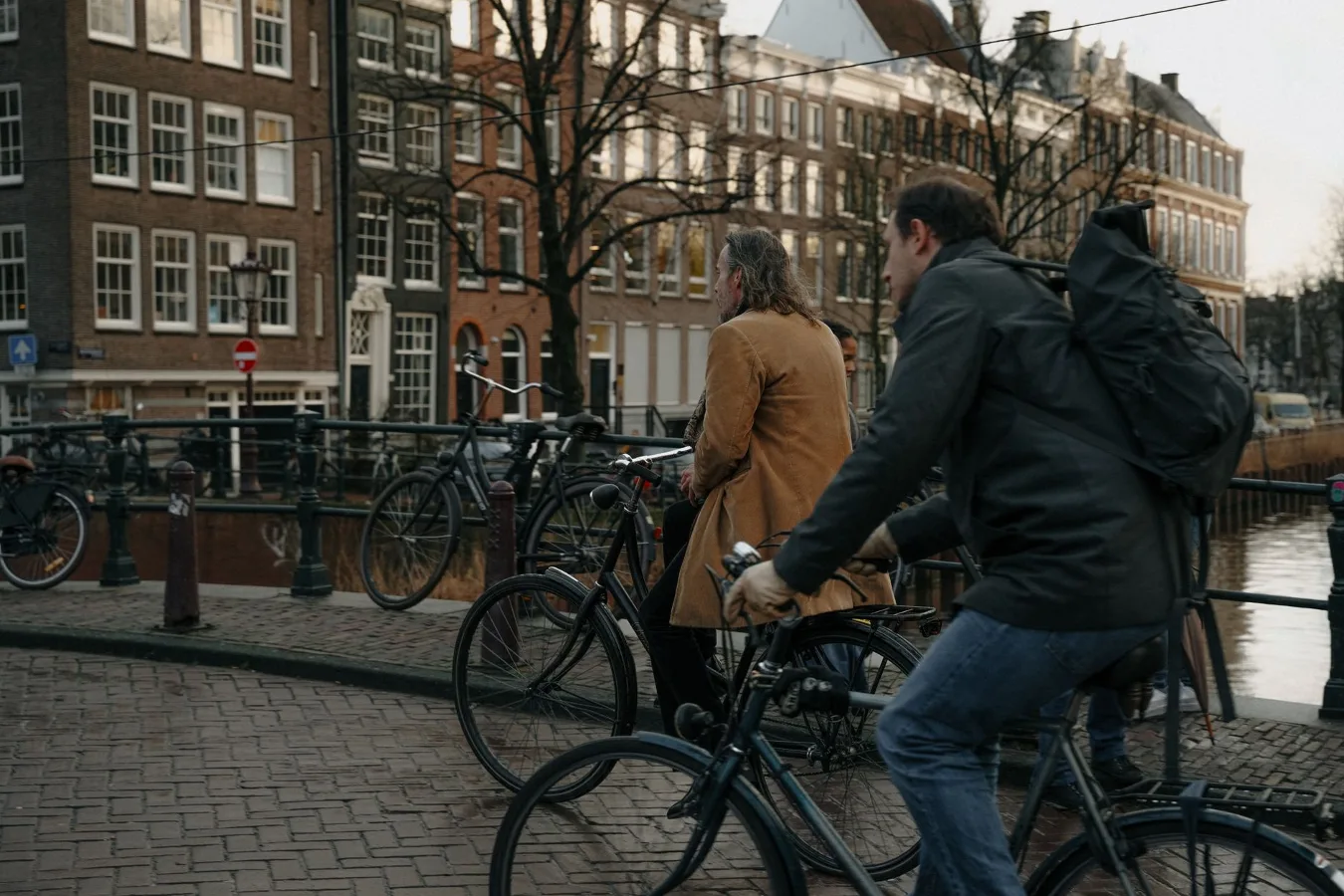
The best winter bike clothing is not one single outfit. It is a system that helps you stay warm, manage sweat, block wind, and keep enough flexibility to ride safely. For most riders, that means a moisture-wicking base layer, an insulating midlayer when needed, and an outer layer that cuts wind or sheds rain without turning into a sweat trap. this best cloths burp guide offers more detail on this point. best heated hunting clothes offers more detail on this point.
The smartest buying approach is to match clothing to your riding style, local weather, and how hard you usually ride. A fast road ride on a dry but chilly morning calls for different gear than a slow commute in damp, windy conditions. That’s the real challenge: winter cycling clothing has to perform while you are generating heat, not just while you are standing still.
What winter bike clothing needs to do
Good winter cycling apparel has to balance four jobs at once: retain warmth, move moisture away from the body, block wind or precipitation, and avoid bulky seams that interfere with pedaling. If one of those jobs is missing, comfort drops quickly.
A common misconception is that thicker always means warmer. In practice, a heavy garment can make you overheat on climbs or during hard efforts, then leave you soaked and chilled on the descent. That is why cyclists usually do better with layered clothing than with one oversized insulated piece.
The other overlooked factor is breathability. Winter rides often start cold and finish warm. If your outer layer traps too much moisture, you can feel clammy even when the temperature is low. The goal is not simply to stay dry from the outside; it is to manage the sweat you create from the inside.
Start with the layering system
For most riders, the core winter setup is built around layers rather than a single “best” product. Each layer plays a different role, and the best winter bike clothing is usually a combination that fits together well.
Base layer: manage sweat first
A winter base layer should sit close to the skin and help move moisture away from the body. Look for fabrics and constructions designed for active use rather than everyday cotton tees, which can hold moisture and make you feel cold after the effort level changes.
How much insulation you need in a base layer depends on the season and ride intensity. A light thermal base layer can be enough for many riders in dry cold weather, while a thicker one may make sense for slower rides or very low temperatures. The key is choosing a base layer that supports your pace, not just the thermometer. windproof jackets for cold rides offers more detail on this point.
Midlayer: add warmth only when needed
Not every winter ride needs a dedicated midlayer. For many cyclists, a long-sleeve thermal jersey or fleece-lined jersey fills this role. The advantage is versatility: you can add warmth without jumping straight to a heavy jacket.
The limitation is bulk. Once the midlayer gets too thick, it may restrict movement or trap more heat than you want on climbs, intervals, or stop-and-go commuting. Riders in mixed conditions often prefer a thin, adaptable midlayer they can combine with a shell.
Outer layer: control wind and precipitation
Your outer layer is where weather protection matters most. A windproof cycling jacket is useful because wind can make moderate temperatures feel much colder while you are moving. If rain, sleet, or road spray is part of the equation, water resistance becomes important too.
Not every winter jacket needs to be fully waterproof. In many cases, a water-resistant shell with good breathability is more practical for active riding, especially if your route includes hard efforts or hills. Fully waterproof gear can be valuable in steady rain, but some riders find it less comfortable during high-output rides because ventilation is limited.
Fit matters more than many riders expect
Fit is one of the biggest decision points in winter cycling clothing, and it is easy to get wrong. A piece that fits well for walking around may not work on the bike. Cycling posture changes how fabric sits across the shoulders, chest, hips, and knees.
Clothing should allow a riding position without pulling at the back or bunching in the crotch, underarms, or behind the knees. Sleeves and cuffs should stay in place, and lower hems should cover the back when you lean forward. If the fit is too loose, cold air can rush in. If it is too tight, layering becomes difficult and circulation may feel restricted.
For bib tights, the upper panel or straps can add comfort by keeping the garment stable. For jackets, a dropped tail is useful because it helps cover the lower back in a riding position. These details can matter more than flashy fabric claims.
The weather conditions should drive the purchase
One of the best ways to narrow down winter bike clothing is to start with the conditions you actually face most often.
- Cold and dry: prioritize breathable layers and wind protection.
- Cold and windy: focus on a strong outer shell and coverage for exposed skin.
- Cold and wet: water resistance, shoe protection, and moisture management become more important.
- Variable temperatures: favor modular layers you can open, remove, or pair differently.
If your climate changes during the day, versatility is often more valuable than maximum insulation. Riders who leave early, climb hard, or commute between indoor and outdoor environments need clothing that can adapt. That usually means zippers, vents, removable layers, and fabrics that dry reasonably quickly.
Clothing categories that make the biggest difference
Some winter cycling items have a bigger impact than others. If you are building a cold-weather wardrobe from scratch, it helps to prioritize the pieces that protect the most exposed areas.
Jackets and shells
A cycling-specific jacket is often the anchor piece of a winter setup. Compared with casual outerwear, it is usually shaped for a forward riding position and designed to reduce excess fabric flapping in the wind. That improves comfort and can make the garment feel less cumbersome.
Look for a jacket that balances wind protection with ventilation. Zippered openings, breathable panels, and fabric choices all affect how usable the jacket is once you start working harder. If the jacket is only comfortable while standing still, it will not serve you well on the bike.
Thermal tights and leg coverage
Legs can tolerate cold better than some other areas during sustained effort, but they still need protection. Thermal tights or bib tights are often more comfortable than trying to improvise with casual leggings or multiple thin layers.
For riders who fluctuate between cool and very cold conditions, leg warmers can be a useful alternative. They are easier to adjust than full tights, though they may leave small gaps or feel less secure depending on the design. That trade-off matters if your rides are long or the weather is unpredictable.
Gloves
Hands are one of the first places riders notice discomfort. Winter cycling gloves should provide enough insulation to stay functional at the fingers while still allowing braking, shifting, and safe handlebar control. Too much insulation can reduce dexterity, especially for riders who need precise control in traffic.
It is often worth thinking in terms of glove systems rather than one perfect pair. A lighter pair may work for crisp but dry days, while a heavier pair or lobster-style glove may be better in stronger wind or colder temperatures. The best choice depends on how much hand feel you need.
Head and neck coverage
A thermal cap, ear cover, or neck gaiter can dramatically improve comfort because a lot of heat loss happens at exposed skin. These pieces are easy to overlook, but they are among the most cost-effective upgrades for winter riding.
Unlike a jacket, these items are easy to adjust mid-ride. That flexibility makes them useful on routes with changing effort levels or variable weather. A neck gaiter can be pulled up for descents and lowered when the pace rises.
Socks, shoe covers, and footwear protection
Cold feet can ruin an otherwise good ride. Winter cycling socks help, but they are only one part of the solution. Shoe covers or overshoes add another layer by blocking wind and spray around the toes and instep, which are often the first areas to get uncomfortable.
If you ride in wet conditions, the limitation is that shoe covers can help with splash resistance but may not fully solve persistent water exposure. Fit also matters because loose covers can shift or snag, while very tight ones can be awkward to put on. For many riders, the best approach is to combine moderately warm socks with a weather-appropriate cover rather than relying on one item alone.
Comfort, safety, and visibility are part of the same decision
Winter clothing is not only about warmth. Shorter days, wet roads, and darker commutes make visibility more important. Reflective details, brighter colors, and strategically placed high-contrast panels can help you stand out without changing your entire wardrobe.
This is where many riders make a practical mistake: they choose clothing only for insulation and forget how winter conditions affect being seen. A well-designed jacket or gilet can do both jobs by providing warmth and making the rider more visible in traffic or low light.
Safety also includes preserving control. Gloves that are too bulky, pants that catch on the saddle, or jackets that ride up can all become liabilities. Winter gear should support predictable movement on the bike, not just keep you warm in a shop mirror.
What to prioritize if you commute, train, or ride casually
The best winter bike clothing depends on how you ride, not just where you live. Different riders need different trade-offs.
For commuters
Commuters usually benefit from practical, weather-resistant clothing that handles stops, starts, and unpredictable conditions. Ease of layering, quick drying, and durability matter because commuting gear often sees frequent use. If your route includes office time or indoor destinations, clothing that is easy to remove and pack is especially useful.
For road cyclists
Road riders often prioritize fit, aerodynamics, and breathability. Because effort levels can rise quickly, gear that handles sweat well is critical. A streamlined jacket, thermal jersey, and well-chosen accessories may be more useful than heavy insulation.
For mountain bikers
Trail riders may need more abrasion resistance, a slightly looser fit, and extra room for movement. Mud, spray, and variable terrain can also make water resistance and easy cleaning more relevant. Since trail speeds and stop-and-go effort can vary, adaptable layers are often the best fit.
For casual riders
Casual riders usually want the easiest path to comfort. Warmth and simplicity may matter more than highly specialized features. In that case, a solid base layer, weather-appropriate jacket, warm gloves, and insulated leg coverage can cover most situations without overcomplicating the kit.
Common mistakes when buying winter bike clothing
Several buying mistakes show up again and again.
- Buying for standing still instead of riding: gear that feels warm indoors may be too hot once you start pedaling.
- Ignoring breathability: sweat buildup can make you colder than light insulation would.
- Choosing the wrong fit: poorly placed seams or tight shoulders can become distracting on the bike.
- Overlooking extremities: hands, feet, ears, and neck often need more attention than the torso.
- Assuming waterproof equals better: some riders do better with a breathable water-resistant setup than with a fully sealed shell.
- Skipping visibility features: winter often means riding in low light, drizzle, or glare.
A useful way to avoid these mistakes is to think in layers and scenarios rather than products. Ask what happens when you start cold, warm up, stop at a light, descend a hill, or get caught in a shower. The best winter cycling clothing handles those transitions.
A simple decision framework
If you are trying to choose between several options, use the following order of priorities:
- Start with your weather: dry cold, wind, rain, or a mix of all three.
- Match your effort level: hard training needs more breathability than casual riding.
- Cover exposed areas first: hands, feet, head, and neck often need attention before you upgrade everything else.
- Check the fit on the bike: comfort while riding matters more than hanging in a closet.
- Think about flexibility: modular layers usually outperform one overly specific garment.
This framework helps you avoid buying a wardrobe that looks complete but does not work together. In winter cycling, compatibility across layers is often more valuable than having the warmest individual item.
What a strong winter cycling wardrobe usually includes
You do not need every category at once, but a reliable winter setup often includes these pieces: a moisture-wicking base layer, one insulating top layer, a wind-blocking or weather-resistant jacket, thermal tights or leg warmers, insulated gloves, warm socks, and some form of shoe and head protection. From there, riders can add visibility-focused pieces or weather-specific upgrades.
The most durable purchase strategy is to build from the center outward. Start with the layers that affect comfort on every ride, then add specialized items for rain, deeper cold, or longer commutes. That approach usually delivers better value than buying a single “all-season” item that does nothing especially well.
If you are comparing products, focus on how each one fits your climate and your riding habits. The best winter bike clothing is not the warmest outfit on paper. It is the one that keeps you comfortable enough to ride consistently through the season.