

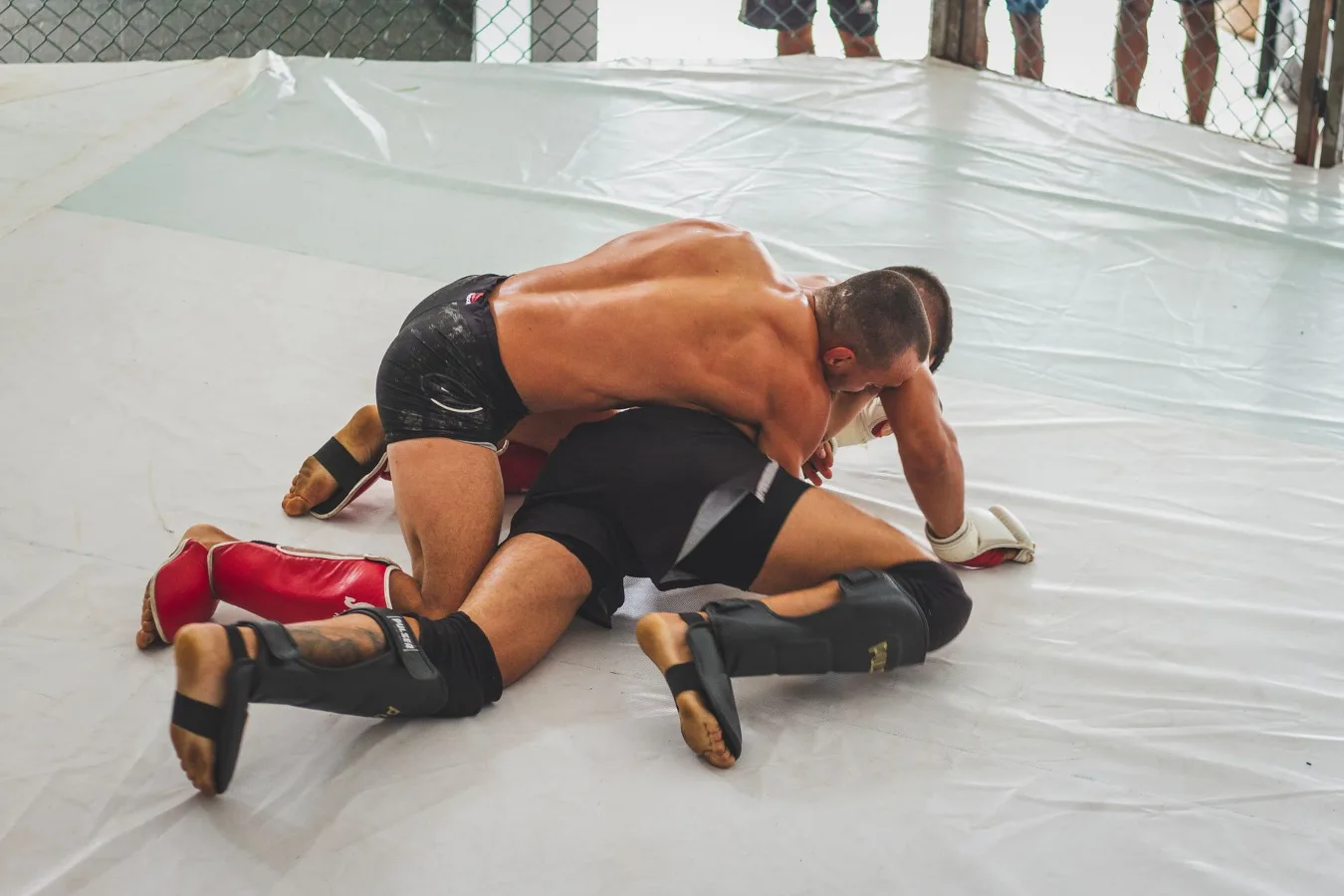
If you are shopping for top protective gear for contact sports, the best choice is not a single product or brand. It is the combination of gear that matches the sport, fits correctly, covers the body parts most exposed to impact, and still lets the athlete move, breathe, and react normally. complete guide to sports protective gear offers more detail on this point.
For most contact sports, the essentials usually start with a properly fitted helmet or head protection where required, a mouthguard, and sport-specific padding such as shoulder, chest, elbow, shin, or rib protection. The right setup depends on whether the athlete plays football, hockey, lacrosse, rugby, martial arts, wrestling, or another high-contact sport. A good buying decision balances protection, mobility, comfort, and the rules of the sport.
When protective gear matters most
Protective gear matters anytime contact is part of normal play, but the type of protection needed changes by sport and by position. A football lineman, a youth lacrosse player, and a hockey skater do not face the same risks, even if they all play contact sports.
The most useful way to think about protective gear is by impact type: direct hits to the head, collisions with other players, falls onto hard surfaces, stick or puck impacts, joint contact, and repetitive contact that can wear down the body over time. Gear should reduce risk in the areas most likely to be struck, while still allowing the athlete to move naturally enough to play well.
Another factor is the level of play. Youth athletes often need gear that emphasizes simple fit, comfort, and proper coverage, while older athletes may prioritize performance, lighter feel, or more specialized padding. In either case, the best gear is the one that is worn consistently. Uncomfortable or poorly fitted equipment tends to be loosened, adjusted, or left behind.
Step-by-step criteria for choosing the right gear
If you want a practical way to narrow the options, use the order below. It works well for most contact sports and helps prevent buying gear that looks protective but does not actually suit the athlete.
1. Start with the rules of the sport
Some sports require specific protective equipment, and league rules may define what is allowed. For example, helmets, face protection, mouthguards, or certain padding may be mandatory in one league and optional in another. If the gear does not meet the rules, it is not a real option, no matter how comfortable or well reviewed it seems.
2. Match the gear to the main impact zones
Each sport puts pressure on different parts of the body. Football often centers on head, shoulder, and rib protection. Hockey adds concern for head, face, teeth, chest, and hands. Martial arts may rely more on mouthguards, gloves, shin guards, groin protection, and foot protection. Rugby and lacrosse can require a mix of padding, mouth protection, and headgear depending on the level of play.
Do not buy gear only because it is labeled “protective.” Ask what it is designed to protect, and whether that matches the athlete’s actual exposure.
3. Fit should come before extra features
Protection drops quickly when gear shifts, gaps, or rides up during movement. A helmet that is too loose, shin guards that slide, or shoulder pads that sit awkwardly can all reduce protection and distract the athlete.
Look for coverage that stays in place during running, turning, bending, and contact. The best gear feels secure without creating pressure points. If the athlete is constantly adjusting it, the fit is probably wrong.
4. Balance protection with mobility
Heavier padding may sound safer, but more bulk is not always better. Overbuilt gear can limit speed, range of motion, and reaction time. That matters in contact sports because athletes still need to move, brace, and protect themselves during play.
A useful test is whether the athlete can perform normal sport movements without fighting the gear. If shoulder pads affect arm swing too much, or if a chest protector makes breathing feel restricted, the gear may not be practical even if the padding looks substantial.
5. Check comfort and heat management
Comfort is not a luxury feature. It affects whether gear stays on, whether the athlete can focus, and whether the equipment will be used properly. Ventilation, lining feel, weight distribution, and strap placement all influence comfort.
Heat and sweat management matter especially in U.S. climates where practices and games may happen in warm weather or indoors with limited airflow. Discomfort can make athletes loosen straps or remove gear between drills, which can undermine safety.
6. Think about maintenance and replacement
Some protective gear needs regular cleaning, airing out, or inspection for cracks, broken straps, flattened padding, or worn closures. Gear that is difficult to maintain often declines in performance faster than expected.
Replacement timing matters too. A mouthguard that no longer fits properly, padding that stays compressed, or a helmet with visible damage should not be treated as if it is still fully protective. The exact replacement schedule depends on the product and use level, but wear and damage should always matter more than appearance.
Common categories of protective gear and what they do
Not every athlete needs every item, but understanding the main categories helps you build a sensible setup instead of buying randomly.
Head protection
Helmets and soft headgear are designed for different kinds of risk. Helmets are central in sports with hard collision risk, while soft headgear may help with abrasions or reduce minor impact exposure in some sports. A common misconception is that all headgear protects the same way. It does not. The design, sport, and fit matter far more than the label.
If head protection is part of the sport, coverage around the temples, back of the head, and chin area deserves close attention. The helmet or headgear should sit securely and remain stable through movement.
Mouth protection
Mouthguards are one of the simplest pieces of protective gear, but they play a major role in many contact sports. They help protect teeth, lips, and soft tissue and can improve confidence during play because the athlete is less worried about direct mouth impact.
The main buying choice is usually between a basic boil-and-bite style, a more custom fit, and thicker or thinner options depending on comfort and speech. The best mouthguard is the one the athlete will actually wear consistently.
Upper-body padding
Shoulder pads, chest protectors, rib guards, and elbow pads are common in sports where body contact and falls are routine. These items often matter most for athletes who are frequently hit, block, tackle, or fall onto a hard surface.
The key trade-off is coverage versus freedom of movement. More coverage can mean more weight and bulk. Less bulk can improve agility but may leave gaps in protection. The right choice depends on the sport, position, and level of contact.
Lower-body protection
Shin guards, knee pads, thigh padding, and groin protection are often overlooked until an athlete has a painful impact. In many sports, lower-body protection is especially useful because legs are exposed during tackles, slides, kicks, blocks, and collisions.
Pay close attention to how the gear stays in place. Lower-body protection that twists or slides is a common frustration and can create exposed areas at exactly the wrong moment.
Hand and wrist protection
Gloves and wrist support are sport-dependent. In some sports, gloves protect against abrasion, stick contact, or cold conditions; in others, they improve grip and confidence. Wrist protection can matter in sports with falls, grappling, or repeated hand contact.
Do not assume thicker gloves are always safer. Grip, dexterity, and the ability to control equipment are part of safety too.
Examples of how gear choices change by sport
The “top” protective gear looks different depending on the game. Here are a few practical examples of how athletes might think through the decision.
- Football: Helmets, mouthguards, shoulder pads, and position-specific padding are usually the core considerations.
- Ice hockey: Helmet fit, face protection, mouthguards, shoulder pads, elbow pads, gloves, and shin guards often matter together.
- Lacrosse: Helmets or headgear, mouthguards, gloves, arm protection, shoulder protection, and shin protection may all come into play.
- Rugby: Mouthguards are essential, and some players choose lightweight padded gear for added protection without too much restriction.
- Martial arts and combat sports: Mouthguards, gloves, headgear where permitted, shin guards, groin protection, and chest protection may be relevant depending on rules and style.
These examples show why shopping by category alone can be misleading. Two athletes may both need “protective gear,” but one may prioritize head protection while another needs mobility and joint coverage more than thick padding.
A practical checklist before you buy
Use this checklist to avoid the most common mistakes when choosing protective gear for contact sports.
- Confirm league or sport rules for required equipment.
- Identify the body parts most exposed to impact.
- Choose the right size and make sure the fit stays stable during movement.
- Check that the gear allows breathing, vision, and normal motion.
- Look for padding and coverage that match the level of contact.
- Make sure the athlete can put it on and adjust it without frustration.
- Consider cleaning, drying, and storage needs after practices and games.
- Inspect closures, straps, shells, and padding regularly for wear.
- Avoid buying for looks or brand reputation alone.
- Replace damaged or badly worn gear promptly.
Overlooked details that affect real-world protection
One overlooked detail is how gear interacts with the rest of the uniform and equipment. A shoulder pad that seems fine on its own may feel awkward under a jersey. Shin guards can shift if socks or straps are not compatible. A helmet can feel secure at first but become uncomfortable once face protection, chin straps, or hair volume are added. These small issues often determine whether gear is worn correctly over time.
Another common misconception is that the thickest option is automatically the safest. In practice, protection depends on coverage, placement, retention, and whether the athlete can keep the gear on properly through the full activity. A well-fitted medium-weight option can be more useful than a bulky piece that never sits correctly.
There is also a practical constraint many buyers face: protective gear must fit the athlete they have now, not the athlete they hope will grow into it later. Buying too large can reduce coverage and comfort right away. For growing youth athletes, it is usually better to choose a proper fit and plan for reassessment as the season or body size changes.
How to compare options without getting overwhelmed
If you are looking at multiple products, compare them in this order rather than by marketing claims:
- Protection category: Does it address the right risk for the sport?
- Fit and sizing: Can it stay secure during real movement?
- Comfort: Will the athlete tolerate it for full practices and games?
- Mobility: Does it preserve the motion needed for play?
- Maintenance: Is it easy to clean, dry, and inspect?
- Durability: Does the construction appear suited to repeated contact and regular use?
This approach keeps the decision grounded in function. It also helps separate genuinely useful gear from options that look more advanced than they are.
When to choose a simpler alternative
Not every situation calls for the most complex or heavily padded option. Some athletes do better with simpler gear that is easier to wear consistently. For example, a lighter mouthguard may be worn more reliably than a bulky one. A streamlined pad setup may be more useful than a highly padded option that restricts movement or overheats too quickly.
Simple gear is often a better fit for beginners, younger athletes, or players in lower-contact versions of a sport. The point is not to minimize safety. It is to choose the level of protection that fits the real demands of the activity without creating new problems.
FAQ
What is the most important protective gear for contact sports?
That depends on the sport, but head protection, mouthguards, and sport-specific padding are usually the first items to evaluate. The right priority is the gear that protects the body parts most at risk in that particular game.
How do I know if protective gear fits correctly?
It should stay secure during movement, not create painful pressure points, and not shift enough to leave exposed areas. If the athlete is constantly adjusting it, the fit likely needs work.
Is more padding always better?
No. More padding can add bulk, heat, and restriction. The best gear balances protection with mobility, comfort, and consistent wear.
Should youth athletes wear the same type of gear as adults?
Not necessarily. Youth athletes often need simpler sizing, easier fit, and equipment that matches league rules and current body size. Adult gear may not fit or function properly on younger players.
How often should protective gear be checked?
It is smart to inspect gear regularly, especially before practices and games. Look for wear, damage, loose straps, flattened padding, and any fit issues that could reduce protection.
Choosing gear that athletes will actually use
The best protective gear for contact sports is the gear that protects the right areas, fits well, and can be worn without constant discomfort or adjustment. That usually means starting with the sport’s rules, identifying the main impact zones, and then comparing options based on fit, mobility, comfort, and maintenance rather than on appearance alone.
If you keep the athlete’s actual playing conditions in mind, you will make a better choice. Good protective gear should feel like part of the game, not an obstacle to it.