

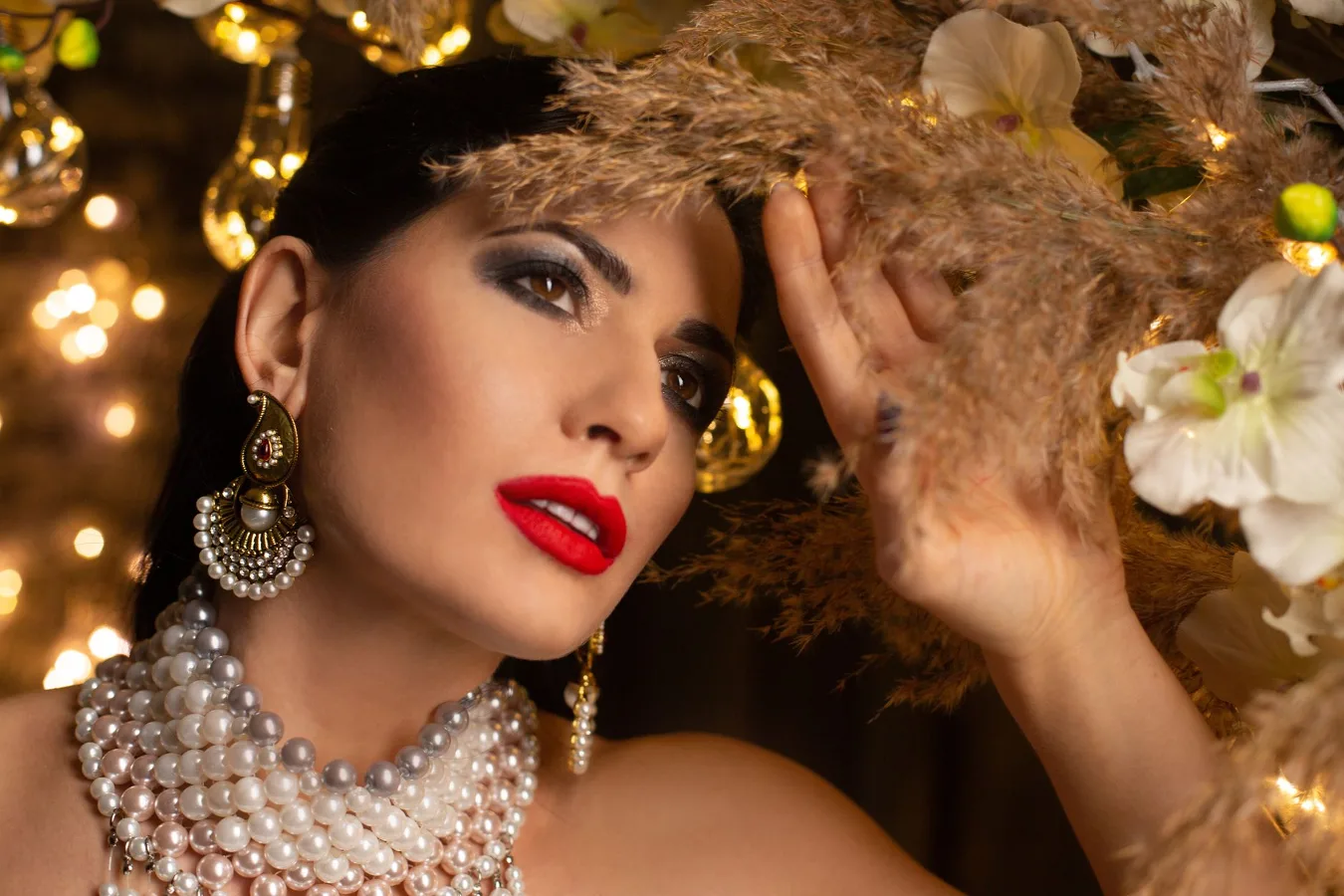
Jewelry for fashion-forward looks should do more than add shine. The best pieces help define the outfit’s mood, create contrast, and make even simple clothing feel intentional. That does not always mean going bigger or trendier. Often, the most effective choice is the piece that balances proportion, texture, and finish. complete guide to fashion jewelry repair offers more detail on this point.
If you are building outfits for a style-conscious wardrobe, think of jewelry as the final layer that can soften tailoring, sharpen minimal basics, or add tension to romantic pieces. The goal is not to wear every trend at once. It is to choose jewelry that supports the look you want to project.
When fashion-forward jewelry matters most
Jewelry matters most when the clothing itself leaves room for a styling decision. A plain knit, a blazer, a slip dress, or a crisp shirt can all change character with the right accessory. That is why fashion-forward jewelry is often less about the jewelry in isolation and more about how it interacts with the outfit.
There are also moments when jewelry becomes the main style statement rather than a finishing touch. This is common with monochrome dressing, minimalist silhouettes, and neutral color palettes. In those cases, the jewelry needs enough presence to feel deliberate, but not so much that it overwhelms the clothes.
Outfits that benefit from a stronger jewelry choice
- Simple tees and tailored trousers
- Monochrome dresses or separates
- Blazers worn without much visible neckline detail
- Basic knitwear that needs texture or shine
- Evening outfits that look too plain without contrast
How to choose jewelry that feels current without looking forced
The most wearable fashion-forward jewelry usually shares a few qualities: a clear shape, a noticeable finish, and enough restraint to avoid looking costume-like. The strongest pieces often feel modern because they are cleanly designed, not because they chase every trend.
A useful way to decide is to start with the outfit’s structure. Does the clothing already have volume, print, embellishment, or a strong neckline? If so, jewelry should usually be more controlled. If the outfit is streamlined or sparse, the jewelry can carry more of the visual weight.
Step-by-step criteria for choosing the right piece
- Look at the neckline. A crew neck, V-neck, strapless cut, and high collar each call for different proportions.
- Check the garment details. Buttons, ruffles, hardware, and print all affect how much jewelry is needed.
- Decide on the focal point. Let either the jewelry or the clothing lead, rather than competing for attention.
- Match the finish to the mood. Polished metal feels sharper, while matte, brushed, or textured surfaces feel more relaxed.
- Test the balance from a distance. Step back and see whether the piece reads as intentional or distracting.
Jewelry dimensions that really affect the result
Several practical details shape whether jewelry feels fashion-forward or simply busy. These are easy to overlook, especially when a piece looks appealing on its own.
Proportion and scale
Scale affects how the jewelry reads against your features and clothing. Oversized earrings can transform a plain outfit, but they may feel too heavy with an already dramatic neckline. Delicate pieces can be elegant, though they may disappear if the outfit is visually strong. The best choice is usually the one that creates contrast without losing clarity.
Finish and texture
High-shine metals look more polished and editorial, while textured or brushed finishes often feel softer and less formal. Mixed textures can make an outfit more interesting, but only if the rest of the styling stays controlled. Too many competing surfaces can make the whole look feel scattered.
Metal tone
Gold, silver, and rose-toned metals all work in fashion-forward styling, but the right one depends on the palette you are building. A single metal can create a cleaner line, while mixed metals can feel more current and flexible. The common misconception is that mixed metals are always more stylish. In practice, they work best when there is a visible reason for the blend, such as layered pieces or a repeating detail across the look.
Comfort and wearability
Style matters, but comfort determines whether jewelry is practical enough to wear confidently. Heavy earrings, sharp edges, stiff cuffs, or rings that limit hand movement can make an otherwise great piece less useful. If a design is difficult to wear, it will often stay in the jewelry box rather than becoming part of your regular rotation.
Outfit pairings that feel especially current
Fashion-forward jewelry does not need to be loud. The most effective pairings often rely on contrast: minimal clothes with a striking accessory, or expressive clothing with a more disciplined piece.
Minimal wardrobe, stronger jewelry
If your wardrobe leans neutral, tailored, or understated, jewelry can supply the personality. Chunky chain necklaces, sculptural earrings, and stackable rings can make the look feel finished without relying on prints or bright colors. The key is choosing one dominant idea rather than layering multiple bold statements at once.
Tailoring, softened or sharpened
A blazer or structured shirt can go in either direction. Sleek hoops and slim chains keep the look crisp, while a more sculptural piece introduces fashion tension. That tension is often what makes the outfit feel styled rather than simply dressed.
Romantic pieces, made modern
Lace, satin, ruffles, and flowing shapes can feel overly sweet if paired with jewelry that is too delicate. A clean geometric earring or a substantial ring can offset that softness and make the look feel more contemporary.
Denim and casual staples
Casual outfits are one of the easiest places to use jewelry well. A clean T-shirt and denim can handle a statement earring, layered necklaces, or a stack of rings because the clothing is not asking for visual attention. This is one of the most practical ways to make everyday outfits feel more fashion-aware.
Examples of jewelry directions that work well
The right direction depends on the style you want to project. These examples are not rules, but they can help you narrow your choices.
- Modern minimal: slim hoops, fine chains, clean rings, and one polished focal point.
- Editorial contrast: a simple outfit with one sculptural or oversized piece.
- Layered casual: multiple chains in varied lengths, paired with subtle earrings.
- Soft glam: luminous finishes, slightly rounded shapes, and coordinated metal tones.
- Trend-forward polish: chunky links, ear cuffs, or stacked rings used with restraint.
These directions can be mixed, but the look usually works best when one theme leads. For example, layered necklaces and statement earrings can coexist, but only if both are relatively controlled. If everything is bold, nothing feels purposeful.
A simple checklist before you finish the look
Before leaving the mirror, run through a quick styling check. This helps separate polished fashion-forward dressing from accidental over-accessorizing.
- Does the jewelry support the outfit’s mood?
- Is there one clear focal point?
- Do the metal tones work together on purpose?
- Is the scale balanced with the neckline and silhouette?
- Can you move comfortably without adjusting the piece constantly?
- Does the jewelry still look good when seen from a few feet away?
Common mistakes that make jewelry look less intentional
One of the easiest mistakes is trying to make every part of the outfit interesting at the same time. If the clothing is already patterned, textured, or embellished, the jewelry often needs to be simpler. Otherwise, the result can feel crowded rather than fashion-forward.
Another common issue is mismatched scale. Small earrings with a dramatic collar may disappear, while oversized pieces with already statement-heavy clothing can look overworked. A third mistake is treating trends as a checklist. Fashion-forward style usually looks strongest when trend elements are edited through personal taste.
A more subtle problem is neglecting finish. Jewelry with different levels of shine, texture, and polish can absolutely be combined, but random combinations can feel accidental. A deliberate contrast is different from visual noise.
Practical alternatives if statement jewelry feels like too much
Not every fashion-forward look needs a bold piece. If large earrings or chunky chains feel too assertive, there are quieter ways to create the same effect.
- Choose one sculptural ring instead of several dramatic pieces.
- Use a fine layered necklace arrangement with varied lengths.
- Try a single ear cuff or a modern hoop shape.
- Mix one textured piece with otherwise minimal jewelry.
- Let metal finish do the work rather than size alone.
These alternatives are especially useful if you want to look current but still keep your style flexible for work, travel, or daily wear. They also tend to be easier to pair with multiple outfits.
How to build a jewelry wardrobe for fashion-forward looks
A practical jewelry collection does not need to be large. It needs a few pieces that cover different styling jobs. That usually means having some everyday options, one or two stronger statement pieces, and at least one versatile layerable item.
Look for pieces that can move across outfits instead of living in one narrow category. A clean hoop, a chain necklace with presence, a ring with shape, and a subtle accent piece can often do more work than a drawer full of one-off trends.
For a fashion-forward wardrobe, versatility is often more valuable than novelty. Pieces that can be repeated in different ways tend to create a more coherent personal style than accessories that only work once.
What to remember before you buy or style
Fashion-forward jewelry works best when it solves a styling problem. It can add structure to a soft outfit, energy to a simple one, or balance to a more dramatic look. The strongest choices are usually the ones that respect proportion, coordinate with the outfit’s mood, and stay wearable enough to use often.
If you want your jewelry to look current without feeling overdone, start with the clothing, decide where the visual focus should sit, and then choose one clear direction. That approach is far more reliable than chasing every trend at once.