

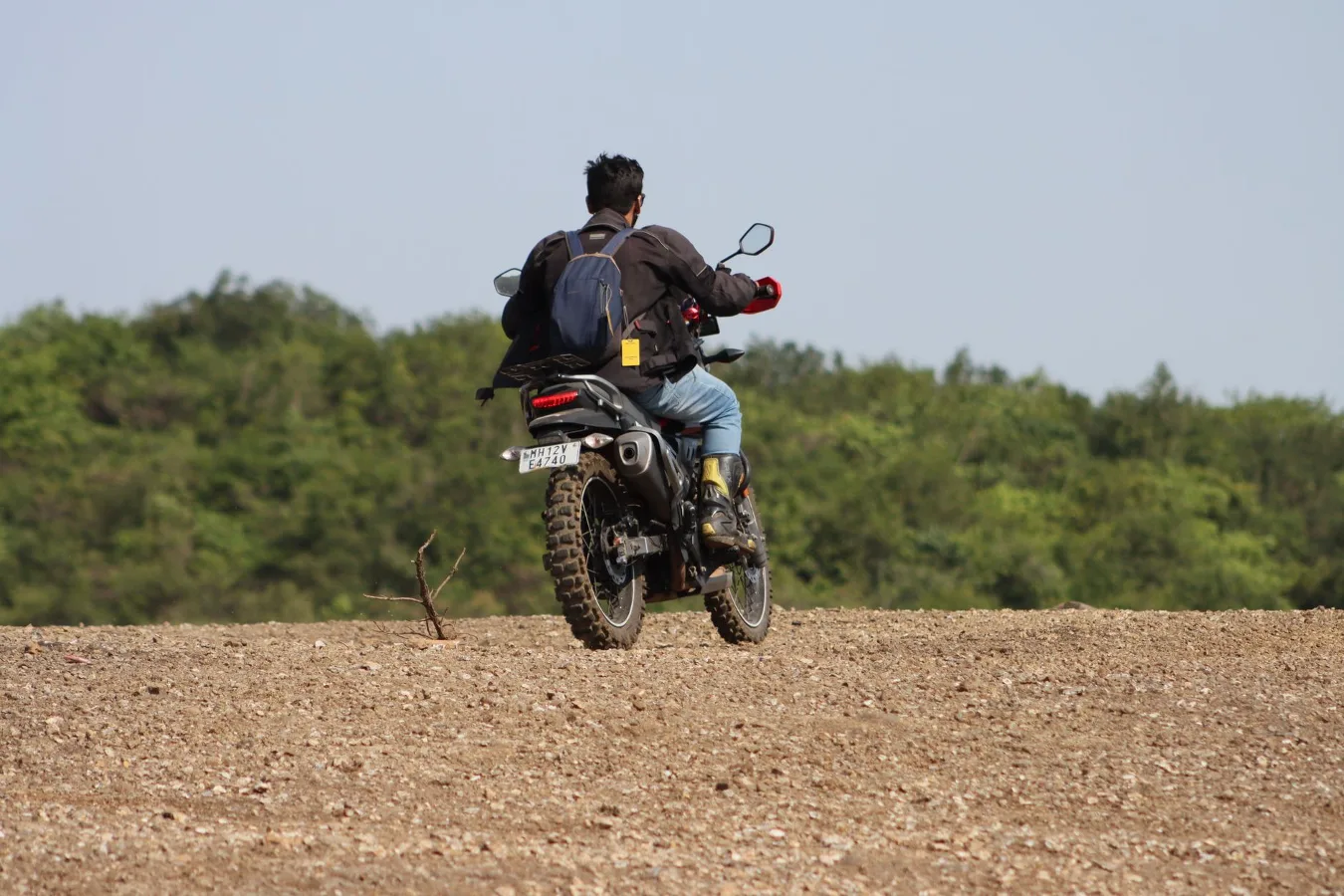
Dual sport riding gear is built for riders who split time between pavement and dirt, often in changing weather and on long, stop-and-go routes. The best setup balances protection, ventilation, mobility, and weather resistance without feeling bulky when you stand on the pegs or move around off-road. top protective gear for contact sports offers more detail on this point.
If you are shopping for dual sport riding gear, start with the ride you actually do most often. A rider who spends more time on highways needs different priorities than someone riding fire roads, gravel, or technical trails. The right gear is usually the one that fits your body, matches your climate, and stays comfortable enough that you will wear it consistently.
What dual sport riding gear should do
Dual sport gear sits between street riding apparel and off-road equipment. That means it needs to offer real motorcycle protection while still allowing enough freedom of movement for standing, shifting weight, and dealing with uneven terrain.
At a minimum, look for gear that supports these needs:
- Impact and abrasion protection: Jackets, pants, gloves, and boots should be designed for motorcycle use, not just outdoor recreation.
- Mobility: You should be able to move naturally on the bike, especially when standing or reaching for controls.
- Ventilation or layering potential: Dual sport rides can start cold and end hot, or vice versa.
- Weather adaptability: Water resistance, removable liners, or room for base layers can make a big difference.
- Durability: Gear has to handle dust, brush, weather, and frequent use.
A common misconception is that dual sport gear must look rugged or heavy to be protective. In practice, many riders do better with gear that is thoughtfully engineered rather than oversized. Excess bulk can reduce comfort and make movement awkward, which is a problem if you ride longer distances or switch between seated and standing positions often.
The most important buying factors
Fit and mobility
Fit is the first filter because even the most protective gear fails if it rides up, pinches, or restricts movement. Dual sport gear should fit securely without feeling tight through the shoulders, elbows, knees, or inseam. Pay attention to how the piece feels in riding posture, not just standing in front of a mirror.
For jackets, check whether the sleeves stay long enough when you reach forward. For pants, make sure knee armor stays aligned when seated and does not shift when you stand. Boots should give ankle support without making it hard to shift or brake precisely. Gloves need enough dexterity for switches, levers, and phone or GPS use when stopped.
One overlooked detail is how gear behaves after several hours. Something that feels fine for a short fitting may become tiring if the collar rubs, the waist cinches too hard, or the knee armor drifts out of place. Long-ride comfort matters as much as protection.
Protection where it counts
Dual sport riders often focus on jackets and pants, but protection should be considered as a system. The most useful setup usually includes a motorcycle-rated jacket, matching pants or riding jeans with reinforcement, gloves designed for riding, and boots that cover and support the ankle.
Armor placement matters just as much as the presence of armor. Elbow, shoulder, knee, and hip protection should sit where your body needs it in a riding position. Removable armor can be useful for washing and customization, but only if it stays positioned correctly when installed.
Back protection, chest protection, and reinforced impact zones may be worth considering for riders who spend more time off-road or on fast gravel. The right level depends on exposure, terrain, and personal comfort with added bulk.
Ventilation and weather handling
Dual sport riding rarely happens in a controlled environment. Temperature changes, elevation shifts, and sudden rain are all part of the experience. That is why airflow and weather management deserve serious attention.
In warm weather, large vents, breathable fabrics, and mesh panels can improve comfort, but they may reduce weather resistance. In cooler or mixed conditions, removable liners, softshell construction, or room for insulating layers can be more practical. Waterproof gear can be useful, but riders should think about whether they prefer built-in waterproofing or a separate rain layer.
There is a trade-off here: more weather protection often means less airflow. For many riders, modular gear works best because it can adapt across seasons, even if it requires a little more setup.
Materials and construction
Materials tell you a lot about how a piece of gear is likely to behave. Abrasion-resistant textiles, leather reinforcements, stretch panels, and reinforced seams are all relevant in dual sport riding. Look for construction that matches how the gear will be used, not just how it looks.
Stretch zones can improve comfort and movement, especially around the knees, shoulders, and back of the legs. Reinforced panels in high-wear areas can help gear hold up under frequent use. If you ride in dusty or muddy conditions, ease of cleaning also becomes part of durability.
A practical nuance: lighter gear is not automatically less protective, and heavier gear is not automatically better. What matters is how the material package is designed and whether it supports your riding style.
Boots and gloves deserve extra attention
Riders sometimes spend heavily on a jacket and pants while choosing boots or gloves too casually. That can leave gaps in comfort and safety. For dual sport use, boots should offer traction off the bike, a stable sole, shin or ankle coverage as appropriate, and enough flexibility for walking short distances.
Gloves should match the season and the route. Some riders prefer a more protective street-style glove for road-heavy rides, while others want a lighter off-road feel with enough coverage for falls and brush. The best choice is the one you will actually keep on throughout the ride.
Comparing the main dual sport gear setups
There is no single ideal package for every rider. Instead, dual sport gear usually falls into a few practical setups, each with its own trade-offs.
| Setup | Best for | Strengths | Trade-offs |
|---|---|---|---|
| Adventure-style textile gear | Mixed pavement, dirt roads, and changing weather | Versatile, usually weather-adaptable, comfortable for long days | Can feel warm or bulky in hot weather |
| Motocross-crossover gear | More off-road focus with occasional pavement | Light, mobile, good for standing and active riding | Often less weather protection and highway comfort |
| Street-focused protective gear | Road-heavy dual sport use | Better highway comfort, abrasion protection, and all-day wearability | Can be less breathable or less forgiving off-road |
| Layered modular setup | Riders who face variable climate and route types | Flexible across seasons, easier to adapt | Requires more planning and gear management |
For many riders, the layered modular approach is the most practical. It lets you adjust to heat, rain, and cold without owning a different outfit for every season. The downside is that it can feel less simple, especially for newer riders who want one setup and one routine.
Mistakes to avoid when buying dual sport riding gear
- Choosing for appearance first: A rugged look does not guarantee practical fit, ventilation, or protection.
- Ignoring riding posture: Gear should feel right seated and standing, not only while standing still.
- Buying too much bulk: Oversized gear can interfere with movement and make long rides tiring.
- Overlooking boots and gloves: These pieces are easy to underbuy and hard to replace once discomfort shows up.
- Assuming waterproof means comfortable: Built-in weather protection can reduce airflow, especially in warm climates.
- Skipping compatibility checks: Armor position, jacket-to-pant connection, and layering space all affect real-world use.
- Forgetting maintenance needs: Mud, dust, sweat, and rain all make cleaning and drying important parts of ownership.
Another common mistake is buying one setup for every ride and every season. That can work for some riders in mild climates, but many people end up either overheating or sacrificing comfort because the gear is trying to do too much at once.
How to narrow the right choice for your riding style
The best dual sport gear depends on how you ride most of the time. Use your actual riding pattern as the deciding factor.
- Mostly pavement with occasional dirt: Lean toward street-leaning protective gear with enough flexibility for standing briefly and handling rough roads.
- Equal road and trail time: Look for balanced adventure gear with good ventilation, weather handling, and durable reinforcements.
- Mostly dirt and technical terrain: Prioritize mobility, airflow, and off-road freedom, then add road-appropriate protection where needed.
- Long-distance mixed riding: Focus on comfort, layering space, weather management, and gear that stays usable hour after hour.
If you ride in the United States across different regions, climate should influence the decision as much as terrain. A rider in a hot, humid area may value airflow and moisture management more than built-in insulation. A rider facing spring and fall variability may want a more modular setup with removable liners and room for base layers.
What to look for before you check out
Before buying, use a short decision checklist to avoid expensive returns or disappointing gear:
- Does it fit your riding position comfortably?
- Does the armor sit in the right place?
- Can you move freely while seated and standing?
- Is the ventilation adequate for your climate?
- Will it handle rain, dust, or cold as needed?
- Does it work with your boots, gloves, and base layers?
- Can you clean and maintain it without much hassle?
- Does it match the majority of your rides, not just the ideal scenario?
This is where many buyers save money in the long run. A piece of gear that fits your real use case usually lasts longer in practice because you wear it more often, take better care of it, and are less tempted to replace it quickly.
Choosing gear that stays useful over time
Dual sport riding gear should not feel like a compromise you tolerate. It should support confidence, reduce fatigue, and make mixed-surface riding more practical. The best options are usually the ones that are adaptable rather than overly specialized.
If you are comparing products, give extra weight to fit, mobility, weather adaptability, and the quality of the protection package. Then narrow the field by considering your climate, route types, and how much maintenance you are willing to do. That approach is more reliable than choosing by style alone.
For riders building out a full setup, it can also help to think of dual sport riding gear as a system: jacket, pants, boots, gloves, helmet, and layers working together. Each piece matters, but the overall combination is what determines comfort and usefulness on the road and off it.