

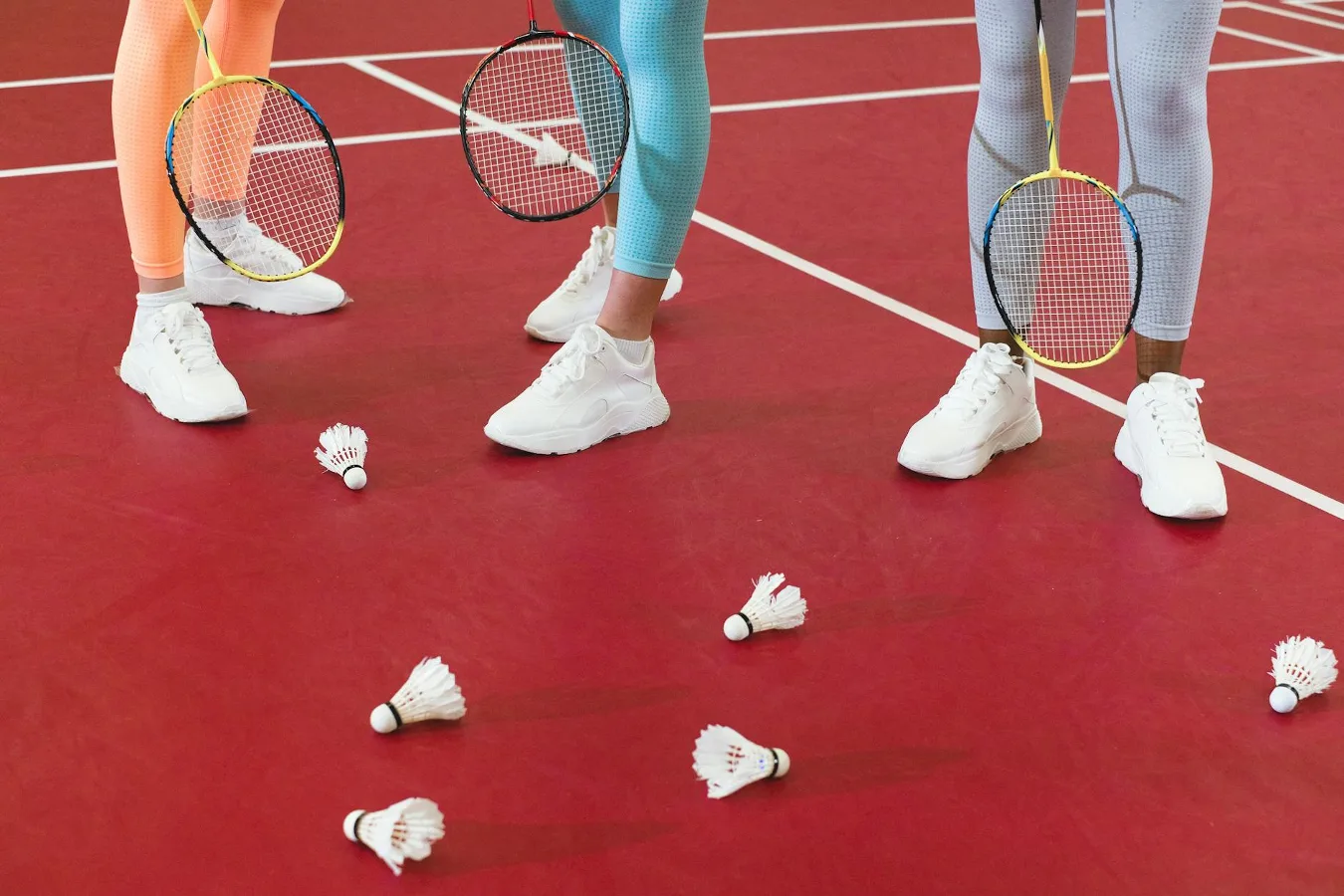
Badminton shoes are designed for one job: helping you move quickly, stop confidently, and change direction without feeling unstable on indoor courts. If you play badminton regularly, choosing the right pair matters more than most buyers realize, because a shoe that works for walking or gym training may feel awkward, slippery, or too soft during fast lateral movement. indoor court shoes offers more detail on this point. lateral support for side-to-side movement offers more detail on this point.
The best badminton shoes usually balance grip, support, lightweight feel, and enough cushioning to handle repeated jumps and lunges. The right pair depends on your playing level, foot shape, court surface, and how much stability you want versus how much speed and flexibility you prefer.
When badminton shoes matter most
Badminton shoes become especially important once you move beyond casual recreational play. The sport asks a lot from your feet: quick shuffles, sudden stops, split steps, lunges, and explosive recovery steps. That creates different needs from running, walking, or general cross-training. silver shoes.com offers more detail on this point.
They matter most if you:
- play on indoor courts regularly
- make frequent side-to-side movements
- need better traction than standard sneakers provide
- want more stable landings after jumps
- experience foot fatigue or sliding in general athletic shoes
A common misconception is that any lightweight sneaker can substitute for a court shoe. The problem is that many everyday athletic shoes are built for forward motion, not the braking and twisting that happen in badminton. That can lead to poor grip, excess foot movement inside the shoe, and a less secure feel during rallies.
What to look for before buying
Grip and outsole design
Traction is one of the first things to evaluate. Badminton shoes typically use non-marking rubber outsoles designed for indoor courts. The exact tread pattern varies, but the goal is the same: help you start, stop, and pivot with confidence without leaving marks on the floor.
Look for a sole that gives you a controlled, planted feel rather than a sticky sensation that makes turning awkward. Too much grip can make footwork feel rigid, while too little grip can cause slipping during fast directional changes.
Lateral support
Badminton is much more side-to-side than straight-line running, so lateral support matters more than many buyers expect. A shoe with supportive sidewalls, a stable base, and a secure upper helps reduce foot roll when you move aggressively toward the net or recover from a wide lunge.
If your feet tend to slide inside the shoe during quick movements, the shoe may feel faster than it actually is. Secure support often matters more than saving a small amount of weight.
Cushioning and court feel
Cushioning should absorb impact without making the shoe feel vague or unstable. More cushioning can be helpful if you play often, jump frequently, or want a softer landing. A lower, firmer feel may suit players who want sharper court feedback and quicker transitions.
The trade-off is straightforward: more cushioning can improve comfort, but too much can reduce stability. Less cushioning can improve responsiveness, but may feel harsher over time. The best choice depends on your body, playing style, and tolerance for impact.
Fit and toe room
Fit is one of the most important buying factors, and it is where many buyers make mistakes. A badminton shoe should feel snug through the midfoot and heel, with enough space in the toe area to avoid banging the front during lunges or sudden stops.
A shoe that is too tight can create hot spots, pressure, and reduced comfort during longer sessions. A shoe that is too loose can increase internal movement, which may reduce stability and make footwork feel less precise.
Pay close attention to:
- heel lock
- midfoot security
- toe box width
- length room for quick stops
- overall volume if you have high arches or a fuller foot
Breathability and upper construction
Badminton can be intense, so breathability is worth considering. Mesh panels and lighter upper materials can help manage heat during long sessions. At the same time, an upper that is too soft or sparse may not hold the foot securely enough.
This is a useful trade-off to weigh: lighter materials often improve comfort and ventilation, but more structured uppers usually deliver better support and durability in high-wear zones.
Durability and wear patterns
Durability depends heavily on how often you play, how aggressively you move, and the court surface. The highest-wear areas are usually the toe, forefoot, and outer edges of the sole, especially if you drag your feet during lunges or recoveries.
For many players, durability is less about ruggedness overall and more about whether the shoe holds its shape and traction over time. A shoe that feels excellent on day one but collapses too quickly can be a poor value if you play frequently.
Step-by-step way to choose badminton shoes
1. Start with your playing environment
Badminton shoes are intended for indoor courts. If you mainly play on wood, synthetic sport flooring, or multi-use gym surfaces, you need a non-marking outsole with reliable grip. If you occasionally move between surfaces, a court shoe still makes more sense than a running shoe because it is built for lateral movement.
2. Match the shoe to your movement style
Players who like fast, aggressive footwork often prefer a lighter, more responsive shoe with a lower profile. Players who want more comfort, joint-friendly cushioning, or added stability may prefer a slightly more structured model.
If your movement is compact and quick, prioritize court feel and traction. If you rely on lunges, jump smashes, or long sessions, put more weight on support and cushioning.
3. Decide how much support you need
Support needs vary by foot shape, skill level, and how hard you play. Some players like a close, performance-oriented fit; others need a wider base or more room in the forefoot. If you have a history of foot discomfort, pay attention to arch feel, heel security, and how the upper holds the midfoot.
A supportive shoe should feel controlled without feeling restrictive. If it creates pressure points or locks the foot in an unnatural way, it may not be the right match.
4. Check for practical comfort, not just specs
Specifications only tell part of the story. A shoe can be lightweight on paper and still feel tiring if the fit is poor or the cushioning does not suit your body. Comfort in badminton shoes should include how easily you can start, stop, and recover without thinking about the shoe.
Ask yourself whether the shoe feels secure during quick direction changes, whether your toes have enough room, and whether the midfoot feels held in place without pinching.
5. Think about frequency and long-term value
If you play once in a while, a simpler pair that fits well may be enough. If you play multiple times per week, it often makes sense to look more closely at support, outsole wear, and upper durability. The most expensive option is not always the best value, especially if your feet prefer a different shape or level of cushioning.
Examples of common buyer priorities
For the speed-focused player
If you care most about fast reactions and quick transitions, look for a lighter shoe with strong traction and a snug fit. The main benefit is responsiveness; the trade-off is usually less plush cushioning.
For the comfort-focused player
If your sessions are longer or your feet prefer a softer landing, prioritize cushioning, heel comfort, and a secure but not overly tight fit. The trade-off is that a softer shoe may feel slightly less sharp during explosive changes of direction.
For the stability-focused player
If you want more planted landings and a steadier base, choose a model with stronger lateral support and a more structured outsole. This can feel reassuring during hard stops, though it may feel a bit less flexible than a minimal shoe.
For the wide-footed player
Toe box shape matters a lot here. A narrow shoe can create pressure even if the length seems right. Look for brands and models known for a roomier forefoot, and pay attention to whether the upper material stretches or stays firm.
What badminton shoes are not ideal for
Badminton shoes are specialized, so they are not the best choice for every activity. They are usually not ideal for outdoor running, rough pavement, or heavy gym lifting. The outsole and support pattern are tuned for indoor court movement, not long-distance forward motion or outdoor abrasion.
They are also not interchangeable with cross-trainers in every case. Cross-training shoes can be useful for mixed workouts, but they often compromise court grip or side-to-side security. If badminton is your main sport, a dedicated court shoe is usually the better choice.
A simple buying checklist
- Choose a non-marking outsole for indoor courts
- Prioritize lateral support over running-style forward cushioning
- Make sure the heel feels secure
- Check toe room for lunges and hard stops
- Choose cushioning based on your comfort and impact needs
- Consider breathability if you play long sessions
- Look at outsole wear zones if you play frequently
- Match the shoe shape to your foot width and volume
Common mistakes to avoid
One mistake is buying by appearance alone. A sleek profile does not guarantee the right fit or support. Another is assuming lighter always means better; a very light shoe can feel less stable or wear out sooner, depending on build quality and how you move.
Some buyers also overlook outsole compatibility. A shoe that is excellent on an indoor court may be a poor choice for mixed indoor-outdoor use. If you need one pair for multiple sports or surfaces, you may need to compromise on court-specific performance.
Finally, many people underestimate fit. Even a well-made badminton shoe can feel wrong if the toe box is too narrow or the heel does not lock in properly. That kind of discomfort usually becomes more obvious after a few sessions, not during a quick try-on.
How to narrow down the right option
If you are comparing badminton shoes and feel overwhelmed, start with three questions: how often do you play, how much support do you need, and what shape fits your foot best? Those answers usually narrow the field faster than brand names or visual design.
For most buyers, the best pair is the one that gives secure lateral support, appropriate cushioning, and a fit that stays comfortable when you move fast. A shoe that checks those boxes will usually serve better than one that looks impressive but feels uncertain on court.
If you want a short version: choose badminton shoes for indoor traction, side-to-side stability, and a snug but comfortable fit. Then balance cushioning, weight, and durability based on how you actually play, not just on what sounds most advanced.