

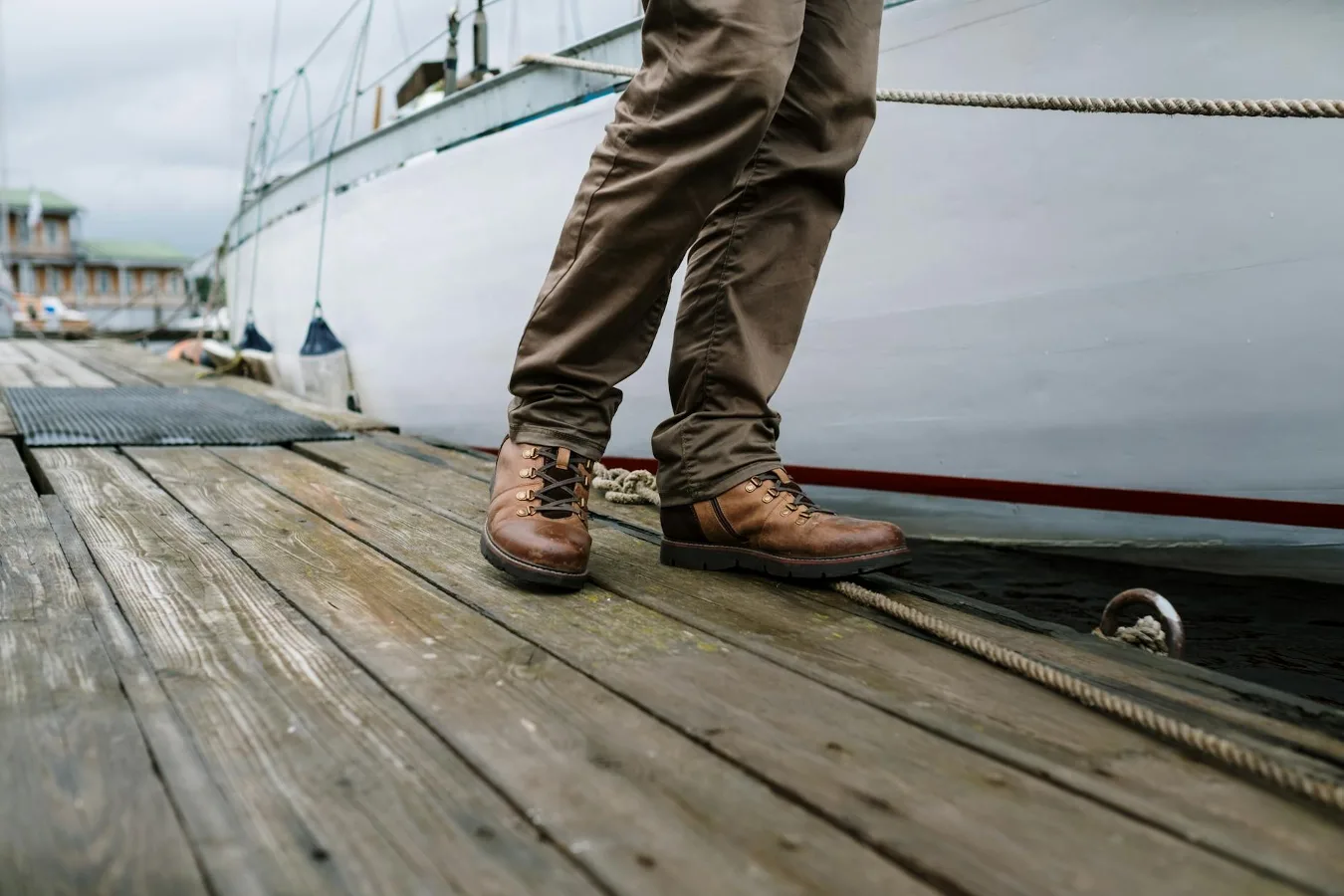
If you’re looking for Josef Seibel shoes, the short answer is this: they’re a strong option for shoppers who want comfort-first everyday footwear with a more classic, wearable look than many athletic shoes. The brand is often chosen for casual walking, workdays that involve a lot of standing, travel, and simple day-to-day use. comfort shoes for everyday wear offers more detail on this point. supportive shoes for long days offers more detail on this point.
That said, Josef Seibel is not a one-size-fits-all answer. The right pair depends on whether you need more room in the forefoot, an easy slip-on design, a sturdier leather upper, or a shoe that can handle longer wear without feeling overly structured. This guide focuses on how to choose the right Josef Seibel style for your needs, what to check before buying, and where the trade-offs usually show up.
When Josef Seibel shoes make sense
Josef Seibel shoes are worth considering if your priority is comfort without giving up a polished, everyday look. They are especially relevant for people who want shoes that feel less sporty than sneakers but more practical than fashion-forward dress shoes.
They tend to make the most sense for:
- daily casual wear
- walking around town
- travel days where easy wear matters
- work settings with relaxed dress codes
- people who prefer leather or leather-like uppers over synthetic fashion shoes
- shoppers who often look for roomier, comfort-oriented fits
A common misconception is that all comfort shoes feel bulky or look medical. Josef Seibel shoes generally aim for a more understated middle ground, though the exact look depends on the model. Some styles lean practical and grounded, while others are cleaner and easier to pair with jeans, chinos, skirts, or casual dresses.
Start with the use case, not the style label
The most useful way to shop Josef Seibel shoes is to begin with how you’ll wear them. The same brand can offer loafers, sandals, ankle boots, lace-up shoes, and clogs, but each type serves a different purpose.
For all-day comfort in casual settings
If you plan to wear the shoes for errands, travel, or general daily use, look for a style with a simple closure, a stable sole, and enough room in the toe box. Slip-on models can be convenient, but only if your heel stays secure and the opening does not rub.
For walking and longer wear
Walking-friendly shoes should balance cushioning, flexibility, and stability. A shoe that feels soft right away is not always the best choice if it lacks structure underfoot. Consider how the outsole flexes, whether the heel feels anchored, and whether the shoe bends naturally at the ball of the foot rather than collapsing in the middle. how to choose walking shoes offers more detail on this point.
For work or polished casual outfits
If you want something more refined, loafers, low-profile lace-ups, and some ankle boots are usually easier to style. In this case, the finish of the upper matters as much as comfort. Smooth leather often looks more versatile, while more textured or relaxed materials can skew casual.
For warm-weather wear
Sandals and open styles are useful if breathability is a priority. Focus on strap placement, adjustability, and whether the foot sits securely instead of sliding forward. Comfort sandals are only helpful if they actually hold the foot in place.
What to check before buying
Josef Seibel shoes are often chosen for comfort, but comfort is a combination of several factors. The right model for one person may be the wrong one for another, even within the same size.
Fit and toe room
Toe room matters more than many buyers expect. If the front of the shoe pinches or your toes press into the upper, the shoe may feel fine for a few minutes and then become uncomfortable later in the day. A comfort shoe should let your toes spread naturally without excess slipping.
If you usually need a wider fit, pay attention to model descriptions and customer feedback where available. The shape of the toe box can matter as much as the listed size. Some shoes have a more generous front area, while others are more tapered.
Arch feel and underfoot support
Support is personal. Some wearers want a soft, relaxed footbed; others need more noticeable support under the arch and heel. Josef Seibel shoes often appeal to people who prefer a comfort-oriented feel rather than a highly corrective or athletic-style support system.
If you use orthotics, check whether the footbed is removable or whether the shoe has enough internal depth to accommodate inserts. This is an overlooked consideration that can determine whether a shoe is actually usable for you.
Material choice
Materials affect comfort, maintenance, and appearance. Leather often offers a more refined look and may mold gradually to the foot, but it usually needs a bit more care. Softer casual materials can feel easier from the start but may not hold structure the same way over time.
Think about how often you’ll wear the pair and how much maintenance you’re willing to do. If you want a shoe that is easy to wipe down and keep presentable, a simpler finish may be preferable. If you want a shoe that can look better with age, leather may be the better long-term choice.
Sole behavior
The sole influences traction, flexibility, and how the shoe feels during long stretches of wear. A very flexible sole can be comfortable for short periods, but too much softness can reduce stability. A firmer sole can feel more secure, especially on uneven pavement, though it may require a short break-in period.
Look for a sole that matches your use case rather than assuming softer always means better.
Entry and closure
Slip-ons, buckles, hook-and-loop closures, and laces each solve different problems. Slip-ons are convenient but can feel loose if the shape does not suit your foot. Laces usually provide better adjustment. Hook-and-loop styles can be especially helpful if you want easier on-and-off without sacrificing fit control.
Examples of good matchups by shopper type
Not every buyer needs the same type of Josef Seibel shoe. A better approach is to match the style to the daily situation.
- Frequent traveler: A lightweight slip-on or low-profile lace-up that is easy to remove and walk in
- Teacher, retail worker, or anyone on their feet: A stable comfort shoe with enough structure to support repeated wear
- Casual dresser: A loafer or simple leather shoe that works with jeans and relaxed office clothes
- Warm-weather shopper: A sandal with secure straps and enough adjustability
- Wide-foot shopper: A roomier shape with careful attention to toe-box width and overall volume
- Insert wearer: A shoe with removable insoles or enough depth for custom footbeds
These are not hard rules, but they help narrow the search. The most common mistake is buying by appearance alone and discovering later that the fit profile does not suit the actual foot shape.
Trade-offs to keep in mind
Josef Seibel shoes can be a smart buy, but they are still a compromise between comfort, styling, and specialized support. Understanding the trade-offs helps avoid disappointment.
Comfort versus precision support
Some comfort shoes prioritize an easy, forgiving feel over highly engineered support. That can be a benefit for everyday wear, especially if you dislike rigid shoes. But if you need specific support features, you should not assume a comfort label automatically solves foot issues.
Classic styling versus athletic performance
These shoes often look better in casual and smart-casual settings than many sport-style comfort shoes. The trade-off is that they may not offer the same rebound, responsiveness, or moisture management you’d expect from a performance sneaker.
Soft feel versus long-term structure
A softer shoe can feel good immediately, but if it lacks structure, it may not hold up as well for your use pattern. A slightly firmer shoe can take longer to feel ideal, yet it may offer better stability over repeated wear.
Leather appeal versus care requirements
Leather can elevate the look of the shoe, but it also asks more from the buyer. You may need to condition, clean, and dry it properly to keep the material looking and feeling its best. If that sounds inconvenient, a lower-maintenance casual material may be more realistic.
Common mistakes shoppers make
Several buying mistakes come up repeatedly with comfort footwear, and Josef Seibel shoes are no exception.
- Choosing by brand reputation alone. A comfort-focused brand still has many different shapes and constructions.
- Assuming all wide-looking shoes are truly wide. Visual roominess and actual fit are not the same thing.
- Ignoring heel security. A slip-on that slides can become tiring quickly.
- Overlooking insole needs. If you use orthotics, the internal volume matters as much as the outside size.
- Buying a style that suits the outfit but not the foot. A shoe that looks right but pinches will not get worn often.
- Expecting every model to work for long-distance walking. Comfort casual shoes and dedicated walking shoes are not identical categories.
An especially practical nuance: the most comfortable shoe in the store is not always the one you’ll like most after several hours. If you are between sizes or unsure about volume, choose the option that gives the foot room without losing security.
A simple checklist before you buy
Use this quick checklist to narrow down the best Josef Seibel shoes for your needs.
- Does the shoe match your main use: walking, work, travel, or casual wear?
- Is the toe box roomy enough without excess space?
- Does the heel stay secure when you walk?
- Will you wear regular socks, thin socks, or no-show socks with it?
- Do you need removable insoles or extra depth for inserts?
- Is the upper material something you are willing to maintain?
- Does the sole feel stable enough for your surfaces?
- Can the style work with several outfits, or only one?
If the answer to most of these is yes, the shoe is more likely to work well in real life, not just on the product page.
Alternatives worth considering
Josef Seibel shoes are a good fit for many comfort-minded buyers, but alternatives may suit you better depending on what you value most.
If you want a more athletic feel, a walking sneaker may provide better cushioning and a sportier ride. If you need more orthopedic-specific support, look for brands or models built around removable footbeds, motion control, or deeper support features. If your priority is style flexibility, a simpler leather loafer or Chelsea boot from another comfort-oriented label may give you a different shape or finish.
There is nothing wrong with comparing across brands. In fact, it often leads to a better purchase because you can separate comfort, appearance, and support instead of assuming one shoe has to solve everything.
How to think about value
Value in comfort shoes is not just about the purchase price. It also includes whether the pair gets worn often, whether it works with your wardrobe, and whether it prevents the need to buy a replacement sooner than expected.
A shoe that sits in the closet because it feels awkward is not good value, even if the price seemed reasonable. Likewise, a more versatile pair that works across multiple outfits and situations may be the smarter buy even if it costs more than a trend-driven alternative. For Josef Seibel shoes, the key value question is whether the design and fit align with your real routine.
Who should look elsewhere
These shoes may not be the best match if you need maximum athletic cushioning, highly technical support, or a very fashion-forward silhouette. They may also disappoint buyers who want a featherlight, ultra-sporty feel or a highly customized fit experience from the first wear.
If you already know you need specialized footwear for foot conditions, it is better to compare options with a clearer idea of your support needs than to rely on comfort branding alone.
For many shoppers, though, Josef Seibel shoes hit a useful middle ground: dependable, easy to live with, and versatile enough for everyday routines. The best choice is the pair that fits your foot shape, your maintenance habits, and the way you actually dress.