

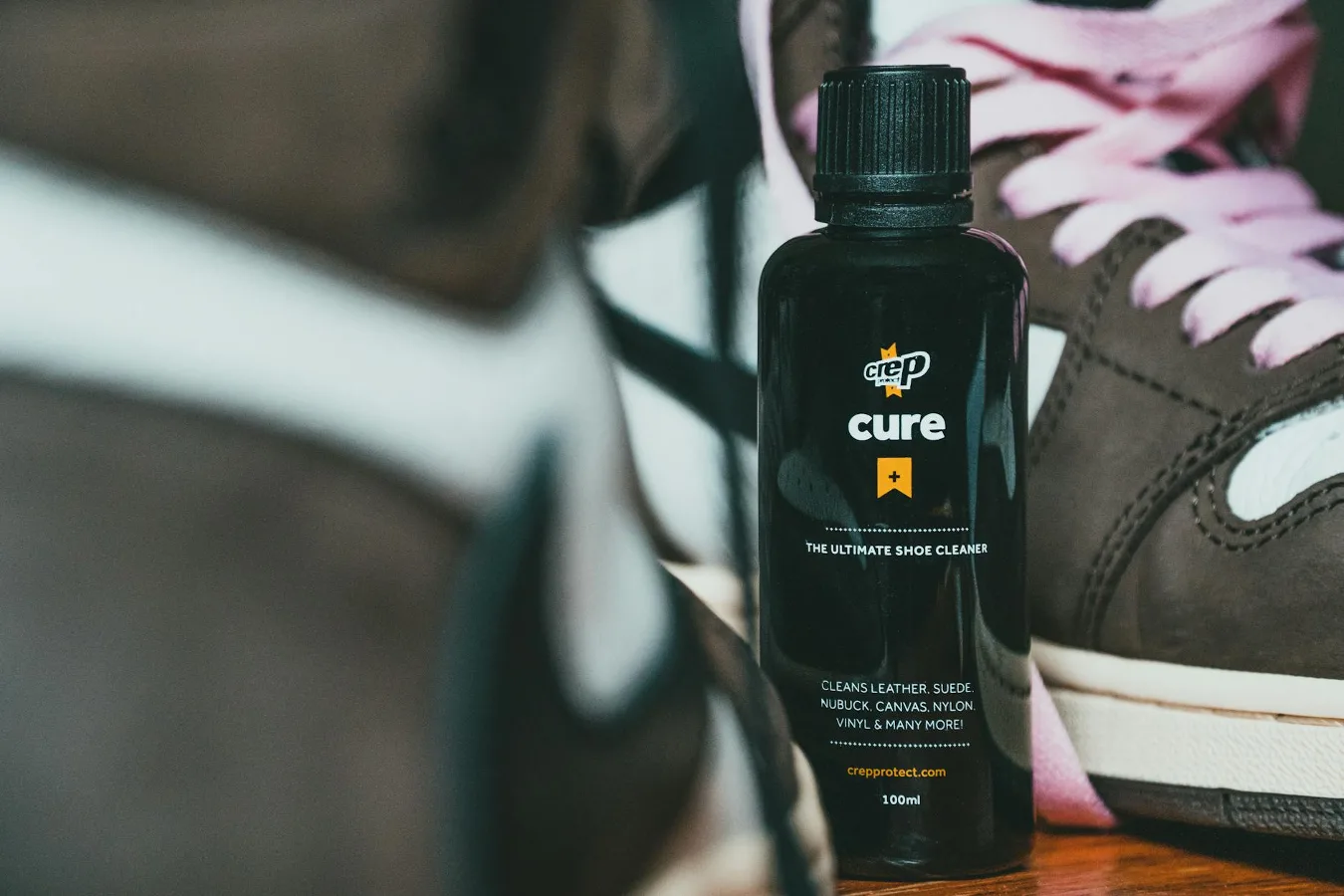
Quick answer: what to look for when searching “shoe cleaner near me”
If you need a shoe cleaner near you, start by matching the service to the shoe, not just the location. A good local shoe care shop, cobbler, or specialty sneaker cleaner should be able to tell you which materials they handle, what kinds of stains they can realistically improve, and whether they clean, restore, or only do light refresh work.
For everyday shoes, a nearby cleaner can be useful for odor removal, dirt buildup, and routine maintenance. For delicate materials like suede, nubuck, patent leather, or embellished shoes, the right provider matters more than convenience. Some shoes are better suited to professional cleaning, while others may only need a careful at-home refresh. jimmy butler shoes offers more detail on this point.
The fastest way to narrow your options is to ask three questions: What shoe materials do you clean? What condition are the shoes in? What result should I expect? That keeps you from paying for a service that is not designed for your pair.
Compare your local options before you drop off a pair
“Shoe cleaner near me” can mean a few different things. The right choice depends on whether you need cleaning, repair, restoration, or a mix of all three. Local businesses often specialize differently, and that difference affects the outcome.
| Local option | Best for | What to watch for |
|---|---|---|
| Shoe cleaning specialist | Sneakers, athletic shoes, routine cleaning, odor treatment | May not handle repairs or delicate formal shoes well |
| Cobbler | Leather shoes, boots, repairs, sole work, polishing | Cleaning may be basic if the shop focuses on repair |
| Dry cleaner with shoe service | Some dress shoes, select materials, convenience | Not all materials are accepted, and methods vary widely |
| Luxury shoe care or restoration shop | High-end leather, designer shoes, cosmetic restoration | Often better for value preservation, but not always the cheapest route |
A common misconception is that all shoe cleaners do the same work. In practice, a sneaker cleaner may be better at foam midsoles, mesh uppers, and white rubber soles, while a cobbler may be better at conditioning leather, replacing heel caps, or polishing formal footwear. If your shoes need both cleaning and repair, a shop that handles both can save you time.
It also helps to think about the shoe’s value in more than dollar terms. A pair may not be expensive, but it might be hard to replace because of fit, comfort, sentimental value, or discontinued colorways. In that case, a more careful service may be worth more than the cheapest nearby option.
How to choose the right shoe cleaner for your pair
Search results and reviews only tell part of the story. The better decision comes from matching the cleaner’s strengths to your shoes’ materials and condition. That is especially important for shoes with mixed materials, since one cleaning method can improve one part of the shoe and damage another.
1. Match the service to the material
Different materials have different care limits. Leather usually tolerates conditioning and polishing. Suede and nubuck are more sensitive to moisture and stiff brushing. Mesh and knit sneakers often need gentle spot cleaning and careful drying. Delicate trim, adhesive details, and decorative finishes can make aggressive cleaning risky.
If you are unsure what the shoe is made of, look for the manufacturer’s care label or product page before you visit. Bring that information with you if possible. A cleaner who asks about materials is usually a better sign than one who promises to clean everything the same way.
2. Be realistic about stains and wear
Some problems can improve a lot with professional cleaning. Others can only be reduced, not erased. Scuffs, embedded dirt, odor, salt marks, and light discoloration are often more manageable than deep dye transfer, cracked leather, or permanent fabric staining.
This is an overlooked consideration for people searching locally: cleaning is not the same as restoration. If the shoes are structurally worn, the outsole is separating, or the upper is torn, a cleaning-only service may leave you disappointed. In those cases, repair may matter more than cleaning.
3. Ask what is included
Local providers vary in scope. One shop may offer surface cleaning only. Another may include deodorizing, conditioning, minor stain treatment, polishing, or waterproofing. Some charge separately for lace replacement, protective treatments, or sole touch-ups.
Before you hand over the shoes, ask what the service does not cover. That question is often more useful than asking what is included. It helps you understand the likely result and prevents surprises later.
4. Consider turnaround time and shoe use
If you need shoes for work, travel, or an event, turnaround time matters. A quick local cleaner can be the right answer for a last-minute refresh, but faster service may be limited in how deep the cleaning goes. A slower turnaround may be more suitable for shoes with heavy buildup or sensitive materials. how to protect shoes after cleaning offers more detail on this point.
For shoes you wear often, schedule cleaning before they become heavily soiled. Routine maintenance is usually easier and less risky than trying to revive shoes after months of neglect.
Signs a nearby shoe cleaner is worth trusting
You do not need a perfect shop. You do need a provider that communicates clearly and treats your shoes with enough care to avoid preventable damage.
- They identify the material before suggesting a method.
- They explain limits honestly. If a stain may not come out, they should say so.
- They separate cleaning from repair. That usually means they understand shoe care well enough to recommend the right service.
- They ask about prior treatments. Some protectants, dyes, or home-cleaning products can affect results.
- They discuss care after cleaning. Good advice on drying, storage, and protection is a strong sign of experience.
Online photos and reviews can help, but they should not be the only factor. Look for comments about communication, condition upon return, and whether the shop handled shoes carefully. Consistency matters more than one dramatic before-and-after image.
Common mistakes people make when choosing shoe cleaning near them
Many shoe cleaning problems start before the shoes ever reach the counter. A few simple mistakes can lead to disappointment or avoidable damage.
Choosing only by distance
The closest option is not always the best one, especially for suede, leather dress shoes, luxury sneakers, or shoes with special finishes. A shop a little farther away may be a better fit if it specializes in the material you own.
Assuming every stain can be removed
Some stains are permanent or only partially reversible. Dye transfer, deep oil marks, cracked finishes, and salt damage can be difficult to fully correct. Knowing that ahead of time helps you make a better decision about whether to proceed.
Sending mixed-material shoes without asking questions
Leather-and-mesh sneakers, suede-trim boots, and embellished footwear often require careful handling. One cleaning method can be safe for one surface and too harsh for another. Ask how the shop approaches mixed materials.
Ignoring repair needs
If the sole is lifting, the heel is worn, or the stitching is coming loose, cleaning alone may not solve the problem. A cleaner that also offers repair may give you a more useful result than a service focused only on appearance.
Not asking about aftercare
Even a good cleaning can be undone quickly by poor drying or storage. Shoes should be dried properly, kept away from direct heat, and stored in a way that helps them hold shape. If the shop does not explain aftercare, ask before you leave.
When a local cleaner makes sense — and when it may not
A nearby shoe cleaner is a strong choice when you need convenience, routine upkeep, stain reduction, odor treatment, or help with shoes that are difficult to clean at home. It is especially useful for people who do not want to experiment with products that might affect the shoe’s color or finish.
However, a local cleaner may not be the best answer if your shoes need specialized restoration, rare-material handling, or significant structural repair. In that case, a dedicated repair shop, luxury restoration service, or manufacturer guidance may be more appropriate.
There is also a practical cost consideration that people often miss: cleaning a lower-value pair can make sense if the shoes are comfortable, already broken in, or hard to replace in your size. On the other hand, heavily worn shoes may not justify a full restoration if the upper, sole, and lining all need attention. The right choice depends on how much useful life the pair still has. Silver Shoes: How to Choose the Right Pair offers more detail on this point.
Simple questions to ask before you book
These questions help you compare local shoe cleaners without needing technical knowledge.
- What shoe materials do you clean regularly?
- Do you handle sneakers, leather shoes, boots, or suede?
- What results can I realistically expect for this stain or wear pattern?
- Do you offer cleaning only, or cleaning plus repair?
- Will you use different methods for mixed-material shoes?
- How should I prepare the shoes before drop-off?
- What aftercare do you recommend after the cleaning is done?
If a shop answers clearly and does not overpromise, that is usually a better sign than a flashy marketing pitch. Good shoe care is often about restraint, not aggressive treatment.
FAQ
What does a shoe cleaner near me usually clean?
Many local shoe cleaners handle sneakers, leather shoes, boots, and some dress shoes. The exact service depends on the shop. Some focus on cleaning and deodorizing, while others also offer repair, polishing, and restoration.
Is a cobbler the same as a shoe cleaner?
Not always. A cobbler usually focuses on repair, shaping, resoling, heel work, and leather care. Some cobblers also clean shoes, but a dedicated shoe cleaner may be better for sneaker detailing or stain-focused work.
Can all stains be removed from shoes?
No. Some stains can be reduced significantly, while others may be permanent or only partially improved. Deep dye transfer, cracks, and material breakdown are especially difficult to reverse.
Should I clean shoes at home instead?
Home cleaning can work well for light dirt and routine upkeep, especially if you know the material. A local professional is often better for delicate materials, stubborn stains, odor issues, or shoes that you do not want to risk damaging.
How do I know if a nearby cleaner is right for suede or leather?
Ask whether they regularly handle that material and what method they use. A good cleaner should explain the limits of suede, nubuck, and leather care without promising perfect results.
If you are comparing options for shoe cleaner near me, the best match is usually the one that understands your shoe’s material, the type of damage, and the level of care the pair actually needs. Convenience matters, but the right method matters more.