

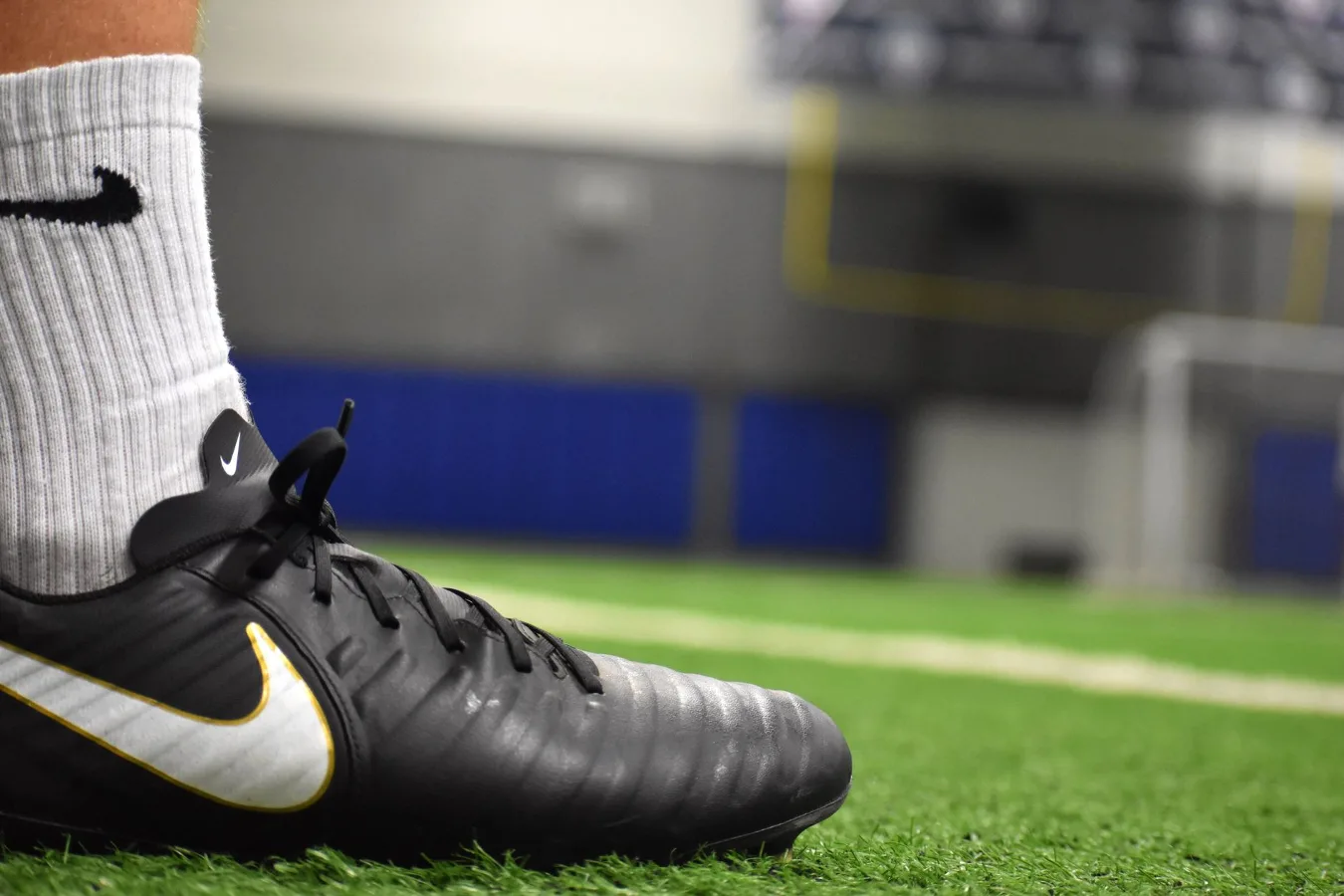
Children’s indoor football shoes are designed for one job: helping young players move quickly and safely on indoor courts, gym floors, and other smooth surfaces. If you are choosing a pair for training, school sports, or futsal-style play, focus on fit, grip, and a sole that will not mark the floor. kids athletic shoes for different sports offers more detail on this point.
The best choice is usually a lightweight shoe with a snug but not cramped fit, a rubber outsole made for indoor traction, and enough upper support to handle stops, turns, and short bursts of speed. The right pair depends on where the child plays, how often they play, and whether their feet are narrow, average, or wide.
When childrens indoor football shoes matter most
Indoor football shoes are worth paying attention to any time a child plays on a smooth indoor surface. That includes futsal courts, school gyms, sports halls, and some indoor training spaces. Regular outdoor soccer cleats are not a good substitute because their studs can feel unstable indoors and may damage the floor.
For young players, the difference is not just about traction. A proper indoor shoe can also help with balance during fast changes of direction, reduce slipping on polished surfaces, and make movement feel more controlled. That matters most for children who are still learning footwork and body control.
They also become more important if a child plays often. A shoe that fits well and matches the surface can be more comfortable over repeated sessions than a general-purpose sneaker that was never intended for football-style movement.
Step-by-step criteria for choosing the right pair
1. Start with the playing surface
The surface should guide the shoe choice before anything else. Indoor football shoes are typically built for flat, smooth courts and gym floors. Look for a non-marking rubber sole with a tread pattern meant for grip on indoor surfaces. If the child mostly plays outside on concrete, asphalt, or artificial turf, a different shoe type is likely more appropriate. non-marking shoes explained offers more detail on this point.
A common mistake is buying a pair based only on style or brand and ignoring the floor. A shoe that works well on turf can feel clunky indoors, while a true indoor shoe may wear down quickly outdoors.
2. Prioritize fit over room to grow
Children’s shoes often need a little growth room, but indoor football shoes should still fit securely. Too much extra space can lead to heel slip, reduced control, and a greater chance of toe stubbing during quick stops.
Check for a snug heel, enough length for toes to lie flat, and no pressure across the widest part of the foot. If a child complains that the shoe feels loose during side-to-side movement, that is a sign the fit is too roomy even if the length seems acceptable.
For children with wide feet, a roomier toe box or wide fit option can matter more than adding extra length. For narrow feet, a secure midfoot and heel are often the priority.
3. Look at grip without overdoing tread
Indoor football shoes need traction, but not oversized tread. On smooth floors, a flat rubber outsole with a pattern designed for quick starts and stops usually works better than a heavy lugged sole. Excessively aggressive tread can feel sticky, tiring, or less responsive indoors.
Some children play in multipurpose school spaces where the floor may vary from one area to another. In that case, a balanced outsole that offers grip without feeling too rigid is usually the safest choice.
4. Consider upper material and touch
The upper affects comfort, flexibility, and ball feel. Synthetic uppers are common because they are easy to clean and often hold their shape well. Mesh or textile panels can improve breathability, which is useful for active children who run hard indoors.
If a child likes close ball control, a softer upper may feel more natural. If the priority is durability and easy care, a more structured synthetic upper can be the better trade-off. Neither is universally best; the right choice depends on use and preference.
5. Check support where it actually counts
Indoor football shoes do not need to feel stiff and bulky. What they do need is enough structure to keep the foot stable during lateral movement. A secure heel, a stable midfoot, and a sole that bends in the right place are more useful than heavy padding.
For younger children, stability can matter more than minimal weight. A shoe that feels too soft may collapse during sharp turns, while one that is overly rigid may feel awkward and slow to adapt to the foot.
6. Think about how often the shoes will be worn
If the pair will be used only for weekly indoor training, comfort and correct traction may matter more than long-term durability. If the child plays several times a week, sturdier construction and reinforced high-wear areas become more relevant.
Some families also use one pair for school gym class and after-school sports. In that case, easy cleaning and a durable outsole can save time and help the shoes last longer.
What children usually need from indoor football shoes
Different children need different things, but a few qualities show up again and again in good indoor football footwear. how to choose youth soccer footwear offers more detail on this point.
- Secure fit: The shoe should hold the heel and midfoot without pinching.
- Indoor traction: The sole should help with quick starts, stops, and turns on smooth floors.
- Comfort during movement: The shoe should feel good while running, not just while standing still.
- Lightweight feel: Children often move better in shoes that do not feel overly heavy.
- Easy maintenance: Indoor shoes should be simple to wipe clean after use.
- Court-safe outsole: Non-marking soles are important in many indoor facilities.
Practical trade-offs to keep in mind
There is rarely a perfect all-purpose shoe. The most supportive pair may feel a little heavier. The lightest pair may wear faster. The softest upper may feel great on the ball but offer less structure. Being clear about the main use makes the decision easier.
For example, a child who is new to indoor football may benefit from comfort and stability first. A more advanced player may care more about touch, responsiveness, and close ground feel. A parent choosing shoes for occasional school use may value durability and easy cleaning more than high-end performance features.
Another overlooked consideration is how quickly children’s feet change. A shoe that fits perfectly today may be outgrown sooner than expected. That makes the right balance between snug fit and usable growth room especially important.
Examples of good matches by use case
For beginners
Look for a comfortable, forgiving shoe with a secure fit and reliable indoor traction. Beginners usually benefit from predictable grip and a fit that feels natural right away.
For school gym and multipurpose use
Choose a non-marking shoe that can handle indoor courts and general activity. Easy cleaning and moderate durability matter here because the shoes are likely to be worn in different settings.
For frequent indoor training
Prioritize outsole quality, upper durability, and a fit that stays secure during repeated lateral movement. A shoe that holds up to frequent use can be better value than a cheaper pair that wears down quickly.
For children with wider feet
A roomier forefoot or wide fit can improve comfort and reduce pressure. A narrow, speed-oriented shoe may look appealing but can become uncomfortable quickly if the shape does not match the foot.
Checklist before you buy
- Confirm the shoe is meant for indoor or court use.
- Check that the sole is non-marking if the facility requires it.
- Make sure the fit is snug at the heel and secure through the midfoot.
- Leave only reasonable space at the toes for growth.
- Match the shoe shape to the child’s foot width.
- Choose enough traction for the floor, but not a heavy outdoor-style tread.
- Look for easy-to-clean materials if the shoes will be used often.
- Consider durability if the child plays several times a week.
Common mistakes parents make
One common mistake is buying outdoor soccer shoes for indoor play. Another is choosing a size that is too large just to extend wear time. Oversized shoes can reduce control and increase the chance of tripping or slipping inside the shoe.
It is also easy to focus on looks and ignore how the shoe bends. Indoor football shoes should flex naturally at the forefoot so the child can push off and change direction without fighting the shoe.
Finally, some buyers assume all sneakers with rubber soles work equally well indoors. They do not. A shoe built for general casual wear may lack the traction pattern, fit stability, or court-safe outsole needed for football-style movement.
How indoor football shoes differ from other kids’ sports shoes
Indoor football shoes sit between a training sneaker and a performance court shoe. Compared with casual sneakers, they usually offer better grip, a more secure fit, and a sole shape that supports quick directional changes. Compared with outdoor cleats, they trade studs for a flat indoor outsole.
Compared with some basketball-style court shoes, indoor football shoes often feel lower to the ground and more flexible through the forefoot. That lower profile can help with ball control, though it may offer less cushioning than shoes made for a different sport.
This is why the exact sport and surface matter. A shoe designed for indoor football is not just a smaller version of an adult boot; it is built around a different movement pattern.
Care and maintenance for longer use
Indoor football shoes usually last longer when they are cleaned and dried properly. Wipe off dust and court marks after use, then let the shoes air dry naturally. Avoid direct high heat, which can damage materials and adhesives.
If the child uses the shoes only indoors, the outsole will generally stay in better shape than if the same pair is worn outside. Keeping a separate pair for outdoor play can help preserve traction and reduce premature wear.
It also helps to check the laces, insoles, and stitching regularly. Small issues often show up before major wear does. Catching them early can extend the useful life of the shoes.
Frequently asked questions
Can children wear regular sneakers for indoor football?
Sometimes, but it is not ideal. Regular sneakers may lack the traction and foot stability needed for indoor football movements, especially on smooth courts.
Do indoor football shoes need non-marking soles?
In many indoor facilities, yes. Non-marking soles help protect gym floors and are often required by schools and sports centers.
Should I size up for growing room?
Only a little, if needed. Too much extra space can reduce control and make the shoe less secure during quick movement.
Are futsal shoes the same as indoor football shoes?
They are closely related and often used in similar ways. The main differences usually come down to outsole design, fit preference, and the way each brand positions the shoe.
What is the most important feature to check first?
Start with the playing surface and fit. If the shoe is wrong for the floor or too loose on the foot, other features matter much less.
Choosing the right pair without overcomplicating it
If you want a simple rule, start with the surface, then the fit, then the sole. A good pair of children’s indoor football shoes should feel secure, allow natural movement, and suit the court where the child actually plays. Comfort matters, but so does control. Durability matters, but not at the expense of fit.
The best choice is usually the one that matches the child’s foot shape and playing environment rather than the pair with the most aggressive design. For indoor football, that balance is what keeps young players comfortable, stable, and ready to move.