

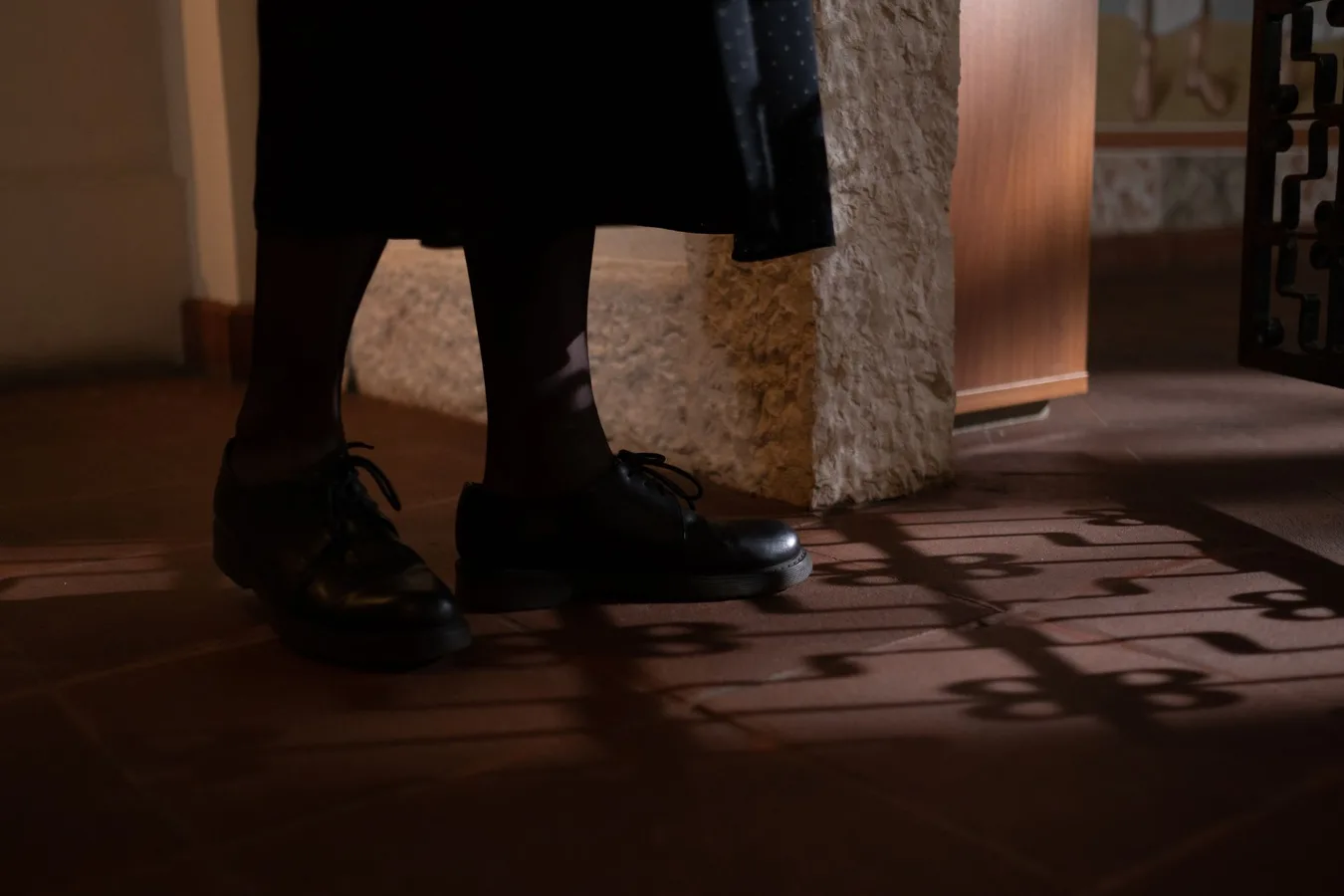
Church shoes are dress shoes chosen for a neat, respectful appearance and enough comfort to wear through a service, greeting time, and often a longer day afterward. The best pair is not always the most formal pair; it is the pair that fits the setting, supports your feet, and works with the outfit you actually wear. dress shoes for special occasions offers more detail on this point. how to choose comfortable formal shoes offers more detail on this point. Josef Seibel Shoes: Buyer’s Guide offers more detail on this point.
If you are shopping for church shoes, start with one question: do you need a classic formal shoe, or a polished everyday dress shoe that can handle standing, walking, and repeated wear? That answer usually narrows the field faster than any trend-driven style advice.
What church shoes should do well
Church footwear sits in a practical middle ground. It should look intentional, not overly casual, but it also should not force you to trade comfort for appearance. Many shoppers focus on the exterior first, yet the real test is how the shoe behaves over a full morning.
- Look appropriate for the level of formality. Some congregations lean traditional, while others are much more relaxed.
- Stay comfortable during standing and walking. A shoe that feels fine for five minutes may feel different after an hour.
- Work with dresses, suits, slacks, skirts, or tailored pants. Versatility matters if you want one pair for multiple outfits.
- Hold up to repeated use. Church shoes often become regular event shoes, so long-term value matters.
A common misconception is that church shoes must be stiff, shiny, or formal to the point of discomfort. In practice, polished loafers, plain pumps, sleek oxfords, and understated derbies can all work if they match the setting and are well kept.
Buyer scenarios: which kind of church shoe fits your needs
The best choice depends on how you dress, how long you stay on your feet, and how formal your church environment feels.
If you want a classic, traditional look
Closed-toe dress shoes are the safest route. For men, that often means oxfords or simple derbies in leather. For women, a modest pump, low block heel, or refined flat usually feels appropriate without drawing attention away from the outfit.
This is the right lane if you attend a more formal service, prefer conservative styling, or want one pair that works for weddings, funerals, and other dressy occasions too.
If comfort is the top priority
Look for church shoes with cushioning, a stable sole, and a shape that matches your foot instead of forcing a narrow profile. Low heels, supportive loafers, and well-made flats are often better than elegant but unforgiving styles.
Comfort-driven buyers should pay close attention to toe box room, arch support, and heel stability. A shoe can appear refined without being rigid.
If you need one pair for multiple outfits
Choose a versatile color and a clean silhouette. Black is the most formal and easiest to coordinate, while dark brown, burgundy, and navy can work well in many wardrobes depending on the rest of your clothing.
A simple design usually ages better in a wardrobe than a trendy one. Decorative stitching, heavy hardware, and oversized ornaments can limit how often the shoe feels appropriate.
If you have foot sensitivity or wear orthotics
Prioritize shape, removable insoles if needed, and enough depth to accommodate inserts without crushing the top of the foot. Slip-on styles can be convenient, but they are not always the best if you need a secure fit or structured support.
For many people, the most overlooked factor is volume, not length. A shoe may be the correct size on paper and still feel wrong if it is too shallow across the instep or too tight in the forefoot.
Style choices that matter more than trends
Church shoes do not need to be flashy to look refined. In fact, subtle details usually work better than obvious ones.
Toe shape
Round, almond, and softly tapered toes tend to look balanced and timeless. Very pointed toes can feel dressy, but they may reduce comfort if the shape does not suit your foot. Broad square toes can work in some settings, though they often read more casual or utilitarian.
Heel height and base
For women’s church shoes, heel height affects both appearance and stability. A low block heel often offers a better balance than a narrow high heel, especially for long services or standing in place. If you rarely wear heels, a modest lift may be more practical than a taller style that changes your posture and stride.
For men’s shoes, the sole profile and heel shape matter just as much. A dress shoe with a stable base usually feels more appropriate and easier to wear than one with an overly slim, slippery sole.
Closures and ease of wear
Lace-up shoes generally allow a more adjustable fit, which is useful if your feet swell during the day or you need a more secure hold. Slip-ons are easier to take on and off, but they may not lock the foot in place as well. That trade-off matters if you walk a lot before and after service.
Material and construction: what affects comfort and longevity
Material choice shapes appearance, breathability, maintenance, and how the shoe breaks in. This is one of the most important decisions because church shoes often need to look polished across repeated wear, not just on the first outing.
| Material | What it offers | Trade-off |
|---|---|---|
| Leather | Classic appearance, versatility, and the potential to age well with care | Usually needs more maintenance and break-in time |
| Patent leather | Very dressy, sleek, and formal-looking | Can feel less forgiving and may show creasing or scuffing |
| Suede | Soft texture and a slightly less rigid look | Needs more care and may not suit wet or messy conditions |
| Synthetic uppers | Often easier to clean and sometimes more budget-friendly | May not breathe or age as well as quality leather |
Construction matters too. A shoe with a stable outsole, decent stitching, and a shape that holds its structure will usually serve better than one that looks impressive but collapses quickly. If you wear church shoes often, long-term value is usually stronger in a well-made conservative style than in a trendy pair that only works for one season.
An overlooked consideration is weather and season. A polished leather shoe may be ideal most of the year, but it is not always the smartest option in rain or snow. In those cases, many people keep a more weather-tolerant backup pair for the trip to and from service.
Fit factors that make or break the purchase
Fit is where many otherwise attractive church shoes fail. Dress shoes are often bought for appearance first, then regretted later because they pinch, slip, or rub in a way that ruins the day.
- Toe room: Your toes should not feel compressed just because the shoe looks elegant.
- Heel hold: The heel should stay secure without rubbing or slipping excessively.
- Instep comfort: A shoe that presses across the top of the foot can become uncomfortable fast.
- Width: Narrow, standard, and wide fits are not interchangeable, even when the length is correct.
- Break-in behavior: Some materials soften with wear, but a painful fit is not something to gamble on.
One practical mistake is sizing up too much to avoid pressure. Extra length can create heel slip and make the shoe look clumsy. A better approach is to look for a last and width that match your foot shape more closely.
If you wear dress socks, hosiery, or inserts with church shoes, test for them when judging fit. Small changes in thickness can affect comfort enough to matter over several hours.
Style guidance for different outfits
Church shoes should support the overall outfit rather than compete with it. Matching does not mean everything has to be identical; it means the shoe should feel deliberate.
With suits and tailored trousers
Clean leather oxfords, derbies, monk straps, or understated loafers usually fit best. Simpler designs are easier to pair with formal clothing, especially in darker colors.
With dresses and skirts
Women often have the widest range of options here, but proportion matters. A sleek flat, low block heel, or modest pump usually feels more balanced than a shoe that is too chunky or too delicate for the outfit. The hemline, fabric weight, and occasion all influence the best choice.
With more relaxed churchwear
If your congregation dresses casually, polished loafers or refined flats may be enough. The goal is not to look overdressed for the room, but to look neat, put together, and respectful.
Color choice can also help. Black is most formal, brown softens the look, and burgundy or navy can add personality without becoming distracting. Metallic finishes and embellishments can work in limited settings, but they narrow the shoe’s range.
Common mistakes shoppers make
Church shoe shopping often goes wrong for predictable reasons.
- Choosing appearance over fit. A beautiful shoe that you dread wearing will not be useful for long.
- Buying for one outfit only. Versatility usually improves value.
- Ignoring the church environment. Some settings call for more conservative styling than others.
- Forgetting about standing time. Foot comfort matters more than people expect during services, ceremonies, and fellowship time.
- Assuming all dress shoes are equally formal. The details of shape, finish, and ornamentation change how a shoe reads.
A subtle but important point: comfort and formality are not opposites. A thoughtfully chosen shoe can be both respectful and wearable. That is the standard worth aiming for.
Alternatives worth considering
If traditional church shoes do not work for your feet or wardrobe, there are still polished alternatives.
- Dress loafers: Good for ease of wear and a cleaner transition between formal and smart-casual outfits.
- Low block-heel pumps: Often more practical than higher heels for long services or standing events.
- Refined flats: Useful for comfort-first buyers who still want a dressy silhouette.
- Minimal oxfords or derbies: Strong options for those who prefer classic menswear styling.
The best alternative is not necessarily the least formal one. It is the one that fits your needs, respects the occasion, and feels appropriate in your specific congregation or event setting.
Next steps before you buy
If you are narrowing your options, use a simple decision order: first confirm the dress code, then choose the silhouette, then check fit, then look at material and maintenance. That order prevents you from getting distracted by details that matter less than comfort and appropriateness.
Before buying, ask yourself these final questions: Will I wear these for more than one type of event? Can I walk and stand comfortably in them? Do they work with the clothing I already own? If the answer is yes, you are probably closer to a useful choice than if you are only judging the shoe from the front view.
Church shoes do not need to be complicated. The right pair is usually the one that looks dignified, feels steady, and fits the reality of how you dress and move.