

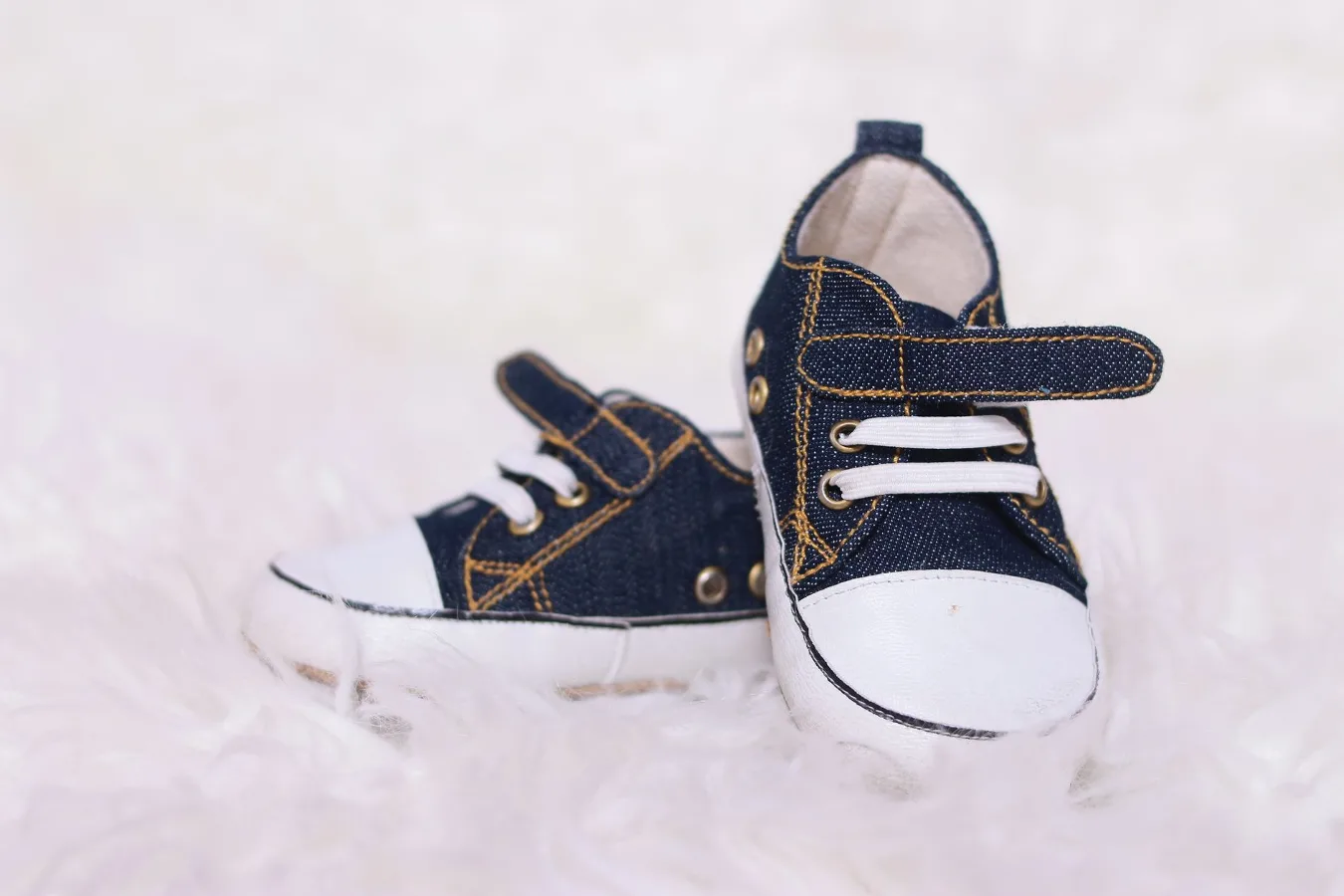
Denim shoes: a practical answer for shoppers
Denim shoes are shoes made with denim fabric or denim-inspired uppers, usually in casual silhouettes such as sneakers, flats, loafers, slip-ons, sandals, and espadrille-style designs. They are best for relaxed outfits and lifestyle wear rather than formal settings. church shoes offers more detail on this point.
If you are considering a pair, the key question is not just whether they look good. It is whether the denim upper, sole, fit, and care requirements match how you actually plan to wear them. That is where denim shoes can be either a smart wardrobe addition or a frustrating impulse buy.
Who denim shoes make sense for
Denim shoes are most useful for people who want casual footwear with a familiar, easygoing look. They fit naturally into weekend outfits, travel wardrobes, school or campus looks, and everyday errands. They can also work well if you already wear denim often and want footwear that keeps the outfit cohesive without feeling overly matched. easy-care shoes for busy routines offers more detail on this point.
They are a good choice if you want footwear that feels less polished than leather but more styled than a plain athletic shoe. The denim texture adds visual interest, which can help simple outfits feel more deliberate.
They are less suitable if you need shoes for heavy weather, long hours of standing, strict dress codes, or situations where easy cleaning is a priority. Denim can look great, but the material has real limitations.
What to weigh before you buy
The right denim shoe depends on more than the fabric on top. For most shoppers, these are the factors that matter most:
- Fit: A denim upper may feel structured at first, but the shape still needs to match your foot.
- Comfort: Check the insole, arch feel, heel support, and toe-room rather than focusing only on the upper.
- Construction: Look at stitching, sole attachment, and how securely the denim is finished around stress points.
- Flexibility: Some denim shoes feel soft and broken in quickly, while others stay stiff depending on lining and backing.
- Weight: Casual styles vary a lot; a bulky sole can change how wearable the shoe feels day to day.
- Care: Denim shows dirt differently than smooth materials and may need more careful spot cleaning.
- Versatility: The shade of denim and the shape of the shoe determine how many outfits it can support.
A common mistake is treating denim shoes as interchangeable with denim clothing. The same fabric can behave differently on footwear because the shoe needs structure, abrasion resistance, and shape retention.
Material and construction details that matter
Denim upper
The upper is the most visible part of the shoe, and it drives much of the style. A smoother denim can look cleaner and more streamlined, while a more textured weave can read as more casual and rustic. Darker washes tend to feel a little easier to pair with neutral clothing, while lighter washes often look more seasonal and relaxed.
Pay attention to whether the denim is fully fabric or combined with other materials. Mixed-material construction can improve support, but it can also create visual contrast that not everyone wants. If the design includes printed denim rather than woven denim, the look may be lighter and more fashion-driven, but it may not age the same way.
Lining and interior comfort
Inside the shoe matters just as much as the outer fabric. A denim shoe with a rough interior can cause rubbing, especially if the shoe is unlined or lightly lined. A softer lining can make a big difference for all-day wear.
If you plan to wear denim shoes without socks or with no-show socks, check whether the interior is smooth enough for that use. The charm of the shoe can disappear quickly if the inside feels scratchy or starts to create hot spots.
Sole and traction
Most denim shoes rely on rubber, foam, or other casual shoe soles. The sole determines cushioning, grip, and durability more than the denim itself. A flexible sole may feel comfortable out of the box, but it may not provide enough support for long walking days. A thicker sole can improve comfort but may make the shoe feel heavier or less refined.
Also think about traction. Denim uppers are common in casual shoes, but if the outsole is too smooth, the shoe may not feel secure on slick surfaces. That is an easy detail to overlook when shopping online.
Stitching and stress points
Because denim shoes are usually casual, buyers sometimes focus on the look and ignore the seams. That is a mistake. Areas around the toe, heel, laces, vamp, and side panels are where wear often shows up first. Reinforced stitching can help the shoe hold its shape longer.
If a denim shoe has decorative fraying or distressed finishing, decide whether that is part of the intended design or whether it might become a maintenance issue. Decorative wear and real wear can look similar after a few uses.
Trade-offs you should expect
Denim shoes have clear strengths, but they are not a universal footwear solution.
- Style versus formality: They are easy to wear casually but rarely solve a dressier shoe need.
- Texture versus maintenance: The texture adds character, but fabric surfaces are typically less forgiving than smooth synthetic uppers.
- Comfort versus structure: Softer denim shoes may feel relaxed, while more structured pairs can feel sturdier but less flexible.
- Versatility versus distinctiveness: A pair that stands out may be harder to pair with every outfit, even if it looks better in photos.
An overlooked consideration is climate. Denim shoes are not just about style; they also need to make sense for the weather where you live. Lightweight denim shoes can be comfortable in warm conditions, but they are not the best option if you need protection from rain, slush, or frequent puddles.
How to judge value without overthinking it
Because denim shoes sit in the casual category, value depends on how often you will actually wear them. A lower-priced pair that fits poorly is worse than a modestly priced pair that works with several outfits. The best value comes from a shoe that feels comfortable, fits your wardrobe, and can handle your normal routine without special care every time you wear it. how to choose comfortable shoes for daily use offers more detail on this point.
Before buying, ask three practical questions: Does the silhouette match how I dress? Can I clean and store it without hassle? Will I reach for it often enough to justify the space in my closet?
Styling denim shoes without making the outfit feel forced
Denim shoes usually work best when the rest of the outfit is simple. Neutral pants, relaxed trousers, chino shorts, basic tees, knit tops, and casual dresses are all easy pairings. The goal is to let the texture of the shoe add interest rather than competing with it.
Matching denim shoes with denim clothing can work, but it is safer when there is contrast in shade or texture. If the wash is too close to the rest of your denim pieces, the outfit can look overly matched. A small color break through a white tee, tan belt, or different wash of denim often helps.
For a cleaner look, choose denim shoes with minimal hardware and a streamlined sole. For a more expressive look, distressed denim, contrast stitching, or visible texture can add personality. The best choice depends on whether you want the shoe to blend in or stand out.
Care and maintenance basics
Denim footwear usually benefits from gentle care. Brush away loose dirt first, then spot clean as needed with a mild approach suitable for the specific shoe materials. Always check the manufacturer’s care instructions, because denim may be paired with adhesives, trims, and linings that do not respond well to aggressive cleaning.
Try to avoid the assumption that a fabric shoe can be cleaned like a garment. Shoes contain structure, glue, and layered materials. Too much moisture can affect shape and comfort. Let them dry naturally away from direct heat, and use shoe trees or simple stuffing if shape retention matters for the style.
If you wear denim shoes often, rotating them with other casual shoes can help reduce wear and give them time to air out between uses.
When a different material may be the better choice
Denim shoes are appealing, but they are not always the smartest option. You may be better served by canvas shoes if you want a lighter, more classic casual look. Knit shoes may feel more flexible and breathable. Leather or synthetic leather can be easier to wipe clean and may look more polished. Suede may offer a richer texture if you want a softer visual effect without the denim look.
The right alternative depends on the priority. If easy cleaning matters most, choose a material that is smoother and more resistant to surface staining. If breathability and flexibility matter more, a knit or lightweight canvas design may be a better fit. If style is the main goal, denim can still win by offering a distinctive, casual finish.
Buyer scenario: how to choose the right pair for your needs
If you want an everyday shoe for relaxed outfits, choose a denim sneaker or slip-on with moderate cushioning and a simple profile. If you want something for warmer weather or a more fashion-forward look, denim flats, espadrilles, or sandals may make more sense. If you care most about versatility, a darker wash and minimal detailing usually pair more easily with a wider range of clothing.
If you have wider feet, check whether the model has enough room through the toe box and whether the upper has any give. Denim can soften over time, but it should not be relied on to solve a poor initial fit. If you plan to wear the shoes for long walking periods, prioritize support and outsole comfort over decorative details.
If you are buying for style first and wear frequency second, you can be more flexible about structure. If the goal is regular use, be stricter about comfort, materials, and construction. That distinction often determines whether a trendy shoe becomes a favorite or sits unworn.
Next steps before buying denim shoes
- Decide where you will actually wear them most often.
- Choose the silhouette first, then the wash and detailing.
- Check fit information carefully, especially toe room and width clues.
- Review the sole, lining, and construction, not just the upper fabric.
- Think through care needs so the shoe fits your routine.
- Compare the shoe against alternatives if you need easier maintenance or more support.
That simple process can prevent most regret purchases. Denim shoes are appealing because they look effortless, but the best pairs are chosen with a practical eye.
FAQ
Are denim shoes good for everyday wear?
They can be, if the fit is comfortable and the construction suits your routine. For heavy walking or rough conditions, a more supportive or easier-to-clean material may be a better choice.
Can denim shoes be worn with jeans?
Yes, but the pairing works best when there is contrast in wash, texture, or overall shape. Too much matching can make the outfit feel flat.
Are denim shoes hard to clean?
They are usually more delicate than smooth materials. Spot cleaning is often the safer approach, and it is wise to follow the care guidance for the specific shoe.
Do denim shoes go out of style quickly?
They are more trend-sensitive than plain canvas or leather basics, but simple denim shoes in clean silhouettes tend to have more staying power than heavily distressed designs.
What type of denim shoes are the most versatile?
Simple sneakers, slip-ons, and loafers in darker washes are often the easiest to pair with everyday clothing.