

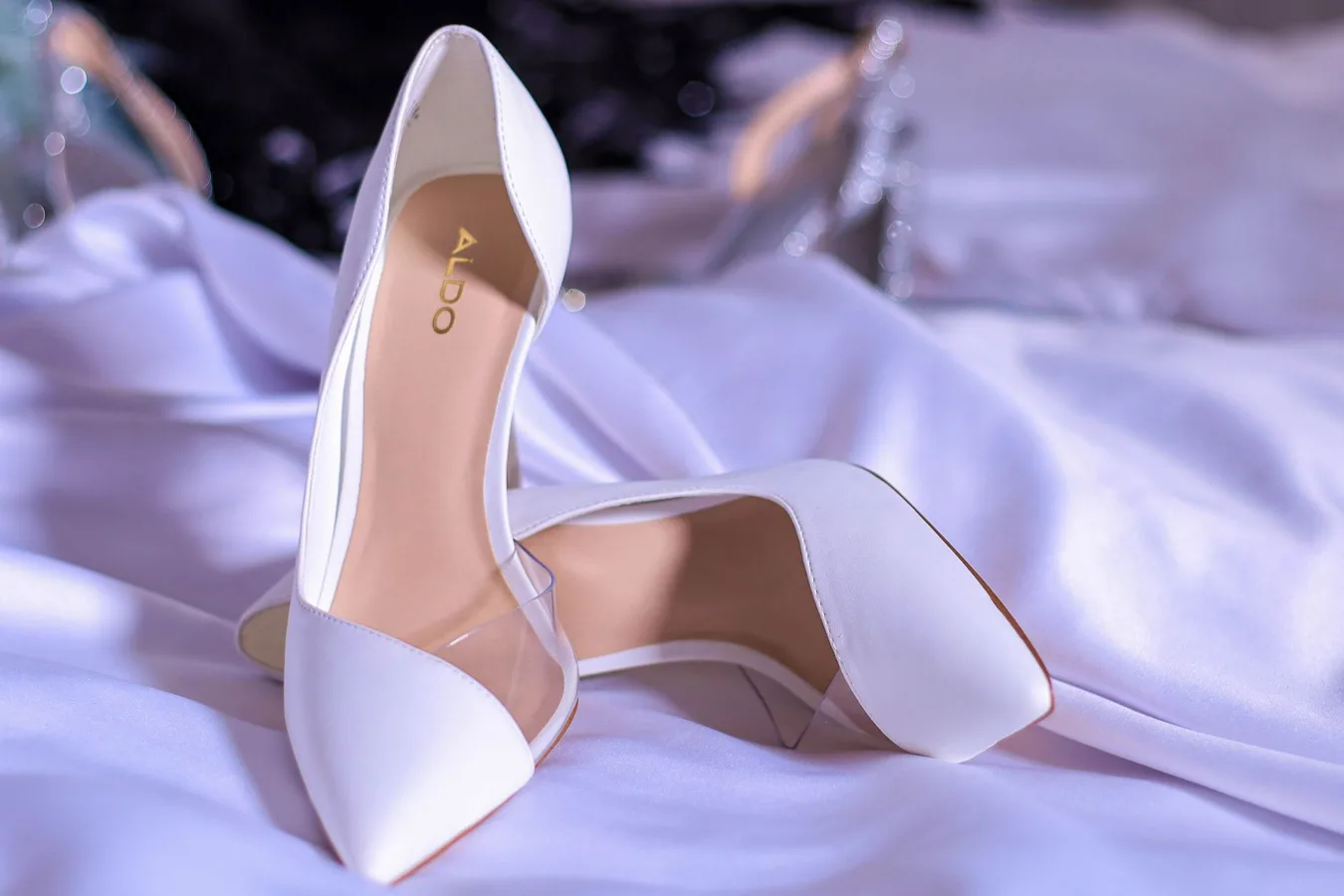
Quick answer: what to look for in prom heels
The best heels shoes for prom are the ones that match your dress, feel secure on your feet, and let you move comfortably through photos, dinner, walking, and dancing. For most people, that means choosing a heel height you can actually manage, a fit that does not slip at the back or squeeze the toes, and a design with enough stability for a long evening. styling shoes with formal dresses offers more detail on this point.
If you want the simplest rule, start with three questions: Does it work with the dress? Can you walk in it confidently? Will it still feel wearable after a few hours? If the answer to any of those is no, keep looking.
Prom heels are not just a style choice. They affect posture, balance, and how easily you can enjoy the night. A shoe that looks perfect online can still be a poor choice if it has a steep pitch, a slippery sole, or a shape that does not suit your foot.
How to compare prom heels without getting distracted by the pretty parts
Prom shoes are often chosen for their finish first, but the details that matter most are usually the quiet ones. A heel that is slightly less dramatic can be a better option than a taller shoe that feels unstable. Likewise, a shoe that looks simple may work better with a detailed dress than something heavily embellished.
Heel height
Heel height is one of the biggest comfort decisions. Higher heels can elongate the leg and create a dressier look, but they also place more pressure on the ball of the foot. Lower heels often feel more manageable, especially if you will be on your feet for long stretches or are not used to wearing heels often.
A useful way to think about it: choose the highest heel you can walk in naturally, not the highest heel you can tolerate for a few minutes in the mirror. If you are unsure, a mid-height heel or a block heel is often a safer starting point than a narrow stiletto.
Heel shape and stability
The heel shape matters as much as the height. Thin heels can look elegant, but they may feel less forgiving on uneven floors, grass, or crowded photo locations. Block heels tend to distribute weight more evenly and usually feel steadier. Wedges can also offer stability, though they create a different visual line and may not suit every dress.
For prom, stability is not just about comfort. It helps you move more naturally, reduces the urge to constantly adjust your stance, and can make stairs, dance floors, and longer walks much easier.
Toe shape
The toe shape affects both style and wearability. Pointed toes can look refined but may feel snug if your feet spread during the evening. Rounded and almond shapes often give the toes more room. Open-toe styles can feel more breathable, though they may not provide as much security if the shoe fit is loose.
If your dress is formal and sleek, a pointed or almond toe can complement the silhouette. If comfort is the priority, a toe shape that gives your front foot some breathing room is usually the better trade-off.
Straps and support
Straps are often overlooked, yet they make a major difference. An ankle strap can help keep the foot from sliding forward, while a secure vamp or toe strap can add confidence when walking. The downside is that straps can also cut into the skin if they are too tight or placed in the wrong spot.
Look for support that feels reassuring rather than restrictive. A shoe should hold the foot in place without leaving you with red marks before the night even starts.
Material and finish
Materials affect both appearance and care. Satin, faux leather, metallic finishes, glitter textures, and embellished uppers each bring a different look. Softer materials may feel more forgiving, while firmer constructions can hold their shape better. Smooth finishes are often easier to coordinate with multiple dress styles, while highly decorated shoes can compete with a detailed gown.
The practical question is not just which material looks best, but which one suits your event. If you will be outdoors at any point, a delicate finish may show wear more easily. If the dress is already ornate, a cleaner shoe can create balance.
Which prom heel style fits which type of outfit?
There is no single “best” prom heel. The right choice depends on the dress, the mood of the outfit, and how much movement you want to allow. Matching style and function is usually smarter than chasing the most dramatic option.
| Heel style | Best for | Main trade-off |
|---|---|---|
| Block heels | Stability, dancing, long wear | Can look less delicate than a stiletto |
| Stilettos | Formal, sleek silhouettes | Less forgiving for extended wear |
| Low heels | Comfort, first-time heel wearers | Less leg-lengthening effect |
| Wedges | Extra support and steadiness | Not always the best match for every dress |
| Platform heels | Added height with some front support | Can feel bulky if the design is heavy |
If your dress is heavily embellished, a simpler heel often works best. If your dress is clean and minimal, a more decorative shoe can become part of the look. The shoe should support the outfit, not fight it.
Comfort details that make a real difference
Comfort in prom heels usually comes from fit and construction, not from the label or the appearance of softness. A shoe can look cushioned and still be hard to wear if the shape is wrong for your foot.
- Toe room: Enough space to prevent pinching, especially if your feet swell later in the evening.
- Heel grip: A secure back so your foot does not slide up and down.
- Insole feel: Some cushioning can help, but it should not make the shoe sloppy.
- Sole traction: Better grip can reduce slipping on smooth floors.
- Strap placement: Straps should hold the shoe in place without digging in.
One overlooked consideration is that prom shoes are often worn for a longer stretch than people expect. Even a pair that feels fine during a short fitting can start to reveal pressure points once you are standing for photos, walking from place to place, and dancing.
Common mistakes to avoid when shopping for prom heels
Many prom shoe disappointments happen because the shopper focuses on color and height first, then discovers problems later. Avoiding a few common mistakes can save a lot of discomfort.
- Buying only for the look: A beautiful heel that causes instability is not a good prom shoe.
- Ignoring dress length: The wrong heel height can make a hem drag or sit awkwardly.
- Choosing a shoe that is too small: A tight fit may seem manageable at first, but it often gets worse as the night goes on.
- Skipping a short walk test: Standing still is not enough to judge comfort or balance.
- Forgetting the venue: Carpet, tile, stairs, pavement, and grass all affect how a heel performs.
- Leaving no backup plan: If the shoe is brand new, having a comfortable alternative nearby is wise.
A common misconception is that breaking in a shoe means it will become comfortable no matter what. Break-in time can help with stiffness, but it cannot fix a poor shape, an unstable heel, or a size mismatch.
How to match prom heels to your dress and evening plans
The best prom heels are chosen in context. A shoe that looks perfect with one dress may feel wrong with another. Start with the dress, then think about how much movement the evening requires.
For a full ball gown
With a long or voluminous dress, comfort and stability often matter more than a highly visible shoe detail. The heel may not be seen much, so a supportive block heel or a moderate stiletto can make sense. What matters most is whether the shoe helps the dress sit and move properly.
For a fitted or slinky dress
Sleeker dresses often pair well with refined heels such as stilettos, slim straps, or pointed toes. These styles can create a clean line, but they demand more from the wearer. If you prefer more comfort, a lower heel in a similar silhouette can preserve the look without as much strain.
For a shorter dress
With a shorter hemline, shoes become more visible. That gives you more room to play with embellishment, color, or texture. Still, the shoe should not outshine the outfit unless that is the effect you want.
For lots of dancing
If dancing is a major part of the plan, prioritize steadiness over extreme height. Block heels, ankle straps, and moderate heel heights often make more sense than a very tall, narrow heel. A shoe that lets you move freely can matter more than a shoe that photographs well for a few seconds.
Alternatives if heels are not the best choice
Not everyone needs to wear traditional heels to look dressed up for prom. If comfort, stability, or foot shape makes heels a poor option, there are good alternatives that still feel formal.
- Dressy low heels: A polished compromise between height and comfort.
- Block-heel sandals: A steadier option that still reads formal.
- Embellished flats: A smart choice for anyone who wants elegance without height.
- Sparkly kitten heels: A low, refined option with a dressy feel.
The key is to choose footwear that suits the event and your body rather than forcing a style that looks good in theory but becomes a problem in practice.
Practical fit checks before you commit
Before deciding on any prom heel, use a few simple fit checks. These do not require special tools, just a bit of honest evaluation.
- Try the shoes on later in the day if possible, when feet may be a bit larger.
- Walk on a hard surface to see how stable they feel.
- Check whether your heel lifts too much at the back.
- Make sure your toes are not cramped at the front.
- Notice whether the arch feels supportive or overly strained.
- Pair them with the dress length to confirm the proportions work.
If any part feels off during a short try-on, assume it may feel worse after a few hours. Prom night usually leaves less room for comfort issues than an ordinary outing.
Style details that matter more than people expect
Small design choices can change how prom heels look and feel. A narrow ankle strap can make a leg line appear longer, but it can also be less forgiving if it sits in the wrong place. Metallic finishes can work with many colors, though they may look louder than expected under flash photography. Clear heels can feel modern, but they do not automatically solve comfort or support issues.
Another practical nuance is how the shoe interacts with accessories. If your dress already has rhinestones, sequins, or strong embroidery, a simpler heel may be the better balance. If your outfit is understated, the shoe can take on more of the visual role.
What matters most for long-term value
Even for a single event, long-term value can still matter. A shoe that is versatile enough to reuse for weddings, graduations, formals, or other special occasions tends to justify the purchase better than something so specific that it has no life after prom. Neutral colors, balanced heel heights, and clean silhouettes often wear better over time than trend-heavy designs.
That does not mean the shoe has to be plain. It means the most useful prom heels are usually the ones that can do more than one job while still fitting the event. If you expect to wear them again, choose a design that can work with more than one dress code.
Choosing with confidence
Heels shoes for prom should make the night feel easier, not more complicated. Focus on fit, balance, and how the shoe works with your dress and plans for the evening. The prettiest option is not always the best one, and the most comfortable option is not always plain. The best choice is the one that looks right, feels secure, and lets you enjoy the event without thinking about your feet the whole time. how to choose prom shoes offers more detail on this point. Church Shoes: How to Choose the Right Pair offers more detail on this point.
If you narrow your search around heel height, support, toe shape, and outfit compatibility, you will usually end up with a better result than by shopping based on style alone.