

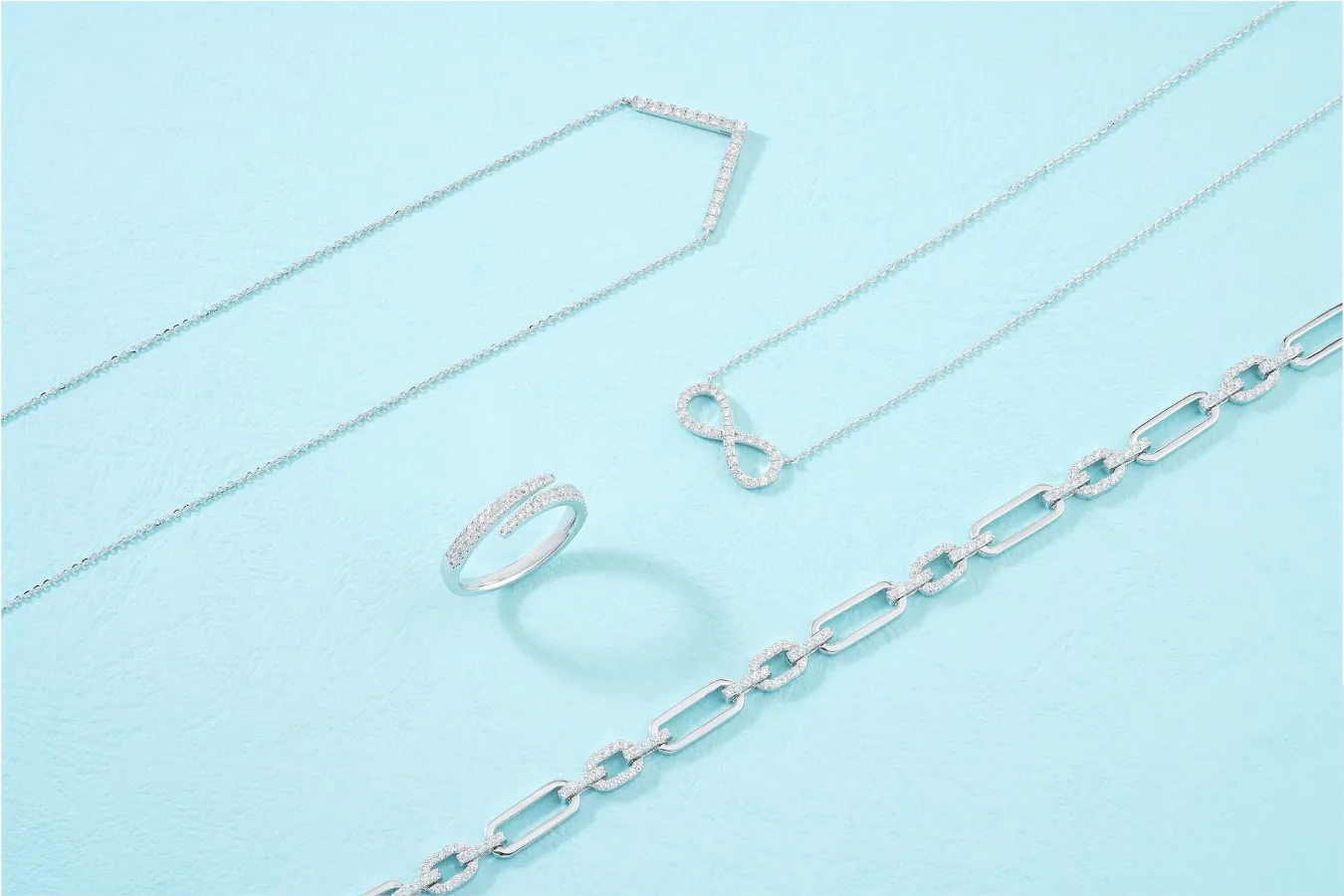
Fashion jewelry diamond pieces sit at the intersection of style and practicality: they deliver the sparkle many shoppers want, without requiring every purchase to be a long-term investment in fine jewelry. For most people searching this term, the real question is not whether the piece contains a mined diamond. It is how to choose fashion jewelry that looks polished, wears well, and fits the occasion. Rings Fashion Jewelry: A Practical Buying Guide offers more detail on this point. Diamond Fashion Jewelry Buying Guide offers more detail on this point.
That choice depends on a few factors that matter more than marketing language: the base metal, the type of stone or diamond-like accent, the setting, the finish, and how often you expect to wear it. A well-made fashion piece can look elegant for seasonal wear, events, or everyday styling. A poorly made one may tarnish, loosen stones, or feel uncomfortable fast.
What fashion jewelry diamond usually means
The phrase can point to a few different things. Some pieces feature small genuine diamonds set into fashion-forward designs. Others use diamond simulants, such as cubic zirconia or moissanite, to create a similar look at a lower cost. And some items simply borrow the visual language of diamond jewelry through clear stones, bright metal finishes, and classic silhouettes.
That distinction matters because the value, durability, and care needs are not the same. A piece with diamond accents in sterling silver behaves differently from a gold-plated statement necklace with clear stones. If you treat them as identical, you may end up disappointed by wear time, comfort, or maintenance.
The key factors that matter before you buy
1. Stone type and visual effect
If your priority is sparkle, focus on how the stone reads in natural light rather than only on the label. Diamond accents, cubic zirconia, and moissanite all create a bright appearance, but they differ in hardness, brilliance, and overall feel. A piece can be visually convincing even if it is not made with diamonds, which is why product descriptions should be read carefully.
For shoppers who want the prestige of real diamonds in a fashion-forward setting, smaller accent stones may be the right fit. For shoppers who want a bold look for occasional wear, simulated stones often provide more design flexibility.
2. Base metal and plating
The metal underneath the finish affects comfort, color, and longevity. Common options include sterling silver, brass, stainless steel, and gold-plated or rhodium-plated alloys. Sterling silver offers a classic look but may require more care to prevent tarnish. Plated pieces can look luxurious at first, but the finish may wear over time, especially on rings and bracelets that see regular friction.
One overlooked detail is skin sensitivity. If you react to certain metals, the visual design may be less important than the actual base material and plating quality. When possible, check whether the piece is nickel-free or designed for sensitive skin.
3. Setting quality
The setting determines how secure the stones feel and how the piece handles daily wear. Prong settings can showcase more sparkle, but they may snag more easily. Bezel settings offer a cleaner, more protective edge around the stone and are often a smart choice for active wearers. Channel settings can work well for rows of stones because they reduce exposed edges.
Setting style is not just a design choice. It affects maintenance, comfort, and how likely a stone is to loosen over time.
4. Finish and color consistency
High-shine pieces can look elegant, but they also reveal scratches and wear more easily. Brushed, matte, and antique-style finishes can be more forgiving. Pay attention to whether all visible parts of the jewelry match in tone. A necklace with a warm gold face and a cooler-toned clasp can feel less refined, especially if the piece is intended for dressier outfits.
5. Weight and comfort
Fashion jewelry should look good, but it also needs to feel wearable. Large earrings, oversized rings, and layered necklaces can be uncomfortable if the piece is too heavy or poorly balanced. Comfort matters even more for event jewelry, because a piece that needs constant adjusting rarely gets worn again.
If you are shopping online, product photos do not always reveal weight or movement. Read the item description for clues about size and construction, and consider whether the design suits long wear or shorter, occasion-based use.
How to judge quality without overthinking it
A useful way to evaluate fashion jewelry diamond pieces is to look at the combination of design, materials, and finish rather than trying to judge every piece by the same standard. A delicate pendant and a bold cocktail ring serve different purposes. The pendant may need subtle craftsmanship and secure stone placement, while the ring may need a more durable base and better protection at the edges.
Here are the signals that usually point to better-made fashion jewelry:
- consistent plating or metal color across visible surfaces
- stones that sit evenly and do not appear crooked
- secure clasps, hinges, or earring backs
- smooth edges that do not catch on fabric
- clear product descriptions about materials and care
Common warning signs include vague material claims, overly glossy photos with little detail, and designs that seem too fragile for the intended use. If a product does not explain what it is made from, assume it may require gentler handling than the image suggests.
Practical ways to choose the right piece
For everyday wear
If you want something for frequent use, prioritize comfort, secure settings, and a metal finish that can handle repeated contact. Smaller diamond accent pieces, simple studs, slim bracelets, and understated pendants usually age more gracefully than large statement styles. For daily styling, versatility is often more valuable than maximum sparkle.
For special occasions
If the jewelry is meant for a wedding, holiday party, or evening event, the design can be bolder. Larger stones, chandelier earrings, and ornate necklace designs can work well here because they are worn less often and are usually paired with a specific outfit. In that case, the visual impact may matter more than long-term durability.
For gifting
Gift purchases should lean toward broad appeal. Clean designs, neutral metal tones, and adjustable sizing are safer choices than trend-heavy pieces. If you do not know the recipient’s style well, classic silhouettes with diamond-like accents tend to be easier to wear than highly directional fashion statements.
For budget-conscious shoppers
Budget matters, but the cheapest option is not always the best value. A well-constructed piece that resists tarnish and keeps its shape will usually outlast a more decorative item with weak hardware. If you are choosing between style and build quality, favor the piece that looks slightly simpler but feels sturdier.
Style considerations that make the difference
Fashion jewelry works best when it supports the outfit rather than competing with it. Diamond-like pieces often do well with clean lines, monochrome clothing, tailored silhouettes, and eveningwear. But they can also soften casual looks when used sparingly.
One practical rule is to match the scale of the jewelry to the scale of the outfit. A large, ornate necklace can overwhelm a delicate neckline. Small studs may disappear under a high-impact outfit. Earrings, necklaces, and rings should feel visually balanced, not matched so closely that the overall look feels rigid.
Another common misconception is that fashion jewelry has to look exactly like fine jewelry to be effective. In practice, slightly stylized pieces often look more interesting. A modern cuff, an asymmetrical pendant, or a mixed-metal ring can feel more intentional than a perfect imitation of a traditional diamond setting.
Durability and care: where expectations should stay realistic
Fashion jewelry is usually more sensitive to moisture, lotions, perfume, and rough storage than fine jewelry. That does not make it a poor choice; it simply means expectations should match the materials. Plated finishes can fade, and delicate settings can loosen with repeated wear.
To extend the life of your pieces, store them separately, wipe them gently after wear, and avoid exposing them to water unless the maker specifically says the item can handle it. Rings and bracelets tend to show wear sooner because they contact surfaces more often. Earrings and pendants often hold up better if they are removed carefully and stored properly.
Packaging can also be a clue. A simple pouch or lined box is helpful for storage, but the real value comes from how the jewelry is built. Better construction often matters more than decorative packaging.
When to choose fashion jewelry over fine jewelry
Fashion jewelry diamond styles make sense when you want design variety, lower commitment, or a piece that follows trends without requiring a large investment. They are especially useful for outfit-specific accessories, seasonal styling, and occasions where you want visual impact more than heirloom value. fashion jewelry styling basics offers more detail on this point.
Fine jewelry may be the better choice if you need something for daily, long-term wear, if you want stronger resale or sentimental value, or if you prefer the permanence of precious metals and natural diamonds. The decision is less about status and more about purpose. A fashion piece can be the smarter option when your main goal is flexibility.
Common mistakes to avoid
- assuming all diamond-looking jewelry is made the same way
- buying only by photo and ignoring materials
- choosing oversized pieces without checking comfort
- wearing plated jewelry in situations that will quickly damage the finish
- matching every piece too literally instead of building a balanced look
- overlooking skin sensitivity and clasp quality
Another mistake is treating fashion jewelry as disposable. Even lower-cost pieces benefit from careful storage and gentle wear. A little maintenance can make a noticeable difference in how long the jewelry stays attractive.
Helpful alternatives to consider
If you like the look of fashion jewelry diamond pieces but want to compare options, consider these alternatives:
- Cubic zirconia jewelry for bright sparkle and broad styling flexibility
- Moissanite jewelry for a different type of brilliance and a more jewelry-forward feel
- Sterling silver pieces for a cleaner, more substantial everyday option
- Gold vermeil or gold-plated styles if you want a warmer finish
- Minimalist plain-metal jewelry if you prefer subtle accessorizing over stone-heavy looks
These alternatives are not interchangeable, but they can help narrow your search depending on how often you plan to wear the piece and how much maintenance you are comfortable with.
Quick decision guide
If you want the shortest path to a good choice, start with purpose. For daily wear, choose secure, lightweight, comfortable pieces with clear material information. For events, focus on visual impact and outfit pairing. For gifting, go classic and adjustable. For sensitive skin or repeated use, prioritize the base metal and finish over the size of the stones.
In other words, the best fashion jewelry diamond piece is not the flashiest one. It is the one that fits the occasion, holds up to the way you live, and looks intentional with the rest of your wardrobe.
Frequently asked questions
Are fashion jewelry diamond pieces real diamonds?
Sometimes, but not always. The term can refer to pieces with small genuine diamonds, diamond accents, or diamond-look stones such as cubic zirconia or moissanite. Always check the material description.
What is the best metal for fashion jewelry?
There is no single best choice. Sterling silver, stainless steel, gold-plated alloys, and rhodium-plated pieces all have different strengths. The right option depends on wear frequency, skin sensitivity, and the look you want.
Can fashion jewelry be worn every day?
Some pieces can, especially if they are simple and made with sturdier materials. But many fashion items are better suited to rotating use, since plated finishes and delicate settings can wear faster with daily contact.
How do I keep fashion jewelry from tarnishing?
Store it dry, avoid perfume and lotions on the piece, and wipe it gently after wearing. Keeping items separated helps prevent scratches and finish wear.
Is fashion jewelry a good alternative to fine jewelry?
Yes, if your goal is style variety, trend flexibility, or affordable accessorizing. It is less suitable if you want long-term heirloom value or a piece meant for constant wear with minimal upkeep.