

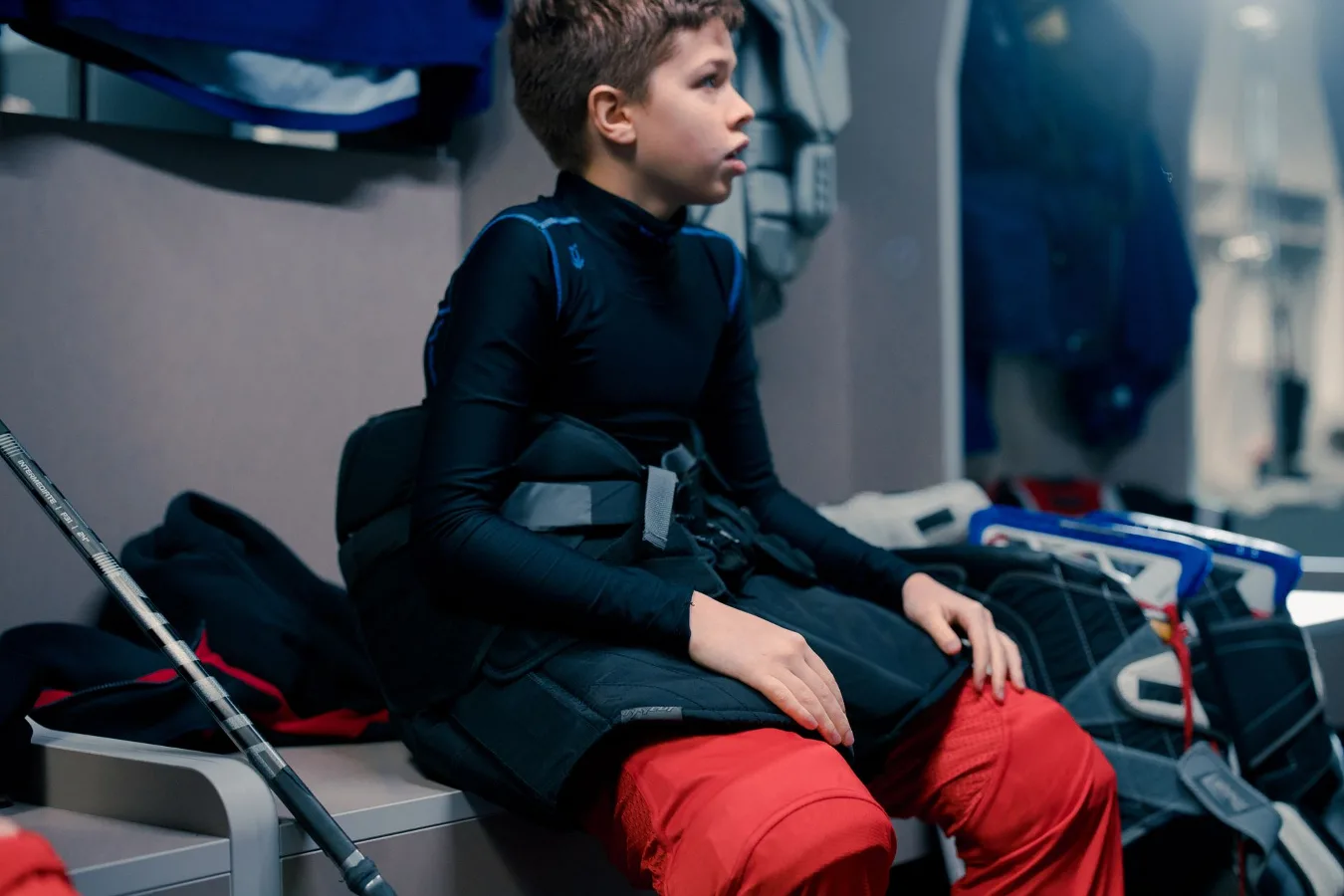
Used affordable sport gear for teens makes sense when the goal is simple: get safe, functional equipment without paying full price for items a growing athlete may outgrow quickly. For families balancing school sports, rec leagues, and seasonal activities, pre-owned gear can be a practical option, but only if you shop with a clear checklist. what to inspect before buying pre-owned gear offers more detail on this point. top safety gear for kids’ sports offers more detail on this point.
The best approach is not to look for the cheapest item on the shelf. It is to find gear that still fits well, meets the needs of the sport, and shows no signs of damage that could affect safety or performance. Some categories are excellent candidates for used buying. Others are better purchased new.
What makes used gear a smart option for teens
Teens often move through sizes quickly, and many sports have short equipment cycles. That creates a natural case for buying used. A lightly used pair of cleats, a practice bag, a batting glove, or a training jacket may offer plenty of remaining life at a lower cost than new gear.
Used gear can also help families try a sport before committing to a full setup. If a teen is exploring lacrosse, volleyball, wrestling, skateboarding, or another activity, buying secondhand can reduce the cost of the first season while interest and skill level are still developing.
That said, “used” should never mean “unexamined.” The value of secondhand gear depends on condition, age, fit, and whether the item is still appropriate for the sport and the player’s level.
The buyer scenario: where used gear works best
Used affordable sports gear tends to work best in a few common situations.
- Growing athletes: If a teen is still changing sizes, buying new equipment every season may not be practical.
- Introductory players: Beginners often do not need the most advanced gear right away.
- Backup and practice needs: Some families want a spare pair of shoes, a training jersey, or an extra ball bag for practices and travel.
- Lower-risk categories: Items like apparel, bags, certain training accessories, and some non-protective equipment are often safer used purchases than protective gear.
For team sports, used gear can also fill gaps when school-issued items are limited or when a teen wants personal gear that matches their preferences without requiring a large investment.
Where the trade-offs show up
Secondhand sports gear usually saves money, but the savings come with trade-offs. The most obvious one is condition. A lower price may reflect wear that affects comfort, grip, support, or protection.
Another trade-off is choice. Used gear selection depends on what is available, so it can take time to find the right size, color, or sport-specific model. That is less convenient than buying new, especially if the season is starting soon.
There is also a replacement question. Some items may look fine at first glance but have limited remaining life. That is especially important for equipment that absorbs impact, endures repeated stress, or relies on intact structural materials.
Used gear is usually most appealing when the item is still in good condition and the expected lifespan is long enough to justify the effort of shopping secondhand.
Material and spec factors that matter most
For teens, used gear should be judged by how well it still performs the job. That means paying attention to materials, construction, and the parts of the item that experience the most wear.
Fit and adjustability
Fit matters more than brand name in many cases. A good-looking item that is too loose, too tight, or impossible to adjust will be frustrating and may be unsafe. This is especially true for helmets, guards, shoes, cleats, braces, and fitted apparel.
For growing teens, adjustable features can extend value, but only within a reasonable range. If the gear is already near the edge of what works, it may not last long enough to be worth buying used.
Wear points
Look closely at the areas that see the most stress: soles, straps, seams, padding, zippers, handles, and attachment points. These spots often reveal more about condition than the overall appearance of the item.
For shoes and cleats, the outsole and upper should still provide structure. For bags, straps and seams should hold weight without fraying. For gloves, padding and closure systems should still feel secure.
Material condition
Some materials tolerate secondhand use better than others. Durable synthetics, sturdy mesh, and well-made textiles may age fairly well if they were cared for properly. Soft foam, compressed padding, and cracked plastics are more concerning because their condition can be hard to judge from a distance.
If the item has a hard shell, frame, or molded components, check for warping, cracks, and stress marks. If it depends on cushioning, make sure the padding has not flattened so much that comfort or protection is compromised.
Sport-specific considerations
Different sports place different demands on gear. A basketball shoe and a baseball glove are not interchangeable, and a used item should be evaluated through the lens of its actual use.
- Running and court shoes: check cushioning, tread wear, and support.
- Field sports cleats: check the studs, sole integrity, and upper material.
- Protective gear: inspect padding, straps, fit, and any signs of impact damage.
- Training accessories: look for function first, since cosmetic wear may matter less than usability.
- Apparel and outerwear: check seams, stretch, closures, and odor retention.
What is worth buying used, and what usually is not
Some categories are naturally better suited to used buying than others. A practical approach is to separate gear into “usually reasonable” and “usually better new.”
Often reasonable used purchases
- practice apparel
- team warm-ups
- duffel bags and backpacks
- training cones and agility tools
- some bats, sticks, and rackets if condition is good and rules allow it
- non-safety-critical accessories
Usually better bought new
- items with critical safety functions
- gear with hidden internal wear that is difficult to assess
- heavily molded protection where cracks or compression matter
- items that must meet a specific league or school requirement and need a known history
The exact line depends on the sport, the league, and the condition of the item. When in doubt, safety-focused gear deserves more caution than casual-use gear.
Safety checks before you buy
A low price is not a good deal if the gear cannot do its job. Use a simple inspection routine before you commit.
- Check the overall structure. Look for cracks, bends, splits, or permanent deformation.
- Test closures and adjustments. Buckles, straps, laces, zippers, and Velcro should still work reliably.
- Look for excessive wear. Thin spots, severe fraying, flattened padding, and worn-out soles can shorten useful life.
- Confirm cleanliness. Odor, mold, and heavy grime can be signs of poor storage or hard use.
- Verify fit and purpose. Make sure the item suits the teen’s current size and the specific sport or position.
If the item has any safety relevance, ask yourself a simple question: would I be comfortable using this if I had no way to know its full history? If the answer is no, pass on it.
Common mistakes shoppers make
One common mistake is buying for the current bargain instead of the current need. Teens change quickly, but that does not mean every larger item is a good investment. A piece of gear that is too big now may be awkward or unsafe, even if it seems like a future-proof purchase.
Another mistake is overlooking the cost of making used gear usable. Cleaning supplies, replacement insoles, new laces, or minor repairs can erase much of the savings if the item is in rough shape.
Shoppers also sometimes assume all used gear is automatically more sustainable and budget-friendly. That is only true if the item still has meaningful life left. Poor-condition gear that ends up unused is not much of a bargain. budget-friendly sports gear basics offers more detail on this point.
A more subtle mistake is focusing on brand reputation instead of condition. A recognized name does not matter if the item is worn out, poorly sized, or incompatible with current rules.
How to judge value without overpaying
Used gear should be priced according to condition, remaining life, and replacement ease. A common-sense way to think about value is to compare the asking price with three questions: how soon will this need replacing, how much effort will it take to make it usable, and how important is it that the gear performs perfectly?
Items with long usable life, simple cleaning needs, and minimal safety concerns often deliver the best value. Items that are heavily worn, difficult to sanitize, or essential to protection are less forgiving.
If the price difference between used and new is small, new may be the better decision because it can offer a cleaner start, a full lifespan, and fewer unknowns. Used gear makes the most sense when the savings are meaningful enough to justify the inspection work.
Alternatives to buying used
Used gear is only one way to keep costs down. Depending on the situation, other options may be just as practical.
- End-of-season clearance: Helpful when sizing is available and the item is not time-sensitive.
- Team hand-me-downs: Convenient for families with older siblings or teammates who are passing gear along.
- Rental programs: Useful for sports with specialized equipment or short trial periods.
- Borrowing for a season: Can make sense for teens who are testing a new sport.
- Simple new basics: Sometimes a lower-cost new item is better than a worn secondhand one.
The smartest choice is the one that best matches the sport, the teen’s commitment level, and the risk involved in the gear category.
Maintenance after purchase
Once you bring used gear home, a little care can extend its life and make it more comfortable.
- clean it according to the material
- air it out thoroughly after use
- replace worn laces, inserts, or straps when appropriate
- store it in a dry place away from heat and moisture
- check it regularly for new wear, especially during the season
Maintenance matters most for shoes, protective items, and anything with padding or fabric that can trap moisture. Good storage also helps reduce odors and slows down deterioration.
What to do next
If you are shopping for used affordable sport gear for teens, start with the sport, then narrow your search by safety, fit, and condition. Decide which items are acceptable used, which should be new, and which need a closer inspection before purchase.
A strong secondhand buy is usually one that fits well, looks structurally sound, and still has enough life left to matter. If the gear fails any of those tests, keep looking. Saving money should never come at the expense of comfort or safety.
FAQ
What sports gear is safest to buy used for teens?
Apparel, bags, training accessories, and some non-protective equipment are often the safest used purchases. Anything with a strong safety role deserves a more careful inspection or a new purchase.
How can I tell if used sports gear still fits a teen properly?
Have the teen try it on or compare it to their current measurements and equipment needs. Look for secure closures, enough range of adjustment, and no pressure points or instability during movement.
Is used gear a good choice for growing teens?
Yes, especially for items they may outgrow quickly. The key is to balance growth room with safe, usable fit. Buying oversized gear just to extend its life can create problems.
What should I avoid when buying secondhand sports gear?
Avoid items with cracks, flattened padding, broken closures, strong odors that do not improve with cleaning, and anything that does not fit the teen correctly.
When does it make more sense to buy new instead?
New is usually better when the item affects safety, has hidden wear that is hard to judge, or is close enough in price that the extra certainty is worth it.