

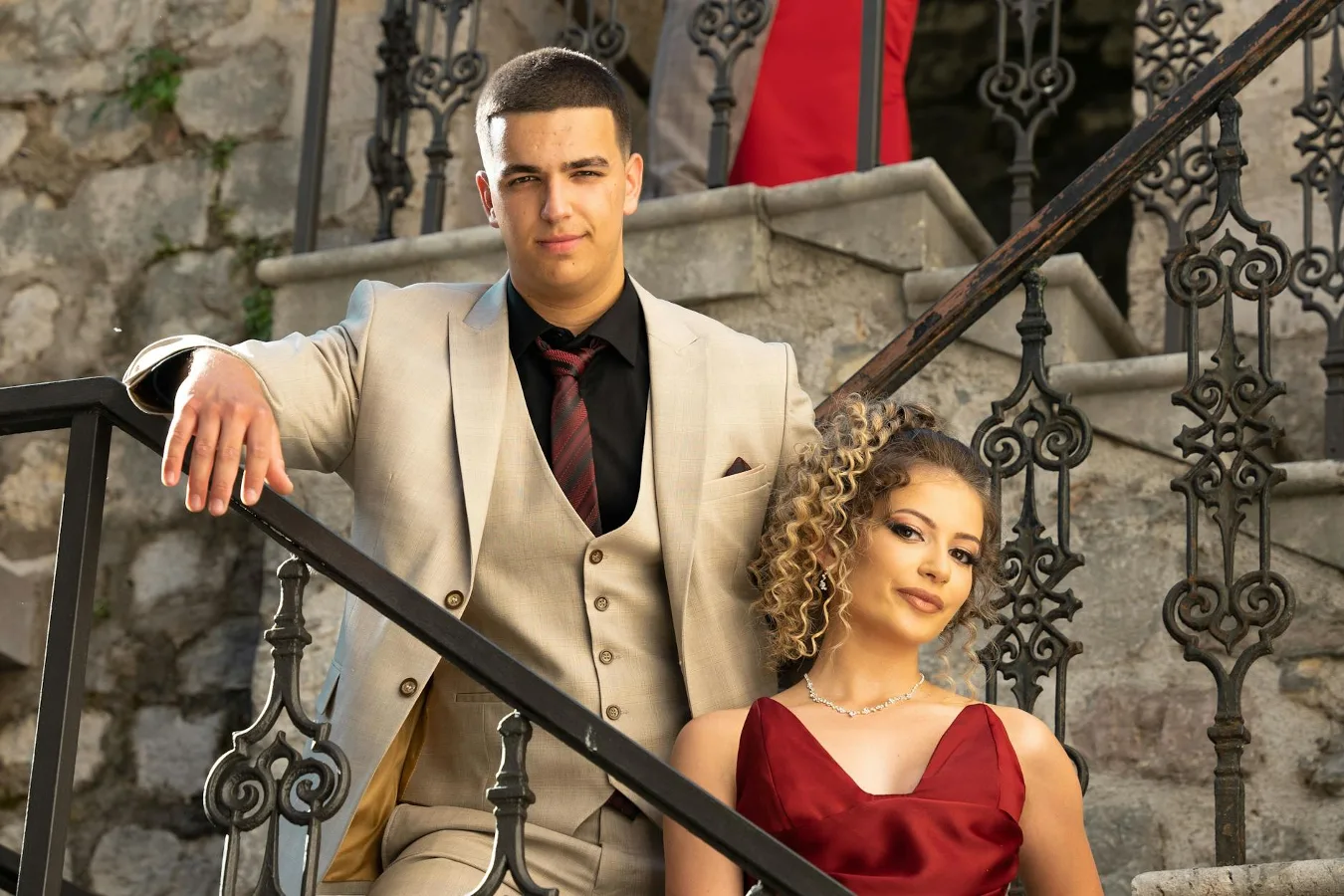
Prom fashion jewelry is the finishing layer that can make a formal outfit feel intentional. The best pieces highlight the dress, flatter the neckline, and stay comfortable enough to wear through photos, dinner, and dancing. prom style ideas by dress neckline offers more detail on this point.
If you are choosing jewelry for prom, start with the dress rather than the accessories. A heavily embellished gown usually needs restraint, while a simple satin or crepe dress can handle more sparkle. From there, focus on three practical questions: what the dress neckline allows, how much shine the outfit already has, and whether the jewelry will feel comfortable for several hours. how to choose jewelry for a prom dress offers more detail on this point. simple jewelry for embellished dresses offers more detail on this point.
Start with the dress, not the jewelry
The most reliable way to choose prom fashion jewelry is to treat the dress as the main design element. Jewelry should support the outfit’s shape and texture, not fight with it. That means the same earrings or necklace can look perfect with one dress and feel awkward with another.
A good first step is to identify the dress’s strongest visual feature. Is it the neckline, the beading, the color, the open back, or the silhouette? Once that is clear, the jewelry decision becomes easier.
- Simple dress: You usually have room for more visible jewelry.
- Embellished dress: Smaller, cleaner pieces often work better.
- Open neckline: A necklace may fit, but it should follow the neckline’s shape.
- High neckline: Earrings often become the stronger choice.
- Detailed bodice: Keep accessories subtle so the dress remains the focus.
Buyer scenario: what kind of prom look are you building?
Different shoppers need different jewelry strategies. A student wearing a minimalist dress and sleek hairstyle may want a stronger accessory moment. Someone choosing a dramatic gown with sequins may need barely-there sparkle. Thinking in terms of the full look prevents overbuying pieces that seem attractive on their own but do not work in context.
If your dress is simple
This is the easiest scenario for experimenting. A plain dress can support statement earrings, a layered necklace, a bold cuff, or a coordinated set. The main caution is scale. One standout piece is often enough.
If your dress already has sparkle
When the gown has beading, crystals, or metallic thread, the safest approach is usually refinement. Small studs, slim bracelets, or a fine chain can add polish without creating visual noise.
If your dress is strapless or off-the-shoulder
These necklines often leave room for a necklace, but not every necklace style works equally well. A choker can look modern, while a pendant may need enough open space to avoid feeling lost. Earrings still matter, especially if the hairstyle pulls the hair back.
If your dress has a high neckline
High necklines tend to make necklaces feel unnecessary or crowded. This is where earrings and bracelets usually do more useful work. A clean earline can be especially effective if the dress is sleek and the hair is styled up or back.
Material and finish matter more than people expect
Prom fashion jewelry often gets chosen for appearance alone, but material and finish affect comfort, durability, and how the piece looks in real light. That matters because prom is not a short photo session. You may wear the jewelry for many hours, indoors and outdoors, under flash photography, and while moving a lot.
Metal tone is the first consideration. Silver-tone pieces often feel crisp and modern, while gold-tone jewelry tends to read warmer and softer. Rose gold can be flattering with blush, champagne, and warmer dress colors, though the right choice depends on the garment and your skin tone preferences.
Stone look is the second consideration. Clear crystals and rhinestone-inspired designs are common because they pair with many colors. Pearl-like details can soften a look, while colored stones may echo the dress or bouquet if the overall outfit is coordinated.
Base material matters too, especially for comfort. Fashion jewelry can vary widely in plating quality, weight, and skin-friendliness. If your skin is sensitive, check whether the item is described as nickel-free or hypoallergenic, but remember that descriptions can vary by seller and do not guarantee the same experience for every person.
Trade-offs to think about before buying
Prom jewelry often involves a trade-off between visual impact and wearability. Pieces that photograph beautifully may feel heavier than expected. Lightweight items may be comfortable, but they can disappear in photos or under bright lighting.
- Statement pieces: Strong visual effect, but they can dominate the outfit.
- Minimal pieces: Easy to wear, but they may feel too subtle with a plain dress.
- Matched sets: Convenient and cohesive, but sometimes less flexible than mixing pieces.
- Individual pieces: More adaptable, but they require better styling judgment.
A common misconception is that more sparkle always looks more formal. In practice, too many competing shiny elements can make an outfit feel busy. A refined necklace or one strong pair of earrings often reads more polished than several large pieces worn together.
Comfort is part of the style decision
Comfort is not a minor detail for prom fashion jewelry. Earrings that pull on the earlobe, bracelets that snag on sleeves, or necklaces that shift constantly can become distracting. The more elaborate the jewelry, the more important it is to think about movement and weight.
Look closely at closure types, edges, and how the piece sits against the skin. Smooth backs, secure clasps, and moderate weight are all useful indicators. If you plan to dance a lot or wear your hair up, earrings should feel stable. If your dress has delicate fabric, avoid pieces that might catch or rub.
Overlooked consideration: the jewelry should work with the whole evening, not just the first photo. Something that feels perfect while standing still may be frustrating once you are sitting, walking, and moving between events.
Matching jewelry to the neckline
Neckline compatibility is one of the most practical ways to narrow your options. It can prevent the common mistake of choosing a beautiful piece that simply sits in the wrong place visually.
- Sweetheart neckline: Often works with a short necklace or a delicate pendant.
- V-neck: Usually pairs well with a pendant that echoes the shape.
- Strapless: Can support chokers, short necklaces, or no necklace at all.
- Halter or high neck: Usually looks cleaner with earrings and no necklace.
- One-shoulder: Often benefits from asymmetrical restraint; earrings may be enough.
This is where restraint becomes a style choice rather than a compromise. Skipping a necklace is not under-accessorizing if the neckline is already doing the visual work.
Choose the right level of sparkle
Prom fashion jewelry spans a wide range, from subtle polished metal to high-shine crystal designs. The best level of sparkle depends on the dress fabric, the event setting, and your personal style.
Low sparkle works well with dresses that already have texture, shine, or embellishment. It also suits a more understated look that photographs cleanly.
Moderate sparkle is often the safest middle ground. A pair of crystal earrings or a slim bracelet can add enough brightness without overwhelming the outfit.
High sparkle can be effective with a simple dress, especially if the rest of the look is clean and well-balanced. The risk is visual overload, especially if the gown, shoes, and makeup are also bold.
One useful rule of thumb is to let only one category lead: the dress, the jewelry, or the hairstyle. If all three compete for attention, the outfit can start to feel unsettled.
Styling around hair, makeup, and shoes
Jewelry does not exist in isolation. Hair and makeup change how accessories read, especially in photos. Updos and slicked-back styles tend to make earrings more visible. Loose waves can soften a statement earring or hide a necklace depending on the cut of the dress.
Makeup also shifts the balance. A dramatic lip or strong eye makeup can pair well with simpler jewelry, while a softer makeup look may leave more room for a bolder accessory. Shoes matter less visually, but they can influence whether your overall outfit feels coordinated or overly themed.
For a more polished result, repeat one visual element rather than several. For example, if the dress has crystal accents, echo that shine in the earrings or bracelet rather than adding a completely different decorative language.
Practical mistakes to avoid
Several avoidable mistakes show up again and again with prom accessories. They are easy to miss in the store or online, but they can affect how the outfit feels once everything is on.
- Buying before choosing the dress: This often leads to mismatched scale or color.
- Ignoring weight: Heavy earrings may look elegant but feel tiring.
- Matching everything too literally: Perfectly identical stones and metals can look flat.
- Overloading the neckline: Necklace, earrings, and a detailed bodice can compete.
- Forgetting closures and comfort: A pretty piece is less useful if it shifts or pinches.
Another common issue is shopping only by color. Color matters, but scale, neckline, and finish often matter more. Two silver pieces can look very different if one is delicate and the other is bold and reflective.
Alternatives if jewelry is not the main focus
Not every prom look needs obvious jewelry. If the dress is already dramatic, accessories can move into a supporting role. A hair accessory, a metallic clutch, or elegant shoes may carry enough visual interest on their own.
For some outfits, the best alternative to a necklace is simply a more considered earring choice. For others, the most effective move is a small bracelet and a clean neckline. Minimalism can be just as deliberate as sparkle.
If you want personality without excess, consider one of these approaches:
- small earrings with a polished bracelet
- a single pendant with a simple dress
- studs plus a metallic hair clip
- one statement piece and everything else quiet
Next steps before you buy
Before purchasing prom fashion jewelry, compare it against the actual dress rather than a mental image of the dress. If possible, look at the neckline, fabric, and any embellishment together. Try to answer three practical questions: does it balance the outfit, will it feel comfortable for the full event, and does it still look good when you imagine movement and photos?
If you are shopping online, study product images for scale cues, clasp style, and how the piece sits on a model or display. If you are shopping in person, test the weight and how the finish looks under different lighting. Either way, prioritize versatility and comfort over novelty.
The most successful prom jewelry rarely tries to do everything. It makes one smart contribution: framing the face, echoing the dress, or adding just enough shine to complete the look.