

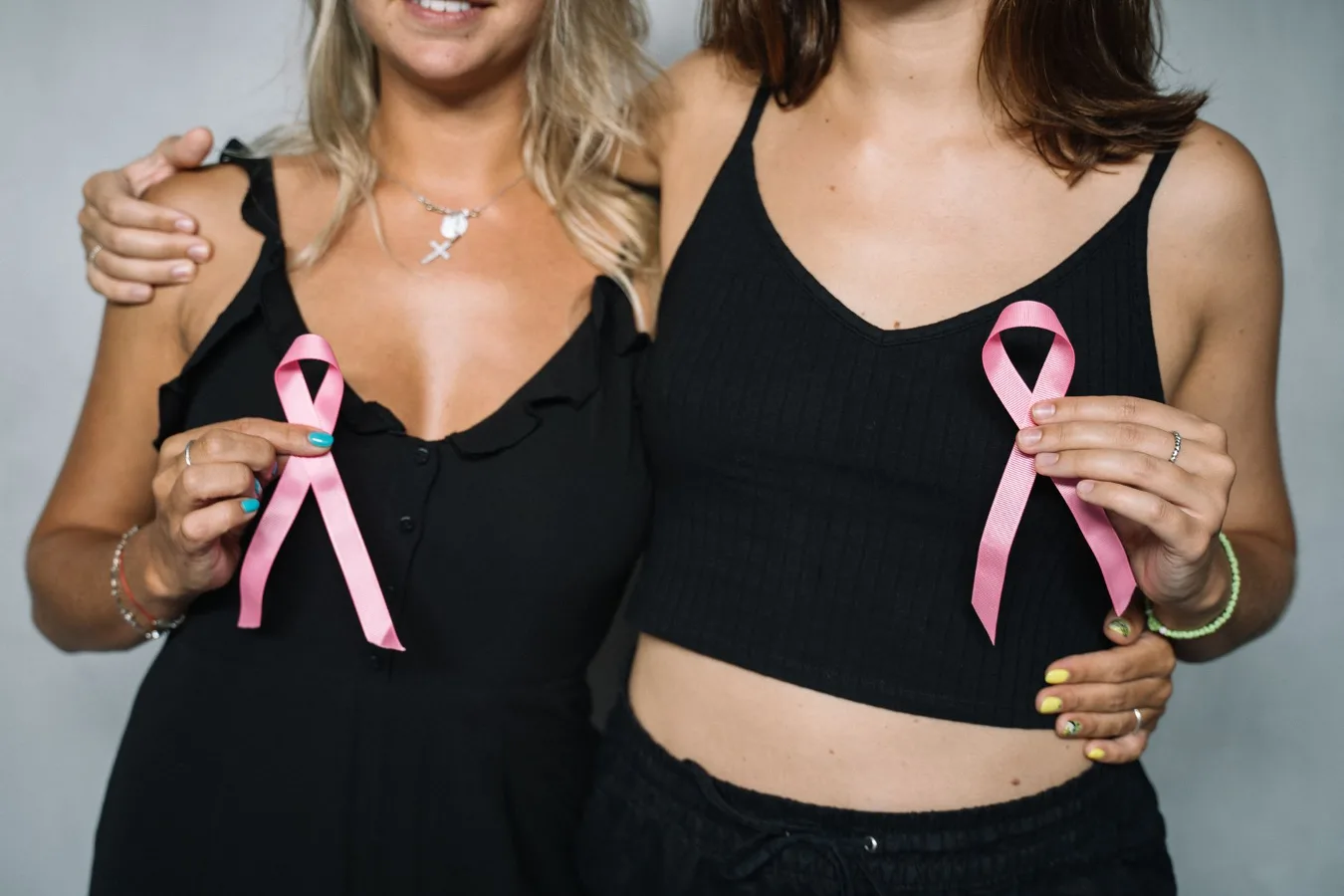
Breast cancer awareness sports gear is athletic apparel and accessories designed to show support while still working for real activity. For shoppers, the best options usually combine visible awareness messaging, comfortable fit, and the right performance features for the sport or event. how to choose athletic apparel for fundraisers offers more detail on this point.
That matters because awareness gear is not just about appearance. A shirt, jersey, hat, headband, or warm-up layer may need to handle walking events, team practices, charity runs, sideline wear, or casual fan support. If the piece only looks good but feels stiff, overheats quickly, or wears out fast, it will not get much use beyond one outing.
Quick answer: what to look for first
If you want breast cancer awareness sports gear that people will actually wear, start with three questions: Where will it be used? How visible does the message need to be? What kind of comfort does the sport require?
For active use, prioritize breathable fabrics, secure fit, and simple graphics that remain readable from a distance. For sideline wear or event-day support, a wider range of materials can work, but the item should still feel easy to wear for several hours. For team orders, keep sizing consistency, washability, and customization limits in mind before choosing a design.
The most common mistake is treating all awareness gear as interchangeable. A cotton tee may be fine for a casual walk, but it may feel heavy during training or warm-weather events. A sleek performance top may be better for movement, but if the graphic is too subtle, it may not communicate the cause clearly enough for fundraising or team visibility. pink team uniforms for awareness events offers more detail on this point.
How to compare breast cancer awareness sports gear
The right gear depends on the setting. Use the comparison below as a practical filter rather than a shopping checklist.
| Gear type | Best for | What to watch | Possible trade-off |
|---|---|---|---|
| Moisture-wicking shirts | Runs, walks, practices, warm weather | Breathability, fit, graphic placement | May feel less soft than casual cotton |
| Team jerseys | Group events, leagues, organized fundraising | Customization space, sizing range, visibility | Often less versatile for everyday wear |
| Hats and visors | Outdoor events, sidelines, volunteers | Sun protection, adjustability, comfort | Limited space for messaging |
| Headbands and wristbands | Training, races, smaller awareness gestures | Secure fit, sweat management, visibility | Subtle message may not be enough for larger campaigns |
| Warm-up layers | Pre-game, cooler weather, travel | Layering, mobility, durability | Can be heavier and more expensive than basic tees |
There is a practical nuance many buyers overlook: the strongest awareness piece is not always the loudest design. A well-placed ribbon, short slogan, or coordinated color palette can look more polished and be easier to repeat across shirts, hats, and accessories than a crowded graphic. That helps especially when building a cohesive team look.
Key decision factors that matter most
1. Comfort for the actual activity
Comfort is the first filter because sports gear lives or dies on wearability. If the item will be used for walking, running, coaching, cheering, or volunteering outdoors, look for a fabric and cut that matches movement and weather conditions.
For active wear, breathable construction and moisture management are usually more important than decorative detail. For casual event wear, softness and easy layering may matter more. If a piece will be worn for long stretches, pay attention to seams, neck shape, sleeve length, and whether the fit allows free arm movement.
2. Visibility of the awareness message
Breast cancer awareness gear should communicate clearly without becoming hard to read. Message visibility depends on contrast, placement, and scale. A design can use pink responsibly without drowning the piece in color.
For sports settings, simpler layouts often work better. Short wording, a ribbon symbol, and clean typography are easier to see during movement or from the stands. If the goal is public recognition, avoid placing the key message where it can be hidden by zippers, seams, or folds.
3. Sport-specific performance
Not all awareness gear needs performance fabric, but sports-related use often benefits from it. Running groups may want lighter, more breathable items. Courtside or dugout wear may call for sturdier layers. Outdoor fundraising events may require sun-friendly hats or moisture-control accessories.
Think in terms of use case, not category. A pink hoodie can be perfect for cool weather team spirit, but it may be the wrong choice for a summer walk. A performance tee may be ideal for an event day, but less appealing if you want a soft, everyday casual layer.
4. Fit and sizing consistency
Team and fundraiser orders often create sizing headaches. If the gear is for a group, make sure the size range is clear before ordering. Check whether the cut is unisex, women’s-specific, youth, or relaxed fit, because those details can change how the item sits on the body.
For awareness events, comfort usually beats a fashion-forward fit that is too restrictive. Slightly more room is often better for movement, layering, and all-day wear. If custom printing is involved, also consider how the graphic placement will look across different sizes.
5. Durability and wash care
Many awareness purchases are intended for repeated use, so durability matters. Frequent washing can affect print quality, shape retention, and color brightness. That is especially relevant for charity events where gear may be worn during rehearsals, meetings, and multiple campaign dates.
Look for pieces that can hold up to regular laundering without requiring special handling. If the item is going to be used by volunteers or teams, low-maintenance care is a real advantage. Simple care instructions are easier to manage at scale than delicate fabrics that demand extra attention.
6. Customization options
Custom printing can be valuable for local leagues, schools, hospitals, fundraising walks, and employee teams. Before committing, check whether the base garment leaves enough room for a logo, slogan, sponsor mark, or event name without looking crowded.
The best custom pieces usually leave the awareness message clear even after personalization is added. If a shirt is overloaded with logos, the cause can become visually diluted. Keep the design hierarchy simple: cause first, supporting details second.
What works well, and what tends to disappoint
Breast cancer awareness sports gear works best when it feels like real sportswear first and promotional merchandise second. That means the piece should be wearable outside of the event it was made for. If people can use it for practice, errands, volunteering, or casual support, it has more long-term value.
Gear tends to disappoint when it is built around novelty alone. Thin printing, uncomfortable necklines, poor sizing spread, and overdone graphics can make an item feel disposable. That is a problem for both individual buyers and organizations trying to create a polished campaign image.
Another overlooked consideration is context. A design that looks strong at a charity walk may not suit a school athletic program or a corporate volunteer team. Different groups need different levels of formality, modesty, and visual impact. Choosing with the audience in mind usually leads to better wear rates and fewer unused leftovers.
Mistakes to avoid
- Choosing style over comfort. If the gear will be worn during activity, the fit and fabric should come first.
- Using overly complex graphics. Busy artwork can be harder to read and less versatile across different items.
- Ignoring sizing variation. Team orders often run into problems when fit types are assumed instead of checked.
- Picking the wrong fabric for the season. Heavy layers may be useful in cooler weather but uncomfortable for spring or summer events.
- Overlooking washability. Awareness gear that needs delicate care is harder to use repeatedly.
- Forgetting the real setting. A piece for cheering from the stands is not always suitable for running, coaching, or volunteer work.
- Assuming every pink item fits the cause. Color helps, but the message still needs clear placement and thoughtful design.
Common misconceptions about awareness sports gear
One common misconception is that breast cancer awareness sports gear has to be all pink to be effective. In practice, the best items often use pink as an accent, paired with white, black, gray, or team colors for stronger contrast and broader wearability.
Another misconception is that awareness gear should always be a one-day item. The most useful pieces usually have enough design restraint and comfort to be worn again, which extends the message and improves value.
It is also easy to assume that every sport needs the same type of apparel. A charity walk, youth game, tennis clinic, and gym fundraiser each create different demands for ventilation, coverage, and movement. The more closely the gear matches the activity, the better it performs in real use.
Best alternatives if apparel is not the right fit
If full garments are not practical, awareness can still be built into smaller sports items. Hats, visors, socks, wristbands, headbands, duffel tags, water bottle accessories, and bag accents can all support a campaign without requiring a full uniform change.
These alternatives work especially well when a team already has a standard kit or when budget and sizing complexity make apparel difficult. They can also help diversify a campaign, since not every supporter wants the same level of visibility. A small accessory may be enough for casual participation, while a full jersey makes sense for a main event.
For organizations planning a broader program, a layered approach often works best: a main shirt or jersey for the core group, plus smaller accessories for volunteers, family members, and supporters. That creates a coordinated look without forcing every participant into the same item.
How to think about long-term value
Long-term value in breast cancer awareness sports gear comes from reusability. A piece that is comfortable, easy to wash, and suitable for more than one occasion usually offers better value than a highly specific novelty item. sport-specific gear buying tips offers more detail on this point.
That does not always mean buying the most expensive option. It means choosing gear that fits the actual use case. If the item is for repeated events, a sturdier fabric and cleaner construction may matter more than extra decoration. If it is a one-time campaign piece, simpler apparel may be enough as long as it communicates the message well.
For teams and groups, consistency also adds value. Matching or coordinated gear can help volunteers and participants look organized, which is useful for photos, crowd recognition, and event cohesion. The visual effect is often stronger when the design is simple enough to repeat across several item types.
A practical way to narrow your choice
Before ordering breast cancer awareness sports gear, use this short filter:
- Define the setting: game day, training, fundraiser, volunteer work, or casual support.
- Choose the right apparel level: performance shirt, jersey, layer, or accessory.
- Check comfort factors: fabric, seams, breathability, and mobility.
- Confirm the message is readable and appropriate for the audience.
- Review sizing, care instructions, and customization space.
- Prefer pieces that can be worn again after the event.
That approach helps reduce impulse buying and makes it easier to choose gear that feels intentional rather than promotional for its own sake.
Done well, breast cancer awareness sports gear is more than themed merchandise. It is wearable support that can work on the field, on the sidelines, and in the community. The best choices are comfortable, clear, and practical enough to earn repeat use, which is what gives awareness gear lasting value.