

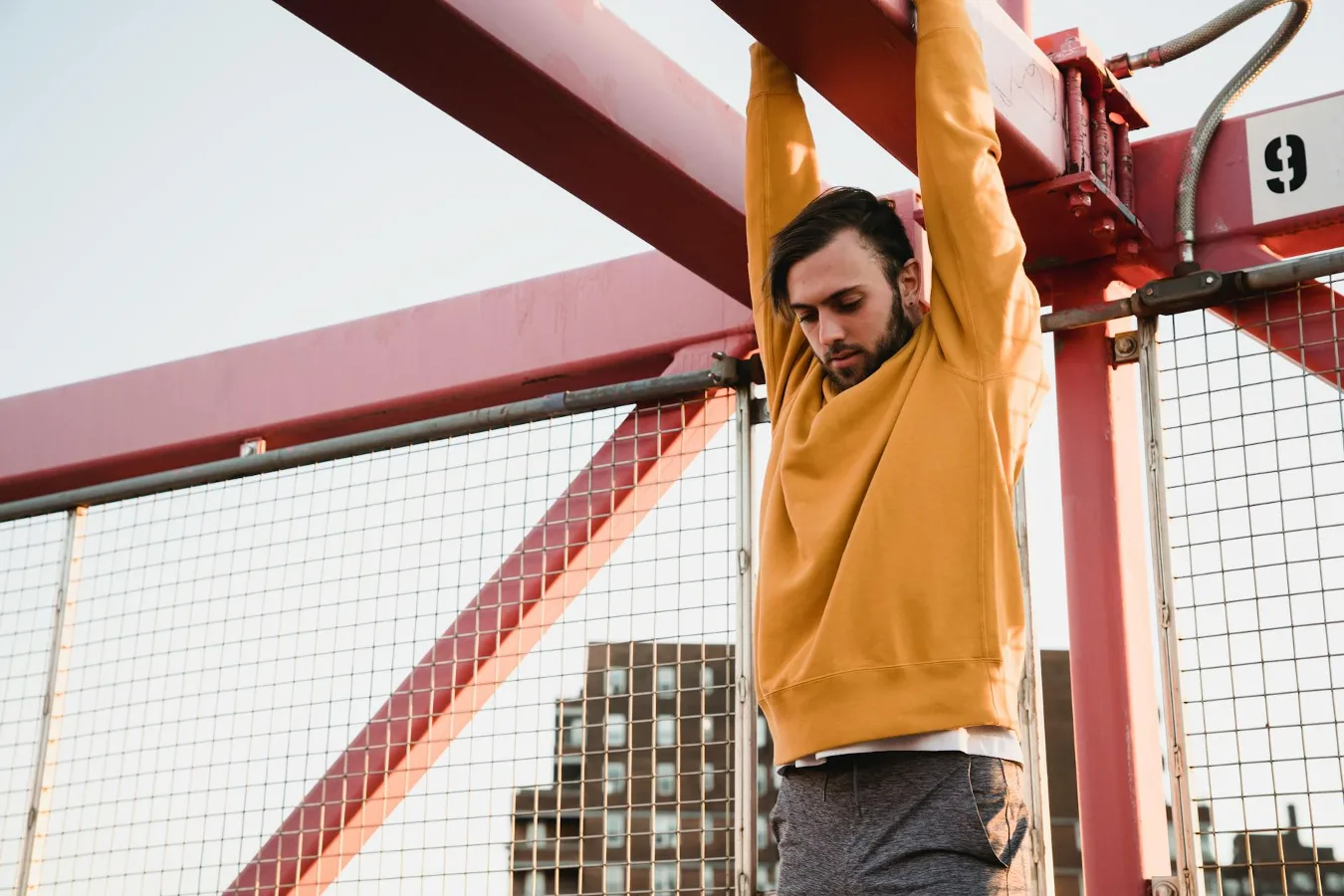
Why big cotton sweatshirts work for sports
If you are looking for gear for sports big cotton sweatshirts, the short answer is this: they work best as a warm-up layer, a cool-weather outer layer, or a comfortable piece for getting to and from training. The roomy fit gives you easy movement, while cotton offers a familiar, soft feel that many people prefer for relaxed athletic wear. sports warm-up layers offers more detail on this point. best fabrics for athletic comfort offers more detail on this point.
They are not the best choice for every sport or every workout. Cotton tends to hold moisture, so a big cotton sweatshirt makes more sense for low-to-moderate activity, sideline use, stretching, recovery, or casual teamwear than for high-intensity training where quick-drying fabric matters more.
That trade-off is the main reason to shop carefully. A sweatshirt can feel ideal before and after sport but become less comfortable once you are sweating hard. The right pick depends on fabric weight, fit, and the conditions you expect to wear it in.
What to look for before you buy
Fit and ease of movement
The “big” part should mean roomy, not sloppy. A sports sweatshirt needs enough space through the shoulders and arms so you can warm up, layer over a tee, or wear it over a base layer without restriction. Look for details like dropped shoulders, relaxed sleeves, and a body shape that does not pull across the chest when you reach.
Oversized does not have to mean oversized everywhere. A sweatshirt that is too long can get in the way during training, while one that is too boxy may feel bulky under a jacket. For many athletes and casual wearers, the most practical option is a relaxed fit with enough structure to stay comfortable. oversized fit guide offers more detail on this point.
Cotton type and fabric feel
Not all cotton sweatshirts behave the same way. Some are lightweight and better for layering, while heavier fleece-backed cotton feels warmer and more substantial. If the product description mentions brushed fleece, loopback, or French terry, those details can help you judge comfort and warmth.
Pure cotton usually feels softer and more breathable than many heavier synthetic options, but it can take longer to dry. A cotton blend may reduce drying time and improve shape retention, which can matter if you plan to wear the sweatshirt often or wash it frequently. The best choice depends on whether softness or performance is your top priority.
Breathability versus warmth
Sports gear often needs to do two things at once: keep you comfortable before activity and help you avoid overheating once you start moving. Big cotton sweatshirts can be useful in cooler weather because they trap warmth without feeling overly technical or stiff.
The limitation is moisture management. If you expect to sweat heavily, cotton may feel damp and heavy. For that reason, a big cotton sweatshirt is usually better for warm-ups, cool-downs, team travel, casual training days, or watching games than for intense cardio sessions.
Durability and shape retention
A sweatshirt that is worn as sports gear gets regular use, frequent washing, and a lot of stretching at the cuffs, hem, and neckline. That makes durability an important buying factor. Ribbed cuffs, a sturdy neckline, and well-finished seams can help the garment keep its shape longer.
One common misconception is that heavier always means better. A thick sweatshirt may feel durable, but durability also depends on construction quality. Loose stitching, weak ribbing, and poor shrink control can shorten useful life even if the fabric feels substantial at first.
How to choose the right big cotton sweatshirt for your sport
For warm-ups and sideline use
If you need a layer for warm-ups, time on the bench, or waiting between drills, prioritize easy on-and-off wear. A sweatshirt with a simple crewneck often works well because it is easy to remove quickly. If your sport involves frequent transitions, avoid overly bulky fits that slow you down.
For team environments, a clean, relaxed silhouette tends to look better than an extremely oversized shape. It also layers more smoothly over training clothes and is easier to pair with joggers, leggings, or shorts.
For outdoor practice in cooler weather
Outdoor use changes the equation. A big cotton sweatshirt can be useful when temperatures drop, especially during early morning practices or breezy evenings. In that setting, fabric weight matters more because the sweatshirt has to provide enough insulation without feeling heavy and restrictive.
If wind or rain is likely, cotton alone is rarely enough. A better setup may be a cotton sweatshirt under a windproof shell or jacket. That combination keeps the soft feel of cotton while addressing one of its biggest limitations: poor performance when wet.
For recovery and travel
Recovery wear is one of the strongest use cases for big cotton sweatshirts. After training, many people want something soft, loose, and easy to wear over sore muscles or cooling skin. The relaxed fit helps here, especially if you want a layer that does not cling.
They are also useful for travel to games or practices. A cotton sweatshirt is easy to wear for long periods, and the oversized cut can make sitting more comfortable. Just remember that if the material is very heavyweight, it may feel warm indoors or in a crowded vehicle.
Common mistakes buyers make
- Choosing size only by label. Different brands use different cut shapes, so “large” or “oversized” can mean very different things.
- Ignoring fabric weight. A big sweatshirt that feels perfect in winter may be too warm for spring training.
- Assuming cotton is always the best sports fabric. It is comfortable, but not ideal for every level of exertion.
- Overlooking shrinkage and care needs. Some cotton pieces can change fit after washing if they are not handled properly.
- Buying for style only. If you plan to train in it, comfort, movement, and moisture behavior matter more than appearance alone.
Big cotton sweatshirts versus other sports layers
If you are deciding between cotton and other materials, think about the job the garment needs to do. Cotton usually wins on softness and relaxed feel. Polyester and technical blends usually win on drying speed and moisture control. Fleece-lined options can feel warmer, while lighter terry styles can be better across seasons.
For many people, the smartest purchase is not the one with the most technical claims. It is the one that fits the conditions you actually face. If your use is mostly casual sportswear, a big cotton sweatshirt may be the most comfortable choice. If you sweat heavily or train in changing weather, a blend may be more practical.
Another useful comparison is with hoodies. A hoodie can add more coverage and help in windier conditions, while a crewneck usually layers more cleanly under jackets and outerwear. If your sport involves helmets, headsets, or repeated layer changes, a crewneck often feels less cumbersome.
Practical ways to make it work better
Use it as part of a layering system
A big cotton sweatshirt is most effective when you treat it as one part of a layered outfit. For cold mornings, start with a moisture-managing base layer if you expect to move a lot, then add the sweatshirt for warmth. For lower-intensity activities, a simple tee underneath may be enough.
This approach also makes the sweatshirt more versatile. You can wear it during warm-up, take it off once the session begins, and put it back on afterward without needing a separate outfit for every stage.
Pay attention to sleeve and hem behavior
With oversized sportswear, sleeve length and hem placement can affect usability more than many buyers expect. Sleeves that are too long may interfere with grip, hand movement, or wristwear. A hem that falls too low can bunch when you sit, bend, or stretch.
That is why a sweatshirt should feel roomy in motion, not just when standing still. If possible, look for product photos that show arm position and torso shape rather than relying on front-facing images alone.
Check care instructions before committing
Cotton sweatshirts usually need more attention than some performance fabrics. Washing in a way that reduces shrinkage and helps preserve shape can make a big difference in how long the piece remains useful. Care labels matter, especially if you plan to wear the sweatshirt often.
If convenience is a priority, a cotton blend may be easier to manage. If comfort is the main goal and you do not mind a bit more care, pure cotton can still be a strong choice.
Who should choose a big cotton sweatshirt?
This type of sports gear is a good fit for people who want comfort first and technical performance second. It suits athletes, students, coaches, parents on the sidelines, and anyone who wants a relaxed layer for practice days, travel, and recovery.
It is less suitable for people who need a fast-drying top for hard workouts, humid climates, or activities where sweat management is critical. In those cases, a performance fleece, a synthetic training top, or a moisture-wicking blend usually makes more sense.
If you want one piece that bridges sport and everyday wear, a big cotton sweatshirt can be a practical middle ground. It looks at home in athletic settings, but it is comfortable enough for errands, commuting, and casual downtime.
Buying checklist for better decisions
- Choose a fit that is roomy without limiting arm movement.
- Decide whether you need warmth, layering flexibility, or a lighter all-season option.
- Look at fabric type and weight rather than relying on the word “oversized.”
- Consider whether cotton alone fits your sweat level and training intensity.
- Review seams, ribbing, neckline shape, and cuff structure for durability.
- Check care instructions if you want to avoid fit changes over time.
- Match the sweatshirt to your main use: warm-up, recovery, travel, or casual wear.
FAQ
Are big cotton sweatshirts good for sports?
Yes, especially for warm-ups, sideline wear, cool-weather layering, and recovery. They are less ideal for high-sweat training because cotton holds moisture.
Should I choose a cotton sweatshirt or a blend?
Choose cotton if softness and comfort matter most. Choose a blend if you want better drying time, easier maintenance, or more consistent performance during workouts.
Is oversized the same as too large?
Not necessarily. A well-designed oversized sweatshirt is cut for room and movement. A simply too-large sweatshirt may look sloppy, hang poorly, or get in the way during activity.
Can I wear a big cotton sweatshirt year-round?
Yes, but the weight and layering matter. Lighter styles can work across seasons, while heavier fleece versions are usually better for cooler weather.
What is the biggest mistake to avoid?
Buying one for training without considering sweat management. If your sport is intense, the comfort of cotton can drop quickly once it gets damp.