

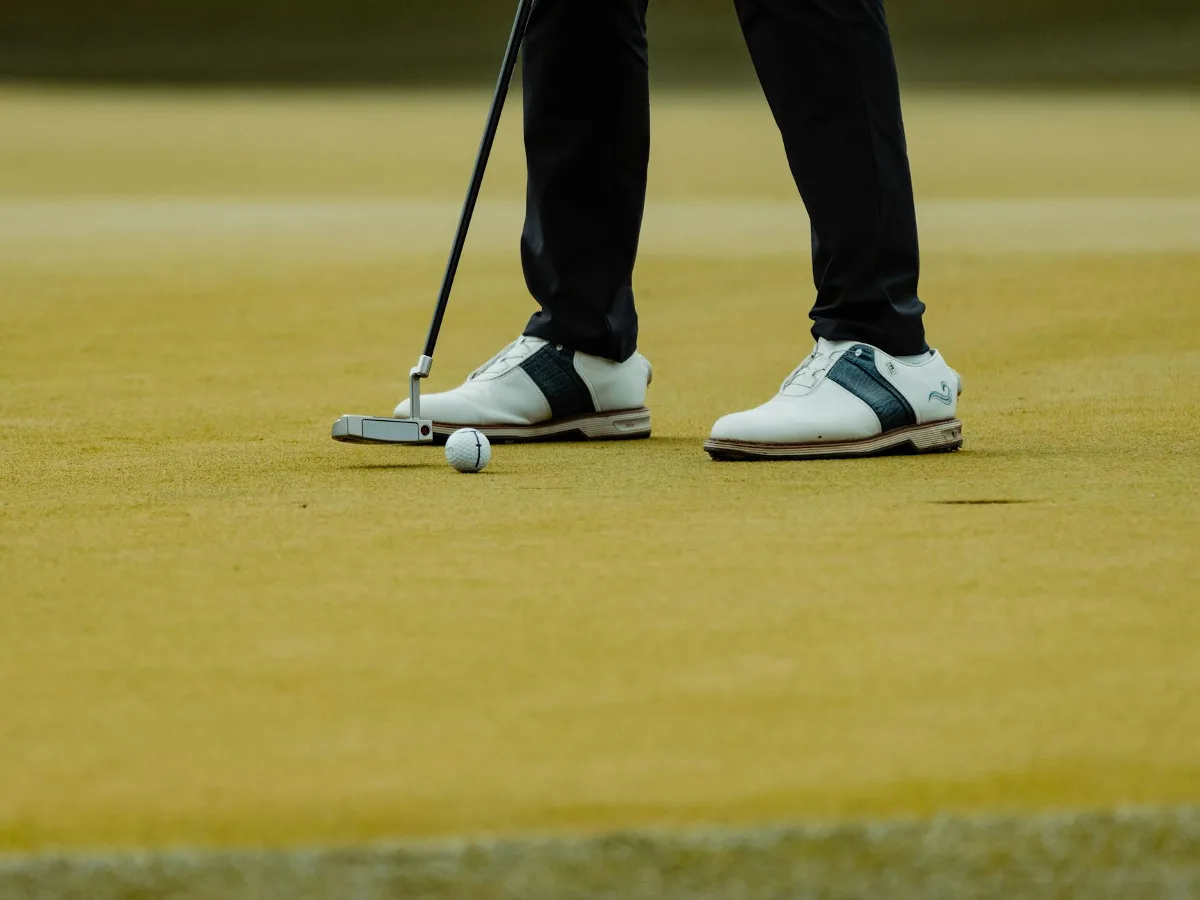
The best golf shoes are the pair that gives you reliable traction, a comfortable fit, and the right level of weather protection for the courses you actually play. For many golfers, that means choosing between spiked and spikeless soles, deciding how much waterproofing you need, and making sure the shoe matches your walking habits, foot shape, and playing conditions. complete guide to street rider shoes offers more detail on this point.
If you want the short version: prioritize fit first, then traction, then comfort, then weather protection. A shoe can look ideal on paper and still fail if it pinches the forefoot, feels unstable during your swing, or becomes too hot for summer rounds.
Quick answer: what makes a golf shoe worth buying?
A strong golf shoe should help you stay balanced through the swing, keep your feet comfortable over 18 holes, and hold up to grass, dew, sand, and changing weather. The details that matter most are the outsole, cushioning, upper material, waterproofing, and overall fit.
For some golfers, spiked shoes offer the most confidence in wet or hilly conditions. For others, spikeless shoes are the better everyday choice because they can feel more natural, lighter, and easier to wear off the course. Neither type is automatically better; the right pick depends on your round conditions and how much stability you want.
One common misconception is that golf shoes are only about traction. Traction matters, but poor fit or weak support can be just as disruptive. If your heel slips or your arch feels unsupported, the shoe can distract you long before the back nine.
How to compare the best golf shoes
The smartest way to compare golf shoes is to focus on the features that affect play, comfort, and long-term value. The categories below tend to separate a genuinely useful shoe from one that simply looks athletic.
Traction and outsole design
Traction affects how securely you can plant your feet during the swing and how stable you feel while walking uneven terrain. Spiked shoes usually provide a more aggressive grip, which can be useful in wet grass, soft turf, or courses with steep slopes. Spikeless shoes use molded lugs or rubber patterns instead of removable spikes, which often makes them more versatile for casual wear and travel.
The trade-off is straightforward. Spiked shoes can feel more locked in, but some golfers find them less convenient off the course. Spikeless shoes are easier to wear day-to-day, but the level of grip varies more by design, so outsole quality matters a lot.
Comfort for walking and standing
Comfort is not just about softness. A comfortable golf shoe should distribute pressure well, avoid rubbing at the heel or toe box, and stay pleasant through long periods of standing and walking. Cushioning can help reduce fatigue, but too much softness can sometimes make the shoe feel less stable.
If you walk most rounds, look closely at the midsole feel, heel hold, and overall weight. A lighter shoe may feel great early in the round, but the better test is whether it still feels supportive late in the day.
Fit and toe room
Fit is the most overlooked factor in golf shoe shopping. Golf shoes that are too narrow can create hot spots, while shoes that are too loose can cause heel slip and reduce control. Many golfers also underestimate the effect of toe room, especially if they tend to swell during longer rounds or in warm weather.
Try to account for the socks you usually wear and whether you prefer a snug performance fit or a little extra space. If you have wide feet, look for models that come in wider sizes rather than sizing up unnecessarily. Sizing up can solve one problem and create another, especially if the heel becomes unstable.
Waterproofing and breathability
Waterproof golf shoes are useful if you play early mornings, in damp climates, or after rain. They can help keep your feet dry through wet rough, dew, and light showers. The downside is that more waterproof protection can reduce breathability, especially in warm weather.
That trade-off matters for U.S. golfers who play in very different climates. In humid regions or hot summer months, a highly breathable shoe may feel better even if it offers less weather protection. In cooler or wetter areas, waterproofing often becomes the more practical priority.
Support and stability
Golf shoes should support rotational movement without feeling rigid. A stable base helps on uneven lies and can reduce the feeling that your foot shifts inside the shoe during the swing. Supportive shoes usually have a firmer platform, secure heel structure, and enough midfoot containment to keep movement controlled.
This is especially important for golfers who notice foot fatigue, play hilly courses, or want extra reassurance during a full swing. Still, support should not feel like restriction. If a shoe is so stiff that it feels awkward to walk in, it may not be the best all-round choice.
Material and durability
Upper materials affect comfort, weather resistance, and how well the shoe keeps its shape over time. Synthetic uppers are often easier to maintain and may offer better water resistance, while leather or leather-like materials can feel more structured and polished. The best material depends on your priorities and how much maintenance you want to deal with.
Durability is not just about the upper. Outsole wear, stitching, and the quality of the interior lining all matter. If you play frequently, a shoe that looks premium but breaks down quickly may be a weaker value than a more modest pair built for regular use.
Which type of golfer needs which shoe?
Different golfers need different things from their footwear, so the best golf shoe for one player may be a poor match for another.
| Golfer type | Best fit | Why it works |
|---|---|---|
| Frequent walkers | Lightweight spikeless or well-cushioned hybrid shoes | Comfort matters more over long rounds, but the outsole still needs dependable traction. |
| Wet-condition players | Waterproof spiked shoes | Better grip and better protection in damp rough, morning dew, or rainy conditions. |
| Casual golfers | Spikeless shoes | Easier to wear beyond the course and often more versatile for travel or practice. |
| Players seeking maximum stability | Structured spiked shoes | Can provide a more planted feel during the swing, especially on soft turf. |
| Golfers with wide feet | Wide-fit models with a roomy toe box | Improves comfort and reduces pressure without forcing an oversized length. |
There is also a practical nuance many golfers miss: the best golf shoe for practice range sessions may not be the best shoe for tournament rounds. Range work can favor comfort and flexibility, while competitive or high-pressure rounds may make stability and secure footing more valuable.
Spiked vs. spikeless: which is better?
The spiked-versus-spikeless debate is really a trade-off between grip and convenience. Spiked shoes usually perform better in softer, wetter, or more uneven conditions. Spikeless shoes usually win on versatility, comfort out of the box, and ease of wearing before and after golf.
If you mainly play during dry months on well-maintained courses, spikeless shoes may be all you need. If you often play early in the morning, in rain, or on courses that get soft after irrigation, spikes can be the more practical choice.
A common mistake is treating spikeless shoes as automatically “casual” and therefore inferior. That is not always true. Many modern spikeless designs offer serious traction, but quality varies enough that the outsole pattern deserves close attention.
Mistakes to avoid when shopping for golf shoes
- Choosing style before fit. A sharp-looking shoe is not useful if it pinches, rubs, or slips.
- Ignoring course conditions. Wet grass, hills, and early tee times can change which shoe makes sense.
- Assuming all waterproof shoes breathe the same way. Waterproofing and ventilation are usually a trade-off.
- Buying for one round instead of regular use. Think about how often you play and how long you stay on your feet.
- Overlooking the toe box. A cramped front area can become uncomfortable quickly during a long round.
- Picking extra room by sizing up. That can create heel slip and reduce stability.
- Forgetting off-course use. If you want one shoe for golf and errands, spikeless often makes more sense.
Another overlooked consideration is break-in behavior. Some golf shoes feel comfortable immediately, while others need time to soften and shape to your foot. If you need a shoe for an upcoming trip or event, a stiff model may be a poor choice even if it seems supportive in store.
How to narrow the field before you buy
Before you choose a pair, think through these practical questions:
- Do you walk most rounds or ride in a cart?
- Do you usually play in dry, wet, or mixed conditions?
- Do you want one shoe for golf and everyday use, or just the course?
- Do you need a wide size, extra toe room, or a more secure heel?
- Do you prefer a softer feel or a more stable platform?
Your answers will quickly eliminate a lot of options. For example, a golfer who rides frequently and plays in dry weather can prioritize comfort and everyday versatility. A golfer who walks hilly courses in wet months should put traction and waterproofing much higher on the list.
Price can matter, but it should not be the only filter. A less expensive shoe that fits properly and suits your conditions is usually better value than a premium model that works against your foot shape or playing habits.
Maintenance and care basics
Good care extends the life of golf shoes and helps preserve performance. Wipe off dirt and grass after rounds, remove wet insoles if needed, and let shoes dry naturally away from direct heat. Excess heat can damage adhesives and materials, especially in synthetic or waterproof constructions.
If your shoes use replaceable spikes, check them periodically for wear. If they are spikeless, monitor the tread pattern for smoothing or uneven wear. Once traction begins to fade, you may notice it first during sidehill lies or damp conditions.
Storing shoes in a cool, dry place also helps. Leaving them in a hot car for long periods is a common way to shorten their useful life.
FAQ
Are spikeless golf shoes good enough for most players?
Yes, for many golfers they are. Spikeless shoes are especially practical for dry conditions, casual play, and golfers who want a shoe that feels easier to wear off the course. If you play in wet or soft conditions often, spiked shoes may still offer better traction.
Should golf shoes fit tight?
They should fit securely, but not painfully tight. You want enough hold to prevent heel slip and foot movement, plus enough room in the toe box to stay comfortable through a full round.
Do waterproof golf shoes get hot?
They can, depending on the materials and the weather. Waterproof protection often reduces breathability, so golfers in hot or humid climates may prefer lighter, more ventilated options unless rain protection is a priority.
Can I use golf shoes for walking or casual wear?
Spikeless golf shoes are usually the better choice for that kind of use. They are often easier to wear on pavement and around town. Spiked shoes are typically more specialized for the course.
How often should I replace golf shoes?
That depends on wear, frequency of play, and how the shoe is built. Replace them when traction is no longer dependable, the upper loses structure, the cushioning feels flat, or the fit changes enough to affect comfort and stability.