

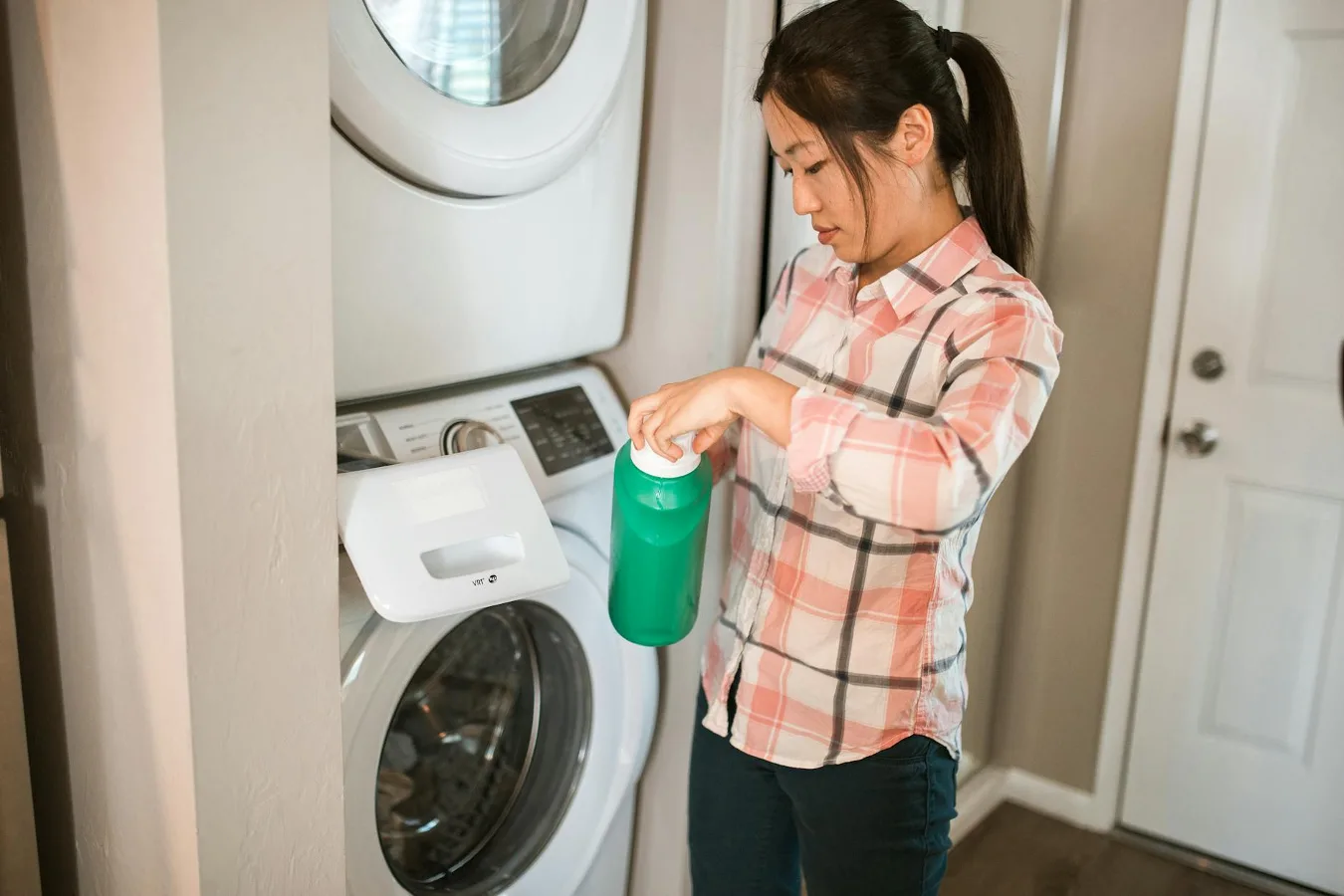
If you are trying to find the best laundry detergent for cloth diapers, the right answer is usually a detergent that cleans thoroughly, rinses well, and fits your water conditions. Cloth diapers need more than a gentle baby detergent; they need a formula that can remove body waste, oils, and everyday buildup without leaving residue behind. best practices for washing inserts offers more detail on this point. how to wash cloth diapers offers more detail on this point. choosing the right detergent for baby laundry offers more detail on this point.
The tricky part is that there is no single universal winner. A detergent that works beautifully in one home may cause problems in another because cloth diaper care depends on fabric type, washer style, water hardness, and wash routine. The best choice is the one that keeps diapers clean, absorbent, and odor-free over time.
What cloth diapers actually need from a detergent
Cloth diapers are exposed to more concentrated soil than ordinary laundry, so detergent performance matters. The goal is not just to make them look clean, but to remove the residue that can affect absorbency and create lingering smells.
A good detergent for cloth diapers should do three things well: lift organic soil, rinse clean, and avoid leaving a coating on fibers. That balance is especially important with inserts made from cotton, bamboo, hemp, or microfiber, since those materials can hold onto detergent buildup if the formula is too mild or too heavy with additives.
Another overlooked detail is that cloth diapers often need a stronger wash than parents expect. Many people assume a “free and clear” or baby-branded detergent is automatically best, but some of those formulas can be too light for the level of soil cloth diapers produce. The better question is whether the detergent is strong enough for the job while still rinsing clean in your machine.
Key factors that matter most
Cleaning strength without residue
This is the core trade-off. You need enough cleaning power to remove soils, but not so many additives that the detergent clings to fabric. Residue can make diapers feel stiff, reduce absorbency, and contribute to odor problems. If diapers are clean-looking but still smell off after washing, residue is one possible cause.
Water hardness
Water quality changes everything. In hard water, detergent has to work harder because minerals interfere with cleaning and can contribute to buildup. Some detergents perform well in hard water because they are formulated with ingredients that help soften water or support rinsing. If you live in a hard-water area, a detergent that seems fine elsewhere may underperform in your home.
In soft water, the opposite can happen: a strong detergent may be more than you need, and too much detergent can become part of the problem. Matching detergent strength to your water is one of the most practical ways to improve diaper washing.
Ingredients and additives
For cloth diapers, ingredient lists matter more than packaging claims. Fragrances, optical brighteners, and extra softening agents are common concerns because they can linger on fibers or irritate sensitive skin. That does not mean every additive is automatically bad, but simpler formulas are easier to manage and troubleshoot.
Enzymes are another helpful feature. They can improve stain and soil breakdown, especially on protein-based messes. The main consideration is whether the detergent still rinses clean in your machine and water conditions.
Powder or liquid
Both formats can work, but many cloth diaper families prefer powder because it often rinses well and is easier to control in hard water. Liquid detergents can also be effective, though some formulas leave more residue if overused. The best format is the one that performs reliably in your washer and suits the detergent’s ingredient profile.
Washer type and wash routine
Front-loaders and high-efficiency machines use less water, which means detergent choice and dosage become even more important. If your detergent is too concentrated or you use too much, residue can build quickly. A cloth diaper routine also usually includes a pre-wash and a main wash, so the detergent needs to work within that system rather than replace it.
What to look for on the label
- Good rinse performance: A formula that does not rely heavily on softening agents or heavy fragrance.
- Enough surfactant power: Soiled diapers need real cleaning strength, not just a gentle scent.
- Compatibility with your water: Hard-water households may need a detergent with stronger mineral-handling support.
- Simple ingredient profile: Fewer unnecessary additives can make troubleshooting easier.
- Flexibility for routine washing: The detergent should work well in a two-step cloth diaper wash, not only in a standard clothes load.
One practical nuance: “cloth diaper safe” is often treated like a formal category, but in real life there is no universal certification that guarantees performance in every home. What matters most is how the detergent behaves in your setup. The best cloth diaper detergent is the one that keeps fabrics clean, absorbent, and free of lingering smell after repeated wash cycles.
Common mistakes that cause problems
Using too little detergent
Under-dosing is a common reason diapers still smell dirty after washing. People often reduce detergent out of concern for buildup, but too little detergent can leave soils behind. The result can be odor, staining, and fabrics that never feel fully clean.
Using too much detergent
Over-dosing can be just as damaging. Extra detergent may not rinse out completely, especially in high-efficiency washers or hard water. That residue can trap odor, make inserts less absorbent, and create the impression that the detergent itself is the problem when the real issue is dosage.
Choosing a detergent based only on scent or “baby” branding
A pleasant fragrance does not equal better cleaning. Likewise, a detergent marketed for baby laundry is not automatically ideal for cloth diapers. Diaper laundry is more demanding than standard baby clothing, so performance should matter more than branding.
Ignoring buildup already on the diapers
If diapers have been washed with the wrong formula for a while, switching detergents may not solve everything immediately. Buildup can take a few cycles to work out, and in some cases a reset wash routine is needed. Many families focus on the new detergent but overlook the condition of the diapers themselves.
Practical solutions by situation
If you have hard water
Look for a detergent known to handle mineral-heavy water better, and pay close attention to dosage. Hard water can make a detergent seem ineffective even when the formula is solid. You may also need to adapt your wash routine so detergent can rinse properly rather than getting trapped in mineral residue.
If diapers smell clean but still have odor later
That pattern often points to residue, incomplete rinsing, or insufficient cleaning in the main wash. In response, consider reducing detergent if you may be overusing it, or increasing cleaning strength if you have been using a formula that is too mild. The wash routine matters as much as the detergent itself.
If you use natural fibers like cotton, hemp, or bamboo
These materials can be more absorbent and sometimes hold onto detergent residue if the wash is not balanced. A detergent that rinses clean is especially helpful here. Hemp in particular can be slow to feel fully broken in, so clean rinsing and consistent washing are important for maintaining absorbency.
If your baby has sensitive skin
Choose a detergent with fewer extras and avoid unnecessary fragrance if irritation is a concern. Even then, skin comfort is not only about detergent ingredients. Residue from too much detergent, fabric softener, or poor rinsing can matter just as much as the formula itself.
Detergents that tend to work best by use case
Rather than searching for a single perfect bottle, it is more useful to match the detergent style to your home.
- For hard water: Choose a detergent with stronger cleaning support and better mineral handling.
- For sensitive skin: Use a simple, fragrance-free formula that rinses clean.
- For heavily soiled diapers: Pick a detergent with enough cleaning power to handle organic waste without relying on heavy softeners.
- For high-efficiency washers: Favor a formula that works well in low-water cycles and can be measured carefully.
- For families trying to reduce buildup: Prioritize rinseability over scent and marketing claims.
This is where many shoppers get caught up in labels. A detergent can be excellent for regular baby clothes and still be a poor match for cloth diapers. Diaper inserts, covers, and fitteds all have different care needs, and absorbent layers are less forgiving than standard apparel.
Alternative approaches worth considering
If one detergent does not work well, the answer is not always to keep switching brands. Sometimes the problem is the wash routine. Cloth diaper care often depends on a pre-wash to remove the first layer of soil, followed by a main wash with enough detergent to finish the job. Without that structure, even a good detergent may seem disappointing.
Some families also find that using one detergent for both diapers and household laundry simplifies care, while others prefer a separate diaper detergent to keep the routine consistent. There is no rule that says cloth diapers require a special niche product. What matters is predictable cleaning and rinse performance.
Another alternative is to adjust water temperature, cycle length, or load size before changing detergents again. Overloaded machines and short cycles can make a good formula seem weak. In other words, the detergent is only one part of the system.
How to judge whether your detergent is working
Instead of focusing on whether the diapers look clean right after washing, pay attention to a few practical signs over time:
- Do inserts smell fresh after drying and between uses?
- Do fabrics stay soft enough to absorb well?
- Is there visible residue, stiffness, or coating on the fibers?
- Are stains improving rather than setting in?
- Do you need to rewash frequently to get acceptable results?
If the answer to several of these is no, the detergent may not be the best fit, or the dosage may need adjustment. Cloth diaper laundry is less about chasing a perfect label and more about getting reliable results week after week.
Decision guidance for shoppers
If you want the simplest possible answer, choose a detergent that is known for strong cleaning, low residue, and compatibility with your water type. If you live in a hard-water area, make that a priority. If sensitive skin is a concern, keep the ingredient list simple. If odor or buildup has already been a problem, favor rinseability over fragrance and marketing claims.
The best laundry detergent for cloth diapers is the one that supports your whole laundry system. That usually means balancing cleaning power, rinseability, and dosage rather than chasing the gentlest or strongest option on the shelf. For most families, the smartest purchase is the detergent that fits their washer, water, and routine with the fewest complications.
That practical fit matters more than a catchy label. Cloth diaper care is a maintenance task, not a beauty contest, and the detergent that works quietly in the background is often the best one to keep using.