

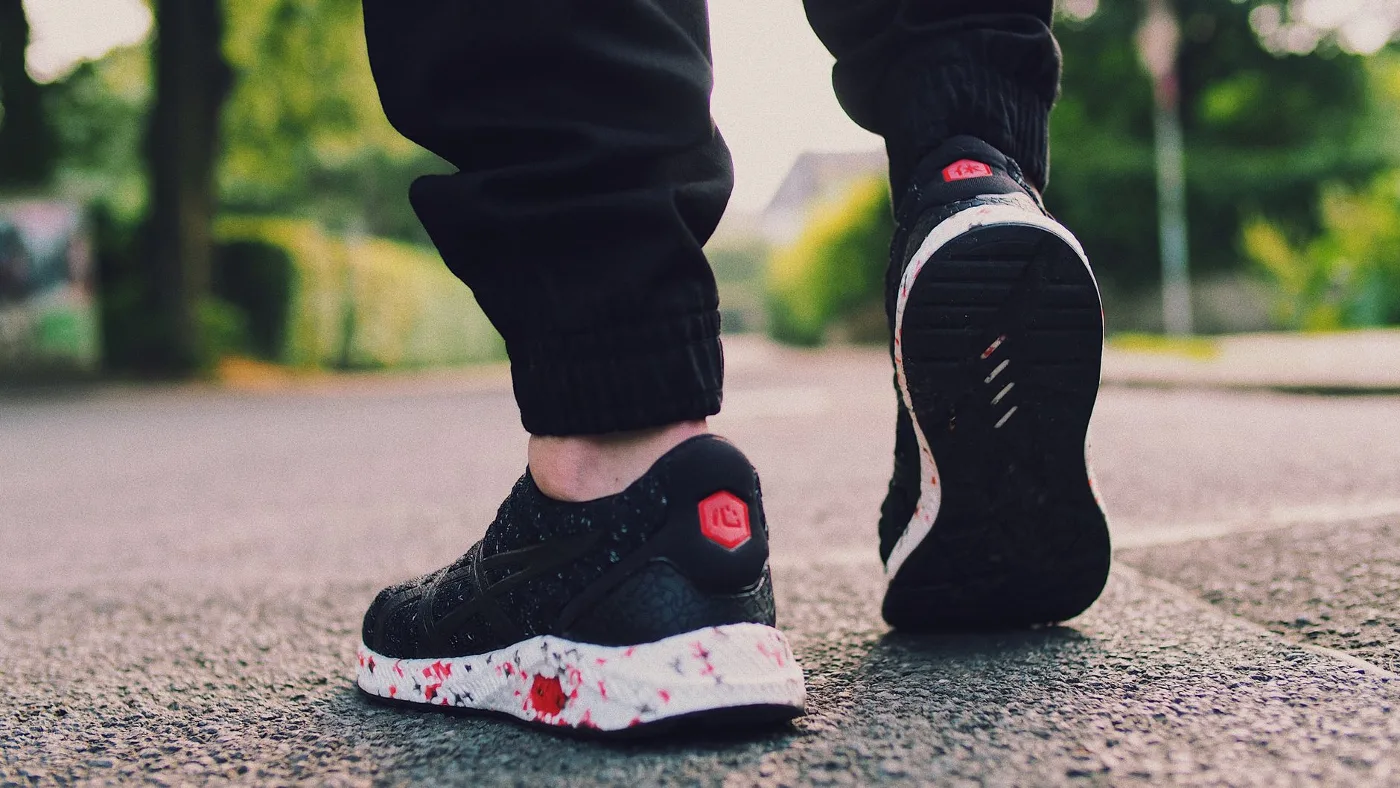
If you’re looking for the best shoes for Achilles tendonitis, start with one simple idea: the shoe should reduce pull on the tendon, not add to it. For most people, that means a shoe with a slightly higher heel-to-toe drop, good cushioning under the heel, a secure but not abrasive heel counter, and enough room in the forefoot to avoid extra pressure. barefoot dress shoes offers more detail on this point. running shoes with a higher heel-to-toe drop offers more detail on this point.
The right pair depends on how and when your symptoms show up. A runner, a person who stands all day, and someone recovering from a flare-up may all need different features. The goal is not to find a magical shoe that “fixes” Achilles tendonitis, but to choose footwear that makes daily movement more tolerable while you manage the underlying issue. how to choose supportive walking shoes offers more detail on this point.
What usually works best
For many people with Achilles tendonitis, the best shoe is a supportive walking or running shoe with moderate cushioning, a stable base, and a slightly elevated heel. That combination can reduce the amount of ankle dorsiflexion needed during walking or running, which may lessen strain on the tendon.
Look for these features first:
- Heel-to-toe drop: A moderate drop often feels easier on the Achilles than a flat or zero-drop shoe.
- Cushioned heel: Helps soften impact, especially if pain is worse during heel strike.
- Stable platform: A broad, balanced sole can reduce wobble and make each step feel more controlled.
- Comfortable heel counter: The back of the shoe should support the heel without rubbing or digging in.
- Roomy toe box: Extra forefoot space can help if swelling, stiffness, or compensation changes your gait.
A common misconception is that the softest shoe is always the best choice. Very plush shoes can feel comfortable at first, but if they are too unstable or too compressed under load, they may not give the tendon the calm, predictable support it needs. For Achilles pain, balance matters more than maximum softness.
Buyer scenarios: matching the shoe to your day
If you mostly walk for exercise or errands
Choose a walking shoe with steady heel support and enough cushioning for repetitive steps. A slightly higher heel can be helpful if your Achilles feels tight first thing in the morning or during long walks. You do not need an aggressive performance shoe for everyday use; consistency and comfort matter more.
If you run and want to keep training
Running shoes with moderate cushioning and a noticeable heel-to-toe drop are often a practical place to start. Some runners with Achilles issues do better in shoes that feel smooth and protective rather than minimal or highly flexible. A shoe that feels “fast” is not automatically a good match if it encourages more tendon loading than you can currently tolerate.
If you stand all day at work
You may need a shoe that feels supportive over many hours, not just during short bursts of movement. Prioritize a stable heel, durable cushioning, and an upper that does not press on a sensitive heel area. If your job involves a lot of static standing, a comfortable shoe may still need to be paired with changes in breaks, surface matting, or orthotic support.
If your pain is worse during flare-ups
During flare-ups, temporary relief often comes from a shoe that reduces strain rather than one that tries to correct everything at once. A mild heel lift or a shoe with a higher drop may feel easier than a flat shoe. That said, drastic changes can also feel awkward, so it helps to adjust gradually.
Trade-offs to think through before buying
No single shoe feature solves Achilles tendonitis on its own. Every useful feature comes with a trade-off.
- More heel drop may reduce tendon load, but it can feel unfamiliar if you are used to flatter shoes.
- More cushioning can soften impact, but overly soft midsoles may feel less stable.
- More structure can improve support, but a rigid shoe may feel restrictive if you want flexibility.
- A wider fit can reduce pressure, but shoes that are too roomy may allow heel slippage.
The best choice is usually the one that matches your current symptoms and activity level without creating a new problem. For example, a shoe that feels great while standing may not work for interval running. A shoe that helps on short walks may still be too soft for all-day wear.
Another overlooked detail is the heel collar. Some shoes have a padded collar that feels comfortable on paper but rubs against an irritated Achilles area. If the back of the shoe sits right where your tendon is sensitive, the wrong collar shape can matter more than brand or category.
Material and spec factors that actually matter
Heel-to-toe drop
Heel-to-toe drop is one of the most relevant features for Achilles tendonitis. A moderate drop can reduce the stretch demand on the tendon compared with a very flat shoe. People who have been wearing low-profile shoes for years may need time to adapt to a different setup, so change gradually rather than switching everything at once.
Cushioning type
Cushioning should feel protective without making the shoe unstable. Materials vary widely, but the practical question is simple: does the midsole feel supportive under your heel and midfoot, or does it collapse quickly? If the shoe feels wobbly, especially during turns or long days on your feet, it may not be the right match.
Heel counter and rearfoot hold
A secure heel counter helps keep the heel from sliding around. Too much movement can create rubbing and make the back of the shoe feel irritating. On the other hand, a heel cup that is excessively rigid may press on a tender tendon insertion area. The right feel is supportive, not aggressive.
Outsole stability
A stable outsole can help you feel more balanced and reduce compensations through the ankle and calf. Shoes with a wide base often feel more planted. This matters most if your pain changes your gait and you start favoring one side.
Upper fit and forefoot space
Achilles issues sometimes lead to altered walking patterns, swelling, or a desire to loosen the laces. If the shoe is too narrow, your foot may slide in a way that creates friction near the heel. A roomier toe box can improve comfort even though the tendon itself is in the back of the foot.
Common mistakes shoppers make
- Choosing the softest shoe available: softness alone does not equal support.
- Going too flat too soon: minimal or zero-drop shoes can increase Achilles strain for some people.
- Ignoring heel rubbing: any irritation at the collar can become a bigger issue over time.
- Buying for appearance first: style matters less than how the shoe changes your stride and comfort.
- Assuming one shoe fits every activity: your walking shoe, gym shoe, and running shoe may need different features.
A subtle mistake is treating the shoe as the full solution. Footwear can reduce stress, but Achilles tendonitis often responds best to a broader plan that may include activity modification, calf strengthening, mobility work, and professional guidance when symptoms persist.
When a heel lift or insert may make sense
Some people feel better with a small heel lift or an orthotic insert, especially if they have noticeable tightness or pain that flares during the first steps of the day. A lift can temporarily reduce tendon stretch, which may make walking more tolerable.
That said, inserts are not universally helpful. If the shoe is already narrow, the insert may make the fit too snug. If the shoe becomes unstable after the insert is added, comfort can actually worsen. The shoe and insert should work together as a system.
If you are considering inserts, look for shoes with removable insoles and enough internal depth to accommodate them. Orthotic-friendly shoes are often a better starting point than trying to force an incompatible pair to work.
How to evaluate fit in a store or at home
When trying on shoes for Achilles tendonitis, focus less on the brand promise and more on how the shoe behaves during movement.
- Try both shoes on and stand up fully weighted.
- Walk on a hard surface and notice whether the heel feels secure.
- Check for rubbing at the back of the heel and around the Achilles area.
- Pay attention to whether the arch and forefoot feel supported without pinching.
- If possible, test the shoes later in the day when your feet are less likely to feel artificially small.
If you wear orthotics or custom inserts, bring them with you. A shoe that feels good without the insert may feel very different once the insert is added. Also, do not assume that a brief indoor try-on is enough. Some shoes only reveal pressure points after several minutes of walking.
Best shoe categories to consider
Different shoe categories can work depending on your routine:
- Walking shoes: Often the most practical for daily wear and general comfort.
- Running shoes: Useful if you need cushioning and a more athletic feel for exercise.
- Cross-training shoes: Can work for mixed gym use, though some are too flat for Achilles sensitivity.
- Supportive lifestyle sneakers: Good for casual wear when you want comfort without a performance look.
Sandals, minimalist shoes, and very flat slip-ons are often less forgiving during a flare-up, especially if you spend a lot of time on hard floors. That does not mean they are never appropriate, but they are usually not the first choice when symptoms are active.
Practical next steps if you are buying now
Start by deciding where you need the shoe most: walking, work, or exercise. That one decision will narrow the field faster than chasing the “best” shoe in the abstract. Then compare candidates using the same checklist: heel drop, cushioning, heel hold, width, and overall stability.
If your symptoms are mild, a supportive daily shoe may be enough. If pain is persistent, severe, or linked to swelling or a sudden change in function, footwear should be part of a broader plan rather than the only fix. In that situation, a clinician can help determine whether you need a different type of support, temporary activity changes, or another approach entirely.
For many readers, the best shoes for Achilles tendonitis are not the most padded, the most expensive, or the most technical. They are the pair that reduces strain, fits cleanly, and stays comfortable enough to wear consistently.
FAQ
Should I choose high-cushion shoes for Achilles tendonitis?
High cushioning can help reduce impact, but the shoe still needs to feel stable. Too much softness without support may feel unstable rather than helpful.
Are flat shoes bad for Achilles tendonitis?
Flat shoes are not automatically bad, but they can increase tendon stretch for some people. Many people with active symptoms find a moderate heel drop more comfortable.
Can I wear running shoes for everyday walking?
Yes, if they fit well and feel stable for your routine. Many people use running shoes as everyday shoes because they offer a good mix of cushioning and support.
Do I need orthotics for Achilles tendonitis?
Not necessarily. Some people do well with a supportive shoe alone, while others benefit from inserts. The right choice depends on your foot shape, symptoms, and how the shoe fits with the insert.
What if the back of the shoe irritates my tendon?
Look for a different heel collar shape, a softer rearfoot feel, or a shoe with less rubbing in that area. Persistent irritation at the collar is a sign the shoe may not be a good match.