

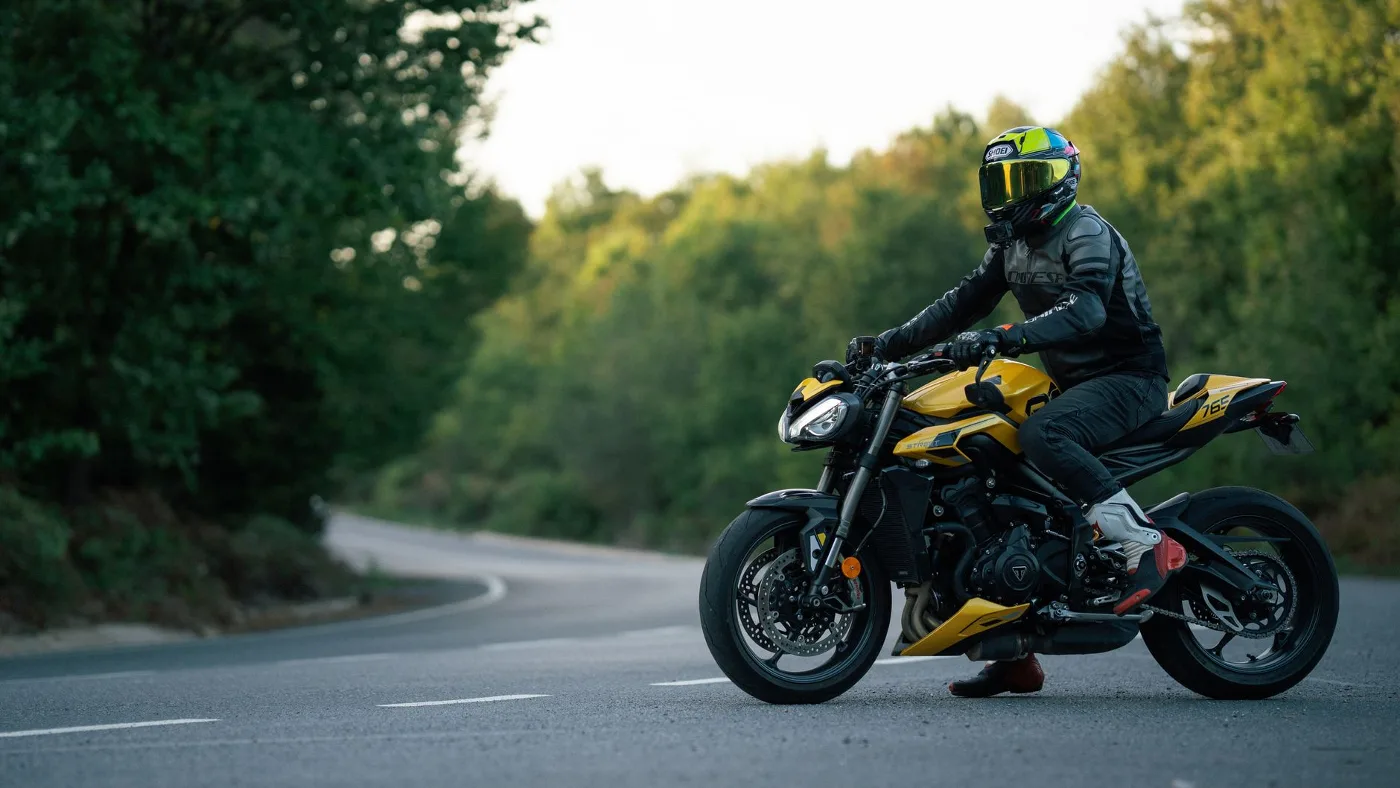
What to look for first in summer motorcycle clothing
The best summer motorcycle clothing is the gear that keeps you as cool as possible without giving up the protection you need. For most riders, that means prioritizing airflow, abrasion resistance, armor placement, and a fit that stays comfortable when temperatures climb. best options for everyday riders offers more detail on this point.
If you ride in U.S. summer heat, the real challenge is not finding the lightest possible outfit. It is finding gear that still makes sense when you are stopped at traffic lights, riding in humid conditions, or covering longer distances in mixed weather. A “cool” shirt or fashion-first riding outfit may feel comfortable for a few minutes, but it usually fails the moment you need real protection.
A practical summer setup usually includes a ventilated jacket, riding pants or jeans with protective reinforcement, summer gloves, and boots that cover the ankle. The exact combination depends on how you ride, how hot your local climate gets, and how much protection you are willing to carry for added comfort.
The short answer: look for ventilated, abrasion-resistant, armored gear that fits the kind of riding you actually do.
Choose gear based on your riding scenario
Buying summer motorcycle clothing works best when you start with the riding situation, not the product category. A commuter in stop-and-go traffic needs something different from a weekend rider on back roads or a touring rider logging hours in the saddle.
Daily commuting
If you ride to work, comfort matters because you may wear the gear for more than just the ride. Look for clothing that is easy to put on, tolerable in office or urban settings, and quick to adjust when temperatures change during the day. A lightweight mesh jacket can be a strong option, but only if it still offers the coverage and armor you want.
Weekend street riding
For shorter rides, many riders want a better balance between airflow and a more understated look. Textile jackets with large vents or mesh panels can work well, especially when paired with riding jeans or armored pants. The trade-off is simple: the more casual the style, the more carefully you should check the protective construction.
Touring and longer rides
Long-distance riders often face more variability. Morning starts can be cool, midday can be hot, and sudden weather shifts are common. In that case, modular clothing with venting, removable liners, or layering flexibility may be more useful than the lightest possible summer-only outfit.
Urban riding and frequent stops
Heat exposure at red lights and in traffic is where summer gear is tested most. Riders in dense city conditions usually benefit from maximum airflow and lighter colors that do not absorb as much sun as darker fabrics. Even then, the clothing still needs enough structure to stay in place and protect key impact areas.
Trade-offs that matter in hot weather
Summer motorcycle clothing always involves compromise. More airflow usually means less fabric coverage, and more coverage often means more heat. The best choice depends on which compromise you can live with.
- Mesh gear usually offers the best airflow, but it may feel less protective than heavier textile options if it is not well designed.
- Textile gear with vents can feel more versatile, but it may run warmer when vents are closed or when airflow is low.
- Riding jeans are convenient and familiar, but not every pair offers the same reinforcement or armor placement.
- Lightweight gloves improve comfort, yet very thin gloves may reduce abrasion protection or structure in a slide.
- Shorter boots can be easier to wear in hot weather, but they may leave more of the lower leg exposed than taller boots.
A common misconception is that summer gear should feel almost like streetwear. That expectation can lead riders to choose pieces that are comfortable in the garage but not especially useful on the road. Good riding clothing should feel easy to live in, but it should still have a clear protective purpose.
Material and construction factors to compare
Material choice affects comfort, durability, maintenance, and how well the clothing performs in heat. You do not need to memorize fabric labels, but you should understand what the construction is trying to do.
Mesh and ventilated panels
Mesh is popular for summer because it allows a lot of air to move through the garment. That can make a big difference in humid regions or during low-speed riding. The downside is that mesh construction alone does not tell you much about the overall protection level. Construction quality, reinforcement zones, seam placement, and armor integration matter just as much.
Textile shells
Textile jackets and pants often use woven synthetic materials designed to balance abrasion resistance and wearability. They may be heavier than mesh, but they can feel more substantial and versatile across changing conditions. Riders who want one set of clothing for mixed summer use often lean this direction.
Leather in summer
Leather is associated with protection, but it is not automatically the best hot-weather choice. Some riders like it for style or structure, yet full leather can feel warm and less forgiving in high heat. Perforation helps, but it does not behave the same as true high-airflow mesh. motorcycle gloves for warm weather offers more detail on this point. hot-weather gear for touring riders offers more detail on this point.
Reinforced fabrics and overlays
Look for reinforcements in common impact and slide zones such as shoulders, elbows, hips, and seat areas. Extra material in these locations can improve durability, but it may also reduce softness or flexibility. The best designs place reinforcement where it helps without making the whole garment stiff and tiring to wear.
Armor, coverage, and fit should not be afterthoughts
Protection is not only about the shell fabric. Armor placement and fit determine whether the clothing stays where it should during a ride.
For jackets and pants, check whether the armor sits naturally over the elbows, shoulders, knees, and hips without shifting around. If the protective pads are loose or sit too low, the gear may be less useful when you need it. A jacket that is too large can also flap in the wind, which is annoying and can reduce comfort over time.
Coverage matters as well. A summer outfit that leaves the wrists, ankles, or lower back exposed may feel cooler, but it gives up protection in places that are vulnerable in a fall. This is one reason the most wearable summer gear often uses adjustable cuffs, longer back panels, and ankle-friendly pants that work with riding boots.
Fit tip: try to think in riding position, not just standing still. Some jackets feel fine upright but pull tight across the shoulders or wrists once you reach for the bars. Pants can also ride up or bind at the knees if they are cut for casual wear instead of motorcycling.
What to prioritize by gear category
Different pieces of summer motorcycle clothing solve different problems. If you are building a warm-weather setup from scratch, start with the highest-impact items first.
Jackets
A summer riding jacket should offer airflow without feeling flimsy. Vent placement, removable liners, and sleeve adjustment are helpful, but the overall cut matters just as much. A jacket that stays stable in the wind is usually more comfortable than one that is extremely airy but poorly shaped.
Pants
Motorcycle pants often get overlooked, especially in summer. Riding in ordinary jeans may seem practical, but not every pair is designed for the friction, coverage, and armor compatibility that motorcycling requires. Look for pants with reinforced zones, optional armor pockets, or materials designed for riding use.
Gloves
Hot-weather gloves should still protect the palm, knuckles, and outer edges of the hand. Breathable gloves with perforation or lighter construction can help, but make sure you can still grip the controls confidently. Overly minimal gloves can become uncomfortable if they bunch up or lose structure.
Boots
Summer boots have to walk a line between ventilation and support. Low-profile footwear may feel cooler, but riding-specific boots usually provide better ankle coverage and more secure footing. If you commute, pay attention to how easily the boots go on and off, especially if you wear them throughout the day.
Base layers
Thin base layers can improve comfort by helping manage sweat and reducing the clingy feeling that some gear creates in humid weather. They are not essential for every rider, but they can make a noticeable difference on longer rides or in climates where sweat buildup becomes distracting.
Hot-weather details that are easy to miss
Some of the most useful summer gear features are the ones riders do not think about until they have already bought the wrong thing.
- Color choice: lighter colors may feel less harsh in direct sun, though they are not a substitute for actual ventilation.
- Liner management: removable waterproof or thermal liners can be useful in mixed weather, but leaving them in during peak heat often defeats the purpose of summer gear.
- Closure design: zippers, snaps, and cuff adjustments affect how well the garment seals, vents, and stays secure at speed.
- Moisture handling: fabrics that dry more quickly tend to feel better during repeated stop-and-go riding.
- Ease of cleaning: summer gear can absorb sweat, road grime, and sunscreen, so maintenance matters more than many riders expect.
Another overlooked factor is how the clothing feels after an hour, not after five minutes. A jacket that seems perfect in the parking lot may become irritating once moisture, heat, and wind combine on the road.
Common mistakes when shopping for summer riding gear
Many riders make the same few errors when they try to buy warm-weather motorcycle clothing.
- Choosing comfort over protection entirely: lightweight streetwear may feel great but may not be designed for riding.
- Focusing only on airflow: ventilation is valuable, but it should not replace abrasion resistance or armor.
- Buying the wrong fit for riding posture: a casual fit can pull tight or expose gaps when you are on the bike.
- Ignoring the lower half of the body: a good jacket does not make up for weak pants or poor footwear.
- Assuming all mesh is equal: mesh gear varies widely in construction quality and overall purpose.
If you want long-term value, choose gear that solves the riding problems you actually have instead of the clothing style you wish were enough. That usually leads to a more realistic, safer purchase.
Practical summer setup combinations
There is no single best summer motorcycle outfit for every rider, but a few combinations tend to make sense for common use cases.
For commuters
A ventilated jacket, riding jeans or protective pants, lightweight gloves, and ankle-covering boots can be the most practical starting point. This setup favors convenience while still keeping core protection in place.
For weekend riders
Many riders prefer a mesh or ventilated textile jacket, armored riding pants, and gloves with enough dexterity for relaxed control input. This balance is useful if you want more airflow without giving up too much versatility.
For touring riders
Look for adaptable clothing that can handle changing temperatures. Venting, layering, and stable fit matter more here than minimal weight. Touring gear may feel slightly less airy than pure summer mesh, but it can be more useful across a full day of riding.
For riders in very humid climates
Maximum airflow becomes a bigger priority, but moisture management also matters. Quick-drying materials and gear that does not hold sweat against the body can improve comfort more than a small difference in fabric thickness.
How to decide what is worth paying for
You do not need the most expensive gear to make a smart choice, but the cheapest option often cuts corners in ways that matter. A better approach is to decide which features are non-negotiable and which ones are nice to have.
Spend more on: fit, armor placement, quality construction, and pieces you will wear often.
Be flexible on: styling details, removable extras you will rarely use, and brand prestige.
Be cautious about: overly minimalist pieces that look like riding gear but do not provide enough coverage or structure.
If you ride frequently in the summer, durability and comfort can deliver more value than novelty features. Clothing that stays usable through repeated heat, sweat, and routine wear is usually the better long-term buy.
Next steps before you buy
Before choosing a summer riding setup, think through your commute, your climate, and the kind of protection you expect from the clothing. That simple filter removes a lot of weak options fast.
- Identify your main riding scenario: commuting, touring, short rides, or mixed use.
- Choose the protection level you are comfortable carrying in hot weather.
- Decide whether you want maximum airflow or more versatile all-around use.
- Check fit in riding position, not just while standing.
- Confirm that the jacket, pants, gloves, and boots work together as a system.
If you are building a fuller wardrobe, it also helps to think of summer gear as part of a larger motorcycle clothing system rather than a one-off purchase. That includes seasonal layering, rain-ready options, and pieces for cooler shoulder-season rides.
FAQ
Is mesh motorcycle gear safe for summer riding?
Mesh gear can be a sensible summer option if it is built with proper reinforcements and armor. The important point is not mesh alone, but the overall construction, coverage, and fit.
Should summer motorcycle clothing be loose or fitted?
It should be fitted enough to keep armor in the right place and avoid excess flapping, but not so tight that it restricts movement or makes heat build up worse. Riding position matters when checking fit.
Can I wear regular jeans instead of riding pants in summer?
Regular jeans may be convenient, but they are not automatically a good substitute for motorcycle-specific pants. If you prefer denim, look for riding jeans with reinforcement and armor compatibility.
Do I need a separate pair of summer gloves?
Many riders benefit from them. Hot-weather gloves can make long rides more manageable, but they should still provide enough grip and protection for the controls and the palm.
What is the most overlooked part of summer riding gear?
Pants and boots are often overlooked. Riders tend to focus on the jacket first, but lower-body protection and secure footwear are just as important for a complete warm-weather setup.