

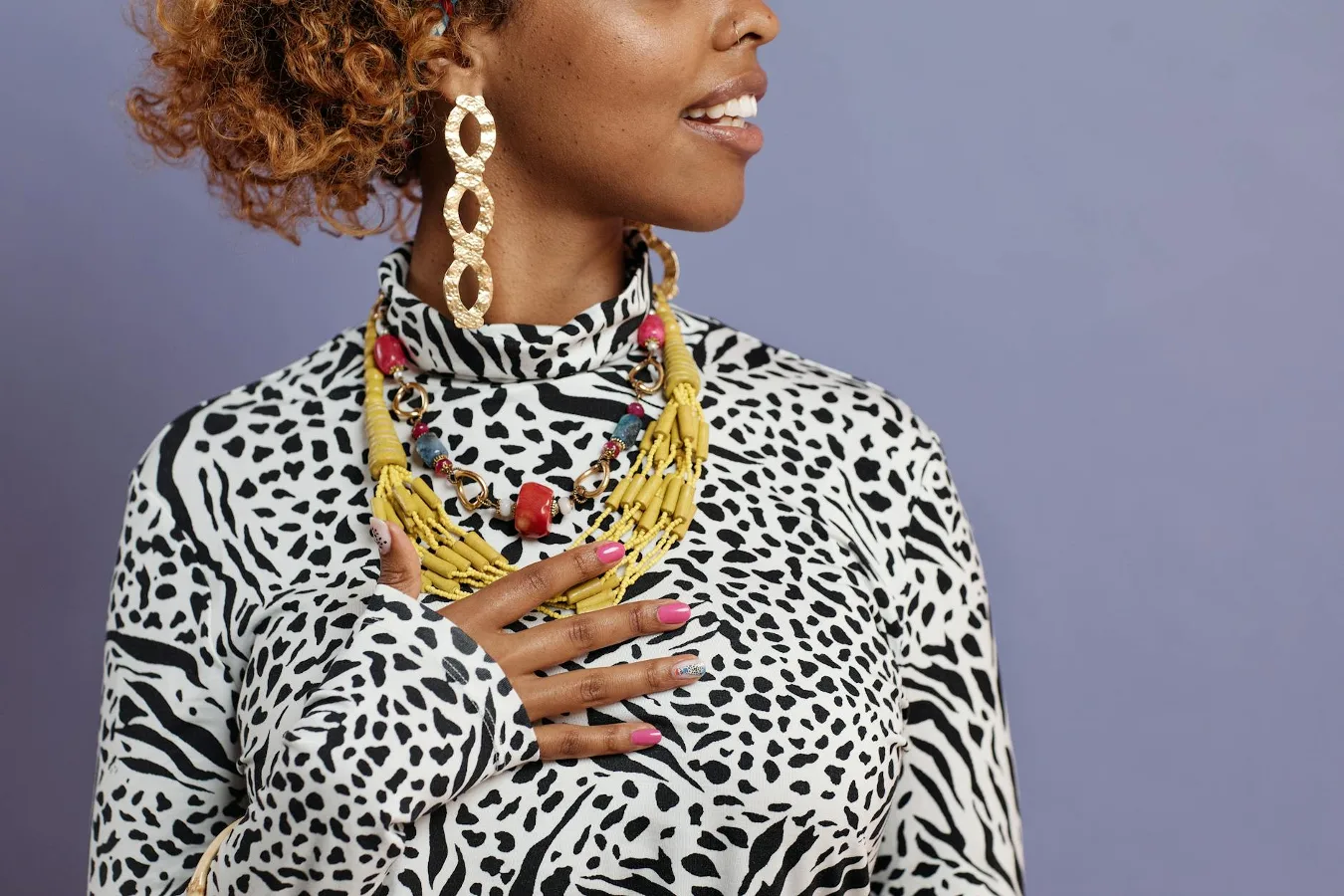
What bulky fashion jewelry is best for
Bulky fashion jewelry works best when you want the accessory to carry part of the outfit. It is usually chosen for visual impact rather than subtlety, which makes it useful for events, simple outfits that need a focal point, or anyone who prefers a more styled, editorial look. The key is not just size. It is balance: the piece should feel deliberate, comfortable enough to wear, and appropriate for the setting.
That balance matters because bulky pieces can quickly overwhelm a neckline, compete with prints, or feel awkward if the weight is poorly distributed. The right option depends on whether you need a dramatic necklace, oversized earrings, a stacked bracelet look, or a single sculptural item that stands alone.
Start with the setting, not the trend
The most useful way to shop for bulky fashion jewelry is to think about where it will actually be worn. A piece that looks great in a product photo may be frustrating in daily life if it catches on clothing, feels heavy after an hour, or clashes with your usual wardrobe.
Good matches for bulky pieces
- Evening outfits that need a stronger focal point
- Simple tops, dresses, and tailoring with clean lines
- Occasions where a statement accessory is part of the dress code
- Wardrobes built around minimal clothing and bold accessories
Situations where a smaller profile may work better
- Long workdays with frequent movement
- Outfits that already include strong prints or texture
- Travel, where storage and durability matter more
- Settings that call for quiet, low-profile accessories
A common misconception is that larger jewelry always looks more expensive or more fashionable. In practice, scale only works when it fits the rest of the look. A bulky piece can feel polished, but only if the proportions are right.
Trade-offs that matter before you buy
Bulky fashion jewelry often delivers impact quickly, but the same features that make it eye-catching can also create limitations. Understanding those trade-offs helps you avoid pieces that sit in a drawer after one wear.
| Factor | Why it matters | What to look for |
|---|---|---|
| Weight | Heavier pieces can affect comfort over time | Balanced construction, secure closures, and manageable size |
| Proportion | Oversized jewelry needs to suit your frame and outfit | Pieces that complement necklines, sleeve volume, and hairstyle |
| Versatility | Some bold pieces only work with a narrow range of clothes | Designs that pair with neutrals or multiple necklines |
| Maintenance | Large surfaces can show wear, scratches, or dullness more easily | Easy-to-clean finishes and storage-friendly shapes |
| Durability | Large pieces may have more joints, links, or decorative parts | Solid construction and secure attachment points |
One overlooked consideration is how the piece moves with the body. Bulky jewelry that looks stable on a flat lay may swing, twist, or shift while walking. That matters especially for long earrings, collar necklaces, and wide cuffs.
Materials and construction: what to pay attention to
For fashion jewelry, material choice affects more than appearance. It influences weight, finish, comfort, and how long the piece keeps its shape. Because bulky designs already make a visual statement, the materials should support that scale instead of fighting it. how to layer fashion jewelry offers more detail on this point.
Common material families
- Base metals with plating: Often used for bold necklaces, cuffs, and earrings. These can offer a polished look, but finish quality and wear resistance vary.
- Resin and acrylic: Useful for oversized shapes because they can create volume without excessive weight.
- Beads and stones: Add texture and color, though the overall feel can become heavier depending on construction.
- Mixed materials: Combine metal, resin, enamel, fabric, or glass for a more layered look.
Construction matters as much as the surface material. Check clasp quality, hinge movement, link integrity, and whether decorative parts are securely attached. With bulkier designs, weak connection points are more likely to show up as wear problems.
If you are choosing a necklace, pay attention to how the pendant or front section hangs. A large front element that flips, slides, or sits awkwardly can be more frustrating than a simpler design with cleaner lines.
Comfort is not a small detail
Comfort is often the deciding factor with bulky fashion jewelry. A piece may look perfect in a photo but feel too dense, scratchy, or unbalanced in real use. For earrings, look at the relationship between size and attachment style. For necklaces, think about chain thickness, closure placement, and where the weight sits on the chest. For bracelets and cuffs, consider whether the interior edges are smooth and whether the piece pinches when you move your wrist.
Another practical nuance: comfort changes with wear time. A necklace that feels fine for dinner may not be suitable for an all-day event. If you rarely wear statement jewelry, start with a piece that offers visual impact without pushing the limits of weight or rigidity.
How to choose the right scale for your wardrobe
Bulky fashion jewelry looks best when its scale is intentional. The goal is not simply to pick the largest item available. It is to choose a size that works with your clothing lines, your face shape or neckline, and the amount of visual detail already in the outfit.
For necklaces
Bold necklaces work especially well with open necklines, simple crew necks, and minimal tops. They can struggle when paired with busy patterns or collars that break up the visual line. If you want a chunkier necklace for regular wear, consider one with a clean shape rather than lots of dangling parts.
For earrings
Large earrings can frame the face effectively, but comfort and movement are crucial. Heavier drops, hoops, or sculptural earrings should feel secure and not tug excessively. If you wear your hair up often, oversized earrings may read more cleanly. If your hair is down and textured, a simpler shape can keep the look from becoming crowded. choosing earrings for your face shape offers more detail on this point.
For bracelets and cuffs
Bulky wristwear works best when it leaves enough room for movement. A stiff cuff can feel elegant with short sleeves, while stacked bracelets can add texture but may become noisy or distracting. If your routine includes typing, driving, or carrying bags frequently, a less rigid option may be more practical.
Styling decisions that make bulky jewelry look polished
Statement pieces tend to look best when the rest of the outfit gives them space. That does not mean the rest of the look has to be plain. It means one element should lead clearly while the others support it.
- Choose one focal point: If the necklace is dramatic, keep earrings simpler.
- Let necklines help: A neckline that opens space around the jewelry often improves proportion.
- Use texture carefully: If your clothes are highly textured, keep the jewelry shape cleaner.
- Match formality: Chunky jewelry can feel elevated or casual depending on finish and context.
- Repeat one design cue: A curved necklace works well with curved earrings or rounded shoes, but avoid making everything match too literally.
Mixed metals are also worth considering. They can make bulky jewelry easier to wear with different wardrobes, but the mix should feel intentional rather than random. A piece with a clear dominant tone usually integrates more easily into everyday outfits. mixed metals in jewelry styling offers more detail on this point.
Limitations to keep in mind
Bulky fashion jewelry is not the most versatile category by default. Some pieces are designed for impact first, which can limit how often they get worn. Others are more costume-driven and may not age well if the finish wears down or if trends move away from that silhouette.
That does not make them a poor purchase. It just means the best bulky piece is usually the one that earns repeated use in your actual wardrobe, not the one that looks most dramatic in isolation.
There is also a storage consideration that gets overlooked. Large necklaces, cuffs, and oversized earrings can tangle, bend, or rub against other items if stored loosely. If a piece has layered chains, sharp corners, or delicate attached elements, it benefits from separate storage and careful handling.
Alternatives if full bulk feels too much
If you like the look but not the commitment, there are several easier entry points into statement jewelry.
- Sculptural but lighter designs: Give visual interest without a heavy feel
- Medium-scale pieces: Offer more flexibility across outfits
- Single bold element: A standout necklace or cuff can be enough
- Textural jewelry: Braided, hammered, enamel, or beadwork details can add presence without oversized proportions
These alternatives are especially useful if you are building a jewelry wardrobe from scratch or if you want something more adaptable for work, travel, and repeat wear.
Common mistakes shoppers make
- Buying for the photo instead of the outfit they actually wear
- Ignoring weight and assuming size alone defines comfort
- Choosing too many statement pieces at once
- Overlooking clasp quality or weak attachment points
- Pairing bulky jewelry with equally busy clothing
- Not thinking about storage or travel protection
The most avoidable mistake is treating bulky jewelry like a one-size-fits-all category. A dramatic necklace, for example, has very different requirements from oversized earrings or a wide cuff. Each one asks for a different balance of comfort, styling, and construction.
Next steps before you choose
If you are shopping for bulky fashion jewelry, narrow the decision using three questions: where will you wear it, how long will you wear it, and what will you pair it with most often? Those answers usually reveal whether you need a bold, versatile piece or a highly specific statement item.
From there, compare the structure, weight, finish, and closure type. Look for a design that supports the scale rather than just chasing size. The most wearable bulky jewelry usually has strong shape, clear styling purpose, and enough comfort to leave the drawer behind.
If your wardrobe leans minimal, a single sculptural piece may do more work than an entire collection of trend-driven accessories. If you already wear prints or layered textures, a cleaner oversized piece will usually integrate better than something overly ornate. Either way, the best choice is the one that feels deliberate in real life, not just dramatic on the page.