

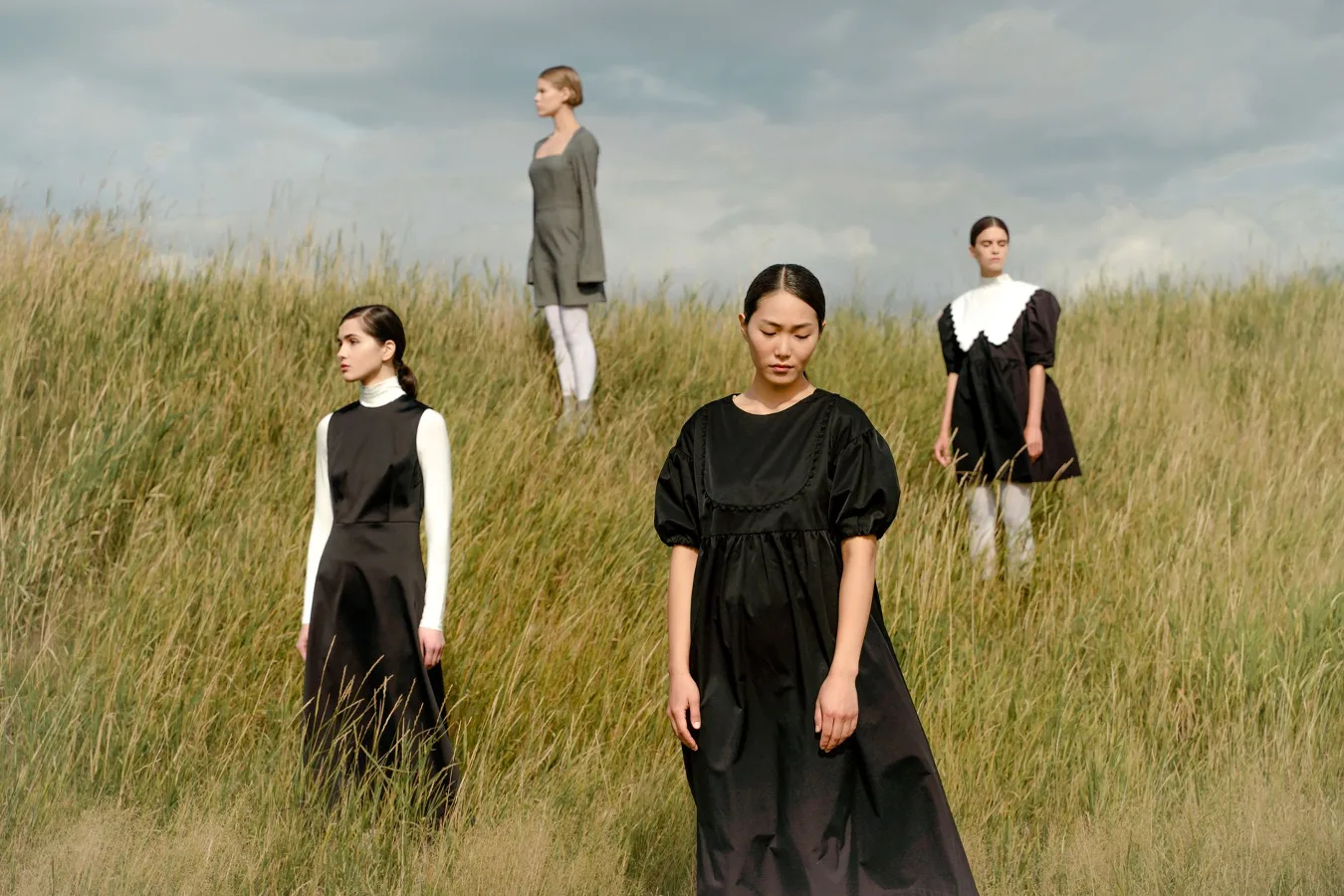
Sunday’s best clothing is the polished, respectful outfit you reach for when the occasion calls for a little more intention than everyday casual wear. For many people in the United States, that means church clothing, family gathering outfits, brunch looks, or other settings where neatness, modesty, and comfort all matter at once. best fabrics for polished clothes offers more detail on this point. what to wear to family gatherings offers more detail on this point. smart casual clothing tips offers more detail on this point.
The best choice is not always the most formal one. The right Sunday outfit depends on the dress code, the season, how long you will wear it, and whether you want something that can be repeated in other settings. That is what makes this category worth shopping carefully: the most useful pieces are often the ones that look composed without feeling fussy.
What “Sunday’s Best” Usually Means
The phrase usually points to clothing that is cleaner, more refined, and slightly dressier than your normal day-to-day wardrobe. In practice, that can include tailored dresses, skirts and blouses, dress shirts, slacks, blazers, knit polos, loafers, low heels, or polished flats. The exact look changes with the setting and the community around it.
A common misconception is that Sunday’s best has to mean formalwear. That is rarely true. Many churches and family events lean toward smart casual or dressy casual rather than traditional formal dress. A neat midi dress, a crisp button-down with trousers, or a coordinated set can fit the purpose well if the overall look feels respectful and put together.
Buyer Scenario: What Are You Dressing For?
Before focusing on specific garments, it helps to think about the actual use case. Sunday’s best clothing can serve different needs, and the right purchase depends on which one matters most to you.
For church services
If the main goal is church attire, prioritize modesty, comfort, and ease of movement. Sitting, standing, and walking between spaces should feel natural. Many shoppers also prefer pieces that are understated enough to wear repeatedly without feeling overdone.
For family gatherings or celebrations
For dinners, holiday meals, or milestone events, you may want a slightly more expressive look. This is where texture, layering, and color choices matter more. A coordinated outfit can feel elevated without becoming too formal.
For a versatile wardrobe purchase
If you want clothing that works for more than one setting, look for items that can move between church, work, and social events. This is often the smartest way to buy Sunday’s best clothing, because the value comes from repeated wear rather than a single occasion.
Trade-Offs That Matter Before You Buy
Shopping for this category is really about balancing polish with practicality. The most attractive outfit on a hanger may not be the one you reach for most often.
- Style vs. comfort: Structured pieces look refined, but they should still allow you to sit, bend, and walk comfortably.
- Formality vs. flexibility: A highly formal outfit may feel appropriate for one event but limited everywhere else.
- Fashion-forward vs. timeless: Trend-led pieces can look fresh, but classic cuts are easier to reuse across seasons.
- Delicate fabrics vs. easy care: More refined materials often require more attention, which can matter if you need low-maintenance clothing.
The overlooked consideration is fit consistency. A Sunday outfit can look expensive even when it is not, but poor fit will undermine the whole effect. Shoulder placement, hem length, sleeve comfort, and how fabric drapes all matter more than logos or embellishments.
Material and Fabric Factors
Fabric choice shapes how polished the outfit looks, how it feels during wear, and how much care it needs afterward. Since Sunday’s best clothing is often worn for longer events, fabric matters more than many shoppers expect.
Cotton and cotton blends
Cotton is familiar, breathable, and easy to style. Blends can improve wrinkle resistance and help garments hold their shape better. For shirts, blouses, and dresses, cotton-based fabrics are often a practical starting point.
Wool and suiting fabrics
For more tailored looks, wool and structured suiting materials can create a clean line. These are especially useful for blazers, trousers, and dressier outer layers. The trade-off is that they may feel warmer and require more care than lighter everyday fabrics.
Polyester and blended fabrics
Blends can be useful when wrinkle resistance and easier maintenance matter. They are common in dressy clothing because they often travel well and keep a neat appearance. The limitation is that breathability and feel can vary widely, so the fabric quality should be assessed case by case.
Linen and lightweight summer fabrics
Linen and similar airy materials are appealing in warm weather. They feel relaxed and seasonally appropriate, but they wrinkle more easily and can read less formal unless the silhouette is tailored carefully.
Knit fabrics
Fine knits can be a comfortable choice for dressier outfits, especially when the shape is clean and not too casual. They can work well for layered looks, but heavier or overly casual knits may miss the polished look that Sunday attire usually calls for.
Fit, Length, and Silhouette
Fit is one of the strongest signals of whether clothing looks appropriate for Sunday settings. Even a simple outfit can feel intentional if the proportions are right.
- Dresses and skirts: Look for lengths and cuts that feel comfortable while seated and walking. A modest hemline is often easier to wear in shared or formal settings.
- Tops and blouses: Neckline depth, sleeve length, and shoulder fit influence how polished the outfit appears.
- Shirts and trousers: A clean collar, a proper waist fit, and a good break at the hem can make a simple outfit look refined.
- Blazers and layers: Outer layers should skim the body rather than pull across the shoulders or bunch at the back.
A practical nuance: many shoppers focus on size first and tailoring second, but small adjustments often improve a Sunday outfit more than buying something “dressier.” Hemming trousers or choosing the right sleeve length can have a bigger impact than adding a more expensive fabric.
How to Choose Pieces That Wear Well Beyond Sunday
Because commercial intent often includes value, versatility should be part of the decision. The strongest Sunday’s best clothing is often the clothing that can also support work, travel, or semi-formal plans.
Try to identify pieces that can be styled multiple ways. A blazer may work over a dress on Sunday and with jeans later in the week. A midi dress may suit church, a dinner out, or a seasonal event depending on shoes and accessories. Dress shirts and tailored trousers are especially flexible if the colors stay neutral.
That versatility has a limit, though. The more specialized the piece, the less often it may be worn. An ornate dress or highly seasonal color can be beautiful, but it may not justify the wardrobe space if your lifestyle does not include many dressy occasions.
Seasonal Considerations
Sunday clothing should feel appropriate for the weather as well as the setting. What works in a cool spring sanctuary may be uncomfortable during a humid summer service or a winter holiday gathering.
- Spring: Lightweight layers, fresh colors, and breathable fabrics are practical.
- Summer: Airy materials and lighter shades help with comfort, especially for longer services or outdoor events.
- Fall: Textured fabrics, jackets, and deeper tones often feel seasonally balanced.
- Winter: Heavier fabrics, layering pieces, and closed-toe shoes usually make the most sense.
One common mistake is choosing an outfit based only on appearance and forgetting the venue. A warm church, a cool sanctuary, or an outdoor gathering can change what feels comfortable very quickly. Layering is often the safest strategy.
Style Directions That Commonly Work
There is no single right look for Sunday’s best clothing, but several style directions tend to work well because they balance formality and ease.
Classic and traditional
This includes tailored dresses, blazers, dress shoes, and conservative color palettes. It is a dependable option when you want the outfit to feel respectful and timeless.
Smart casual
Clean trousers, polished tops, loafers, and structured knitwear fit this lane well. It is often the most practical choice for families and churches with a relaxed dress culture.
Modest contemporary
Modern silhouettes with covered shoulders, midi lengths, or layered styling can feel current without losing appropriateness. This approach is helpful if you want polish without looking dated.
Minimal and refined
Simple lines, neutral colors, and restrained accessories can look elegant with very little effort. This is a strong option for shoppers who prefer fewer pieces and more outfit flexibility.
Common Mistakes to Avoid
Sunday’s best clothing tends to look best when it is understated and well considered. The most common mistakes are less about style rules and more about practical fit and context.
- Choosing style over comfort: If you cannot sit, walk, or move easily, you will feel distracted all day.
- Ignoring the venue’s norms: Dress codes vary by congregation and event, so observe the setting rather than assuming one standard.
- Over-accessorizing: Too many competing details can make an outfit feel busy instead of polished.
- Buying for a single photo moment: A look that photographs well may not be pleasant to wear for several hours.
- Overlooking care needs: If the garment requires frequent dry cleaning or delicate handling, make sure that fits your routine.
A useful decision-making insight is to ask whether the outfit still feels appropriate if you remove one accessory or layer. If the answer is no, it may be too dependent on styling and not strong enough on its own.
Alternatives If You Do Not Want a Traditional Dressy Look
Not everyone wants a dress, suit, or highly formal outfit. That is where thoughtful alternatives come in.
For women, a polished blouse with wide-leg trousers or a midi skirt can feel just as appropriate as a dress. For men, a knit polo with tailored pants may be a better fit than a full button-down and blazer if the environment is less formal. Coordinated sets can also offer a clean appearance without the rigidity of a suit.
If you want a more relaxed option, focus on neatness and structure rather than formal markers alone. Pressed clothing, clean shoes, and a refined color palette can do a lot of work. The aim is not to look theatrical; it is to look considered.
How to Shop More Confidently
A good Sunday outfit is usually the result of a few practical checks rather than a complicated style formula. Before buying, think through the following:
- What is the actual setting and how formal is it?
- Will the fabric be comfortable for the full length of wear?
- Does the fit allow for sitting, walking, and layering?
- Can the item be worn in other contexts?
- How much care will it need after use?
If you answer those questions honestly, it becomes much easier to avoid purchases that look good online but feel awkward in real life. That is especially true for Sunday’s best clothing, where appropriateness, comfort, and repeat wear all matter.
Next Steps for Building a Better Sunday Wardrobe
If you are starting from scratch, begin with one or two dependable pieces rather than chasing a complete look all at once. A well-fitting dress, a tailored shirt, a versatile blazer, or a pair of polished trousers can anchor multiple outfits. From there, add layers and accessories that support your climate, your schedule, and the dress culture around you.
If you already own formal pieces but rarely wear them, the answer may be less shopping and more editing. Keep the items that feel comfortable, fit well, and work across multiple occasions. The most valuable Sunday clothing is not the most dramatic; it is the clothing that helps you feel appropriately dressed without requiring constant adjustment.
That balance is what makes the category worth understanding before you buy. Once you know the difference between polished, versatile, and overly specific, it becomes much easier to choose clothing that actually serves your life.