

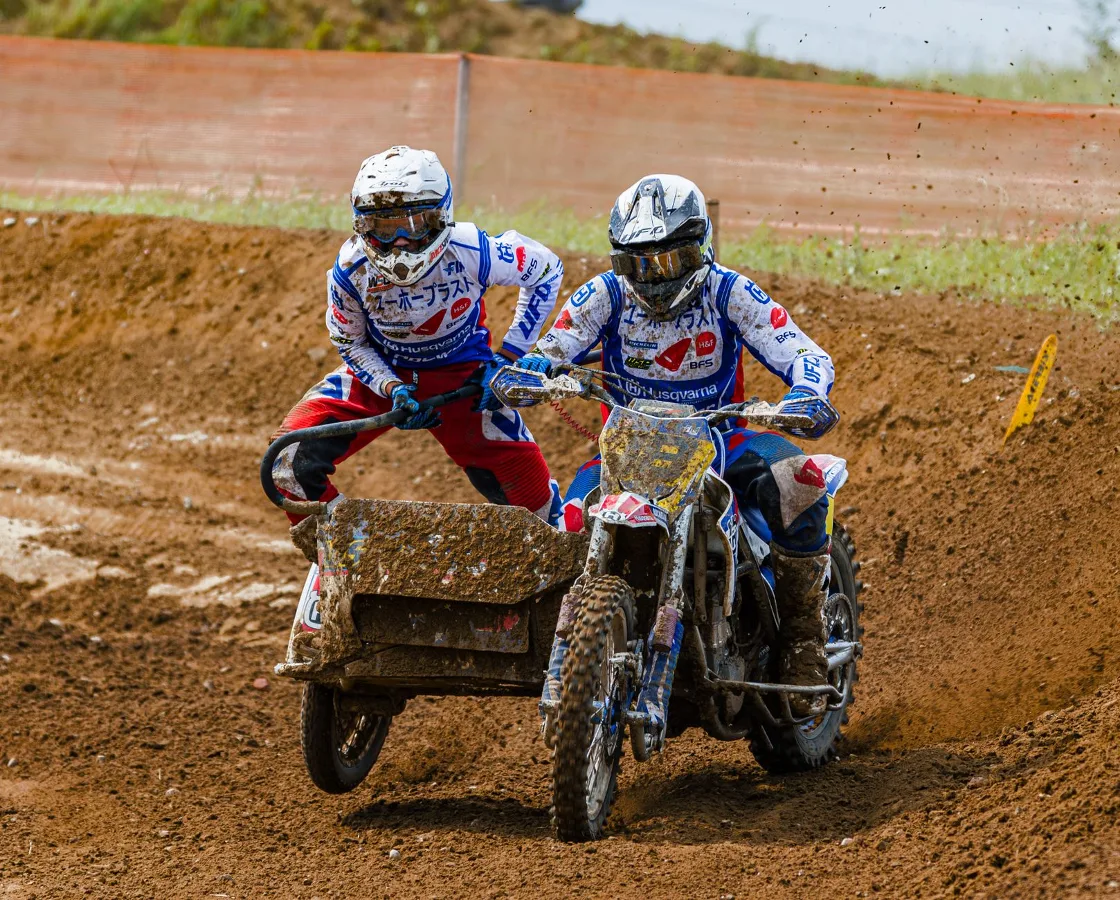
Dual sport gear is riding equipment built to handle both pavement and dirt, so the right choice depends on how often you ride on-road, how technical your off-road terrain is, and how much comfort you need over a full day. The best setup usually balances protection, airflow, mobility, and weather resistance instead of maximizing only one of those factors. how to choose riding gear for mixed terrain offers more detail on this point.
If you are shopping for dual sport gear, start by thinking about your actual riding pattern. A commuter who occasionally hits gravel has different needs than a rider spending weekends on forest roads, rocky climbs, or longer adventure loops. That difference should drive every decision, from helmet style to boot height to how much armor you want in your jacket and pants.
Who dual sport gear is really for
Dual sport gear makes the most sense for riders who switch between street and off-road conditions without changing outfits. That includes dual sport motorcycle riders, adventure riders, commuters on mixed routes, and riders who want one system that can handle a wide range of weather and terrain.
The key challenge is that road gear and dirt gear often want different things. Street-focused gear tends to prioritize abrasion resistance and all-day comfort at speed. Off-road gear tends to prioritize mobility, ventilation, and freedom of movement. Dual sport gear sits between those poles, which is useful, but it also means you may not get the absolute best performance in either environment.
That trade-off is the main misconception to avoid: more versatile does not automatically mean better in every category. The right gear is the one that fits your route, climate, and tolerance for compromise.
The trade-offs that matter most
Choosing dual sport gear is mostly about deciding which compromises you can live with. Before you compare brands or styles, weigh these practical trade-offs.
Protection versus mobility
Heavier materials, larger armor coverage, and more substantial construction can improve protection, but they can also reduce flexibility and make the gear feel restrictive on technical trails. On the other hand, very lightweight gear may feel better in hot weather and on aggressive off-road sections, but it may offer less coverage or less confidence on the pavement.
For many riders, the sweet spot is gear with real protective structure where it matters most, plus enough articulation to move naturally on the bike. Look closely at how the elbows, shoulders, knees, and back are designed to bend rather than assuming a product is comfortable because it looks athletic. Sports Protective Gear Guide for Athletes offers more detail on this point.
Ventilation versus weather resistance
Ventilation becomes a major factor in dual sport riding because you may spend part of the day in slow, hot, low-airflow conditions and part of it cruising at road speed. Mesh panels, zip vents, and breathable construction can improve comfort, but more open gear may not block wind, dust, or rain as well.
If you ride in variable climates, layered clothing often gives better flexibility than trying to find one piece that does everything. A shell that can be worn over layers, or a jacket with a removable liner, may be more adaptable than a single highly specialized piece.
Full coverage versus packability
Some riders want maximum coverage built into the garment. Others prefer a lighter setup they can pack, adjust, or strip down during the day. Packability matters more than many buyers expect, especially on longer rides where temperature, altitude, and weather change quickly.
A common mistake is choosing gear that feels ideal in one part of the ride but becomes a burden later. If you often stop, hike, or handle the bike off-road, think about how the gear feels when you are not simply sitting behind the bars.
Material and spec factors to compare
Dual sport gear is defined less by style and more by how its materials and construction support mixed use. The categories below are the ones worth comparing first.
Shell materials and reinforcement
Riding jackets and pants may use textile fabrics, leather panels, stretch zones, or combinations of these. Textile is common in dual sport gear because it can be lighter, more adaptable, and easier to layer than heavy leather. Reinforced zones are especially important in contact areas such as the shoulders, elbows, seat, knees, and inner legs.
Look for reinforcement that matches where a rider is likely to make contact with the bike or the ground. A garment can look rugged without being meaningfully reinforced in the right places.
Armor and impact coverage
Armor placement matters as much as the armor itself. Check whether the jacket or pants include elbow, shoulder, back, hip, and knee protection, and whether the armor can be positioned correctly for your body. Misaligned armor offers less practical value than buyers often assume.
If the garment has removable armor, that can improve flexibility and make cleaning easier. The downside is that removable components can shift, get misplaced, or fail to sit exactly where you want them if the fit is poor.
Fit and articulation
Dual sport gear should allow you to stand on the pegs, bend your knees, reach the bars, and move your torso without the clothing fighting you. Articulated knees, pre-curved sleeves, stretch inserts, and adjustable closures can all improve real-world usability.
Fit should also account for layers. If your gear is too tight over a base layer or midlayer, it can limit circulation and reduce comfort. If it is too loose, armor can move out of place and fabric can flap at highway speeds.
Boot compatibility
Boot choice is often overlooked, yet it changes the whole setup. Dual sport boots may be taller and more protective than casual riding boots, and pants need to work with that height without bunching awkwardly or exposing skin.
Check whether pant cuffs are designed to sit over or inside the boot and whether the closure system stays secure. Small mismatches here can become a daily annoyance.
Gloves and control feel
Gloves for dual sport use need a balance of dexterity, protection, and weather handling. Thin gloves can improve control feel, especially on technical dirt sections, but may offer less warmth or abrasion coverage. Bulkier gloves can improve weather protection but reduce bar feel.
Grippy palm materials, knuckle coverage, and wrist closure quality are worth comparing carefully. A glove that is comfortable off the bike but weak at the controls is not a good fit for mixed riding.
How to choose based on your riding scenario
The best dual sport gear depends on which part of the ride is non-negotiable. Use these scenarios as a shortcut to smarter decisions.
Mostly road with occasional dirt
If your riding is primarily street miles with brief dirt detours, prioritize abrasion resistance, weather management, and a refined fit at speed. You may not need the lightest or most open gear, because comfort on the pavement will matter more than extreme off-road mobility.
In this case, a more road-oriented adventure setup often makes sense. It can still handle gravel and light trail use without forcing you into a very stripped-down off-road system.
Mixed routes with frequent standing and movement
If you are constantly transitioning between seated road riding and active standing on the bike, mobility becomes more important. Look for flexible panels, secure closures, and gear that does not bind at the shoulders, elbows, hips, or knees.
This is where many riders underestimate the value of articulation. A jacket that feels fine in a showroom stance may feel very different after an hour of off-road body movement.
Hot-weather riding
For warm climates, airflow and sweat management often matter more than heavy insulation or maximum wind blocking. Venting, moisture-friendly base layers, and lighter shell construction can make a long ride more tolerable.
The limitation is obvious: more airflow usually means less weather buffering. If summer storms are common, think about how quickly you can add a shell or waterproof layer.
Cool-weather and shoulder-season riding
For spring and fall conditions, versatility is often the priority. Layer-friendly gear, removable liners, and closures that seal wind without feeling bulky can be more useful than highly specialized summer kit.
Buyers sometimes overestimate how much warmth comes from the shell itself. In practice, layering strategy often matters more than choosing the heaviest jacket.
Common mistakes to avoid
Several buying mistakes show up again and again in dual sport gear selection.
- Choosing by looks alone. Aggressive styling does not guarantee fit, ventilation, or protection where you need it.
- Ignoring boot and pant compatibility. A mismatch here can create discomfort every time you ride.
- Overlooking armor placement. The gear may include protection, but if it does not sit correctly, the benefit is reduced.
- Buying for the best-case weather only. Mixed riding often means changing conditions, not a single ideal temperature.
- Assuming one piece can do everything well. Some riders need modular gear, not one universal solution.
A less obvious issue is storage and travel convenience. If you need to remove liners, pack gloves, or carry extra layers on the bike, make sure the gear fits into your broader system. Otherwise, you may own good pieces that are awkward to use together.
What to do before you buy
Before committing to dual sport gear, make a short checklist based on your most common ride. This keeps the purchase grounded in real use rather than general features.
- Map your typical route: pavement, dirt, gravel, technical trail, or a mix.
- List your climate needs: hot, cold, wet, dry, or changing conditions.
- Decide your protection priority: maximum coverage, lighter mobility, or balanced use.
- Check fit with your boots, gloves, base layers, and any chest or back protection you plan to use.
- Look for adjustment points that let you fine-tune the fit after long rides and weather changes.
If you are comparing multiple options, focus on how each one handles the same riding scenario rather than chasing a long feature list. Two products can look similar on paper and feel completely different once you sit on the bike.
Practical next steps
If you are building a dual sport setup from scratch, start with the pieces that affect safety and fit the most: helmet, jacket, pants, boots, and gloves. After that, add layers and weather protection based on your local conditions. This sequence usually gives better results than buying accessories first.
If you already have some riding gear, identify the weak link. Maybe your jacket is fine but your boots are too soft. Maybe your pants work on-road but feel restrictive when you stand. Upgrading the weakest point often improves the whole setup more than replacing everything at once.
For riders comparing options across the broader sports gear cluster, dual sport gear sits in a useful middle ground: more adaptable than pure motocross kit, more off-road ready than casual street gear, and more dependent on personal use-case than many buyers expect. That is why the best choice is rarely the flashiest one. It is the one that fits your riding routine with the fewest compromises. Dual Sport Riding Gear Buyers Guide offers more detail on this point.
FAQ
What makes dual sport gear different from regular motorcycle gear?
Dual sport gear is designed to work in both street and off-road conditions. Compared with more specialized road gear, it usually emphasizes greater mobility, ventilation, and adaptability, while still providing meaningful protective coverage.
Should dual sport gear be loose or tight?
It should be secure without restricting movement. Too loose, and armor can shift or fabric can flap; too tight, and you may lose comfort, layering space, and freedom of movement on the bike.
Do I need special boots for dual sport riding?
Specialized boots are not mandatory for every rider, but the right boot makes a major difference in protection, stability, and comfort. The ideal boot depends on how technical your off-road riding is and how much walking you do off the bike.
Is waterproof gear necessary for dual sport use?
Not always, but weather resistance is useful if you ride in changing conditions. Some riders prefer a ventilated setup with a packable rain layer, while others want built-in weather protection for convenience.
Can one dual sport setup work year-round?
Sometimes, but usually only with layering and modular pieces. Year-round use is easier when the gear has ventilation for warm weather and enough room to add insulating or waterproof layers when temperatures drop.