

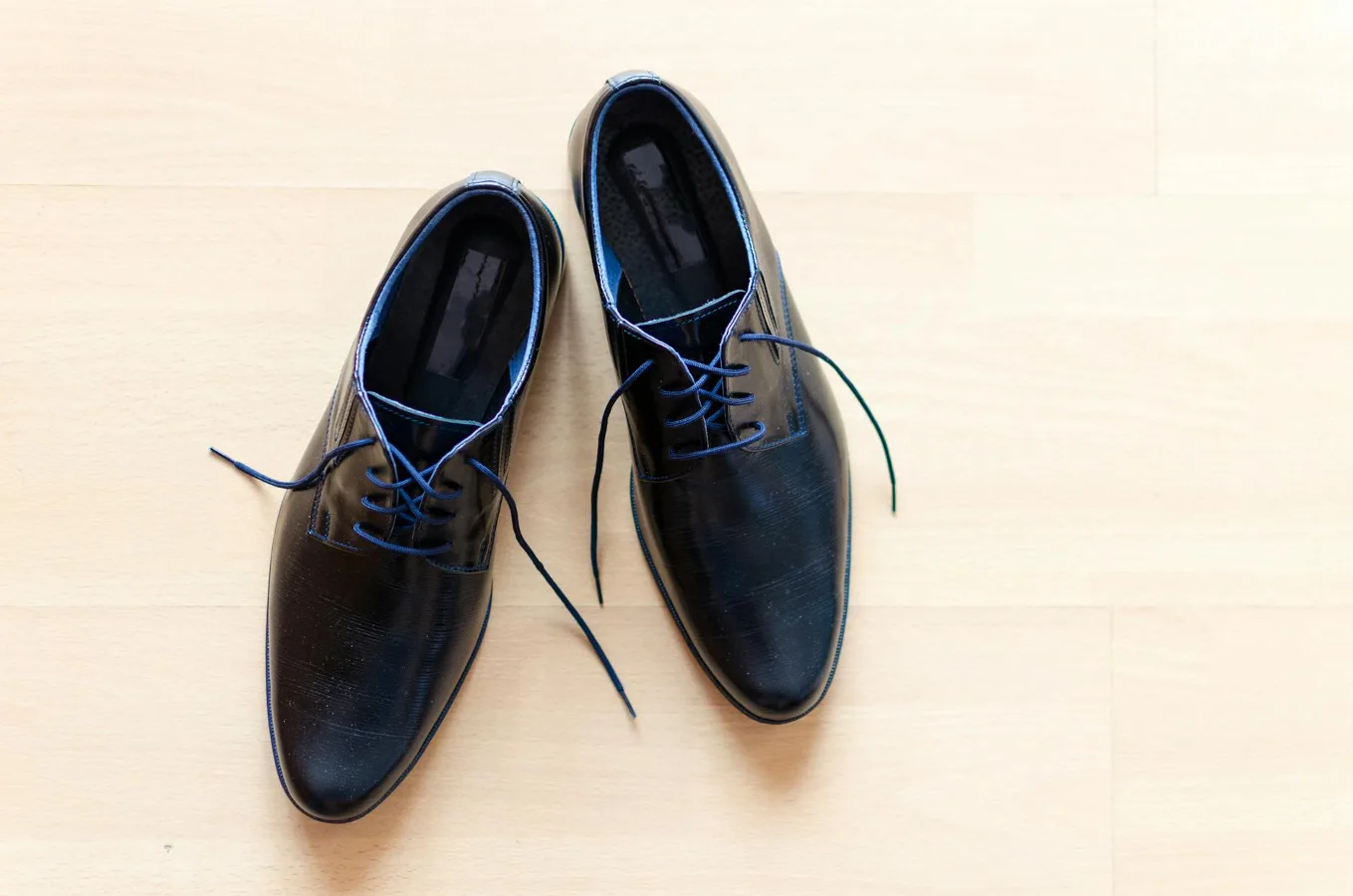
Elevator shoes for men are regular-looking shoes with a built-in lift inside the sole, designed to add height without advertising it. The best pairs do more than raise your stature: they should still fit securely, walk naturally, and suit the setting you plan to wear them in.
If you are shopping for them for the first time, the main decision is not simply how much height they add. It is whether the shoe shape, internal structure, and outsole design work together well enough that the lift feels comfortable and the shoe still looks balanced from the outside.
Quick answer: what to look for first
The smartest elevator shoes for men are the ones that match your use case. A dress shoe for office wear needs a different profile than a casual sneaker or boot. Start with three questions: how much height do you want, how often will you wear them, and what outfit will they need to support? men’s dress shoes guide offers more detail on this point. Alligator Shoes: Buyer’s Guide offers more detail on this point.
From there, focus on the details that affect wearability most:
- Fit: the shoe should hold the heel and midfoot without pinching the toes.
- Profile: a sleeker silhouette is usually easier to wear discreetly.
- Lift placement: the lift should feel stable enough for your gait, not like you are pitched forward.
- Material and construction: the upper, lining, and sole should suit how often you plan to wear them.
That combination matters because an elevator shoe can look right but still wear poorly, or feel comfortable but look bulky. The better pairs manage both.
How elevator shoes compare with other height options
Men usually compare elevator shoes with two alternatives: shoe lift inserts and platform-style footwear. Each solves the height problem differently, and each has trade-offs.
| Option | What it does well | Trade-offs | Best for |
|---|---|---|---|
| Elevator shoes | Built-in lift, cleaner look, more integrated feel | Less flexible than regular shoes; fit depends on the model | Daily wear, formal outfits, discreet height boost |
| Shoe lift inserts | Can be added to shoes you already own | May reduce toe room and alter fit; not ideal for every shoe | Occasional use, experimentation, backup options |
| Platform shoes | Easy to find, often more obvious as fashion pieces | More visible as a style choice; not always appropriate for formal wear | Fashion-forward looks, casual styling |
A common misconception is that the highest lift is always the best choice. In practice, a moderate lift often looks more natural and is easier to wear for longer periods. The more height a shoe adds, the more attention the rest of the construction has to earn.
What makes a good pair actually work
1. The shoe shape should stay proportional
The outer design matters because the lift changes the internal geometry of the shoe. If the upper looks too tall, too chunky, or too squared-off for the outsole, the shoe can read as awkward even if the height increase is hidden.
This is why many buyers do better with streamlined dress shoes, Chelsea boots, or clean leather sneakers rather than heavily oversized silhouettes. The more refined the exterior shape, the easier it is to disguise the internal lift.
2. The heel-to-toe feel should stay natural
Elevator shoes are not just about height; they also change how your foot sits in the shoe. A good pair should distribute that change in a way that does not make walking feel forced. If the lift is too aggressive or the last is poorly shaped, you may notice pressure at the forefoot, heel slip, or a forward-leaning posture.
That is an overlooked consideration: two shoes can claim similar height gain yet feel completely different because of the way the lift is built into the sole. Comfort depends on the whole design, not the number alone.
3. The interior should support real wear
If you plan to wear elevator shoes regularly, check the lining, padding, and insole shape. Some styles prioritize appearance over comfort, which can be fine for short events but frustrating for long days. A shoe that holds your foot well will usually feel more reliable than one that relies on soft padding alone. comfortable shoes for long wear offers more detail on this point.
4. The outsole should match the occasion
Dress elevator shoes typically use slimmer soles for a cleaner profile, while casual models may have more visible rubber and traction. Neither is automatically better. The right choice depends on where the shoe will live: boardroom, wedding, commuting, date night, or weekend wear.
Choosing by shoe type
Dress shoes
For suits and tailored clothing, elevator oxfords, derbies, and loafers usually work best. They deliver the most polished look, especially when the finish, toe shape, and sole thickness stay restrained. If the goal is a subtle change, dress shoes are often the easiest category to wear discreetly.
Pay attention to color and leather finish. A high-gloss shoe can look formal, but it can also draw attention if the silhouette is heavy. Matte or lightly polished leather often feels easier to balance with the added sole structure.
Casual sneakers
Casual elevator sneakers are useful if you want height without dressing formally. The trick is avoiding models that become visually bulky. Clean panels, simple stitching, and a low-key outsole usually help the shoe look like an intentional sneaker rather than a modified one.
These can be a good choice for everyday wear, but they are not always the most discreet option under slim trousers. If your wardrobe leans tapered, look closely at how the heel and sole read from the side.
Boots
Boots are often a practical middle ground because their higher shafts can help conceal sole thickness. Chelsea boots and lace-up boots are especially common choices for men who want a height boost with a more substantial look.
The trade-off is weight and warmth. Boots can feel less breathable, so they may suit fall and winter better than warm-weather dressing.
Loafers
Loafers can work well when the lift is modest and the upper stays sleek. They are a smart option for business casual wardrobes, but they tend to show shape and proportion quickly. If the sole looks too thick, the shoe may lose its elegance.
Common mistakes to avoid
- Choosing too much lift too quickly. A dramatic height increase can be harder to walk in and easier to notice.
- Ignoring toe room. A shoe may fit in length but still crowd the front of the foot once the lift is added.
- Buying only for appearance. If the shoe looks good but feels unstable, it will probably stay unworn.
- Overlooking outfit balance. Very slim pants, very short hems, or ultra-delicate shoes can make the lift more obvious.
- Assuming one size suits all brands. Fit can vary a lot, especially in styles with structured internal lifts.
Another practical mistake is treating elevator shoes like a one-size-fits-all solution. For many men, the best approach is to reserve them for specific outfits or occasions rather than forcing them into every setting.
How to make them look natural
Natural-looking height-increasing shoes usually depend on restraint. A moderate lift, a clean silhouette, and a trouser break that does not expose an overly thick sole all help. Shoes also look more believable when the materials suit the formality of the outfit.
Here are a few styling considerations that help the overall effect:
- Wear trousers with enough length to cover the heel area naturally.
- Match the shoe formality to the rest of the outfit.
- Avoid very extreme contrast between a delicate upper and a thick outsole.
- Choose darker, smoother finishes if you want the shoe to recede visually.
For casual outfits, the goal is not invisibility so much as balance. A sneaker or boot with a slightly heavier sole can still look intentional if the rest of the outfit has similar visual weight.
Comfort and fit: the details that matter most
Comfort is where many buyers either keep a pair or abandon it. Because the lift changes the foot angle, fit should be assessed differently than with ordinary shoes. The heel should feel secure, the arch should not feel forced, and the front of the shoe should leave enough space for toes to move comfortably.
If you are between sizes, read the brand’s guidance carefully and consider how the shoe is meant to be worn. Dress shoes, sneakers, and boots can each fit differently. The same is true for materials: leather may relax over time, while synthetic uppers may stay closer to their original shape.
A subtle but important nuance is that the feel of the shoe may change during a long day. A pair that seems fine while standing still can feel different after several hours of walking, commuting, or sitting. That is why comfort should be judged as a real-use issue, not just a try-on impression.
Materials and care
Materials affect both appearance and longevity. Leather and suede can offer a more refined look, but they require regular care. Mesh and synthetic uppers may be easier to clean and lighter on the foot, though they often read more casual.
Care needs depend on the shoe type:
- Leather: wipe after wear, condition as needed, and use shoe trees when appropriate.
- Suede: brush gently and protect from moisture when possible.
- Synthetic and mesh: spot-clean according to the shoe’s care guidance and avoid soaking.
Because elevator shoes have more structure inside, it is worth storing them properly. Let them dry fully after wear, and avoid crushing the heel or upper in a crowded closet. Good storage helps preserve both the look and the internal support.
Who elevator shoes suit best
Elevator shoes are often most useful for men who want a height boost in specific social or professional settings, not necessarily as an everyday identity piece. They can make sense for formal events, business environments, photography-heavy occasions, or outfits where a cleaner silhouette matters.
They may be less suitable if you prioritize ultra-flexible footwear, if you spend long hours on your feet, or if you prefer shoes with a very minimal feel. In those cases, lift inserts or platform-style shoes might be better alternatives depending on your wardrobe and comfort threshold.
The best buyer is usually the one who treats the shoe as a tool for a particular purpose: a bit more height, a polished profile, and a wearable design that still looks like a normal shoe from the outside.
Final buying advice
If you are comparing elevator shoes for men, start with the category that matches your wardrobe, then judge the shoe by fit, silhouette, and comfort rather than lift alone. A discreet pair that you can wear confidently will usually serve you better than a more dramatic option that stays in the box.
Think of the purchase as a balance of height, style, and wearability. The closer those three line up, the more likely the shoe is to feel worth owning.