

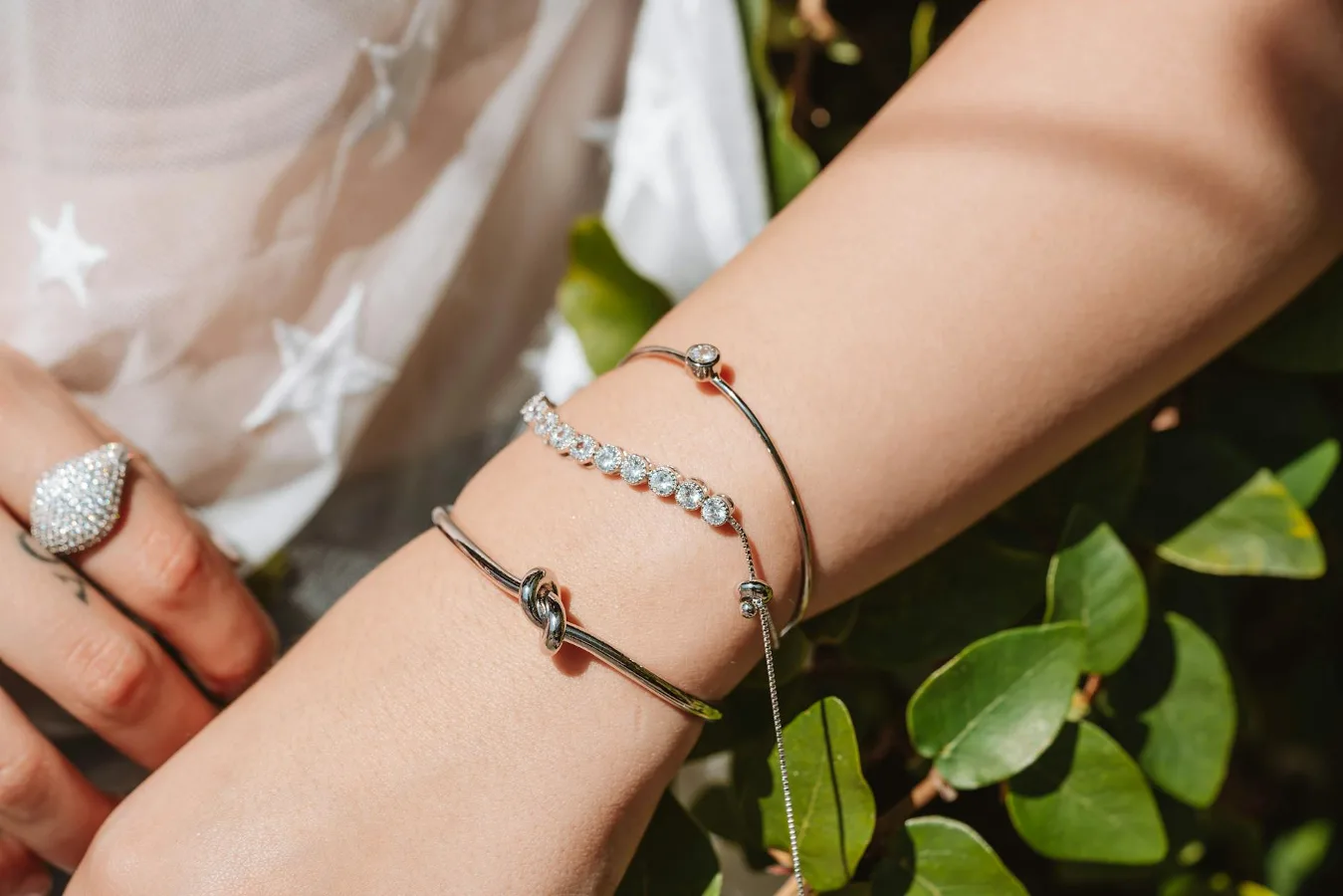
Fashion jewelry silver usually refers to jewelry with a silver look, including silver-tone fashion pieces, silver-plated designs, and sterling silver items that sit in a more affordable or style-focused category. If you’re shopping for silver jewelry as an accessory rather than a fine-jewelry investment, the key question is not just how it looks. It is how the piece will wear, what it is made from, and whether it fits your routine. what affects jewelry durability offers more detail on this point. Gabriel Fashion Jewelry in Indiana: Buyer Guide offers more detail on this point. how to care for silver jewelry offers more detail on this point.
That distinction matters. Two necklaces can look nearly identical online and behave very differently in real life. One may be a decorative silver-tone piece for occasional wear. Another may be sterling silver that offers better longevity but needs more care. Knowing which one you are buying helps you avoid disappointment and choose pieces that suit your budget, skin sensitivity, and style goals.
When fashion jewelry silver makes the most sense
Silver-style fashion jewelry is a strong choice when you want versatile accessories that work with many outfits. The color is easy to pair with black, white, denim, navy, jewel tones, and other cool shades. It also suits people who prefer a cleaner, more understated look than yellow-gold finishes sometimes provide.
This category is especially useful if you like to refresh your jewelry wardrobe without committing to expensive pieces. Fashion jewelry can be a practical way to experiment with trends such as chunky chains, layered necklaces, hoop earrings, signet rings, or minimalist cuffs. It can also be a good fit for special-event styling, where the goal is visual impact rather than long-term heirloom value.
For some shoppers, the appeal is convenience. A silver-look bracelet or pair of earrings can complete an outfit without requiring the same level of financial commitment as precious-metal jewelry. For others, the draw is consistency. Silver tones often coordinate easily across different wardrobes and seasons.
Start with the material, not just the finish
The biggest mistake shoppers make is assuming all silver-colored jewelry is the same. The finish may look similar, but the base material and plating determine a lot about comfort, durability, and care.
Common material types to compare
- Sterling silver: a precious-metal option commonly chosen for better long-term wear and a more authentic silver composition.
- Silver-plated jewelry: jewelry with a thin layer of silver on top of another metal, often chosen for style at a lower entry point.
- Silver-tone fashion jewelry: pieces that are finished to resemble silver but may not contain silver in the visible surface.
- Base-metal pieces with silver finish: often used in trend-driven designs where appearance matters more than material value.
The right choice depends on your priorities. If you want a more dependable option for frequent wear, sterling silver is often the cleaner choice. If you want a trend piece for occasional use, silver-tone or plated fashion jewelry may be enough. If you have sensitive skin, you may need to pay closer attention to the underlying metal and any coating used, since the visible finish alone does not tell the full story.
A common misconception is that “silver-colored” automatically means “good quality.” In practice, quality depends on the full build: base material, plating thickness, clasp construction, stone setting, and finish consistency.
Step-by-step criteria for choosing the right piece
Use the following criteria to narrow your options before you buy. This keeps the decision grounded in how you will actually wear the jewelry.
1. Match the piece to the way you plan to wear it
Ask whether the item is for everyday wear, occasional events, office outfits, travel, or gifting. A delicate chain may be perfect for daily layering but too fragile for active use. A statement cuff can look striking for an evening outfit but feel less practical for regular wear.
2. Check comfort and wearability
Comfort is easy to overlook in photos. Earring weight, bracelet fit, chain length, ring profile, and clasp style all affect whether a piece is pleasant to wear. Lightweight designs are often better for all-day use, while chunkier pieces are better suited to shorter wear windows.
3. Consider skin sensitivity
If your skin reacts easily, look carefully at the material details. Sterling silver is often preferred over mystery-base-metal fashion pieces, but no material is universal for every wearer. Plating, nickel content, and contact points matter. For earrings in particular, the post material can be more important than the decorative front.
4. Think about maintenance before you buy
Some pieces are easy to keep looking presentable. Others require regular polishing, careful storage, and protection from moisture, perfumes, and lotions. If you do not want a high-maintenance accessory, a simpler finish and sturdier construction may be the better buy than a highly detailed design with delicate plating.
5. Judge versatility honestly
Many people overestimate how often they will wear a dramatic statement piece. A cleaner silhouette, moderate size, and classic shape usually offer more outfit mileage. If you want a stronger cost-per-wear outcome, choose a piece that works with several necklines and wardrobe colors.
What makes one silver-look piece better than another
Two items can share the same general style and still differ sharply in how they age. This is where the overlooked details matter.
Construction quality
Look for secure clasps, even plating, clean stone settings, and smooth edges. A necklace chain that looks fine at first glance may still kink easily or feel flimsy at the clasp. Earrings should close securely and sit comfortably without pulling. Rings should have a finish that feels smooth against the skin, especially on the inner band.
Finish consistency
A strong silver finish should look even rather than patchy or overly bright in one area and dull in another. In fashion jewelry, the visual finish is a major part of the value. Uneven surfaces, visible seams, or poorly hidden joins can make a piece look cheaper than intended.
Design practicality
Decorative details can be appealing, but they can also create wear issues. Large stones may snag on fabric. Very fine settings can collect dirt more easily. Hollow construction can reduce weight, which may help comfort, but it can also make the piece feel less substantial. None of these are automatically bad; the question is whether the trade-off fits your use case.
Size and proportion
Silver jewelry often succeeds because it adds polish without overpowering an outfit. Still, proportions matter. A bold chain can dominate a small neckline. Tiny studs may disappear on a more dramatic outfit. Choose scale based on your face shape, frame, and the clothing you wear most often.
Silver-tone, plated, or sterling silver: which should you choose?
The best option depends on how you balance cost, longevity, and style flexibility.
| Type | Best for | Trade-off |
|---|---|---|
| Silver-tone fashion jewelry | Trend styling, occasional wear, budget-friendly variety | May wear faster and usually needs gentler handling |
| Silver-plated jewelry | Fashion-forward looks with a more metallic finish | Plating can fade with heavy use or frequent friction |
| Sterling silver | Frequent wear, longer-term value, a more established material choice | Typically requires polishing and more care than some plated pieces |
If you want an accessory for occasional events, silver-tone jewelry may be perfectly appropriate. If you want a piece that can become part of your regular rotation, sterling silver is often easier to justify. If you are buying for style first and value second, plated designs can work well as long as you accept that they are not meant to last forever.
Styling silver jewelry without overthinking it
One reason fashion jewelry silver stays popular is its flexibility. It can look sleek with monochrome outfits and polished with business-casual clothing. It can also soften bolder looks by adding a reflective accent that does not compete too much with color.
For a simple everyday approach, choose one focal point: a chain, hoop earrings, or a ring stack. If you want a more styled look, layer different lengths or combine textured and smooth finishes. Silver also pairs well with other metals when the spacing feels intentional. Mixed-metal styling is no longer treated as a mistake, but it works best when one metal clearly leads and the others support.
A practical nuance: silver finishes can read differently depending on lighting. Some pieces look crisp and bright indoors but softer outdoors. If you are buying for photos, events, or office wear, consider how the finish will appear under the settings where you expect to wear it most.
Care and storage that actually help
Fashion jewelry often fails early because it is stored or worn carelessly, not because the design itself was poor. Simple habits can make a visible difference.
- Store pieces separately when possible to reduce scratching and tangling.
- Keep them dry and remove them before swimming, showering, or exercising.
- Avoid direct contact with perfumes, lotions, hairspray, and cleaning products.
- Wipe pieces gently after wear if they have picked up skin oils or residue.
- Use a soft pouch, jewelry box, or lined compartment to limit friction.
For sterling silver, regular polishing may be part of normal care. For plated and silver-tone pieces, the goal is usually preservation rather than restoration. Once a finish wears through, it is difficult to bring it back fully. That is why preventive care matters more than aggressive cleaning.
Common mistakes to avoid
Shoppers often focus on style and ignore the practical details that determine whether the jewelry remains enjoyable.
- Choosing by photo alone: lighting can make plated finishes look richer than they are.
- Ignoring base metal information: the visible silver look does not tell you how the piece may react on skin.
- Buying oversized pieces for daily wear: statement designs are not always comfortable for long hours.
- Assuming all silver jewelry needs the same care: plated, silver-tone, and sterling silver each behave differently.
- Overlooking closure quality: a weak clasp can make even an attractive necklace frustrating to wear.
- Expecting fashion jewelry to age like fine jewelry: a trend piece can be useful without needing heirloom durability.
A simple checklist before you buy
Use this quick checklist if you want to choose confidently without getting lost in product listings.
- Decide whether you want sterling silver, silver-plated, or silver-tone fashion jewelry.
- Match the piece to your intended use: everyday, occasional, gifting, or styling.
- Check comfort details such as weight, clasp, earring post, or ring fit.
- Review care requirements and decide whether they fit your routine.
- Look for a design that works with multiple outfits, not just one look.
- Consider skin sensitivity and whether the base metal is clearly described.
- Choose a size and shape that suits your wardrobe and lifestyle.
Who should choose fashion jewelry silver?
This category suits shoppers who want accessible style, easy coordination, and a wide range of design options. It is useful for anyone building a jewelry capsule, experimenting with trends, or looking for a polished accessory without a large commitment.
It may be less suitable if you want maximum durability, low-maintenance wear, or a piece meant to become a long-term keepsake. In that case, sterling silver or another fine-jewelry material may be a better starting point. If you need a purely decorative piece for a specific outfit, however, fashion jewelry silver can be the smarter and more flexible choice.
The best decision is not about chasing the most expensive option. It is about choosing the piece that matches your wear habits, comfort needs, and style expectations. That is what turns a good-looking accessory into one you actually reach for.