

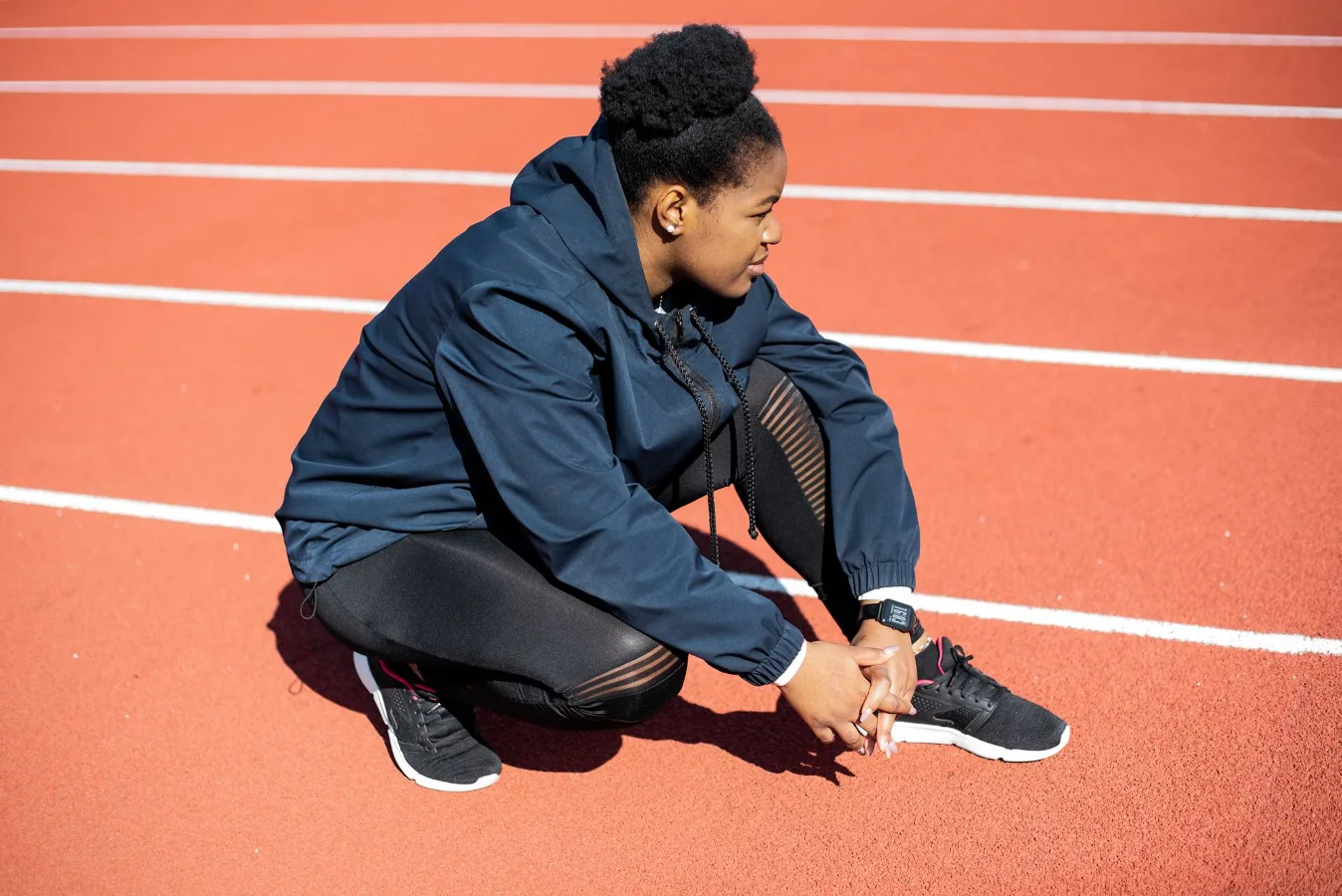
If you are new to a sport, the best sports gear for beginners is usually not the most expensive option or the most advanced one. It is the gear that fits the activity, feels comfortable, helps you learn safely, and does not make the sport harder than it needs to be.
For most beginners, the smartest starting point is a simple kit built around the essentials: the right shoes or core equipment for your sport, basic protective gear if needed, and a few accessories that improve comfort and consistency. Everything else can usually wait until you know you will stick with the sport. choosing the right gear for your sport offers more detail on this point.
The biggest mistake is overbuying. New players often assume they need a full setup right away, but many sports are easier to start with a focused, entry-level setup that leaves room to upgrade later. That approach keeps costs down and helps you learn what actually matters for your style of play.
What beginner-friendly sports gear should do
Good beginner gear is designed to reduce friction, not impress other players. It should help you get started with minimal learning curve and enough comfort to keep you coming back.
Across most sports, the most useful beginner gear usually has these traits:
- Comfortable fit so you can focus on technique instead of distractions
- Basic durability for normal training and practice sessions
- Simple setup with little or no adjustment needed
- Appropriate protection for the sport and your level of contact
- Room to grow if you improve quickly or practice more often
The challenge is that “beginner” does not mean “lowest quality.” Some very cheap gear can wear out fast, fit poorly, or make the sport less enjoyable. A better strategy is to look for the simplest version of gear that still matches the sport and supports safe use.
How to compare beginner sports gear
The right comparison depends on the sport, but a few evaluation points show up again and again. If you are shopping for first-time equipment, start with the factors below before looking at extras.
1. Fit and adjustability
Fit matters because uncomfortable gear gets abandoned. Shoes, gloves, helmets, pads, and even rackets or bats with the wrong feel can make learning harder. Adjustable features can help if you are unsure about sizing or expect to use the gear in different situations, but too many adjustments can also make gear feel complicated. The sweet spot is usually a straightforward fit with just enough flexibility to fine-tune comfort.
2. Protection and safety
For some sports, protective gear is not optional. Helmets, mouthguards, shin guards, wrist guards, knee pads, and similar items should be chosen based on the demands of the activity, not just price. A common misconception is that beginners can get by with minimal protection because they are moving slowly. In reality, beginners are often more likely to fall awkwardly, misjudge spacing, or tire quickly, which can make protection even more important.
3. Durability for normal use
Beginner gear does not need to survive constant high-level competition, but it should handle regular practice without falling apart. Look for stitching, seams, closures, padding, grips, and hardware that appear solid enough for repeated use. If the equipment feels flimsy in the store, it may not hold up well once you start training.
4. Ease of use
Some equipment looks useful but becomes annoying fast. If something requires a long setup, special tools, or a complicated adjustment routine, it may slow down your progress. Beginner sports gear should help you spend more time playing and less time figuring out how to use it.
5. Sport-specific suitability
The best beginner setup depends heavily on the sport. Running, tennis, soccer, cycling, swimming, strength training, and racquet sports all have different needs. A gear choice that makes sense for one sport may be a poor fit for another. The more specific the activity, the more important it is to match equipment to the sport instead of relying on generic “athletic” labels.
Starter gear by sport: what usually matters most
You do not need a huge checklist to begin. In many cases, one or two pieces of well-chosen equipment do more for a beginner than a bag full of extras.
Running and walking workouts
The priority is usually supportive footwear. Comfortable socks, weather-appropriate clothing, and a simple hydration option can be enough for many beginners. If you are unsure where to start, focus on fit and comfort before chasing features. A shoe that feels stable and natural is more useful than one with a long feature list you will not notice yet.
Gym and strength training
Beginners often need less gear than they expect. Comfortable training shoes, a water bottle, a small towel, and perhaps basic lifting gloves or wrist support depending on the exercise can cover many starting routines. For strength work, the biggest decision is usually not gear-heavy at all: it is choosing equipment that supports good form and safe progression.
Team sports
Soccer, basketball, baseball, hockey, lacrosse, and similar sports may require sport-specific shoes or protective pieces. The main question is whether the league, coach, or facility has equipment requirements. If so, meet those first. For beginners, it is often better to buy the required essentials and hold off on performance upgrades until you know how often you will play.
Racquet sports
Tennis, pickleball, badminton, and similar sports benefit from gear that feels balanced and easy to control. Beginners usually do better with equipment that is forgiving and manageable rather than overly specialized. Comfort, grip, and control tend to matter more than advanced technical features.
Cycling and outdoor sports
Helmet fit, visibility, weather layers, and basic repair or safety accessories often matter more than premium performance add-ons. For outdoor activities, suitability for the environment is a major factor. Gear that is fine indoors may not work well in heat, rain, cold, or rough terrain.
What to spend on first, and what to skip
For beginners, spending should follow function. Buy the items that affect safety, comfort, and sport-specific performance first. Save accessories and upgrades for later unless they solve a real problem.
Usually worth prioritizing:
- Sport-specific shoes or core equipment
- Required protective gear
- Comfortable clothing suited to the activity
- Basic hydration or carrying accessories
- Replacement items if the sport has strict rules or equipment standards
Often safe to delay:
- Advanced performance upgrades
- Specialized training gadgets
- Extra accessories you may not use regularly
- High-end versions of gear before you know your preferences
A useful rule is to buy for the version of the sport you are likely to play in the next few months, not the version you imagine after years of experience. Beginners change quickly. Gear that looked perfect at the start can turn out to be wrong once you understand your needs better.
Common mistakes beginners make
The wrong gear choice is not always about quality. Often it is about mismatched expectations.
- Buying too much too soon. New players often assume every accessory is essential, which can make the sport feel expensive and overwhelming.
- Choosing gear based only on price. The cheapest option may not fit properly, feel comfortable, or last long enough to be worthwhile.
- Ignoring sizing and fit. This is one of the fastest ways to make a sport feel awkward or uncomfortable.
- Skipping protective equipment. Beginners can be especially vulnerable to falls, collisions, and poor technique.
- Buying advanced gear too early. Highly specialized equipment can be less forgiving and harder to learn with.
- Forgetting the rules or requirements. Some leagues, gyms, and facilities have equipment standards that should come first.
One overlooked issue is storage and care. If gear is bulky, hard to clean, or difficult to store, you are less likely to use it consistently. Beginner equipment should fit your routine as much as your sport.
When entry-level gear is enough, and when it is not
Entry-level gear is often the right choice if you are testing a new sport, training casually, or still learning basic technique. It can also be a smart option if you are buying equipment for a seasonal activity or a child who may outgrow it quickly.
More specialized gear may make sense if you already know you will practice often, need specific support for comfort or safety, or are joining a league with clear expectations. Even then, “more specialized” does not always mean “better for beginners.” The best choice is the one that matches your current stage, not just your ambition.
If you are uncertain, a practical approach is to start with the essentials and upgrade after a few sessions. That gives you time to notice whether you need better support, different sizing, a more durable build, or a more comfortable fit.
How to build a simple starter kit
A beginner starter kit should be lean, useful, and easy to maintain. A good kit usually includes the minimum gear needed to participate safely and comfortably, plus one or two conveniences that make the sport easier to stick with.
- Identify the required equipment for the sport.
- Check any league, coach, or facility rules first.
- Choose the smallest set of gear that covers safety and comfort.
- Prioritize fit over features.
- Delay upgrades until you know what bothers you most during use.
This approach works especially well if you are comparing several sports at once and do not yet know which one will become your main activity.
How beginner gear supports long-term value
The best beginner sports gear is not just affordable at checkout. It also helps you avoid wasting money later. When your first setup is comfortable, functional, and appropriate, you are less likely to replace it immediately or abandon the sport because the equipment feels wrong. used affordable sport gear for teens offers more detail on this point.
That does not mean you should buy with long-term perfection in mind. It means you should buy with flexibility. Look for gear that lets you start now, learn what you like, and upgrade gradually as your needs become clearer.
FAQ
What is the most important sports gear for beginners?
The most important item is usually the gear that affects safety and comfort first. For many sports, that means proper shoes or sport-specific equipment, plus protective gear if the activity requires it. Top Safety Gear for Kids’ Sports offers more detail on this point.
Should beginners buy cheap or premium sports gear?
Neither extreme is ideal for most people. Cheap gear can fit poorly or wear out quickly, while premium gear may include features a beginner does not need. A solid mid-range option is often the most practical starting point.
Can I borrow gear before buying my own?
Yes, borrowing is often a smart way to test whether you enjoy the sport before investing heavily. This is especially useful for equipment-heavy activities or sports with higher upfront costs.
How do I know if the gear fits properly?
Fit should feel secure without pressure points, slipping, or awkward movement. If possible, try gear on with the socks, clothing, or protective layers you will actually use during the activity.
What should I upgrade first after I start?
Upgrade the item that causes the most discomfort or limits your safety and consistency. For many beginners, that is footwear, protective gear, or the main piece of sport-specific equipment.
For beginners, the best sports gear is the gear that gets out of the way and lets you learn. Start with the essentials, focus on fit and safety, and save the specialized upgrades for later. That is usually the most reliable path to a setup you will actually use.