

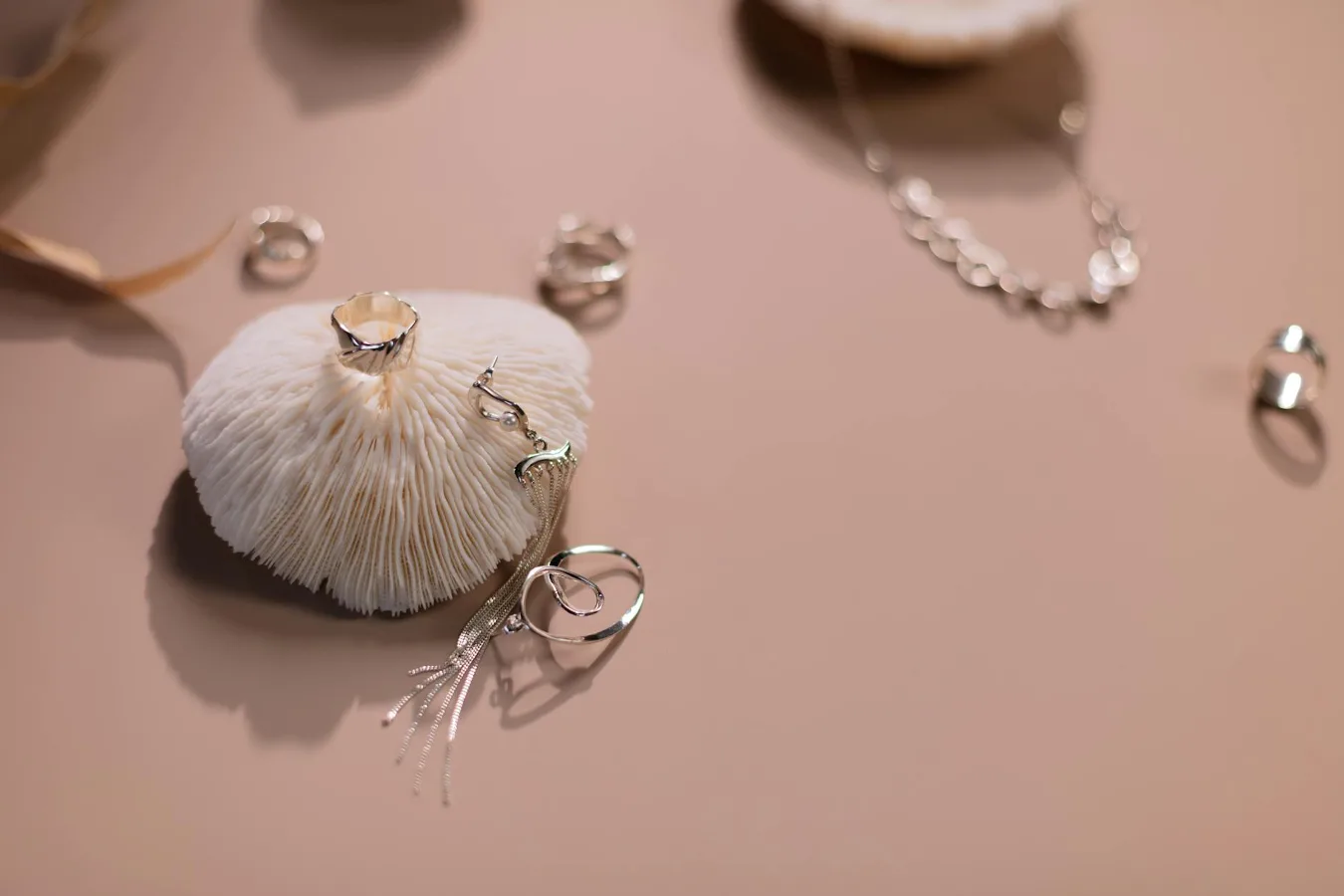
Fine jewelry and fashion jewelry differ mainly in materials, longevity, cost, and long-term value. Fine jewelry is typically made with precious metals such as gold, platinum, or sterling silver, and may include natural gemstones or diamonds. Fashion jewelry is usually made with less expensive base metals, plated finishes, resin, glass, acrylic, or other non-precious materials designed to deliver style at a lower price point. gold-plated jewelry care offers more detail on this point. what sterling silver means in jewelry offers more detail on this point.
That basic distinction matters, but it is not the whole story. The better choice depends on how often you plan to wear the piece, how much maintenance you are willing to do, whether you have sensitive skin, and whether you want something that can stay in rotation for years or simply complete a look for the season.
When the difference matters most
The gap between fine jewelry and fashion jewelry becomes most important when you care about durability, resale or heirloom potential, and daily wear comfort. A delicate necklace worn once for a wedding may make sense as fashion jewelry. A ring worn every day, especially if it will be exposed to handwashing, lotion, and friction, usually benefits from more durable materials and sturdier construction. how to choose jewelry for daily wear offers more detail on this point.
The distinction also matters if you shop for gifts. A gift meant to mark a milestone often calls for fine jewelry because it usually feels more lasting and personal. A gift meant to match a trend, outfit, or seasonal color palette may be better suited to fashion jewelry. Neither is automatically better; the context does the work.
Fine jewelry: what you are actually paying for
Fine jewelry is defined less by branding and more by the materials and construction behind it. Common fine jewelry materials include solid gold, platinum, sterling silver, and genuine gemstones. Pieces are often designed with greater attention to setting strength, wear resistance, and long-term repairability.
That does not mean every fine piece is indestructible or free of upkeep. Gold can scratch, silver can tarnish, and stone settings can loosen over time. The difference is that fine jewelry is usually made to be maintained, repaired, and worn over many years. For many buyers, that long service life is part of the value.
Fine jewelry also tends to offer more stability in appearance. A solid metal chain will not lose a plating layer the way a plated piece can. A well-made ring in a precious metal is generally easier for a jeweler to resize, polish, or repair than a low-cost alternative made with mixed base metals and coatings.
Fashion jewelry: why it exists and where it excels
Fashion jewelry is built around style flexibility. It makes trends more accessible, lets you experiment with shapes and colors, and gives you more freedom to buy for an outfit rather than an investment. Because it uses lower-cost materials, fashion jewelry can be easier to replace, more affordable to collect, and less intimidating to wear daily in situations where loss or damage is a concern.
This category is especially useful for statement pieces. Oversized earrings, layered pendant looks, bold cuffs, and seasonal colors often make more sense in fashion jewelry because you may not want to pay fine-jewelry prices for a design trend that may feel dated later.
The trade-off is longevity. Plating can fade, coatings can wear off, and some pieces may react badly to moisture, fragrance, or friction. Closure hardware, chain links, and stone settings are also more likely to show wear sooner. That does not make fashion jewelry disposable by definition, but it does mean care and expectations should be realistic.
Materials, comfort, and skin sensitivity
For many shoppers, the most practical difference is not appearance but how the piece feels on the skin. Fine jewelry usually has an advantage because precious metals are often better tolerated by people who react to certain base metals. That said, sensitivity is not purely about the category name. Some fine jewelry alloys still contain metals that may bother sensitive wearers, while some fashion jewelry is made with careful hypoallergenic materials.
If skin sensitivity is a concern, look beyond labels and consider the specific metal content, plating, and any nickel-related information the seller provides. Earrings and rings tend to matter most because they stay in close contact with skin for long periods. Even a beautiful piece may be a poor choice if it causes irritation after a few hours.
Durability and maintenance are not the same thing
A common misconception is that fine jewelry does not need much care while fashion jewelry is simply fragile. The reality is more nuanced. Fine jewelry often lasts longer, but it still needs cleaning, storage, and occasional inspection. Fashion jewelry may need even more careful handling, but some pieces can stay attractive for a long time if they are worn sparingly and stored well.
Maintenance should be part of the decision. Fine jewelry can usually be polished, repaired, and refreshed. Fashion jewelry is often harder to restore once the finish wears away. If you like pieces that can be renewed over time, fine jewelry has an edge. If you like to rotate styles often and are fine replacing worn items, fashion jewelry can be the more practical choice.
Questions to ask about upkeep
- Will the piece be worn every day or only occasionally?
- Does it need to survive sweat, water, perfume, or frequent handling?
- Can it be cleaned without damaging stones, plating, or adhesives?
- Is it easy to store without tangling, scratching, or bending?
Value, cost, and long-term trade-offs
Cost is the clearest difference, but it should not be viewed only as a price tag issue. Fine jewelry usually costs more because the material value is higher and the construction is often more durable. Fashion jewelry costs less because the materials and production methods are designed for accessibility and trend responsiveness.
That makes each category useful in a different way. Fine jewelry can be a better fit if you want a piece that may stay in your collection for years, be repaired when needed, and feel meaningful enough for milestone wear. Fashion jewelry can be better if your wardrobe changes often, if you enjoy experimenting, or if you need a polished look without committing to a large purchase.
Value also depends on frequency of wear. A more expensive piece may be the smarter buy if you will wear it often. A less expensive piece may be the smarter buy if you will only wear it a few times. The real question is not just what costs less today, but what gives you the right cost-per-wear for your situation.
Style and occasion: where each category fits best
Fine jewelry often works well for pieces you intend to keep in regular rotation: wedding bands, everyday studs, simple chains, tennis bracelets, and understated rings. These designs benefit from strong materials and a timeless look. If your style leans minimal, fine jewelry can become the backbone of a jewelry wardrobe.
Fashion jewelry shines when the goal is variety. It is a strong match for color accents, runway-inspired shapes, oversized silhouettes, and occasion-specific looks. If you dress differently for work, weekends, events, or travel, fashion jewelry can let you adapt without building a large costly collection.
A useful rule: if the piece is meant to complement the outfit, fashion jewelry often fits. If the piece is meant to become part of your identity or daily routine, fine jewelry often makes more sense.
A simple decision framework
If you are choosing between fine jewelry and fashion jewelry, start with the use case rather than the label. A piece that looks similar on the display can behave very differently once you wear it. The right choice becomes clearer when you compare a few practical factors.
- How often will you wear it? Daily wear usually favors fine materials and stronger construction.
- Will it be exposed to moisture or friction? Frequent exposure usually pushes the choice toward fine jewelry.
- Do you need skin-friendly materials? If yes, check composition carefully instead of relying on the category name alone.
- Is this a trend piece or a long-term staple? Trend pieces often make more sense in fashion jewelry.
- Do you want repairability? If a local jeweler may need to service it later, fine jewelry is usually easier to maintain.
- How much risk are you comfortable with? If loss, damage, or replacement cost would be stressful, that should influence the decision.
Common mistakes buyers make
One common mistake is assuming all plated jewelry is poor quality or that all fine jewelry is automatically superior. A well-made fashion piece may suit a specific wardrobe need better than a heavy fine piece that rarely gets worn. Another mistake is buying only on appearance and ignoring closure quality, chain strength, or stone security.
Shoppers also sometimes overlook how storage affects wear. Tangles, humidity, and friction can shorten the life of both categories. Even fine jewelry benefits from proper storage in separate compartments or soft pouches. Fashion jewelry, especially plated pieces, often benefits even more because finishes can be sensitive to rubbing and exposure.
A final mistake is treating a purchase like a category decision instead of a personal-use decision. A simple gold chain and a bright acrylic statement necklace may both be useful in the same wardrobe, just for different reasons.
Examples of how the choice plays out
If you are buying earrings for everyday office wear, fine jewelry may be the better option because comfort, durability, and low-maintenance wear matter more than trend turnover. If you want dramatic earrings for a party season or vacation, fashion jewelry can be the better fit because style impact matters more than long-term resilience.
If you are choosing a necklace you want to layer with other pieces most days, a fine chain may hold up better over time. If you are testing a new silhouette, such as a chunky chain or colored pendant, fashion jewelry lets you explore without committing to a high-cost piece.
If you are shopping for an engagement-adjacent or milestone gift, fine jewelry usually carries more emotional weight and permanence. If you are building a capsule of accessories for outfits, travel, or seasonal refreshes, fashion jewelry offers more freedom and less pressure.
Checklist before you buy
- Confirm the exact material, not just the marketing category.
- Check whether the piece is solid, plated, filled, or mixed-material.
- Think about how often it will be worn.
- Consider whether skin sensitivity matters for this item.
- Look at clasp strength, earring backs, and setting security.
- Decide whether repairability is important.
- Match the piece to its real purpose: staple, statement, or occasional wear.
- Plan for storage and cleaning before the purchase, not after.
The practical takeaway
Fine jewelry is usually the better choice for longevity, repairability, and pieces you expect to wear often. Fashion jewelry is usually the better choice for trend-driven style, budget flexibility, and occasional wear. Neither category is inherently right or wrong. The smartest purchase is the one that fits how you dress, how you maintain accessories, and how much durability you actually need.
If you keep that distinction in mind, the comparison becomes simpler: choose fine jewelry for permanence and fashion jewelry for flexibility. Most wardrobes can benefit from both.