

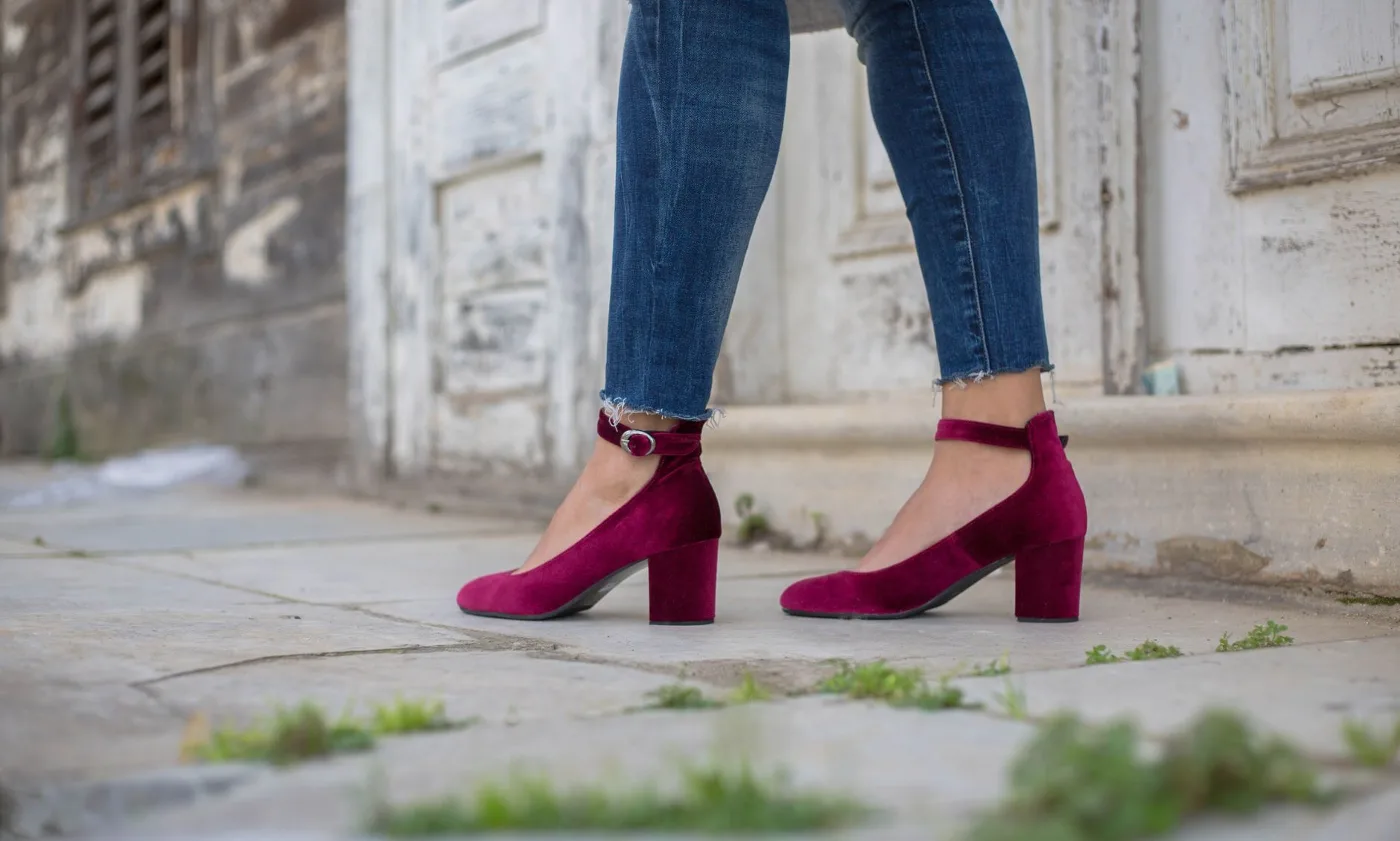
Mary Jane shoes with heels are a smart choice if you want something more polished than a flat but less formal than a classic pump. The strap gives the style its recognizable look, while the heel adds lift and changes the silhouette enough to work for office wear, events, and dressier everyday outfits. guide to dress shoe fit offers more detail on this point. floral heeled shoes offers more detail on this point. styling classic strap shoes offers more detail on this point.
The challenge is that not every Mary Jane heel feels the same. Heel shape, strap placement, toe shape, materials, and closure design can change comfort more than the style name suggests. If you are shopping for a pair, the real question is not just whether Mary Jane heels look good, but which version fits your routine, wardrobe, and tolerance for wear time.
What makes Mary Jane heels different
Mary Jane shoes are defined by a strap across the instep, usually with a buckle or similar closure. Once a heel is added, the style can move in several directions: modest and vintage-inspired, sleek and office-ready, or more fashion-forward with a higher heel and sharper toe.
That strap is more than decoration. It can help the shoe feel more secure on the foot, especially compared with a slip-on pump. At the same time, it can also create fit issues if the strap sits awkwardly, rubs, or is too loose to hold the foot in place. That is why Mary Jane heels often appeal to people who like the look of heels but want a little more structure.
The main factors that matter before you buy
Heel height and heel shape
Heel height is one of the first decisions to make because it affects both style and wearability. Lower heels usually feel easier to walk in and work better for long days. Mid-height heels often give you the most flexibility for dressy office looks, events, and dinners. Higher heels create a more elongated silhouette, but they also ask more of the foot and ankle.
Heel shape matters just as much. A block heel generally offers more surface area and stability than a slim heel, which can make it a practical pick for day-to-day wear. A tapered or stiletto-style heel looks more delicate and formal, but it tends to be less forgiving if you will be on your feet for long stretches. A kitten heel can be a useful middle ground if you want some lift without committing to a tall heel.
Toe shape and how it changes the feel
Mary Jane heels come in round toe, almond toe, square toe, and more pointed interpretations. The toe shape influences both appearance and comfort. Round and square toes often feel easier for many people because they can allow more room at the front of the shoe. A pointed toe can make the shoe look sleeker, but it may also feel narrower, especially if your feet are wider or you spend a lot of time standing.
Do not assume that a more elegant toe shape is automatically better for a dressy outfit. In practice, a toe that suits your foot shape will usually look better because it sits more naturally and avoids the strained look that comes from squeezing into a style that is too narrow.
Strap placement and adjustability
The strap is the defining feature, but it can be overlooked during shopping. A strap that lands too high on the foot may feel restrictive. A strap that sits too low may not secure the shoe enough. If the buckle or closure has some adjustability, that can help the shoe accommodate small differences in instep height and sock or hosiery choices.
One common misconception is that the strap automatically improves fit. It can improve security, but only if the rest of the shoe matches your foot shape. If the forefoot is too tight, the strap will not solve that. If the heel slips, the strap may not help either. Think of it as one piece of the fit puzzle, not a guarantee of comfort.
Materials and construction
Materials affect comfort, breathability, appearance, and maintenance. Smooth leather or leather-like uppers often have a more polished look and may soften with wear, though the exact feel depends on construction. Suede can look especially refined, but it usually requires more careful upkeep and can be less practical in wet conditions. Patent finishes create a high-shine look, though they may show creasing differently and can feel stiffer at first.
Construction also matters. A shoe with a more structured upper may hold its shape well but feel less flexible initially. A softer build may feel easier right away but may not offer the same support. If you are looking for a pair you can wear frequently, balance initial comfort with how the shoe is likely to behave after repeated use.
How to choose the right Mary Jane heel for your needs
For work and polished everyday wear
If you want a shoe that can move between office settings and after-hours plans, start with a mid-height block heel or a manageable kitten heel. These versions usually offer a more practical balance between style and stability. Neutral colors can make them easier to pair with trousers, midi skirts, and tailored dresses.
For work wear, the safest choice is often a toe shape that feels refined but not overly narrow. A slightly rounded or almond toe tends to look professional without pushing comfort too far. A modest strap design also helps the shoe feel less costume-like and easier to wear with modern tailoring.
For dressy occasions
For events, weddings, or evenings out, many people prefer a slimmer heel or a more pronounced silhouette. That can create a dressier line under formal clothing. A pointed toe or a high-shine finish can also make the shoe feel more occasion-ready.
The trade-off is comfort over time. If the event involves standing, walking, or dancing, a slightly lower heel or a more stable heel base may be the better decision even if it looks less dramatic. Shoes that look elegant but become distracting after an hour rarely end up being the best purchase.
For all-day wear
For longer wear, prioritize stability, cushioning, and a heel you can realistically manage. A lower block heel is often the easiest place to start. Look for a secure fit at the heel and forefoot so your foot is not sliding forward, which can increase pressure on the toes.
All-day wear also depends on the shape of your routine. If you spend much of the day seated, a slightly higher heel may be manageable. If you walk on hard surfaces, use stairs often, or move between locations, the shoe needs to work harder. That practical reality matters more than the label on the style.
Comfort signs worth checking before you commit
With Mary Jane heels, comfort is usually determined by the interaction between the strap, the arch, and the toe box. You want the shoe to hold the foot without pinching. You also want enough room in the front that your toes are not compressed when you stand.
Pay attention to the following:
- Whether the strap feels secure without digging in
- Whether the heel feels stable when you take a few steps
- Whether the toe box gives your toes enough space
- Whether the shoe seems balanced or pitched too far forward
- Whether the insole feels supportive or overly flat
A useful test is to imagine the shoe on a normal day, not just in a mirror. A pair that looks perfect for a photo may still be a poor choice if you know you will wear it for several hours. That is especially true with higher heels and narrow toe shapes.
Style trade-offs you should expect
Mary Jane heels are versatile, but they are not a universal substitute for every dress shoe. Their strap gives them a distinct personality, which can be charming or limiting depending on your wardrobe. They often look especially good with midi skirts, tailored trousers, cropped hems, and dresses that show a bit of ankle or leg.
They may feel less seamless with very minimal outfits if the strap becomes the focal point in a way you do not want. They can also look more vintage than contemporary if the details are especially rounded or ornate. That is not a flaw; it is simply part of the style identity. The best choice is the version that matches your wardrobe rather than forcing the shoe into a look it does not naturally support.
Common mistakes when shopping for Mary Jane heels
- Choosing style over heel stability and regretting it after the first wear
- Buying a narrow toe shape without considering foot width
- Ignoring strap adjustability and ending up with poor security
- Assuming a lower heel will automatically be comfortable
- Overlooking the impact of materials on upkeep and flexibility
- Picking a heel height that suits an outfit but not your actual routine
Another mistake is treating all Mary Jane heels as if they work the same way. A square-toe block-heel pair and a pointed-toe stiletto version serve very different purposes. Shopping becomes easier once you separate the style from the specific design details.
Good alternatives if Mary Jane heels are close, but not quite right
If you like the look but want a different feel, there are a few practical alternatives. A slingback heel can give you a similar dressy effect with a more open back. A low pump can offer a cleaner line if you do not want the strap detail. A loafer heel or heeled Mary Jane-inspired mule can be useful if you want something polished with less foot coverage.
If your priority is comfort above all else, a low block-heel pump or a dressy flat may serve you better. If your priority is visual impact, a sharper pump or a more refined strap heel might align more closely with your wardrobe. The point is not to avoid Mary Jane heels, but to place them in the right part of your shoe rotation.
How to narrow the choice quickly
If you are deciding between several pairs, use the same order every time: heel shape first, then toe shape, then strap fit, then material. That keeps the decision grounded in how the shoe will actually work.
- Pick the heel height you can wear confidently.
- Choose the heel shape that matches your stability needs.
- Check whether the toe shape suits your foot width and style preference.
- Look at the strap placement and adjustability.
- Think through where and how often you will wear the pair.
This sequence prevents a common shopping trap: falling for a silhouette before checking whether it fits your life. Mary Jane shoes with heels can be elegant, practical, or both, but only if the details support the way you plan to use them.
Final guidance
The best Mary Jane heels are the ones that balance structure, comfort, and proportion. A well-chosen pair should feel secure across the instep, stable underfoot, and appropriate for the clothes you actually wear. If you want a versatile option, a mid-height block heel with a balanced toe shape is often the easiest place to start. If you want a more formal look, slimmer heels and sharper lines can work, provided you are comfortable with the trade-offs.
In other words, focus less on the label and more on the details that decide whether the shoe earns a place in your rotation. That is what turns Mary Jane heels from a pretty idea into a genuinely useful purchase.