

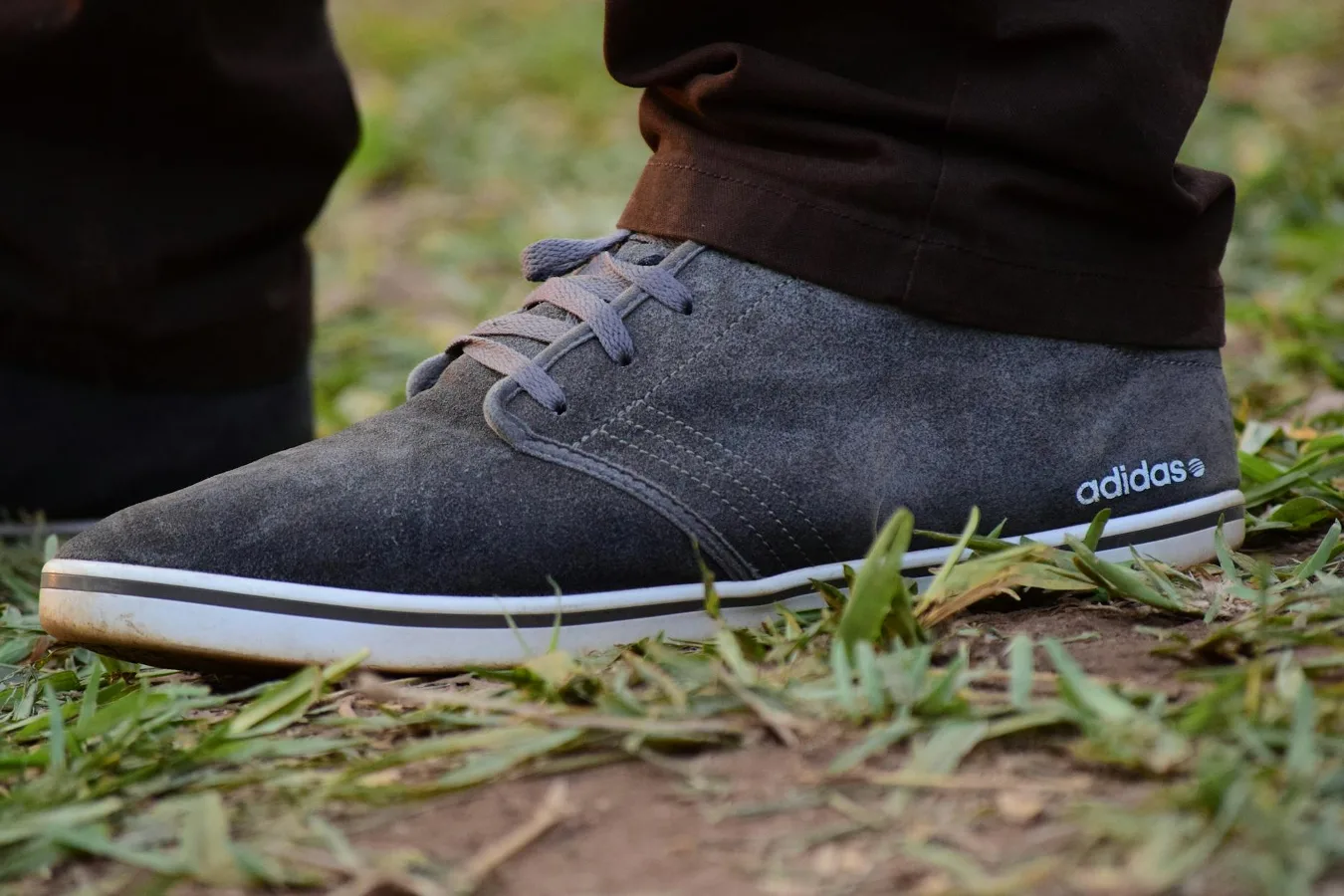
Men’s suede shoes are a good choice when you want texture, softness, and a slightly more relaxed look than polished leather. They work especially well for smart-casual outfits, dressed-down tailoring, and everyday wear when you want something refined without feeling too formal. how to choose dress shoes for men offers more detail on this point. best shoes for smart casual outfits offers more detail on this point.
The main decision is not just whether you like suede. It is whether the shoe style, color, and care requirements fit your routine, climate, and wardrobe. Suede can be versatile, but it is less forgiving than smooth leather, especially in wet or messy conditions.
When men’s suede shoes make the most sense
Suede shines in situations where you want visual depth rather than shine. The napped surface gives shoes a softer appearance, which makes them feel less rigid than plain calfskin. That is why suede loafers, derbies, Chelsea boots, and chukkas often pair well with chinos, dark denim, flannel trousers, and unstructured suits.
They are also useful if your wardrobe leans toward neutral colors, textured fabrics, or layered outfits. Suede tends to complement wool, corduroy, cotton twill, and denim more naturally than highly polished dress shoes.
Where suede is less ideal is in predictable exposure to rain, slush, salt, or muddy sidewalks. If you need one pair for rough weather, smooth leather or rubberized footwear may be the more practical choice.
Step-by-step criteria for choosing the right pair
1. Start with the shoe type
The right suede shoe depends on how formal or relaxed you need it to be.
- Loafers are the easiest suede option for casual and smart-casual outfits.
- Derbies look a bit more structured and can bridge the gap between office wear and weekend wear.
- Chukka boots offer a clean, versatile shape that works well with jeans and trousers.
- Chelsea boots are a strong choice if you want something sleek and modern.
- Sneaker-style suede shoes are useful for casual wardrobes but usually have a narrower style range.
If you are buying one pair first, choose the shape that matches the clothes you already wear most often. A stylish shoe that does not fit your wardrobe will not get much use.
2. Pay attention to color
Color changes how suede reads instantly. Brown and tan are the most adaptable for everyday outfits, especially with denim, navy, olive, grey, and beige. Navy can feel refined without being flashy. Black suede can work, but it often looks more fashion-forward or evening-oriented than brown suede.
Lighter shades show wear faster, especially in dusty environments. Very dark shades hide scuffs better, but they may show salt marks or lint more clearly. If you want one pair that is easiest to integrate into multiple outfits, medium brown is often the safest starting point.
3. Consider the nap and finish
Suede is not all the same. A fine, even nap usually looks cleaner and more polished, while a heavier nap can feel more rugged and casual. Some suede shoes are brushed to appear smoother; others keep a more textured finish. Finding Shoe Cleaner Near Me: What to Know offers more detail on this point.
This matters because the finish affects both style and maintenance. A refined suede finish can suit dressier looks, while a rougher finish feels more casual and can sometimes hide minor wear better. If the shoe will be worn often, choose a finish that fits your lifestyle rather than just the showroom look.
4. Check construction and comfort
Suede is the upper material, not the whole story. Comfort still depends on the last shape, insole, lining, sole, and overall build. A suede shoe that looks great can still be a poor buy if the toe box is too narrow, the arch support is weak, or the sole is too stiff for your use.
For daily wear, flexible but stable construction matters. If the shoe has a leather sole, it may look dressier but offer less traction. Rubber soles or hybrid soles can improve practicality, especially in variable weather or on slick surfaces.
5. Match the shoe to your climate and routine
This is the overlooked part many buyers skip. Suede is often chosen for style first, then regretted when the weather turns. If you live somewhere with frequent rain or winter road treatment, suede needs more care and more caution. If your commute is mostly indoors, suede becomes much easier to justify.
Think about where the shoes will actually be worn: office hallways, city sidewalks, weekend travel, restaurants, events, or casual errands. The more exposure you have to moisture and dirt, the more important protection and maintenance become.
How to wear men’s suede shoes well
Suede shoes work best when the rest of the outfit has some texture or softness too. They are a natural partner for unstructured jackets, knitwear, brushed cotton, and denim. That does not mean they cannot be dressed up; it means the outfit should feel balanced rather than overly glossy.
For a clean everyday look, pair suede loafers or derbies with chinos and an Oxford shirt. For cooler weather, suede boots with dark denim and a textured sweater create a grounded look without much effort. With tailoring, suede usually works best when the suit is relaxed in fabric and cut. A sleek suede Chelsea boot can also work with a suit if the overall silhouette is modern and neat.
One common misconception is that suede shoes are only casual. That is not quite true. They are often less formal than polished leather, but the right suede shoe can still look sharp enough for business-casual offices, dinners, and seasonal events.
Where suede has real limits
Suede is more delicate in appearance than smooth leather, and that changes how you use it. Water can darken the material, salt can leave visible marks, and dirt can work into the nap more easily. Even with protection, suede generally needs more attention than many buyers expect.
That does not make it a bad choice. It just means suede is best for people who are willing to maintain it and choose their wearing conditions carefully. If your lifestyle includes frequent bad weather, heavy walking through messy streets, or a strict need for low-maintenance footwear, smooth leather, grained leather, or performance-driven casual shoes may be a better fit.
Care basics that make the biggest difference
You do not need a complicated routine, but you do need consistency. Regular care preserves the appearance of suede and helps avoid the point where light marks become permanent-looking wear.
- Use a suede brush to lift the nap and remove surface dust.
- Let damp shoes dry naturally away from direct heat.
- Use a suede protector according to the product directions before wear and after cleaning.
- Treat stains early rather than letting them settle.
- Store shoes with shoe trees if the pair is high quality or worn often.
A practical rule: if you buy suede shoes, buy the maintenance tools at the same time. A brush and protector are not optional accessories; they are part of owning suede responsibly.
Common mistakes buyers make
- Choosing suede only because it looks good online. The shoe still has to suit your wardrobe, climate, and daily habits.
- Ignoring color versatility. An unusual shade can be appealing, but it may be harder to wear often.
- Buying the wrong formal level. Some suede shoes look too relaxed for your office; others feel too dressy for weekend use.
- Overlooking sole type. A beautiful upper with a slippery or impractical sole can limit the shoe’s usefulness.
- Assuming all suede is equally easy to care for. Texture, finish, and color all affect how noticeable wear will be.
Examples of good use cases
For office wear: suede derbies or understated loafers in brown, navy, or dark taupe can work well with chinos, wool trousers, and relaxed tailoring.
For weekend outfits: suede loafers, chukkas, or Chelsea boots can make jeans and knitwear feel more considered.
For travel: a suede shoe with a comfortable rubber sole and a versatile shape can be more practical than a dressier leather option, as long as the weather is manageable.
For evening looks: darker suede shoes can add texture without looking overly shiny, especially with modern tailoring or dark denim.
Quick checklist before you buy
- Does the shoe style match how formal you actually dress?
- Will the color work with most of your pants and outerwear?
- Is the sole practical for the surfaces you walk on?
- Do you have a plan for brushing and protection?
- Will you wear them often enough to justify the maintenance?
- Is the fit comfortable enough for the length of time you expect to wear them?
Useful alternatives if suede is not the best fit
If you like the look of suede but need more durability, consider grained leather, nubuck, or full-grain leather with a matte finish. Each has its own feel and care profile. Grained leather is often easier to live with in difficult weather, while nubuck can resemble suede but still requires careful treatment.
If your priority is low maintenance, a smooth leather shoe or a more rugged casual leather boot may be the better everyday option. If comfort and flexibility matter more than formal appearance, a well-made suede sneaker or casual slip-on can offer a similar soft visual effect with less dress-code pressure.
FAQ
Are men’s suede shoes formal?
They can be, but usually only to a point. Suede shoes are typically less formal than polished leather, though certain styles, like sleek suede loafers or Chelsea boots, can still work in smart-casual and business-casual settings.
What color suede shoes are most versatile?
Medium brown is often the easiest starting point because it pairs well with denim, navy, grey, olive, and many casual trousers. Dark brown and taupe are also practical choices.
Can suede shoes be worn in rain?
They can handle light exposure better when protected, but suede is not the best choice for frequent rain or wet streets. If rain is likely, a more weather-tolerant material is usually safer.
How do you keep suede shoes looking good?
Brush them regularly, protect them before wear, let them dry naturally if they get damp, and treat marks early. Good storage also helps preserve the shape and finish.
Are suede shoes hard to maintain?
They are not hard, but they are more demanding than smooth leather. If you want footwear that stays neat with minimal effort, suede may not be the easiest option.
Men’s suede shoes make sense when you want texture, versatility, and a softer alternative to shiny leather. The best pair is the one that fits your wardrobe, your routine, and the level of care you are realistically willing to give it. Choose the style carefully, keep the color practical, and treat maintenance as part of the purchase, not an afterthought.