

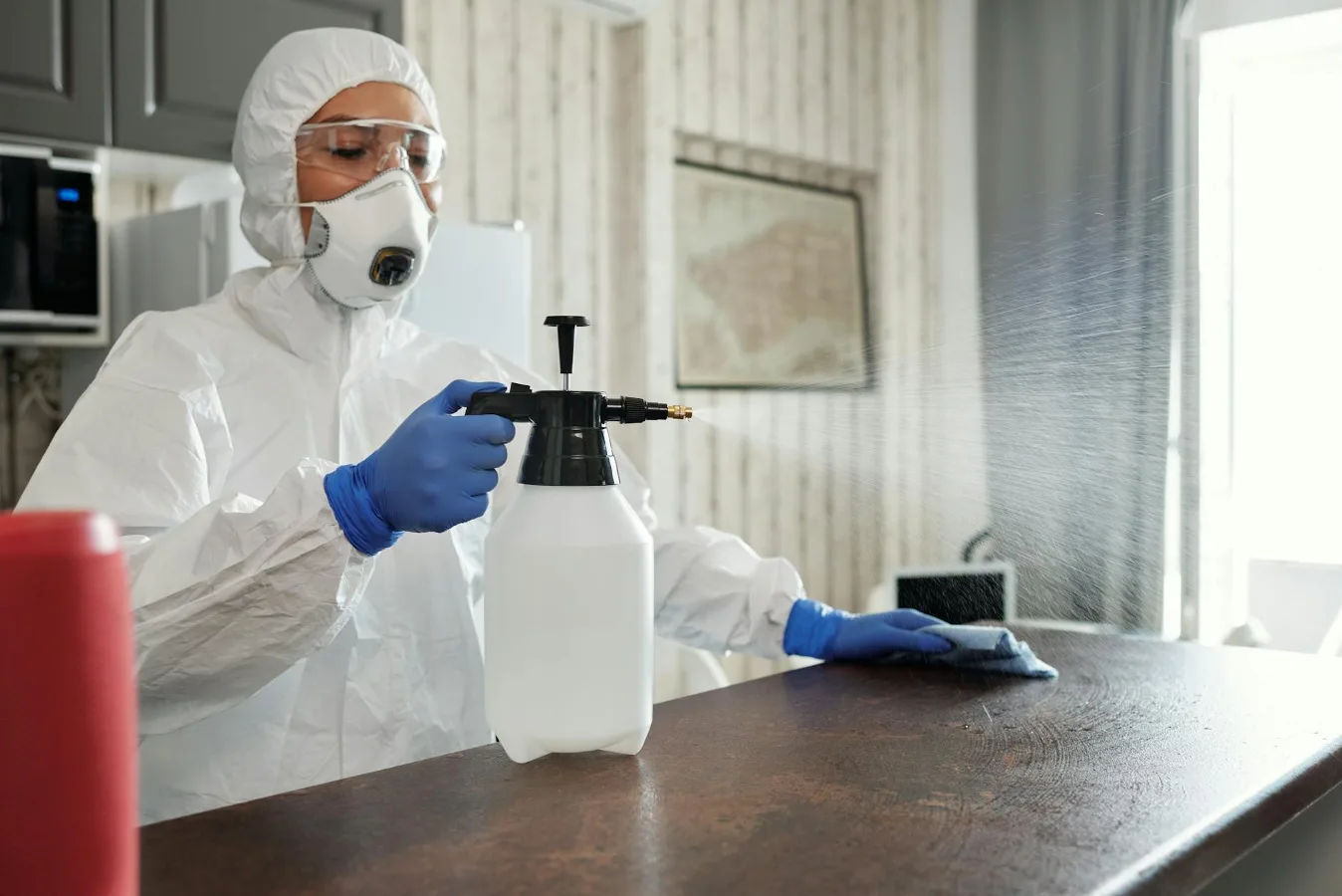
If your gear starts to smell soon after practice, a sports gear disinfectant spray can be a practical part of the cleanup routine. The best option is not simply the strongest spray; it is the one that works for the material, dries at a reasonable pace, and fits the way you actually use your equipment. how to clean sports gear safely offers more detail on this point.
For most buyers, the real question is not whether to use a disinfectant spray, but where it belongs in the care routine. Some items benefit from a light spray after each use. Others need more careful cleaning, or a different product entirely, because leather, foam, adhesives, coatings, and electronic components do not all tolerate the same formulas.
Which sports gear actually benefits from a disinfectant spray?
A sports gear disinfectant spray makes the most sense for items that absorb sweat, pick up odor, or are handled repeatedly after practice. Think of gym bags, shoes, cleats, gloves, shin guards, helmets with removable padding, and some fabric-based accessories. These items often trap moisture, which creates the conditions that lead to odor and buildup. sports shoe care basics offers more detail on this point. gear care mistakes to avoid offers more detail on this point.
That said, not every piece of equipment should be treated the same way. Hard-shell items, delicate foam, glued layers, painted surfaces, and specialty materials may need a gentler approach. The most common mistake is treating all sports gear like it is made from the same durable fabric. It is not.
Buyer scenario: what problem are you really trying to solve?
Before choosing a spray, identify the main job you want it to do. Different buyers often need different outcomes:
- Odor control: helpful for shoes, bags, gloves, and gear that can be aired out but still retains smell.
- Routine sanitation support: useful after practice or game day for frequently handled items.
- Moisture-related upkeep: valuable when sweat and damp storage are the main issue.
- Material-safe cleaning: important when gear includes fabrics, foam, adhesives, or mixed surfaces.
If odor is the main complaint, a spray with deodorizing support may be enough. If the gear is visibly dirty, sticky, or coated with residue, a spray alone will not replace a proper cleaning step. That distinction matters because many shoppers expect one product to do everything.
What to look for on the label
Sports gear disinfectant sprays vary widely, and the label should do most of the decision-making for you. Focus on how the product is intended to be used, what it is safe on, and how it should dry or be wiped away.
Material compatibility
This is the first filter. Look for explicit mention of the materials you plan to treat, such as fabric, mesh, synthetic uppers, hard plastics, or foam padding. If a spray only gives broad claims without listing safe surfaces, be cautious. Mixed-material gear is common in sports, and one safe surface does not guarantee the entire item can handle the product.
For example, shoes with textile uppers may tolerate a different formula than a helmet liner or a padded glove. If the item includes leather, suede, specialty coatings, or sensitive adhesives, check the manufacturer guidance first. The safest choice is usually the one that matches the most delicate material on the item, not the toughest.
Drying behavior
Quick drying matters for sports gear because damp items are hard to store and may create more odor if they stay wet. A spray that leaves residue, saturation, or a heavy film can be counterproductive, especially inside bags or footwear. Short drying time is not just about convenience; it helps support the routine of putting gear away cleanly after use.
Odor control versus disinfection
These are not always the same thing. Some sprays focus on masking odor, while others are designed for sanitation support. If your main goal is to reduce smell, a deodorizing spray may help. If you want a disinfectant spray, read the label carefully and avoid assuming that any fresh-smelling product is doing the same job.
Residue and finish
Residue is a practical issue that often gets overlooked. On athletic gear, any sticky film can attract more dirt and make items feel worn faster. On shoes and protective gear, residue can also affect grip, texture, or comfort. A cleaner finish is usually preferable to a heavily scented one.
Trade-offs you should expect
Sports gear disinfectant spray can simplify upkeep, but it is not a cure-all. A good buyer guide should spell out the trade-offs so expectations stay realistic.
- Convenience versus depth of cleaning: spray is fast, but it does not remove embedded grime the way washing or scrubbing can.
- Odor reduction versus fabric wear: repeated overuse of any chemical product may be unnecessary if airing out and washing are already working.
- Speed versus sensitivity: faster-drying formulas may be easier to use, but some delicate materials still need gentler care.
- Broad use versus specialist use: multi-surface products are convenient, but niche gear may benefit from a more targeted cleaner.
This is where many shoppers overbuy. They look for a product that claims to work on every item in the bag, but in practice the best setup is often a simple routine: remove moisture, clean visible dirt, use spray where appropriate, and store the gear properly.
Common misconceptions about disinfectant sprays
Myth: more spray means better results. In reality, overapplication can leave residue or excessive moisture. A light, even application is usually more practical than soaking the item.
Myth: if it smells fresh, it is fully clean. Scent can be misleading. A deodorized item is not automatically sanitized, and a sanitized item is not necessarily free of dirt.
Myth: one product works equally well on all gear. Sports equipment includes fabrics, foams, synthetic coatings, plastics, and sometimes leather or metal. Compatibility matters more than a broad promise.
Material and spec factors that matter most
When comparing options, think like a gear owner rather than a fragrance shopper. The right specs are the ones that protect the item while fitting your routine.
| Factor | Why it matters | What to look for |
|---|---|---|
| Surface compatibility | Protects fabrics, foam, and coatings from damage | Clear guidance for shoes, bags, pads, or synthetic gear |
| Drying time | Helps prevent lingering dampness and storage issues | Fast-drying or low-residue use instructions |
| Residue level | Affects feel, cleanliness, and potential buildup | Minimal film after drying |
| Application style | Impacts ease of use on tight or irregular gear shapes | Spray coverage that reaches seams, linings, and corners |
| Odor support | Useful for sweat-heavy gear and bags | Deodorizing support without overpowering scent |
| Care instructions | Prevents misuse and surface damage | Clear directions for wipe-off, dwell time, or repeat use |
How to use sports gear disinfectant spray more effectively
Even a good product can underperform if the routine is sloppy. A better approach is to use the spray as one step in a larger care system.
- Remove loose dirt first. Wipe or shake out visible debris so the spray can reach the surface.
- Use on the right material. Start with the item’s care label or manufacturer guidance whenever available.
- Apply lightly and evenly. Focus on odor-prone zones like insoles, linings, straps, and bag interiors.
- Allow proper drying. Do not pack gear away while it is still damp.
- Ventilate storage space. Airflow helps the spray work better by reducing moisture buildup afterward.
That last step is often overlooked. A disinfectant spray can help, but if gear is thrown into a closed bag or locker immediately after use, odor problems usually return. Storage habits matter nearly as much as the product itself.
When a different option may be better
Sometimes spray is not the best answer. If gear is heavily soiled, has visible buildup, or needs a deep refresh, a washable approach may be more effective. Machine-washable items often do better with a detergent-based cleaning cycle, while hard-shell or padded equipment may need spot cleaning and thorough drying before any spray is used.
For gear that stays damp for long periods, moisture management accessories such as drying racks, boot shapers, ventilated bags, or shoe dryers may offer more value than a stronger disinfectant. These are not replacements for cleaning, but they can solve the root cause of recurring odor.
Alternatives to consider
If you are comparing options, these alternatives may fit certain situations better than a sports gear disinfectant spray:
- Gear wipes: useful for quick cleanups on hard surfaces and travel days.
- Fabric-safe cleaners: better when dirt or sweat residue is the main issue.
- Odor absorbers: helpful inside shoes and bags between uses.
- Drying inserts or racks: valuable when moisture is the real problem.
- Wash cycles or hand washing: best for items designed to be cleaned that way.
The best choice depends on whether you are fighting odor, sanitation concerns, or actual soil buildup. Many households need a combination rather than a single product.
Next steps before you buy
Use this short checklist to narrow your options:
- Identify the main gear you plan to treat.
- Check which materials are involved, especially foam, leather, suede, or coated surfaces.
- Decide whether you need odor control, sanitation support, or both.
- Look for clear directions on drying and residue.
- Choose a product that fits your storage routine, not just your cleaning routine.
If you are building out a broader care system, it helps to think about sports gear maintenance as a set of connected habits: cleaning after use, drying fully, storing with airflow, and choosing products that match the material. A disinfectant spray is most useful when it supports that system rather than replacing it.
FAQ
Can I use sports gear disinfectant spray on shoes?
Often yes, but only if the product is suitable for the shoe’s materials. Fabric and many synthetic uppers may be fine, while suede, leather, and specialty finishes need more caution.
Is disinfectant spray the same as deodorizing spray?
No. Deodorizing spray mainly helps with smell, while a disinfectant spray is intended to support sanitation. Some products do both, but you should not assume they are identical.
Should I spray gear before or after practice?
Usually after use is more practical, once dirt and moisture are removed. Spraying gear before activity rarely solves the real problem, which is sweat and storage after practice.
What if my gear still smells after spraying?
Persistent odor often means the item needs deeper cleaning, better drying, or improved storage. The spray may help, but it cannot fully compensate for trapped moisture or embedded residue.
How do I know if a spray is safe for all my gear?
You usually cannot assume that. Check the label for listed surfaces, review the gear’s care instructions, and test cautiously on a small hidden area if the material is sensitive.