

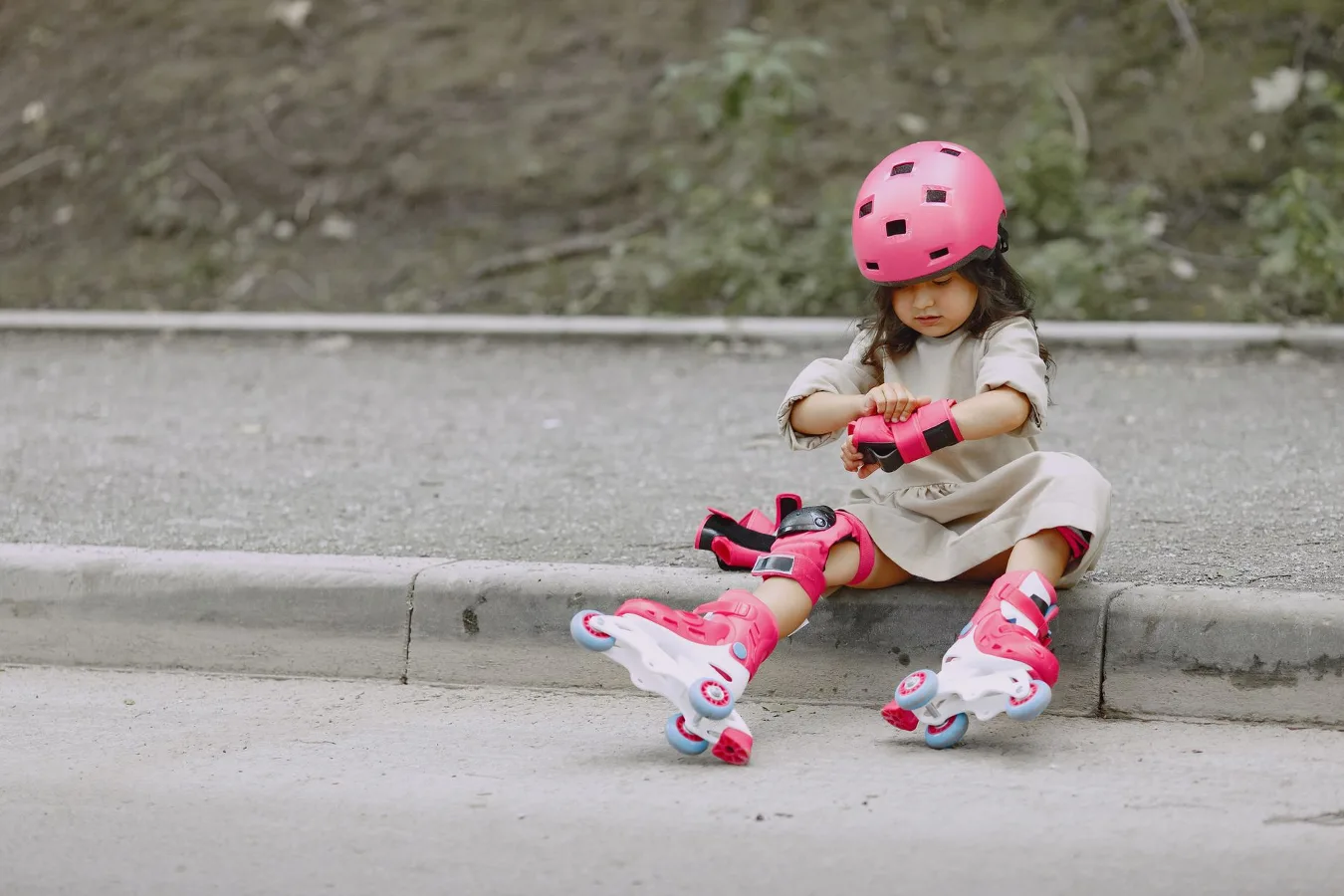
Sports protective skating gear is the equipment designed to help reduce the severity of injuries from falls, slides, and impact while you skate. For most skaters, the essentials are a helmet, wrist guards, knee pads, and elbow pads, but the right setup depends on the type of skating you do, how often you skate, and how much mobility you want to keep. best protective gear for skaters offers more detail on this point. knee pads for recreational skating offers more detail on this point. what to look for in elbow pads offers more detail on this point.
The best choice is not always the most heavily padded option. Good protective skating gear should balance coverage, comfort, fit, and the kind of movement your skating style requires. A beginner at a rink, for example, may prioritize maximum coverage and easy adjustment, while a street skater may care more about durability, range of motion, and secure fit.
What sports protective skating gear actually does
Skating protection is meant to manage the most common contact points in a fall. That usually means the head, wrists, palms, knees, elbows, and sometimes hips or tailbone. The goal is not to make skating risk-free; it is to reduce the chance that a routine fall becomes a serious injury.
Many skaters underestimate wrist protection because hands are often the first thing to hit the ground. Others focus only on helmets and overlook knees and elbows, even though those areas often take repeated scrapes and bruises during learning and stopping drills. A complete set is usually more practical than buying one piece at a time without a plan.
Key factors that matter most
Fit comes first
Poor fit can make even well-made gear frustrating or ineffective. A helmet that shifts, pads that twist, or wrist guards that pinch will be less likely to stay in place when you need them. For skating gear, secure fit matters as much as padding thickness.
Look for gear that sits close to the body without cutting off movement. Pads should not slide when you bend, crouch, or turn. Straps should feel firm but not restrictive, and closure systems should be simple enough to adjust without creating pressure points.
Protection level should match your skating style
Different skating styles create different risks. Recreational rink skating tends to involve slower speeds and more predictable surfaces. Inline skating on roads or paths may expose you to uneven pavement and faster falls. Skateboarding can demand more abrasion resistance because falls may involve sliding as well as impact.
That is why one “best” set of gear does not exist. A beginner learning balance may want more coverage and softer comfort. A more experienced skater may prefer a lower-profile setup that protects key areas without feeling bulky.
Comfort affects whether you keep wearing it
Even the safest gear is a poor choice if it stays in the bag. Breathable materials, reasonable weight, and pads that do not trap too much heat can make a big difference. Comfort also includes ease of putting gear on and taking it off, especially if you skate often or need to gear up quickly.
A common misconception is that uncomfortable gear just needs a break-in period. Sometimes that is true, but if the shape is wrong or the straps do not align with your body, the problem usually gets worse with wear rather than better.
Durability depends on materials and use
Skating gear sees repeated abrasion, sweat, and impact. Hard shells, dense foam, reinforced stitching, and durable straps all affect how long the gear lasts. However, durability needs to be judged against your use case. A casual indoor skater may not need the same heavy-duty construction as someone skating outdoors several times a week.
If you skate in rougher environments, pay attention to the areas that usually fail first: straps, stitching, closures, and outer surfaces. Those parts often wear faster than the padding itself.
How to choose the right pieces
Helmet
A skate helmet should sit level on the head, cover the forehead properly, and stay secure without wobbling. Many skaters confuse a loose fit with comfort, but a helmet that moves around can be a liability. The right helmet should feel stable when you shake your head, bend forward, or look side to side.
Beyond fit, think about ventilation, coverage, and whether the helmet shape feels compatible with your skating position. Some riders prefer a lower-profile fit for better visibility and less bulk, while others want more coverage around the back of the head. The best choice depends on your confidence level and the kind of falls you are most likely to take.
Wrist guards
Wrist guards are especially useful because many skaters instinctively reach out during a fall. A good pair should support the wrist without preventing natural hand movement. If they are too rigid, they can feel clumsy. If they are too soft, they may not offer much practical benefit.
For beginners, wrist guards are often one of the smartest purchases in the entire set. They are also a good example of gear that can seem minor until you need it. If you skate on hard surfaces or are still learning balance, this is a priority item rather than an accessory.
Knee and elbow pads
Knee and elbow pads help absorb impact and reduce scraping during low-speed falls, kneeling stops, and slide-outs. They should stay centered over the joint when you bend and extend. If the pad migrates to one side, it may leave the joint exposed.
Skaters sometimes choose oversized pads thinking more bulk means more protection. That can work in some situations, but too much bulk may limit movement and make you less stable. A better approach is to match pad shape and coverage to the kind of skating you actually do.
Optional hip or tailbone protection
Hip and tailbone protection is less universal but worth considering for certain skaters, especially those who fall backward often or spend time learning transitions, ramps, or tricks. These pieces can add confidence, although they also add bulk and may feel restrictive under some clothing.
If you are deciding whether to include lower-body protection, think about where you tend to fall, not just where falls are theoretically possible. That practical detail often matters more than a general gear checklist.
Choosing gear by skating scenario
Beginner and recreational skating
For beginners, the most useful gear is usually the gear you will actually wear every time. A reliable helmet, wrist guards, and knee and elbow pads create a solid base. Comfort and easy adjustment matter more here than advanced features.
Recreational skaters often benefit from gear that is simple, visible, and easy to check before every session. If your gear takes too long to put on or feels confusing to size, you may start skipping it.
Inline skating outdoors
Outdoor skating introduces pavement texture, debris, and more variable falls. In this setting, secure fit and abrasion resistance become especially important. You may also want gear that stays in place during longer sessions, since outdoor skating often involves more movement and repeated acceleration.
One overlooked consideration is weather. Heat can make padded gear feel much heavier, while cooler conditions can make some closures stiffer. If you skate outdoors often, comfort across changing conditions deserves attention.
Skateboarding and park use
Skateboarding protection often has to balance impact absorption with freedom of movement. Park skating and learning tricks may call for gear that protects against repeated falls without making it hard to crouch, balance, or rotate.
For this use case, gear that is too bulky can interfere with learning. On the other hand, overly minimal protection may not be enough if you are still working on reliable bailouts and landings. The trade-off is usually coverage versus mobility.
Roller skating and rink skating
Roller skating at a rink can feel gentler than outdoor skating, but falls still happen, especially while learning turns, stops, and transitions. Comfort and secure fit are usually the top priorities. A slimmer pad profile can be appealing if it lets you move more naturally.
Skaters who spend long sessions on smooth indoor surfaces often prefer gear that is easy to wear for extended periods. That practical detail can matter more than features that sound impressive but add unnecessary weight.
Practical solutions that make gear work better
Buying the right gear is only half the job. Using it effectively means checking fit before every session, adjusting straps after a few minutes of movement, and replacing pieces that no longer sit securely.
- Try gear in the skating position rather than standing straight up in a store or at home.
- Check mobility by bending knees, flexing wrists, and crouching as you would while skating.
- Inspect strap placement so closures do not rub behind the knee or around the elbow crease.
- Match the pad shape to the activity instead of assuming one design suits all skating styles.
- Keep a backup plan if your main gear is drying, worn out, or unavailable before a session.
Maintenance matters too. Sweat, dust, and repeated compression can shorten the usable life of protective gear. Let items dry fully after use, wipe off surface dirt, and check for flattened padding, stretched straps, or cracked shells. Even well-made gear loses effectiveness when it no longer fits correctly.
Common mistakes to avoid
One frequent mistake is buying gear based on appearance rather than fit. Another is focusing on padding alone and ignoring how the gear stays in position. A third is choosing gear that is technically protective but so uncomfortable that it never gets used consistently.
Some skaters also make the mistake of assuming all helmets and pads are interchangeable across sports. In reality, skating gear is designed around specific movement patterns and fall risks. A general sports item may not provide the most useful protection for skating motions.
Another practical mistake is waiting until gear looks damaged before replacing it. Straps can lose tension, foam can compress, and shells can take on wear that is not obvious at first glance. If the fit changes or the gear no longer feels secure, treat that as a real warning sign.
How to decide what to buy first
If you are building a set from scratch, start with the pieces that match your most likely fall pattern. For many skaters, that means helmet and wrist guards first, then knee and elbow pads. If you skate aggressively, outdoors, or at higher speeds, you may want a fuller setup from the beginning.
A simple decision rule helps: choose the lightest gear that still gives you confidence to skate consistently. If a piece feels so bulky that you avoid wearing it, it is not helping in practice. If it feels so minimal that you hesitate on every session, it may not be the right match either.
For households buying gear for children or new skaters, consistency and easy sizing matter a lot. Adjustable closures, clear size ranges, and gear that is simple to inspect can reduce friction before each outing. For adults, the same principle applies; the easiest gear to wear is usually the gear that gets used.
FAQ
What is the most important piece of sports protective skating gear?
For many skaters, a helmet is the most important single item because head protection has the highest stakes. That said, wrist guards are also highly valuable since hands often hit the ground first. A complete set is usually better than relying on just one piece.
Do beginners need full protective gear?
Most beginners benefit from at least a helmet, wrist guards, knee pads, and elbow pads. Early learning usually involves frequent low-speed falls, so having a complete setup can make practice safer and less stressful.
How should skating pads fit?
Pads should stay centered over the joint and feel secure without cutting off movement. If they slip, twist, or slide down during basic motions, the fit is not right.
Can I use the same gear for different skating styles?
Sometimes, yes, but not always ideally. Gear that works for rink skating may feel too minimal for outdoor inline skating or too bulky for skateboarding. The best choice depends on speed, surface, and how you fall.
When should skating protective gear be replaced?
Replace gear when it no longer fits securely, the padding is compressed, straps are stretched, or the shell shows obvious wear. If the gear does not stay in place, its protective value drops.
Sports protective skating gear works best when it fits your skating style, stays comfortable enough to wear consistently, and covers the parts of the body most likely to take impact. A thoughtful setup is usually better than a bulky one, and the right mix often changes as your skating becomes faster, smoother, or more technical.