

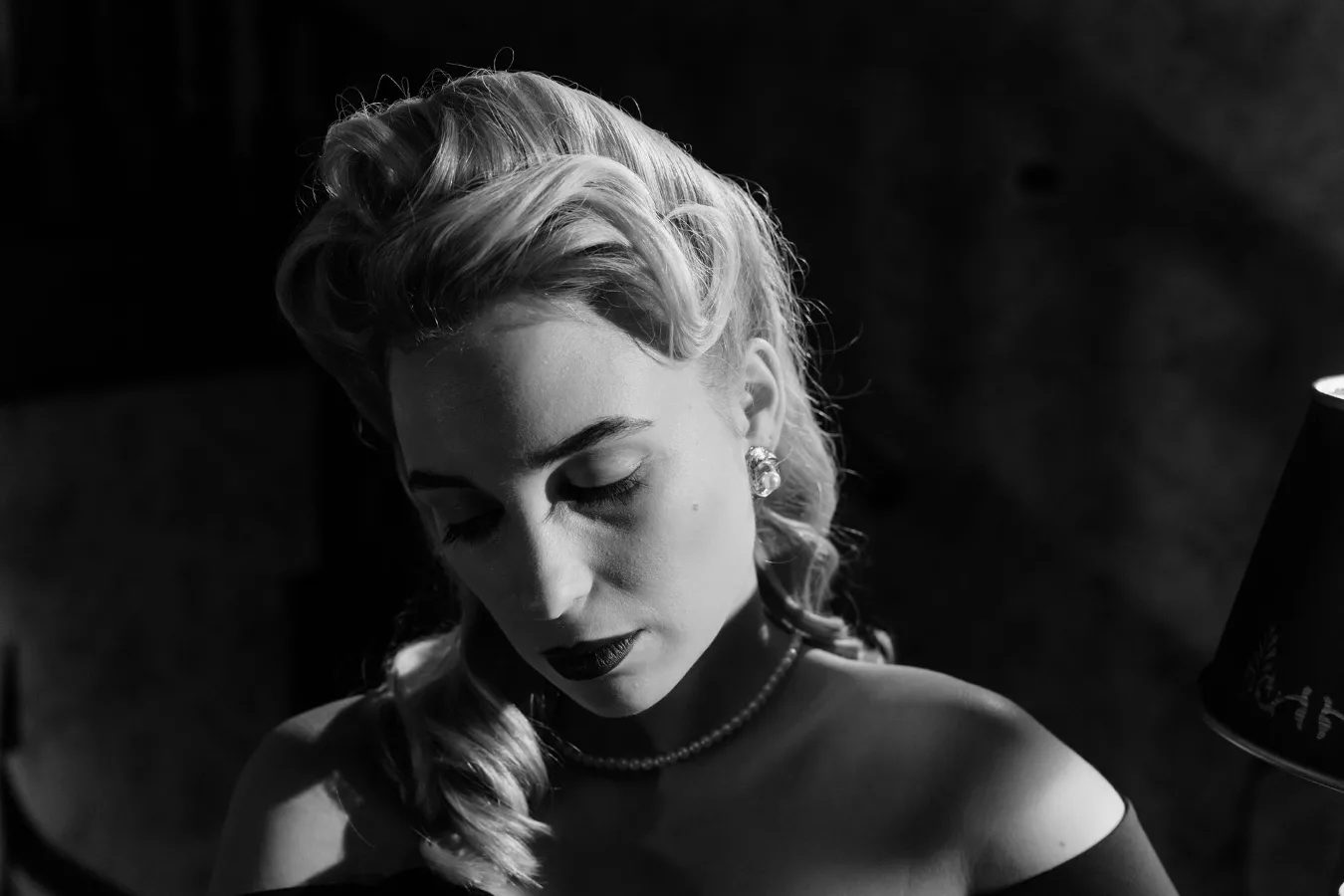
1950s fashion jewelry refers to the costume and style jewelry associated with the decade’s polished, feminine, and often glamorous look. If you are shopping for it today, the key is understanding what made the era distinctive: rhinestones, pearls, cabochons, enamel, gold-tone metal, floral motifs, and sculptural designs that worked as finishing touches rather than subtle accents. 1940 jewelry fashion offers more detail on this point. 1930s Jewelry Fashion Guide: Styles and Choices offers more detail on this point.
For buyers, the main challenge is that “1950s style” can mean several different things. You might be looking for true vintage pieces from the decade, later jewelry made in a 1950s-inspired style, or collectible designer costume jewelry from brands known for midcentury work. Knowing which one you want matters, because condition, materials, collectability, and price can vary widely. vintage-inspired jewelry styles offers more detail on this point.
What defines 1950s fashion jewelry
The decade leaned into elegance and polish. Jewelry often echoed tailored clothing, full skirts, and dressier daywear, so pieces tended to be decorative without looking oversized in a rough or industrial way. Common features include:
- Rhinestones and crystals for sparkle
- Pearls, both faux and cultured styles in fine jewelry contexts
- Gold-tone and silver-tone finishes
- Floral, bow, leaf, and scroll motifs
- Brooches and pins used as statement accessories
- Clip-on earrings and coordinated sets
- Beaded necklaces, chokers, and multi-strand looks
- Enamel and molded plastics such as lucite in some styles
The overall effect was often neat and coordinated. Matching sets were popular, and many pieces were designed to be worn with dresses, suits, sweaters, and occasion wear rather than as casual everyday jewelry in the modern sense.
How to choose the right piece
If you are buying 1950s fashion jewelry, start with the purpose. A collector may care most about originality, maker marks, and condition. Someone shopping for style may care more about how the piece looks with modern clothing and whether it is comfortable to wear.
1. Decide whether you want vintage or vintage-inspired
True vintage usually means the piece was made in the 1950s. These pieces can offer better authenticity and collectability, but they often show age. Missing stones, worn plating, loosened clasps, and damaged findings are common realities.
Vintage-inspired jewelry captures the look without the age-related concerns. This can be the better choice if you want a wearable accessory for regular use, especially for earrings and necklaces that need secure closures and comfortable settings.
2. Look at materials closely
Material quality shapes both appearance and longevity. In 1950s fashion jewelry, you may see base metal with plating, glass stones, faux pearls, enamel, plastic components, and decorative settings. None of these automatically indicate poor quality; many midcentury costume pieces were made to look elegant using non-precious materials.
What matters is how well the piece has held together. Check for flaking plating, cloudy stones, loose prongs, brittle beads, and chips in plastic or enamel. These issues do not always make a piece unusable, but they do affect value and wearability.
3. Check the closure and construction
Comfort and security matter more than many buyers expect. Clip-on earrings should open smoothly and hold without pinching excessively. Brooch clasps should feel secure. Necklaces should have functional clasps and intact links. A beautiful piece with weak construction is often more frustrating than a less glamorous one that wears well.
Look for signs that the design was made thoughtfully: even stone settings, neat soldering, consistent finish, and components that match in style and age. Rough repairs are not always a dealbreaker, but they should be factored into the decision.
4. Consider condition versus collectability
Collectors often accept some wear if the piece is scarce, signed, or representative of the period. For everyday buyers, condition usually matters more than rarity. A common rhinestone brooch in excellent shape may be a better purchase than a rarer one with unstable stones and visible damage.
This is one of the most overlooked parts of buying midcentury jewelry: a collectible piece is not always the best wearable piece, and a wearable piece is not always the most collectible one.
Common 1950s jewelry styles and what they signal
Different styles can help you narrow your search and avoid mismatched purchases.
- Rhinestone brooches: often formal, highly decorative, and easy to style on lapels, dresses, or scarves
- Pearl necklaces and earrings: classic, restrained, and versatile for dressier looks
- Charm bracelets: popular for sentimental collecting and personal styling
- Beaded or multi-strand necklaces: useful for a polished midcentury silhouette
- Flower and leaf motifs: common in feminine, dress-oriented jewelry
- Abstract and atomic-age designs: more modernist in feel, often appealing to collectors of midcentury design
These styles do not all sit in the same value tier, and they do not all suit the same wardrobe. Brooches, for example, may feel more versatile than many buyers expect because they can be worn on coats, collars, bags, and even simple knitwear.
Mistakes to avoid when shopping
Buying 1950s fashion jewelry gets much easier once you know the common traps.
- Assuming every old-looking piece is from the 1950s. Later reproductions can mimic the look closely.
- Ignoring wear at the clasp or hinge. These parts often reveal whether a piece is truly practical.
- Overlooking replacement stones. Repaired pieces can still be attractive, but replacements may affect originality.
- Confusing costume jewelry with fine jewelry. Many 1950s pieces were intentionally made from non-precious materials.
- Buying only for label appeal. Signed pieces can be desirable, but design, condition, and authenticity still matter.
- Forgetting about comfort. Heavy clip earrings or rigid necklaces may look great but feel difficult to wear.
A practical buyer pays attention to the whole piece, not just the era or the sparkle.
How to judge value without overpaying
Value in this category usually comes from a mix of era, condition, design, maker, and desirability. There is no single rule that covers every piece. A simple unsigned brooch may be inexpensive yet still attractive and wearable. A signed midcentury piece with a distinctive design may command more interest from collectors.
Use these questions as a filter:
- Does the design clearly reflect the decade, or is it only vaguely retro?
- Are the stones, plating, or pearls in stable condition?
- Is the clasp, hinge, or clasping mechanism intact?
- Is there a signature or mark that adds collector interest?
- Would you wear it often, or is it mainly for collecting?
If a piece is priced as collectible, it should usually offer something beyond the general look: a notable maker, an unusual design, a well-preserved finish, or strong period character. If you mainly want the style, there is no reason to pay a collector premium for a common design.
Styling 1950s fashion jewelry today
The easiest way to wear 1950s-inspired jewelry now is to let one piece lead the outfit. A rhinestone brooch can elevate a blazer or cardigan. Pearl studs or short necklaces can add polish to a simple dress or blouse. A statement cocktail ring can work well with clean, modern tailoring.
The biggest styling mistake is trying to match everything too literally. You do not need a full period costume to make the jewelry work. In fact, midcentury jewelry often looks strongest against contemporary basics because the contrast keeps the look intentional rather than themed.
If you are mixing old and new pieces, keep an eye on balance. A bold brooch and heavily decorated earrings together can feel crowded. Choosing one focal point usually creates a more refined result.
Care and storage considerations
Because many pieces from the 1950s use costume materials, careful storage matters. Keep them away from humidity, perfume, hairspray, and rough contact with harder jewelry. Soft pouches or lined boxes help prevent scratches and stone loss.
Be especially gentle with:
- Plated metal, which can show wear faster than solid precious metals
- Glue-set stones, which may loosen over time
- Faux pearls, which can deteriorate if exposed to chemicals or friction
- Plastic and lucite, which may scratch or craze
Cleaning should stay conservative unless you know the exact materials. A soft dry cloth is often safer than aggressive cleaning methods. If a piece has signs of serious fragility, it is usually better to preserve it than to overclean it.
Alternatives if true vintage is not the right fit
There are good reasons to choose alternatives. True vintage can be delicate, scarce, or difficult to wear regularly. If you want the aesthetic without the maintenance, consider:
- Vintage-inspired costume jewelry for easier everyday wear
- Reproduction brooches or pearl sets for dependable condition
- Midcentury-style modern brands that borrow the era’s shapes and finish
- Estate jewelry from other decades if you like the look of aged materials but want a different design period
These alternatives are especially useful for buyers who want a specific outfit accent rather than a collectible object.
What to look for in a strong purchase
If you want the shortest possible checklist, focus on these points: period character, stable construction, attractive wearability, and a price that matches the piece’s condition. That combination matters more than hype or label alone.
1950s fashion jewelry is at its best when it feels balanced. The right piece should carry the era’s polish without making you work around structural problems. Whether you are building a collection or choosing a single brooch, the smartest buy is the one that fits your wardrobe, your comfort level, and your expectations for upkeep.