

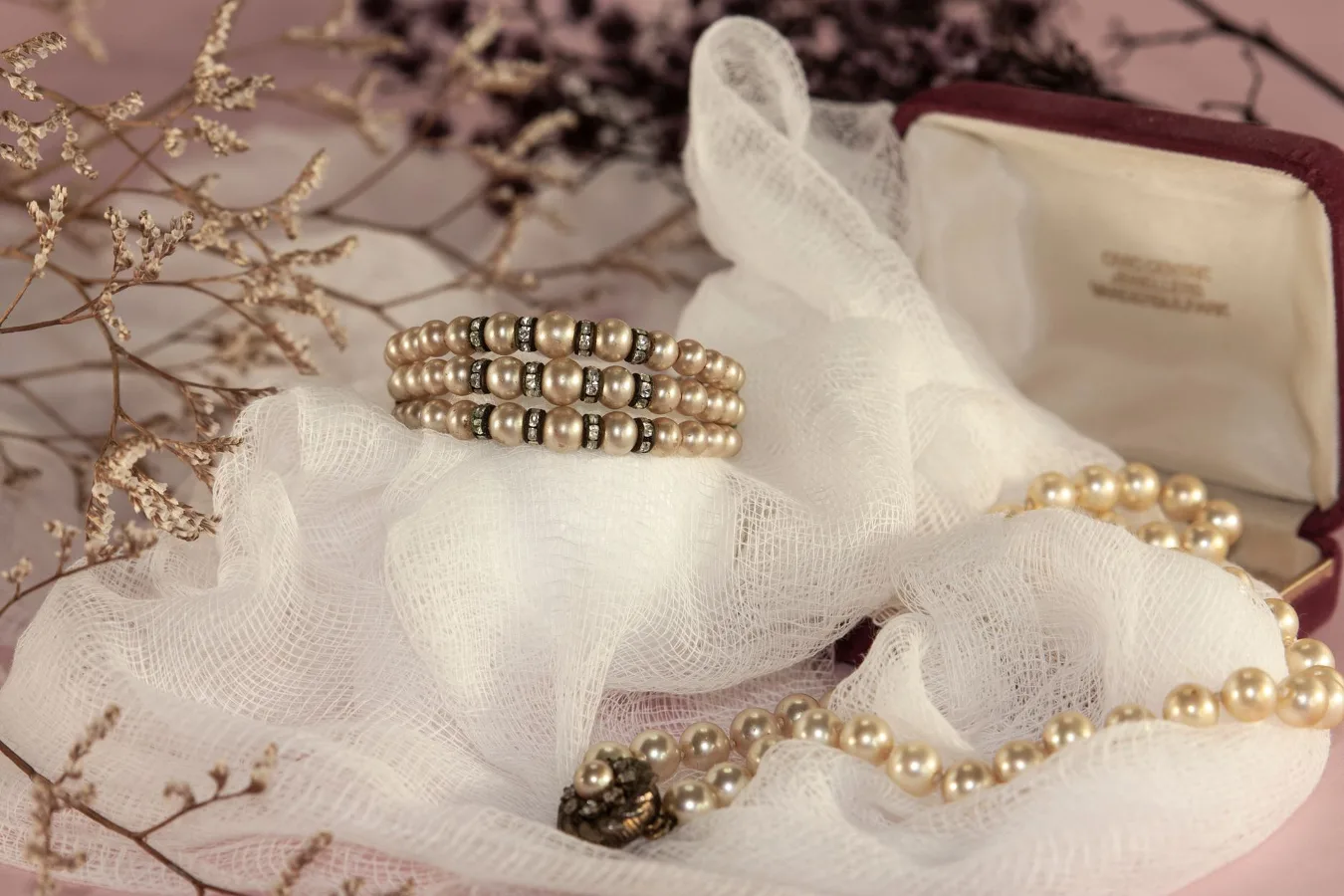
1960 jewelry fashion is all about clean lines, bold silhouettes, and accessories that do the talking. If you’re trying to capture the look today, the best approach is not to copy the decade literally, but to choose pieces that reflect its mix of polish, playfulness, and strong visual shape. 1920s jewelry fashion offers more detail on this point.
For shoppers, that means focusing on jewelry that feels graphic rather than delicate: oversized hoops or drops, sculptural brooches, faux pearls, chain necklaces, enamel accents, and high-contrast finishes. The right piece can make a simple shift dress, turtleneck, or tailored suit feel instantly period-aware without looking like a costume.
What defines 1960 jewelry fashion?
The 1960s were not one single look. Early-decade jewelry often carried over the refined feel of the late 1950s, while the middle and later years leaned into mod styling, bolder shapes, and a more youthful attitude. That is why 1960 jewelry fashion can range from elegant faux pearl strands to bright, geometric accessories with a distinctly graphic edge. what makes fashion jewelry feel authentic offers more detail on this point.
If you are buying with style in mind, look for a few recurring ideas: symmetry, contrast, polished surfaces, and pieces that stand out without needing a lot of ornament. The decade’s accessories often worked as part of a complete outfit rather than as subtle finishing touches.
Buyer scenario: who this style works for
This look makes sense if you want jewelry that feels expressive, structured, and easy to pair with simple clothing. It is especially useful for anyone building a vintage-inspired wardrobe, dressing for themed events, or looking for accessories that can bridge retro and modern outfits. choosing statement accessories for retro outfits offers more detail on this point.
It also suits shoppers who prefer statement pieces over tiny, minimal designs. A single bold necklace or a pair of striking earrings can do the work of several quieter accessories. On the other hand, if you usually choose ultra-delicate, barely-there jewelry, some 1960s styles may feel too assertive.
The appeal is strongest when you want your accessories to add personality quickly. That said, not every 1960s-inspired piece is wearable in everyday life. A dramatic collar necklace or highly embellished brooch may look perfect with one outfit and awkward with another. The key is to match the scale of the jewelry to the clothing and the occasion.
Materials and finishes that signal the era
Material choice matters because 1960 jewelry fashion depends as much on surface and shape as on the design itself. Many pieces associated with the decade use fashion jewelry materials rather than fine gemstones, which is part of the style’s accessibility and versatility.
- Faux pearls: A classic choice that brings a polished, dressy feel.
- Gold-tone and silver-tone metal: Often used for clean, glossy, or sculptural designs.
- Enamel: Helpful for adding color and a mod finish.
- Lucite and acrylic: Frequently associated with lighter, modern-looking silhouettes.
- Glass stones and rhinestones: Useful when you want sparkle without a formal fine-jewelry look.
- Costume-metal settings: Common in vintage-inspired pieces, especially for bold brooches and cocktail rings.
The finish is just as important as the material. Highly polished surfaces, clean edges, and crisp contrast often read more authentically than ornate scrollwork or overly antique detailing. A piece can feel “1960s” even when it is newly made if the styling choices are right.
Trade-offs to think about before you buy
One of the biggest strengths of this style is versatility. A single retro-inspired brooch or pair of statement earrings can refresh basics you already own. The trade-off is that strong vintage references can be less subtle than modern minimalist jewelry, so they may not suit every wardrobe.
Another practical issue is comfort. Larger earrings, rigid collars, and layered necklaces can make a visual impact, but they are not always easy to wear for a full day. Clip-on earrings, in particular, can be stylish but may not be comfortable for everyone. If you are choosing pieces for regular use, comfort and weight matter as much as appearance.
There is also a difference between authentic vintage jewelry and modern reproductions. Authentic pieces may have more character and history, but they can show wear, tarnish, loosening clasps, or age-related fragility. Reproductions are often easier to wear and maintain, though they may lack the patina collectors value. Your best choice depends on whether you are styling for appearance, collecting, or both.
How to choose pieces that feel authentic
Authenticity in this category is usually visual rather than historical. Most shoppers are not trying to build a museum-level collection; they want jewelry that captures the spirit of the era. Start by checking the shape language. Clean geometry, rounded forms, and strong focal points usually work better than intricate filigree or highly organic designs.
Pay attention to proportion. Many 1960s looks are best represented by jewelry that either stays sleek and tailored or commits fully to a bold statement. A slightly oversized pendant, a row of faux pearls, or a pair of large earrings can feel more era-appropriate than something that sits awkwardly in the middle.
Color is another useful guide. Black, white, gold, silver, red, turquoise, and glossy pastels all connect well to the decade’s fashion vocabulary. Neutral tones are especially easy to wear, while brighter enamel pieces can help a simple outfit lean more mod.
If you are browsing vintage, look closely at closures, prongs, and plating. If a piece seems too fragile for regular wear, treat it as a special-occasion item rather than an everyday accessory. For modern purchases, prioritize sturdy construction, smooth edges, and secure fastenings, especially on earrings and bracelets.
Styling the look without turning it into costume
The easiest way to wear 1960 jewelry fashion today is to let one piece carry the reference and keep the rest of the outfit restrained. A crisp white shirt, a solid turtleneck, a shift dress, or a tailored blazer gives retro jewelry room to stand out without competing for attention.
For a polished daytime look, try faux pearls with a neat collar or a structured top. For a more mod-inspired feel, choose geometric earrings with a monochrome outfit. If you want a slightly softer interpretation, pair a simple chain necklace with a feminine dress or a brooch on a cardigan or jacket.
Layering can work, but restraint usually looks better than excess. A common mistake is mixing too many references at once: pearl strands, oversized earrings, chunky rings, and a highly printed outfit can push the look from vintage-inspired to busy. Pick one focal point and let it lead.
Easy outfit pairings
- Shift dress + bold earrings
- Turtleneck + short pendant necklace
- Blazer + structured brooch
- Button-down shirt + faux pearl strand
- Monochrome outfit + enamel statement ring
Common misconceptions about 1960s jewelry
One misconception is that all 1960 jewelry fashion looks flashy. In reality, the decade included plenty of refined, wearable pieces. Faux pearls, slim chains, and polished brooches were just as relevant as dramatic statement items.
Another assumption is that vintage-inspired jewelry has to be expensive or rare to look convincing. That is not true. Many well-designed modern pieces capture the silhouette and finish of the era without trying to imitate a specific collectible item.
A final mistake is assuming that bigger always looks better. Scale matters, but so does balance. A large necklace on a strongly patterned blouse can feel overloaded, while the same necklace over a simple dress may look sharp and intentional.
Maintenance and wearability considerations
Fashion jewelry needs more care than many shoppers expect, especially if it uses plating, glued stones, enamel, or simulated pearls. Avoid storing pieces where they can rub against one another, since friction can dull finishes and scratch surfaces.
Keep them away from moisture, lotions, and perfumes when possible. That is especially important for plated metals and faux pearls, which can lose their sheen faster if they are handled roughly or stored improperly. A soft pouch or lined compartment is usually better than an open dish if you want the finish to last.
If you are buying vintage, inspect hinges, clasps, and earring backs carefully. The design may be beautiful, but weak hardware can limit how often you actually wear it. For everyday use, comfort and reliability should outweigh purely decorative details.
Where 1960 jewelry fashion fits today
This style is most useful when you want a clear visual point of view. It works for retro wardrobes, office outfits that need a little character, special events, and capsule closets built around versatile accessories. It is also a strong direction for shoppers who like fashion history but do not want to dress head-to-toe in vintage.
For a more modern take, choose one era signal at a time: a pearl necklace, a geometric earring, or a sleek brooch. For a more authentic feel, combine accessories with clothing shapes that echo the decade, such as clean lines, A-line silhouettes, and polished collars.
If you are shopping across the broader fashion jewelry cluster, this is a useful anchor style because it connects easily to other vintage-inspired categories, from mid-century accessories to mod dressing and statement necklaces. That makes it a strong starting point whether you are building a collection or looking for a single standout piece.
Next steps for shoppers
Start by deciding what role the jewelry should play. If you need everyday wear, focus on lighter pieces, secure closures, and simple shapes. If you want occasion jewelry, you can lean into bolder forms, brighter color, and more obvious retro references. If you are collecting, prioritize condition, originality, and design clarity.
Then compare three things before buying: silhouette, finish, and practicality. A piece may look period-correct, but if it feels too heavy, too fragile, or too difficult to match with your clothes, it will probably sit unworn. The best 1960-inspired jewelry is the kind you can actually imagine wearing, not just admiring.
For a stronger wardrobe strategy, build around a few reliable categories: faux pearls for polish, geometric earrings for mod energy, a standout brooch for tailoring, and one or two statement necklaces for special occasions. That combination covers most of the style range associated with the decade while keeping your choices flexible.
Seen this way, 1960 jewelry fashion is less about strict historical accuracy and more about editing. Choose pieces with shape, confidence, and clean visual impact, and the look will feel both timeless and distinctly of its era.