

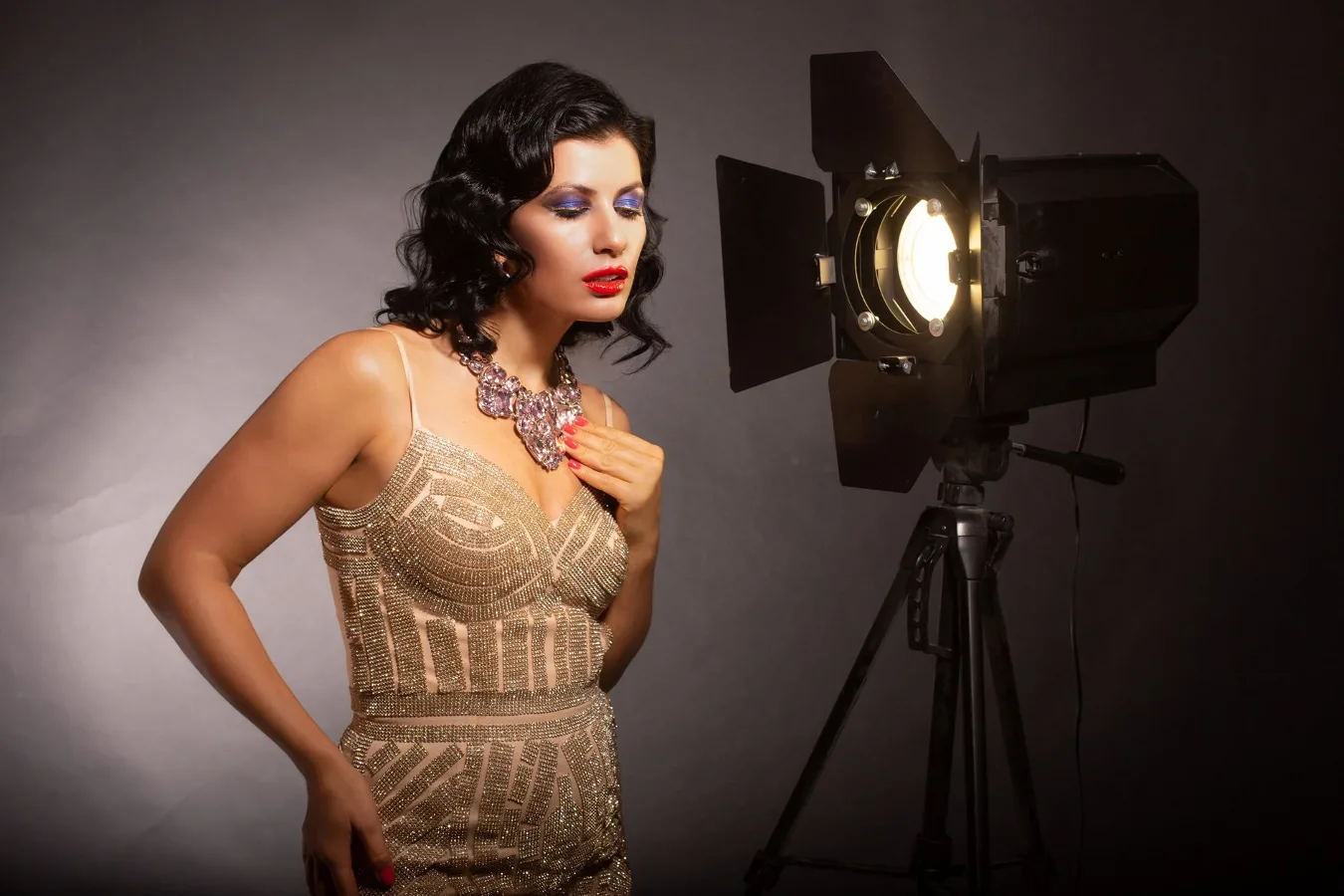
What defines 1930s jewelry fashion?
1930s jewelry fashion is best understood as a refined, highly wearable mix of elegance and restraint. After the bolder geometry of the 1920s, jewelry in the 1930s often became softer, more decorative, and more adaptable to everyday dressing. The look still borrowed from Art Deco, but it usually translated into slimmer lines, floral motifs, stepped patterns, bows, scrolls, and delicate sparkle rather than heavy ornament. 1960 Jewelry Fashion: How to Wear It offers more detail on this point. 1920s Jewelry Fashion: What Defined the Look offers more detail on this point.
That matters if you are shopping for vintage pieces or trying to recreate the style today. The decade’s jewelry was shaped by practical realities as much as aesthetics, so the strongest examples tend to feel polished without appearing oversized or complicated. Many pieces were designed to work with day dresses, evening wear, tailored suits, and the changing hemline and neckline trends of the era.
If you are aiming for the style, think in terms of balance: decorative but not loud, elegant but not fussy, and glamorous without losing versatility.
The key style cues to look for
Several visual cues help identify jewelry that feels distinctly 1930s. You do not need all of them in one piece, but the more of these elements you see, the more likely the item will read as period-inspired.
- Soft Art Deco geometry: stepped edges, fan shapes, chevrons, and symmetrical layouts, but usually less stark than earlier Deco designs.
- Floral and romantic motifs: bows, leaves, sprays, garlands, and ribbon-like forms were especially common.
- Small-to-medium scale: many pieces were intended to complement clothing rather than dominate it.
- Paste stones and sparkle effects: imitation stones were widely used to create an elevated look at lower cost.
- Versatile fastening styles: clip-on earrings, brooches, dress clips, and convertible pieces fit the way people dressed.
One common misconception is that all vintage jewelry has to look ornate or highly dramatic to be authentic. In the 1930s, subtlety was often the point. A well-proportioned brooch or a neat pendant can be more period-correct than a piece overloaded with stones.
Materials and finishes that fit the decade
Because the 1930s were influenced by cost-conscious shopping, jewelry materials varied widely. That gives modern buyers room to choose between authentic vintage, inspired reproductions, and more affordable contemporary pieces. The important thing is not just the material itself, but whether the finish and overall design feel consistent with the era.
Common materials and looks
- Base metals with plated finishes: many fashion pieces used less expensive metal bases topped with decorative finishes.
- Paste and glass stones: these created shimmer without the cost of fine gemstones.
- Marcasite accents: often seen in geometric or floral settings for a darker, more refined sparkle.
- Bakelite and similar early plastics: especially useful for brooches, bangles, and novelty pieces with bold color.
- Pearl effects: faux pearls and pearl-like finishes suited the decade’s softer elegance.
If you are buying vintage, condition matters as much as material. Plating wear, loose stones, replaced components, and repaired clasps are common in older jewelry. That does not automatically make a piece undesirable, but it should influence how you plan to wear and care for it.
How to choose pieces that suit modern wear
The easiest way to wear 1930s jewelry fashion today is to match the piece to your wardrobe rather than trying to recreate an entire period outfit. A single brooch, a pair of clip-ons, or a pendant necklace can suggest the decade without looking costume-like.
For everyday outfits
Choose smaller or cleaner designs: a modest brooch on a blazer, a simple pendant over a knit top, or earrings with a restrained Art Deco pattern. These pieces work well because the 1930s style already leans toward polish and proportion. If the jewelry is too large or too ornate, it can start to feel more theatrical than vintage-inspired.
For evening wear
This is where the decade’s jewelry becomes especially effective. Look for sparkle, symmetry, and soft glamour. A decorative brooch, layered pearl-like strands, or a dress clip worn as an accent can echo the period without requiring a full retro look. Evening jewelry from this era often emphasizes neckline framing, so consider how the piece sits with your dress or blouse.
For collectors
If you are buying with collecting in mind, narrow your focus before shopping. Some buyers prefer Art Deco geometry, while others are drawn to floral paste jewelry, marcasite, or early plastics. Having a clear collecting angle helps you avoid buying pieces that are merely “old-looking” but not actually representative of the decade.
Styling lessons from the 1930s
The most useful styling lesson from the decade is restraint with intention. Jewelry was often used to finish an outfit rather than compete with it. That means the best modern looks tend to use one or two well-chosen items instead of layering several unrelated pieces.
- Pair one statement piece with simple clothing: let a brooch, pendant, or bracelet do the visual work.
- Echo shapes rather than copying outfits: a fan-shaped pendant or stepped earrings can suggest the era without feeling like a costume.
- Match metal tone to the outfit’s mood: cooler silvery finishes suit a sleek look, while gold-toned pieces often feel warmer and more romantic.
- Use jewelry to define a neckline: many 1930s-inspired necklaces are most effective when they visually frame the face and upper body.
A practical nuance is that not every authentic vintage piece flatters modern fabrics equally. Very delicate clips may slip on slippery materials, and older brooch pins can snag knits or silk. If you are planning regular wear, choose pieces with secure closures and consider the fabric before fastening anything.
Buying decisions: authentic vintage, reproduction, or modern inspired?
There is no single right answer here. The best choice depends on whether you want historical authenticity, lower risk, easier wear, or budget flexibility.
| Option | Why choose it | Trade-offs |
|---|---|---|
| Authentic vintage | Best for period character, collecting, and original detailing | May show wear, require careful handling, and vary in sizing or condition |
| Reproduction | Useful if you want the look with fewer condition concerns | Quality can vary, and some pieces may feel too polished or too generic |
| Modern inspired | Often easier to wear, replace, and style with current clothing | May capture the mood of the decade without close period accuracy |
When evaluating a piece, focus on the design language first. Does it have the soft Deco mix of geometry and elegance? Does the scale suit the 1930s look? Does the finish feel coherent? These questions are often more useful than asking whether the piece is strictly old.
Common mistakes to avoid
People often miss the mark on 1930s jewelry fashion by overdoing either the sparkle or the theme. The decade has glamour, but it is usually a controlled glamour.
- Mixing too many eras: pairing 1930s-inspired jewelry with obviously 1970s or ultra-modern statement pieces can blur the look.
- Choosing pieces that are too large: oversized costume jewelry can read as theatrical rather than period-informed.
- Ignoring the neckline: some necklaces only work if the clothing allows them room to sit properly.
- Overmatching every accessory: shoes, bag, and jewelry do not need to be identical in style.
- Assuming all old jewelry is 1930s: many later pieces borrow Art Deco cues, so design details matter more than age alone.
Another overlooked consideration is repair history. A piece can look fine at first glance but have replaced stones, shortened chains, or altered clips that change both value and wearability. If you care about authenticity, inspect those details closely or ask for clear photos and measurements before buying.
How to build a versatile 1930s-inspired jewelry collection
A practical collection does not need to be large. A few flexible pieces can cover most outfits and occasions.
- One brooch: ideal for jackets, dresses, scarves, and hats.
- One pair of earrings: clip-ons or posts with a Deco or floral influence.
- One necklace: preferably a pendant or modest strand that works with multiple necklines.
- One bracelet or bangle: useful for adding interest without overwhelming the outfit.
- One special-occasion piece: something more decorative for formal wear or event styling.
If you are buying over time, favor coherence over quantity. Pieces that share a similar finish, scale, or motif will give you more styling flexibility than a random mix of attractive items.
Maintenance and storage considerations
Vintage and vintage-inspired jewelry both benefit from simple care. Older materials can be sensitive to moisture, pressure, and abrasive cleaning, so gentleness matters.
- Store pieces separately to reduce scratching and tangling.
- Keep plated metals and faux stones away from harsh chemicals.
- Wipe items with a soft cloth after wear to remove skin oils.
- Avoid soaking older pieces unless you know the materials can handle it.
- Check clasps, pins, and clips before wearing pieces on delicate clothing.
For bakelite or similar early plastics, cleaning methods should be especially cautious. For paste, marcasite, and glued stone settings, avoid aggressive cleaning that can loosen components. If a piece has sentimental or collector value, gentler handling is usually the safer choice than trying to make it look brand-new.
When 1930s jewelry fashion is the right choice
This style works best if you like elegance with a period feel, but do not want jewelry that overwhelms your outfit. It is also a strong choice if you are building a collection around Art Deco influence, classic evening dressing, or vintage-inspired accessories that remain wearable in a modern wardrobe.
It may be less suitable if you prefer minimal jewelry, ultra-bright color, or large contemporary statement pieces. The 1930s look can certainly be bold, but its strength usually lies in refinement rather than excess.
If you are shopping with a clear goal, the easiest route is to decide whether you want authenticity, versatility, or visual impact. That single choice will guide everything from material selection to scale and motif.
FAQ
What jewelry was popular in the 1930s?
Popular pieces included brooches, clip-on earrings, pendants, bracelets, dress clips, and necklaces with Art Deco, floral, or softly geometric designs.
How do I make modern jewelry look 1930s?
Choose pieces with symmetrical shapes, delicate sparkle, floral details, or stepped Art Deco lines, and wear them with simple clothing so the jewelry feels intentional. Art Deco jewelry details offers more detail on this point.
Is 1930s jewelry always Art Deco?
No. Art Deco influenced the decade, but 1930s jewelry also included romantic, floral, and more softened decorative styles.
What should I check before buying vintage 1930s jewelry?
Look closely at condition, clasp function, stone security, plating wear, repair history, and whether the design truly fits the era’s style language.
Can 1930s jewelry work with casual outfits?
Yes. A small brooch, pendant, or simple pair of earrings can add a vintage touch to everyday clothing without looking overly formal.