

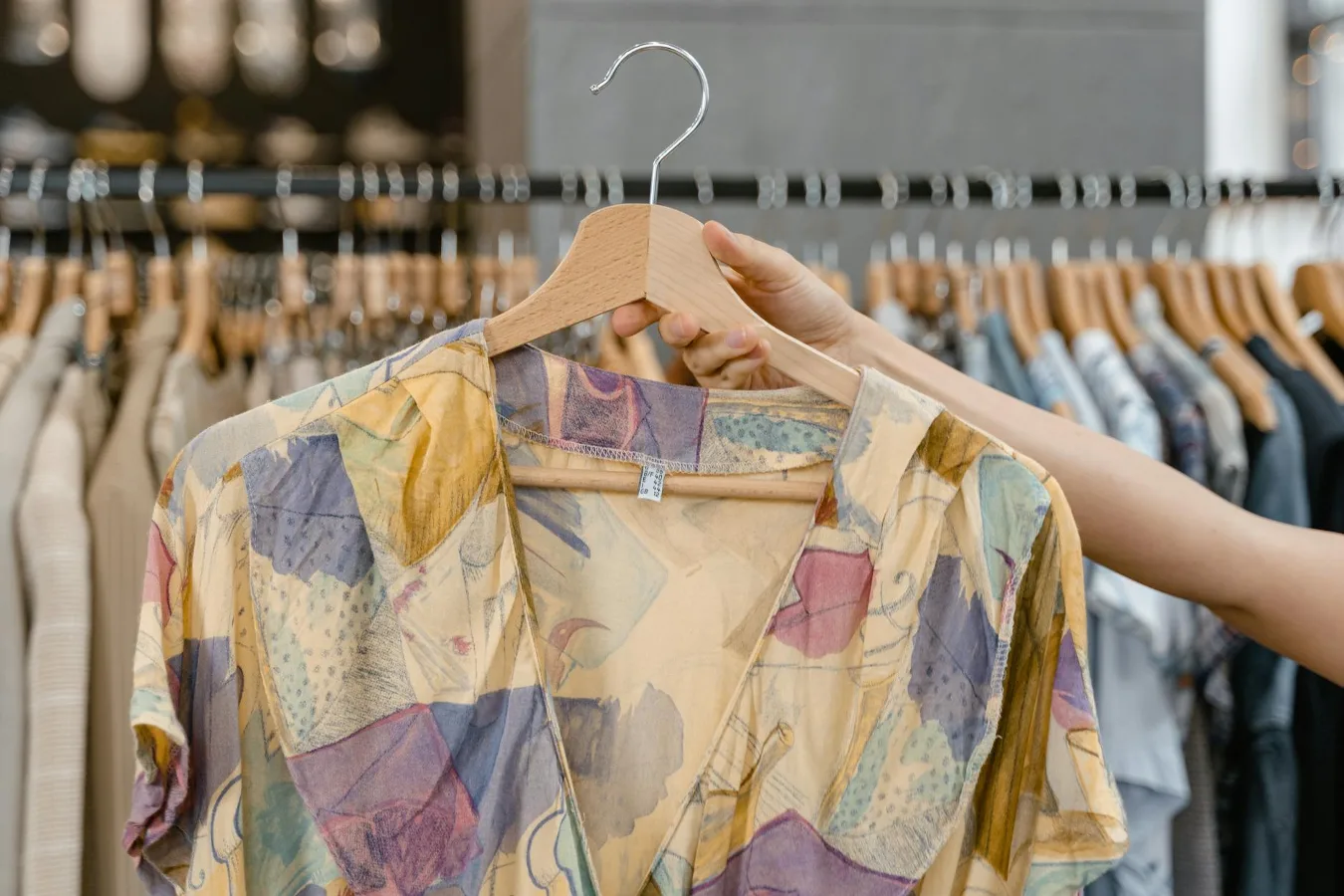
The best way to store clothes long term
The best way to store clothes long term is to start with clean, fully dry garments, then place them in a storage setup that matches the fabric: breathable for natural fibers, structured for delicate pieces, and protected from heat, light, moisture, and pests. For most people, that means laundering or dry cleaning first, folding knitwear, hanging tailored pieces only when appropriate, and using bins or bags that keep dust out without trapping damage inside. best glue for rhinestones on clothes offers more detail on this point.
That answer sounds simple, but the details change depending on what you are storing. A wool sweater, a silk blouse, a structured blazer, and a pair of jeans do not want the same treatment. The wrong container or a rushed packing job can leave you with permanent creases, odor, mildew, hanger marks, or fabric that looks older than it is.
Start with the clothes themselves, not the container
People often shop for bins before they sort the wardrobe. That is usually backwards. Long-term storage works best when the clothing is prepared first, because any stain, moisture, body oil, or lingering scent can set in over time. best storage containers for clothing offers more detail on this point.
What to do before packing
- Wash or dry clean everything that is going into storage.
- Make sure items are completely dry, including seams, waistbands, and cuffs.
- Repair loose buttons, small tears, or weak hems before packing.
- Empty pockets and check for receipts, tissues, or anything organic.
- Use a lint roller or soft brush to remove hair and debris.
One overlooked issue is invisible residue. Perfume, deodorant, lotion, and skin oils can all age fabrics even if a garment looks clean. That is especially relevant for white shirts, collars, underarm areas, and items worn close to the body.
Match the storage method to the fabric
There is no single storage method that suits every garment. The best long-term solution is the one that protects the fabric without distorting it.
Natural fibers need careful handling
Wool, cashmere, cotton, and linen are breathable materials, which is helpful in daily wear but also means they respond to humidity and pests. These fabrics generally do best in clean, dry, ventilated storage with some kind of protective barrier against dust and insects. Sweaters and knits should usually be folded, not hung, to avoid stretching at the shoulders.
Silk is more delicate. It benefits from minimal friction, minimal light exposure, and acid-free tissue if you are wrapping or layering pieces. Rough folding can leave hard creases, so the goal is gentle support rather than compression.
Structured garments want shape support
Blazers, coats, and structured dresses can often be hung for storage, but only if the hanger is broad and supportive enough to preserve the shoulder line. Thin wire hangers are a poor long-term choice for almost every garment, and especially for tailored clothing. If hanging is the right option, use a sturdy, shaped hanger and allow room between pieces so fabric can breathe.
Synthetics are not maintenance-free
Polyester, nylon, and blends are often more forgiving than silk or wool, but they still collect odors and can crease permanently if packed too tightly. Do not assume synthetic means “safe in any box.” The same principles still apply: clean, dry, and protected from heat and pressure.
Choose storage by location, not just by convenience
A lot of storage problems start with the room itself. Garages, attics, and damp basements are convenient, but they are often the worst places for long-term clothing storage because temperature swings and moisture can damage fibers, finishes, elastic, and adhesives.
Best environments for stored clothing
- A climate-controlled closet or interior room is usually ideal.
- A shelf in a dry closet works well for folded items.
- A sealed but breathable storage bin can help if the room stays stable.
If you have to use a less-than-perfect space, add as much protection as possible: elevate containers off the floor, avoid direct contact with concrete, and keep clothing away from exterior walls where condensation can be more of a problem.
Common misconception: vacuum-sealing is not automatically the best answer. It may save space, but it can crush delicate fibers, lock in moisture if the clothing is not fully dry, and create hard creases that are difficult to remove later. It can be useful for some sturdy items, but it is not the universal fix many people expect.
Containers matter more than most people think
The container should protect clothing without creating a sealed, damaging environment. That balance is the heart of long-term storage.
What usually works best
- Breathable garment bags for suits, coats, and occasionwear that should hang.
- Acid-free boxes for heirloom pieces, delicate garments, or items that need gentle folding.
- Clear plastic bins for sturdy clothing when moisture risk is low and the room is controlled.
- Fabric storage bags for sweaters, knitwear, and seasonal basics.
Plastic bins can be practical because they block dust and stack neatly, but they are not ideal if they trap lingering moisture or if you stuff them too tightly. Fabric containers breathe better, but they offer less protection from dust and pests. The right choice depends on the room, the garment, and how long the items will stay packed away.
What to avoid
- Garbage bags or random shopping bags for extended storage.
- Cardboard boxes in damp areas, because they can absorb moisture and attract pests.
- Overfilled bins that compress garments and hold wrinkles in place.
- Decorative hangers that are weak, narrow, or shaped poorly.
Folding, hanging, and wrapping: what goes where
The storage method should preserve the garment’s structure, not just its appearance on the day you packed it.
Fold these
- Sweaters
- Knits
- T-shirts
- Jeans
- Leggings and soft casualwear
Folding reduces shoulder distortion, which is especially important for heavier fabrics. For knitwear, avoid hanging unless the piece is designed for it; gravity can stretch it out over time.
Hang these carefully
- Blazers
- Structured coats
- Tailored dresses
- Some button-down shirts
- Formalwear that should keep its shape
Use padded or contoured hangers when possible, and leave enough space so sleeves and shoulders are not crushed. If a garment is unusually delicate, a garment bag adds a second layer of protection from dust and abrasion.
Wrap these with extra care
Very delicate or special-occasion pieces often benefit from tissue wrapping or layering with acid-free paper. That reduces friction and helps prevent hard fold lines. It is not necessary for every shirt in the closet, but it can be worthwhile for pieces you want to preserve for years.
The trade-offs: protection, access, and space
Long-term storage is always a balancing act. The most protective setup is not always the most convenient, and the most space-saving setup is not always the safest.
| Storage approach | Main benefit | Main drawback | Best for |
|---|---|---|---|
| Breathable fabric bags | Helps fabrics stay ventilated | Less dust and moisture protection than sealed bins | Wool, knits, seasonal basics |
| Plastic bins | Blocks dust and stacks easily | Can trap moisture if clothing is not dry | Sturdy everyday clothing |
| Garment bags | Preserves hanging shape | Takes more closet space | Suits, coats, formalwear |
| Vacuum bags | Saves space | Can compress fibers and crease garments | Some sturdy items, short-to-medium storage |
If your priority is preservation, choose breathability and shape retention. If your priority is storage density, choose structure and moisture control. If your priority is easy access, use a system that lets you retrieve one category without unpacking everything else.
Pest control and moisture control are part of the same job
Many clothing problems are not really about storage at all; they are about the environment around the storage. Moths, mildew, and musty odors usually show up when garments are packed without proper drying, cleaning, or circulation.
To reduce risk, keep the storage area clean, check for dampness before packing, and avoid storing clothes next to items that already have odors or moisture. If you use moth deterrents, make sure they are appropriate for garments and do not leave strong residues on fabric. The goal is protection, not perfume. how to wash clothes before storing offers more detail on this point.
Practical nuance: a tidy storage bin can still fail if the room itself is unstable. A dry sweater in a humid basement may not stay dry for long. That is why the room matters as much as the container.
Next steps for building a better storage system
If you are setting up long-term clothing storage now, start small and sort by garment type. That keeps the process manageable and helps you choose the right method for each piece instead of using one container for everything.
- Sort clothing into categories: knits, tailored pieces, delicate items, casual basics, and accessories.
- Clean and fully dry each category before packing.
- Decide which items should be folded, hung, or wrapped.
- Choose containers based on the room, not just the closet.
- Label bins so you can find items without unpacking everything.
- Revisit stored clothes periodically if they will sit for a long time.
If you are between storage methods, choose the option that best protects the most delicate piece in the group. That usually prevents the worst-case damage. A slightly less space-efficient system is often worth it if it keeps favorite clothes wearable for the next season.
A simple rule that works for most wardrobes
For everyday clothing, the safest long-term approach is clean, dry, folded or properly hung, and stored in a cool, dark, stable place. For special fabrics and special pieces, step up to acid-free wrapping, padded hangers, or breathable garment bags. And for any item you care about, avoid rushing the prep stage. Good storage is less about the container you buy and more about the habits you build before the clothes go in.