

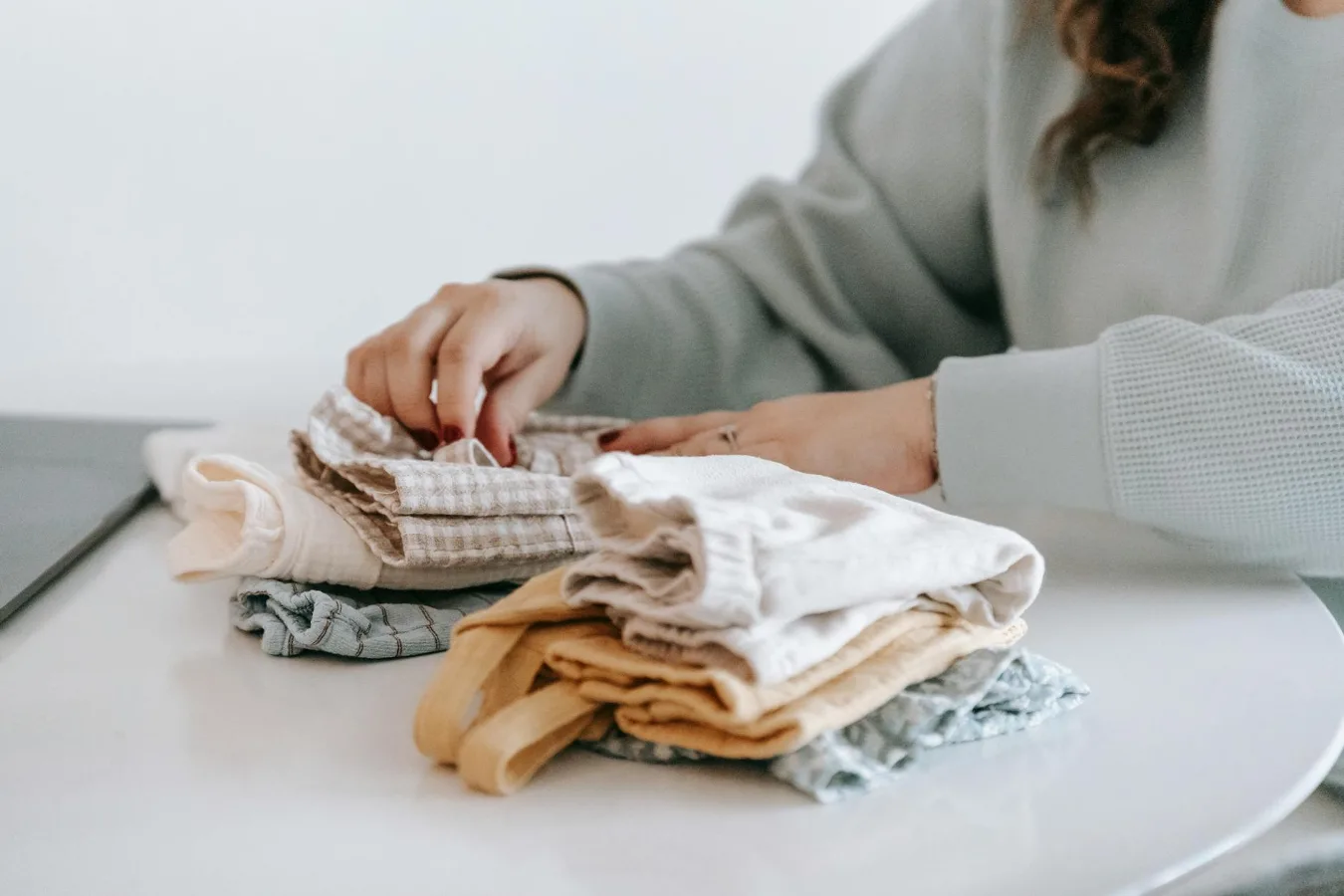
Burp cloths are one of those baby essentials that seem simple until you actually start comparing them. The differences show up fast: some are too small to protect your clothes, some feel rough after a few washes, and some soak through before they can do the job. If you are looking for the best burp cloths, the real question is not which one looks nicest. It is which one fits your feeding routine, laundry habits, and comfort needs. specific guide to best cold weather hunting clothes offers more detail on this point.
This guide is built as a buyer-focused resource for parents, caregivers, and gift shoppers who want a clear framework for choosing well. It covers the materials, shapes, sizing, care considerations, and trade-offs that matter most, so you can narrow the field before comparing specific products.
Explore clothing
Use these supporting guides to go deeper into specific questions, comparisons, and buying decisions.
What burp cloths are meant to do
A burp cloth has a simple job: protect clothing from spit-up, drool, and small feeding messes while keeping a baby comfortable against your shoulder or lap. Because the use case is so everyday, the best option usually balances several qualities at once rather than excelling in just one.
In practice, a good burp cloth should be absorbent enough to handle repeated messes, soft enough for frequent contact with skin, and large enough to cover the area where spills are most likely to land. It should also wash well, because burp cloths are used often and rarely stay clean for long.
Buyer scenarios that shape the right choice
The best burp cloth for one family may not be the best one for another. A first-time parent building a registry may care most about versatility and easy care. A caregiver who already has plenty of baby basics may want sturdier cloths with better coverage. Gift buyers may focus on practicality and fabric quality instead of novelty.
If you are using them every day
Daily use puts more pressure on absorbency and durability. Cloths that look cute but trap moisture or lose their shape after several washes tend to become frustrating quickly. For frequent use, the safest bet is usually a soft, washable fabric with enough structure to stay useful over time.
If you want something for the diaper bag
Portability matters if you keep burp cloths in a diaper bag or stroller basket. A slimmer option may fold more easily, but very thin fabric can sacrifice protection. In that situation, the better choice is often a compact cloth that still has enough coverage and absorbency for quick cleanups.
If you are shopping for a gift
For baby showers or registry gifts, neutral colors, dependable materials, and easy laundering usually make more sense than decorative detail. The best gift burp cloths are the ones people will actually reach for during late-night feeds and busy daytime routines.
Material matters more than most shoppers expect
Fabric choice is the single biggest factor in how a burp cloth performs. Different materials handle moisture, softness, and durability in different ways, and the right pick depends on how you plan to use it.
Cotton
Cotton is a common choice because it is familiar, breathable, and generally easy to care for. It can feel soft and practical for everyday use, especially when constructed with enough thickness or layering to improve absorbency.
Not all cotton cloths behave the same way, though. A lightweight cotton cloth may feel pleasant but offer limited protection, while a denser cotton option may better handle repeated messes. If you prefer a straightforward, low-maintenance fabric, cotton is often the baseline to compare everything else against.
Muslin
Muslin is valued for its airy feel and lightweight texture. Many parents like it for its softness and flexibility, especially for newborn use. It can be a good option if you want something gentle and easy to fold.
The trade-off is that muslin may not always offer the same level of coverage or absorption as thicker constructions. Some muslin burp cloths are excellent; others feel too thin for heavier spit-up. Looking at layers and overall construction is more useful than relying on the fabric name alone.
Organic fabrics
Organic cotton is often chosen by shoppers who want a more natural material preference or simply feel better about the fabric source. For burp cloths, the practical question is still the same: does the cloth feel soft, absorb enough moisture, and hold up in the wash?
Organic options can be appealing, but they are not automatically better for performance. Comfort, structure, and laundering are still the real tests.
Blends and specialty fabrics
Some burp cloths use blended construction or additional layers to improve absorbency, drying time, or shape retention. These can be useful, especially if a single-layer natural fabric is not enough for your needs. The trade-off is that blends may feel less familiar or require more attention to care instructions.
Absorbency, thickness, and layering
Absorbency is one of the most important performance factors because it determines how often you need to change a cloth. A burp cloth that absorbs well can keep clothing drier and reduce the number of swaps during a feeding session.
Thickness alone does not always tell the whole story. A cloth can feel thick but still move moisture poorly if the layers are tightly woven in a way that limits quick absorption. On the other hand, a well-designed multi-layer cloth may manage moisture more effectively without feeling overly bulky.
For shoppers comparing options, it helps to ask a few questions: Does the cloth seem designed for messes or mostly for looks? Does it have multiple layers? Does the material dry reasonably well after washing? If the answer to all three is yes, it is more likely to fit real-world use.
Size and coverage are easy to overlook
Many people focus on softness first and discover later that the cloth is too small. Coverage matters because spit-up does not always stay in one place. A cloth that is too narrow may slide off the shoulder or leave too little room across the front of clothing.
Generous sizing can make a real difference during feeding sessions, especially if you want shoulder coverage, chest coverage, or a cloth that can double as a quick surface wipe. That said, oversized cloths may feel awkward to fold or store, so there is a practical balance between coverage and convenience.
If you plan to keep burp cloths in multiple places, such as the nursery, diaper bag, and car, slightly different sizes can actually be useful. One compact set may be ideal for travel, while a larger set works better at home.
Shape and design affect everyday usefulness
Burp cloths are not all shaped the same way, and the shape can influence comfort and coverage more than many buyers expect.
Rectangular cloths
Simple rectangular cloths are easy to fold, stack, and wash. They are straightforward and often versatile, which makes them a practical choice for shoppers who want no-fuss basics.
Contoured or shoulder-shaped cloths
Some burp cloths are shaped to fit over the shoulder better. These can stay in place more easily and provide coverage where it is needed most. For parents who want a cleaner drape and less slipping, this design can be worth considering.
Quilted or padded styles
Quilted cloths may offer a more cushioned feel and better structure. They can be appealing if you want a cloth that feels substantial and holds its shape. The trade-off is that bulkier cloths may take longer to dry and occupy more space in storage.
Comfort against skin is not just a detail
Burp cloths rest close to a baby’s face, neck, and shoulder area, so texture matters. A cloth that feels stiff, scratchy, or rough can be unpleasant for a baby and annoying for the person wearing it. This is especially true during frequent use, when the same cloth may be on your shoulder many times a day.
Softness should be evaluated alongside absorbency. A very soft cloth that does not handle moisture well may be disappointing, while a highly absorbent cloth that feels abrasive is unlikely to become a favorite. The best burp cloths usually sit in the middle: soft enough for comfort, structured enough for practical use.
Durability and washability deserve equal attention
Burp cloths live a hard life. They are washed repeatedly, exposed to moisture, and often tossed into laundry with other baby items. Good durability means the fabric keeps its shape, stitching stays intact, and the cloth remains useful after many cycles of wear and cleaning.
When comparing options, look for practical signs of durability rather than assuming all baby textiles are equal. Reinforced edges, solid stitching, and fabric that does not seem overly delicate can be helpful indicators. The exact care label also matters. If a cloth requires extra-special laundering, it may be less convenient for an item that is used so frequently.
For most buyers, easy laundering is part of the value proposition. Burp cloths should fit into normal household routines without needing special treatment. If you are already washing bibs, washcloths, and onesies frequently, the simplest care instructions usually win out.
How many burp cloths do you really need?
There is no single number that works for every household. The right quantity depends on how often the baby feeds, how frequently laundry runs, and whether you want backups in multiple locations.
Families who prefer to do laundry less often generally benefit from having more cloths available. If you like to keep a few in the nursery, a few in the diaper bag, and a few in rotation, the total number needed rises quickly. If you wash daily and keep things minimal, a smaller set may be enough.
A better approach than chasing a fixed number is to think in terms of access. You want burp cloths where you need them, when you need them. That usually means planning for a home base, a travel option, and a spare or two.
Burp cloths versus bibs, muslin squares, and washcloths
Shoppers often compare burp cloths with other baby textile basics, and the distinctions can be useful.
- Bibs are meant primarily to catch drool and food while the baby is wearing them independently.
- Muslin squares can be versatile, but not every square is shaped or layered for shoulder protection.
- Washcloths are practical for cleanup, yet many are too small or textured for comfortable burping use.
If you need one item that can be draped over a shoulder and handle unexpected spit-up, burp cloths are usually the better tool. If you are trying to simplify a baby essentials kit, it helps to choose items based on their intended role rather than assuming one cloth can do everything.
Common buying mistakes
People often make the same few mistakes when shopping for burp cloths. The good news is that they are easy to avoid once you know what to watch for.
- Prioritizing prints over performance. Cute patterns are fine, but they should not outweigh absorbency and coverage.
- Choosing a cloth that is too small. Under-sized cloths can slip, bunch, or leave too much exposed fabric.
- Overlooking wash care. A high-maintenance cloth is rarely worth it for an everyday baby item.
- Ignoring texture. Fabric that feels harsh can be unpleasant for both baby and caregiver.
- Assuming all cotton or muslin is the same. Construction matters as much as fabric type.
What to look for before you compare specific products
Because burp cloths are a category purchase, it helps to define your priorities before comparing brands or sets. That keeps the process practical and helps you avoid being distracted by design details that do not affect day-to-day use.
A simple framework is to rank the following in order of importance:
- Absorbency for actual mess protection.
- Coverage for shoulder and clothing protection.
- Softness for comfort and frequent contact.
- Durability for repeat washing and long-term use.
- Care requirements for convenience.
- Portability if you will carry them often.
If a burp cloth scores well on the first three, it will usually be worth considering more seriously than one that looks polished but feels impractical.
Value is about more than the lowest price
For an item used this often, value is usually tied to how long it stays useful and how well it fits your routine. A cheaper cloth that wears out quickly or performs poorly may cost more in frustration than a slightly better option that lasts longer and handles laundry more gracefully.
That does not mean the most expensive choice is automatically best. It means shoppers should think about cost in context. If you will use burp cloths throughout the newborn stage and beyond, materials, durability, and washability matter more than a brief savings difference.
Care and maintenance basics
Burp cloths are low-drama items by design, but they still benefit from simple care habits. Washing them promptly helps prevent stains from setting. Keeping them grouped with other baby laundry makes it easier to stay organized. Following the care label preserves the fabric and stitching.
If you prefer lower effort, choose cloths that fit into your standard wash routine. Avoid anything that requires delicate handling unless you have a strong reason to prefer it. For busy households, convenience is part of quality.
How to narrow the field with confidence
If you are overwhelmed by options, focus on use case first. Ask whether the cloth is mainly for home use, diaper bag use, or gifting. Then decide which matters most among absorbency, softness, shape, and washability.
From there, compare materials and construction before looking at colors or packaging. That order keeps the decision grounded in function. It also makes it easier to tell which products are genuinely better and which are simply better presented.
Next steps for shoppers
If you are ready to choose, start by making a short list of the qualities you actually need. A practical burp cloth set usually earns its place by covering real messes, staying comfortable, and surviving frequent washes. Style can be a nice bonus, but it should not be the deciding factor.
From a broader shopping perspective, this topic is also a useful entry point into related baby clothing and nursery basics. Readers who want a fuller baby essentials setup may also want to compare bibs, washcloths, swaddles, baby blankets, and other soft goods that support the same daily routines. That makes burp cloths a small product category with a surprisingly useful role in a larger parenting system.
For most shoppers, the best burp cloths are the ones that disappear into the routine because they simply work: they cover enough, feel comfortable, wash easily, and stay dependable through ordinary baby life.
Editorial checklist for comparing burp cloths
- Check the fabric first, not the print.
- Look for enough coverage to protect clothing.
- Confirm the cloth feels soft enough for repeated use.
- Review wash instructions before buying.
- Consider whether you need a home set, travel set, or both.
- Compare construction and layering, not just material labels.
- Think about long-term convenience, not one-time appearance.
If you use that checklist, the decision becomes much easier. Instead of asking which burp cloth is the prettiest, you can choose the one that is most likely to fit real feeding routines and stay useful over time.