

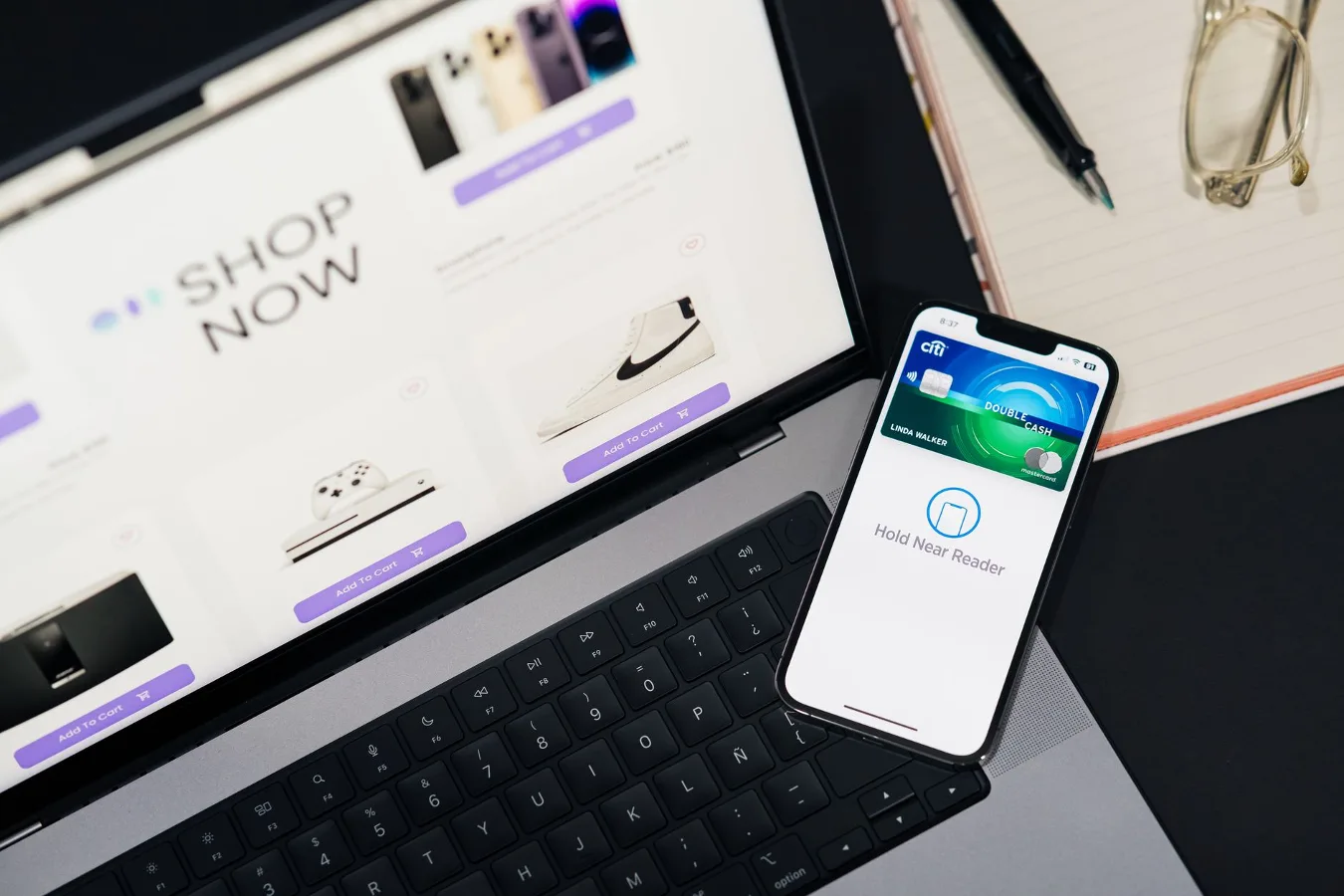
If you are looking for the best shopping apps for clothing, the right choice usually comes down to three things: how well the app helps you judge fit, how easy it is to compare options, and how painless returns are if something does not work out. A strong shopping app should save time without making you guess about size, fabric, or quality. complete guide to best burp cloths offers more detail on this point.
For clothing buyers in the United States, the best app is not always the biggest retail name. Sometimes it is a department store app with strong filters and return support. Other times it is a marketplace, resale platform, or brand app that gives better size guidance, better discounts, or a more focused selection. The best option depends on what you buy most often and how much risk you are willing to take on fit.
What makes a clothing shopping app worth using?
Clothing is harder to buy through an app than many other products because fit and appearance are both difficult to judge from a screen. That makes the best shopping apps different from general retail apps. A useful app should do more than display products. It should help narrow choices in ways that matter for apparel shopping.
The most important features usually include size filters, detailed product photos, fabric information, customer reviews, clear shipping and return details, and a checkout process that does not create friction. If an app hides those basics, it can be inconvenient no matter how attractive the interface looks.
One overlooked factor is how the app presents availability. Clothing shopping often depends on size and color stock, and an app that updates inventory clearly can save a lot of wasted browsing. Another practical detail is whether saved items, wish lists, or restock alerts are easy to use. Those features matter if you shop seasonally or wait for promotions.
Key factors to compare before you choose an app
Fit guidance
For clothing, fit guidance is often the deciding factor. Look for apps that provide size charts, fit notes, model measurements, and customer reviews that mention body shape, fabric stretch, or whether an item runs small or large. These details are not perfect, but they can reduce avoidable returns.
Some apps also organize reviews by height, weight, or usual size, which can be helpful if the brand is inconsistent. That said, fit tools are only as good as the information shoppers provide. A review that simply says an item is “cute” is less useful than one that explains where the garment landed on the body and how the fabric behaved after wear.
Selection and shopping style
The best app for you depends on the type of clothing you buy. If you want everyday basics, a broad retailer app may be enough. If you shop for trend-driven pieces, a fashion marketplace or brand app may offer more relevant discovery features. If you prefer secondhand or sustainable fashion, resale apps can open up a wider range of price points and labels.
This is where many shoppers make a common mistake: they pick an app because it is popular, not because it fits their actual buying habits. A shopper who wants officewear, for example, may need different filters and brands than someone shopping for athleisure or occasionwear.
Price transparency and promotions
Many clothing apps are built around sales, but the best ones make pricing easy to understand. Clear markdowns, saved cart notifications, and promo code prompts can help, though they should not distract from quality. A lower price is only valuable if the item will get worn.
Price comparison is easier when an app lets you save items and revisit them later. That helps you decide whether a deal is real value or just a short-term impulse purchase. For clothing, the cheapest option is often not the best if the fabric, construction, or return process creates hassle later.
Returns and exchange process
Returns matter more in clothing than in many other categories. Even careful shoppers sometimes need a different size or style. Before relying on a shopping app, check whether the return flow is clearly explained inside the app, whether exchanges are easy, and whether the return window is realistic for your shopping pace.
One practical nuance is that apps can make buying feel effortless, but returns still take time. If you often order multiple sizes to compare, a smooth return process is as important as the browsing experience.
Search, filters, and discovery
Good filters save time. In clothing apps, useful filters often include size, color, sleeve length, inseam, rise, material, occasion, and price. Search tools should also handle broad requests well, such as “work dresses,” “wide-leg jeans,” or “water-resistant jackets.”
Discovery features can be helpful too, but they should not replace control. Personalized feeds and style recommendations are useful when they surface relevant items, yet they can also nudge shoppers into browsing more than they planned. If you want efficiency, prioritize apps with strong filtering over apps that rely only on endless scrolling.
Where different kinds of clothing apps tend to help most
Brand apps
Brand apps are often best for shoppers who already know the label’s sizing and style. They can be especially useful for restocks, loyalty rewards, and early access to new arrivals. The trade-off is that brand apps limit you to one retailer’s range, which can be restrictive if you are comparing options.
Department store apps
Department store apps can be useful for shoppers who want variety in one place. They often cover multiple categories and brands, which makes them practical for building outfits or comparing similar items side by side. The limitation is that the shopping experience may feel less curated than a single-brand app.
Marketplace and resale apps
Marketplace and resale apps are worth considering if you want more value, more brand variety, or more sustainable options. They can be especially useful for finding sold-out styles, past-season pieces, or elevated brands at different price points. The trade-off is that condition, sizing consistency, and return policies can vary widely, so reading listings carefully matters more.
Discount-focused apps
Discount-focused apps can work well for budget-conscious clothing buyers, especially when shopping for basics, kids’ clothes, or seasonal pieces that do not require exact styling coordination. The downside is that deeper discounts sometimes come with limited sizes, final sale terms, or narrower return options. These apps are best when you know what you want and can judge the listing quickly. best cold weather hunting clothes offers more detail on this point.
Practical ways to shop smarter inside any app
Even the best shopping app will not fix a rushed decision. A few habits can make almost any clothing app more effective.
- Start with fit, not color. Many return problems begin when shoppers focus on appearance before checking size guidance.
- Read reviews with body context. Look for comments that mention height, build, or whether the garment stretched after wear.
- Check fabric content. Material affects drape, comfort, and care requirements more than many shoppers expect.
- Save items before buying. Wishlist behavior helps separate real needs from impulse purchases.
- Review return rules before checkout. This is especially important for final sale items and third-party marketplaces.
- Look at multiple photos. Front, back, close-up, and styled images each reveal different things about a garment.
Another useful habit is to shop with a purpose. Apps are designed to encourage browsing, but clothing purchases are easier to evaluate when you know whether you need workwear, basics, travel pieces, or occasion outfits. The more specific the use case, the easier it is to choose the right app and the right product.
Common mistakes shoppers make with clothing apps
One common mistake is assuming that a polished app experience means the clothing will fit well. Interface quality and apparel quality are not the same thing. A sleek layout may make shopping feel easy, but it does not tell you whether the garment has good proportions or a forgiving cut.
Another mistake is ignoring the return burden. Ordering several items at once can seem efficient, but the process becomes inconvenient if each item has a separate return rule or refund timeline. It is worth checking whether the app supports easy exchanges, prepaid labels, or in-store drop-off options when available.
Shoppers also sometimes overvalue trend discovery. A feed full of outfit ideas can be inspiring, but inspiration is not a substitute for practical decision-making. If you already have most of what you need, a simpler app with better search and fit details may be a smarter choice.
A final issue is underestimating fabric and care. The same silhouette can behave very differently depending on whether it is cotton, viscose, linen, polyester, wool, or a blended fabric. Clothing apps that show material information clearly are usually more helpful than those that focus only on style images.
How to decide which app belongs on your phone
The best shopping app for clothing is the one that matches your buying behavior, not just your taste. If you mainly buy basics, choose an app with strong filters, stable sizing, and simple returns. If you shop for trends, focus on discovery tools, wish lists, and stock alerts. If you hunt for value, prioritize price comparison, sale visibility, and flexible shipping or return terms.
It also helps to think in terms of risk. Clothing with an uncertain fit, such as jeans, tailored pieces, or shoes, deserves a better return process and stronger size guidance. Clothing with lower fit risk, such as loose tops or outer layers, can be purchased more easily from a wider range of apps.
For many shoppers, the best setup is not one app but a small mix of them. One app may be best for brand loyalty, another for comparing prices, and another for resale or hard-to-find pieces. That approach can reduce impulse buying and give you more control over quality and value.
A simple way to narrow the field
If you want a quick decision framework, start here:
- Choose by use case. Are you shopping for basics, workwear, trends, or resale?
- Check fit tools. Does the app give enough size information to reduce guesswork?
- Review the return experience. Can you exchange or return without unnecessary friction?
- Compare search and filters. Can you narrow options by the attributes that matter most?
- Look at pricing clarity. Are discounts, shipping, and policies easy to understand?
That order keeps the focus on shopping quality rather than app design alone. For clothing, convenience matters, but convenience should support better buying decisions, not replace them.
What the best shopping apps have in common
The strongest clothing shopping apps usually share a few qualities: they make it easy to compare items, they provide enough detail to judge fit and fabric, and they keep returns understandable. Some excel at discounts, others at discovery, and others at curation. The most useful one is the one that matches your wardrobe goals and reduces the chance of avoidable returns.
If you are building a clothing shopping routine, think less about finding a single perfect app and more about choosing the right tool for the kind of purchase in front of you. That approach tends to produce better decisions, fewer disappointments, and a more useful shopping experience overall.