

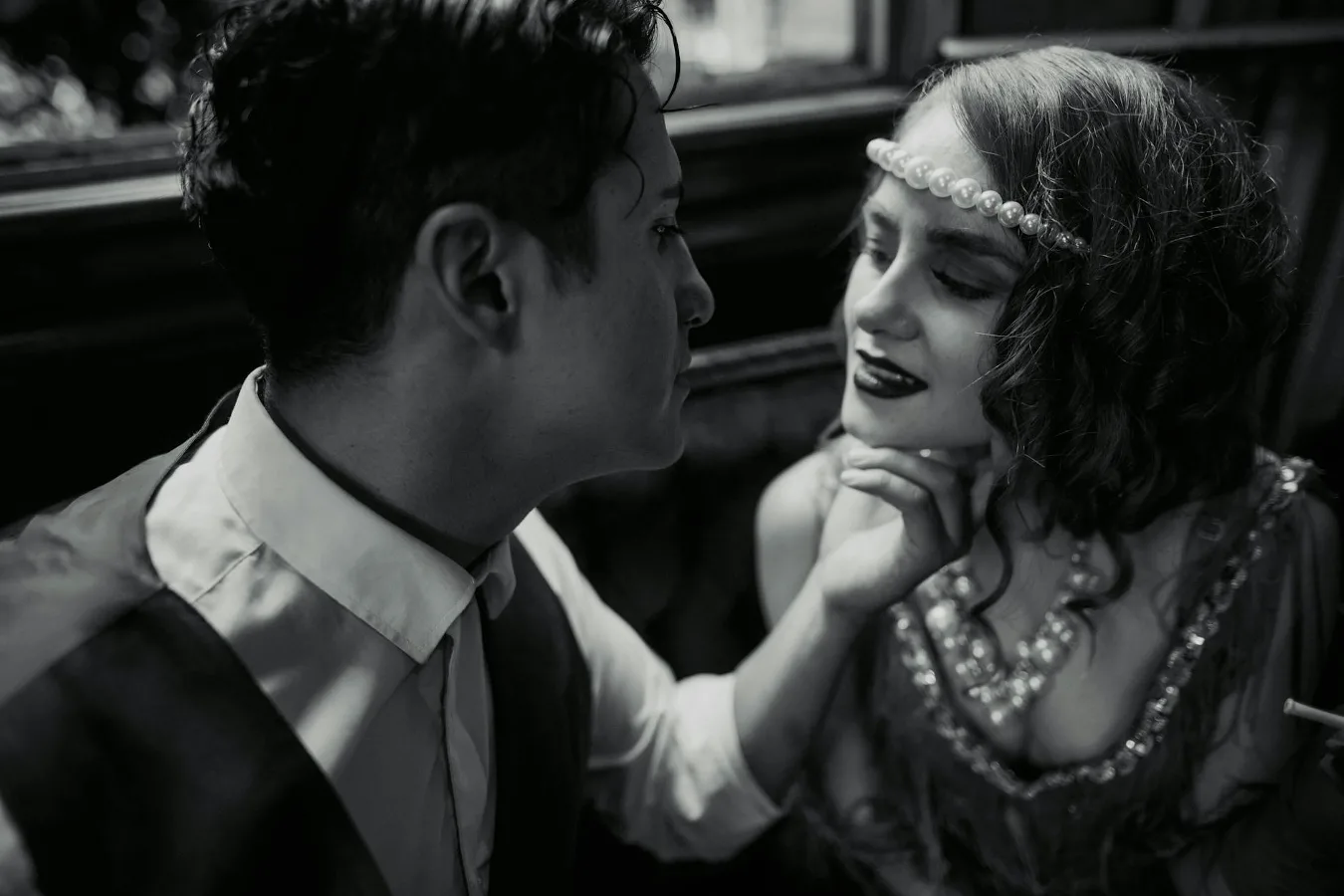
What 1920s fashion jewelry really means
1920s fashion jewelry refers to the decorative accessories associated with the Jazz Age and the Art Deco period, especially pieces that echo the look of flapper dressing, evening wear, and the cleaner, geometric lines that came into style after World War I. For shoppers, the term usually covers both original vintage pieces from the decade and modern jewelry inspired by it. Art Deco jewelry basics offers more detail on this point. choosing jewelry for a 1920s look offers more detail on this point.
If you are buying for style rather than collecting, the key is not strict historical accuracy. The better question is whether the piece captures the era’s visual language: long pendant necklaces, pearl strands, filigree, geometric motifs, stepped shapes, tassels, and bold earrings that stand out against simple dresses.
That focus matters because many products marketed as “1920s” jewelry are really generic vintage-inspired accessories. Some are excellent style matches; others borrow only a few details and miss the proportions and finish that make the look convincing.
When 1920s jewelry matters most
This style is especially useful if you are dressing for a themed event, building a vintage-inspired wardrobe, or looking for jewelry that works with low necklines, slip dresses, or art-deco eveningwear. It also matters if you are shopping for dance costumes, Great Gatsby-inspired outfits, or formal occasions where you want the jewelry to feel polished rather than trendy.
For everyday wear, the appeal is different. A single deco-inspired pendant or a pair of geometric drop earrings can add structure to a simple outfit without looking costume-like. That is often the most practical way to wear the style: one strong period cue, not a full head-to-toe reenactment.
The style has a clear limitation, though. Some 1920s-inspired pieces are delicate and visually detailed, which can make them less versatile than minimal modern jewelry. If your wardrobe leans casual, choose one or two pieces with restrained Deco references instead of oversized statement sets.
How to recognize the look step by step
1. Start with the silhouette
The most recognizable 1920s jewelry shapes are long and vertical. Think pendant drops, lariats, sautoir-style strands, dangling earrings, and bracelets that sit lightly on the wrist. Even when the ornamentation is elaborate, the overall effect is streamlined rather than bulky.
2. Look for geometry and symmetry
Art Deco design relies on repetition, balance, and strong shapes. Common visual clues include fan motifs, chevrons, sunbursts, stepped edges, rectangles, circles within squares, and stylized floral patterns. Jewelry that uses these elements usually reads more authentically than pieces with random “vintage” embellishment.
3. Check the materials and finishes
Original costume jewelry from the era often used less precious materials than fine jewelry, which is why many pieces were made with glass stones, faux pearls, rhinestones, marcasite, celluloid, Bakelite, metal alloys, or early plastics. Modern versions may use crystal, plated metals, imitation pearls, and resin. None of these automatically make a piece bad; the important part is whether the finish suits the design.
4. Judge proportion, not just detail
A common misconception is that more decoration automatically makes jewelry feel more 1920s. In practice, proportion matters more. A necklace can have strong Deco motifs and still look wrong if it is too short, too chunky, or too shiny in a way that feels modern. The era’s best-known pieces tend to balance ornament and restraint.
Best types of 1920s fashion jewelry to consider
Necklaces
Long necklaces are one of the easiest ways to capture the decade. Pearl strands, bead necklaces, pendant drops, and layered sautoirs all fit the period well. A long necklace can elongate the torso and work especially well with straight silhouettes, V-necks, and dropped-waist dresses.
If you want versatility, choose a design that can be worn singly or layered. A single art-deco pendant is more adaptable than a heavily themed necklace that only works with evening looks.
Earrings
Drop earrings and chandelier styles are strong choices because they frame the face and echo the decorative movement of the decade. Geometric earrings with crystals, pearl accents, or filigree detail can look refined without being overpowering.
One practical consideration is weight. Period-inspired earrings often look best when they have length, but overly heavy versions can be uncomfortable. If you plan to wear them for an event, prioritize secure backs and a balanced feel.
Bracelets
Bracelets from the era often lean toward narrow bangles, linked designs, tennis-style arrangements, or decorated cuffs with Deco patterns. They are easier to wear than many necklaces because they can complement both vintage and modern clothing.
If you want a more authentic feel, look for bracelets that appear elegant and structured rather than oversized. The wrong bracelet can pull a look into costume territory quickly.
Brooches and dress clips
Brooches and dress clips were practical as well as decorative, and they remain one of the most overlooked ways to reference the decade. A brooch can anchor a blazer, cardigan, scarf, or dress neckline while still keeping the look subtle.
These pieces are especially useful if you like vintage style but do not want jewelry that feels too flashy. They also work well for collectors because they often show distinct design details from the period.
What to look for before you buy
Design authenticity
Start by asking whether the piece reflects the visual vocabulary of the 1920s. A convincing item usually combines symmetry, elegant lines, and decorative restraint. If the design mixes eras too freely, it may still be attractive, but it will read more as “vintage-inspired” than specifically 1920s.
Material quality
For fashion jewelry, material quality is less about preciousness and more about finish, comfort, and durability. Look closely at plating, stone setting, clasp construction, and how evenly the surfaces are finished. A piece that looks good in photos can still feel flimsy if the joins, prongs, or chain links are weak.
Because many 1920s-style pieces use imitation materials, it helps to think in terms of expected wear. If you want an accessory for occasional events, a more delicate construction may be fine. If you expect regular wear, sturdier clasps and cleaner assembly matter more than ornate detail.
Comfort and movement
Much of this jewelry was designed to move with the body, especially dangling earrings and layered necklaces. That movement can be flattering, but it also creates practical trade-offs. Longer chains can tangle, some drops catch on hair or fabrics, and bracelets with linked parts can flip or shift during wear.
If you are shopping online, read the product description carefully for length, closure type, and whether the piece is intended to drape or sit close to the body. Those details are often more useful than broad style labels.
Compatibility with your wardrobe
One of the best decision-making filters is clothing compatibility. A necklace may be beautiful on its own, but if you do not wear evening necklines, it may not earn its place in your collection. By contrast, a pair of Deco drop earrings can work with office clothes, cocktail looks, and simple knitwear.
Think about the outfits you already own. The most usable 1920s-inspired jewelry usually has enough period character to feel special, but not so much that it only works for one costume.
Examples of strong 1920s-inspired pairings
- Flapper dress or slip dress: Long pearl strands, a pendant necklace, and drop earrings keep the look elegant without competing with fringe or beading.
- Simple black dress: A geometric necklace or crystal earrings can provide all the period reference you need.
- Blazer and blouse: A brooch or small Deco pendant adds vintage polish without feeling theatrical.
- Evening gown: A sautoir-style necklace or chandelier earrings works well when the dress has a clean neckline.
- Everyday outfit: One Art Deco ring or a subtle pair of filigree studs can nod to the era in a quieter way.
Common mistakes shoppers make
One frequent mistake is buying pieces that are labeled “vintage” simply because they use pearls or crystals. Those materials can appear in many eras, so the shape and balance matter more than the ingredients.
Another mistake is overloading the look. The 1920s aesthetic is bold, but it is not usually cluttered. If the necklace, earrings, bracelet, and brooch are all highly decorative, the outfit can lose the elegance that makes the era appealing.
Shoppers also overlook closure and wearability. A beautiful necklace with a difficult clasp, or earrings that are too heavy for all-day use, can become frustrating fast. Practical details matter more with occasion jewelry than many buyers expect.
Finally, some buyers assume that modern reproductions should look aged. That is not necessary. A good reproduction should look intentional and well-made, not artificially distressed. Authentic style comes from design cues, not fake wear.
Checklist for choosing the right piece
- Does it use clear Art Deco shapes or 1920s silhouettes?
- Will it work with at least two outfits you already own?
- Is the length, weight, or size comfortable for your intended use?
- Do the materials and finish match your expectations for occasional or regular wear?
- Does it look period-inspired without drifting into costume excess?
- Are the clasp, setting, and assembly sturdy enough for the way you plan to wear it?
How to choose between vintage, antique, and inspired pieces
If you are comparing original vintage jewelry with modern inspired designs, the right choice depends on your priorities. Original pieces may offer period character, but they can also show age, require gentler handling, or come with condition issues that are hard to judge from photos alone. Modern inspired pieces are usually easier to wear and replace, and they often give you more control over color, size, and comfort. how to identify vintage-inspired pieces offers more detail on this point.
Antique or original vintage jewelry can be rewarding if you appreciate history and are comfortable evaluating condition. For most buyers, though, a high-quality inspired piece is the more practical option because it better matches modern durability expectations while still capturing the look.
If your goal is collecting, authenticity and provenance matter more. If your goal is styling, the design language matters most.
Care and storage basics
Many 1920s-inspired fashion pieces are delicate enough to benefit from simple care habits. Wipe them gently after wearing, store them separately to avoid tangling or scratching, and keep them away from moisture, perfume, and hairspray when possible. This is especially important for plated metals, imitation pearls, and stones set in lighter mounts.
Long necklaces and layered strands should be stored flat or hung in a way that prevents knots. Earrings with small components are easier to keep paired if you use a dedicated organizer or small pouch. For originals or more fragile vintage pieces, gentle storage is even more important because the materials may be less forgiving than modern alternatives.
The short version for buyers
Good 1920s fashion jewelry does three things well: it uses the era’s shapes, it works with the clothes you actually wear, and it feels comfortable enough to enjoy beyond a single themed event. If you focus on silhouette, proportion, and finish, you will usually make a better choice than if you chase the most ornate piece in the listing.
The strongest options are often the simplest: a long pearl necklace, a Deco pendant, geometric earrings, or a clean brooch with restrained detail. Those pieces capture the decade without locking you into costume styling, which makes them easier to wear, easier to pair, and easier to keep in rotation.