

For kids’ sports, the best safety gear is the equipment that matches the sport, fits correctly, and stays comfortable enough that a child will actually wear it. A helmet that sits wrong, shin guards that slide, or a mouthguard that feels unbearable will not protect well in real play. sports gear disinfectant spray offers more detail on this point.
If you want a practical answer, start with the sport itself, then check fit, coverage, comfort, and the rules of the league. For many families, the most important items are helmets, mouthguards, shin guards, pads for elbows and knees, and sport-specific protection such as chest protectors or goalie gear. The exact list changes by sport, age, and how physical the game is.
When safety gear matters most
Safety gear matters most whenever a sport includes impact, falls, contact, sticks, balls, sliding, or repeated body movement that can lead to scrapes and collisions. That covers obvious contact sports, but it also includes activities many parents think of as low risk, such as cycling to practice, skateboarding between games, or baseball and softball, where a ball can move fast enough to cause serious injury.
The key mistake is assuming one piece of equipment makes a child “covered.” Real protection usually comes from a combination of items chosen for the sport. A soccer player may need shin guards and cleats that support traction, while a basketball player may benefit more from ankle support, knee-friendly footwear, and a mouthguard if the league allows or recommends one. A hockey or lacrosse player needs a very different protection set from a gymnast or a flag football player.
Another overlooked point: safety gear matters not only for injuries during play, but also for confidence. Children who feel protected often play more freely and focus better. That does not mean piling on every accessory available. It means choosing the essentials that fit the activity and do not distract the child from movement and skill development.
Step-by-step criteria for choosing kids’ sports safety gear
1. Start with the sport’s actual risks
Before shopping, list the main hazards in the sport. Ask whether the biggest risk is head impact, ball impact, falls, cuts, shin strikes, hand injuries, or contact with other players. This narrows the search quickly and prevents overbuying. The goal is not to use the most gear possible; it is to protect the areas most likely to be hit.
Examples help here. Baseball and softball often call for helmets and batting protection. Soccer centers on shin protection and footwear. Hockey and lacrosse involve helmets and full-face or face-guard systems depending on age and league rules. Martial arts and skate sports may prioritize helmets, wrist guards, knee pads, and elbow pads. The right answer is always sport-specific.
2. Check fit before features
Fit is the most important practical factor because loose gear shifts and tight gear gets ignored. A helmet should sit level and stable, not tilt back or wobble. Shin guards should cover the area the league expects while staying in place during running and direction changes. Mouthguards should feel secure without making breathing or speaking unnecessarily difficult.
Parents sometimes focus on brand names or extra padding and overlook fit. That is a common misconception. More padding does not automatically mean better safety if the gear moves around, creates blind spots, or bothers the child so much that it gets removed halfway through practice. Protective equipment must be worn consistently to matter.
3. Match protection to age and level of play
Younger children usually need simpler, easier-to-wear gear, while older or more competitive players may need more durable and sport-specific equipment. League rules can also become more detailed as kids move up. Some leagues require specific helmet certifications, certain face protection, or particular types of guards. Always check the current rules for the team or league before buying.
It is also worth thinking about how the child plays. A cautious beginner may need gear that is easy to put on and adjust. A highly active player may need sturdier construction and a more secure fit. A child who is still growing may outgrow gear quickly, so a balance between fit and long-term value matters.
4. Look for comfort features that support wear time
Comfort is not a luxury in youth sports protection; it is part of effective use. Features such as smooth edges, breathable materials, adjustable straps, and lightweight construction can make a noticeable difference. If gear feels hot, bulky, itchy, or restrictive, children often fidget with it or refuse it altogether.
This is especially true for mouthguards and helmets. A mouthguard that fits poorly can become a distraction. A helmet with inadequate ventilation or poor adjustment can create complaints that lead to constant repositioning. Comfort does not replace protection, but it helps protect the child by increasing compliance.
5. Confirm the gear works with the rest of the uniform
Compatibility is an easy detail to miss. Some gear must fit under jerseys, pants, or socks. Some must work with cleats, skates, gloves, or batting equipment. Poor compatibility can create pressure points, limit motion, or make the child’s setup inefficient. For example, shin guards should pair well with the socks or sleeves used to hold them in place. Chest protection should not interfere with arm movement. Helmet fit can change depending on hairstyle, headbands, or liners.
If your child needs prescription eyewear or braces, compatibility becomes even more important. Make sure the gear does not interfere with vision, breathing, or safe movement. In some cases, a specialized version may be the better option.
Common types of safety gear and what they are for
Different sports require different protection, but a few categories appear again and again across youth athletics. Knowing what each one does makes shopping easier.
- Helmets: Used to reduce impact risk in sports such as cycling, baseball, softball, hockey, lacrosse, skating, and some football programs.
- Mouthguards: Help protect teeth and soft tissues in contact-heavy sports and sports with ball or stick impact risk.
- Shin guards: Common in soccer and some field sports where kicks, collisions, or strikes to the lower leg are likely.
- Knee and elbow pads: Useful in skating, biking, skateboarding, wrestling warm-ups, and some multi-sport training situations.
- Chest protectors: Important in catcher positions, some martial arts, and sports where impact to the torso is a concern.
- Gloves and wrist guards: Helpful in skating, biking, and some ball sports where hand or wrist protection matters.
- Supportive footwear and braces: Not always “safety gear” in the strict sense, but important for traction, stability, and reducing avoidable strain.
The important nuance is that not every child needs every category. Overprotecting a child with unnecessary equipment can create bulk, heat, and distraction. The best setup is the smallest one that still addresses the real risks of the sport.
Examples by sport
Soccer
Soccer usually centers on shin guards, proper socks or sleeves to keep them in place, and cleats that fit well. The biggest buying mistake is choosing shin guards that are too small or too flimsy. They should cover enough of the shin to be useful without slipping during play. For very young players, simple pull-on guards may be easier to manage. Older children may need more structured options with better coverage.
Baseball and softball
Helmet fit is the first priority in baseball and softball, especially for batting. Catchers need much more specialized protection, including masks, chest protection, and leg guards according to league requirements. For other players, common protection may include batting helmets, sliding shorts, and in some cases protective cups depending on rules and personal comfort.
Basketball
Basketball does not usually require a lot of hard protective equipment, but that does not mean safety should be ignored. Proper shoes matter for traction and ankle support. Some players may use mouthguards, especially in more competitive or physical leagues. Knee support or padded compression wear can be helpful for children prone to floor contact, but it should never restrict movement.
Hockey and lacrosse
These sports demand more comprehensive protection. Helmets, face protection, gloves, pads, and body protection all play a role. Fit and mobility are both crucial because gear that is too loose can shift during contact, while gear that is too heavy can limit skating, checking, or stick handling. Parents should check league rules carefully because age group requirements can differ.
Skateboarding, biking, and roller sports
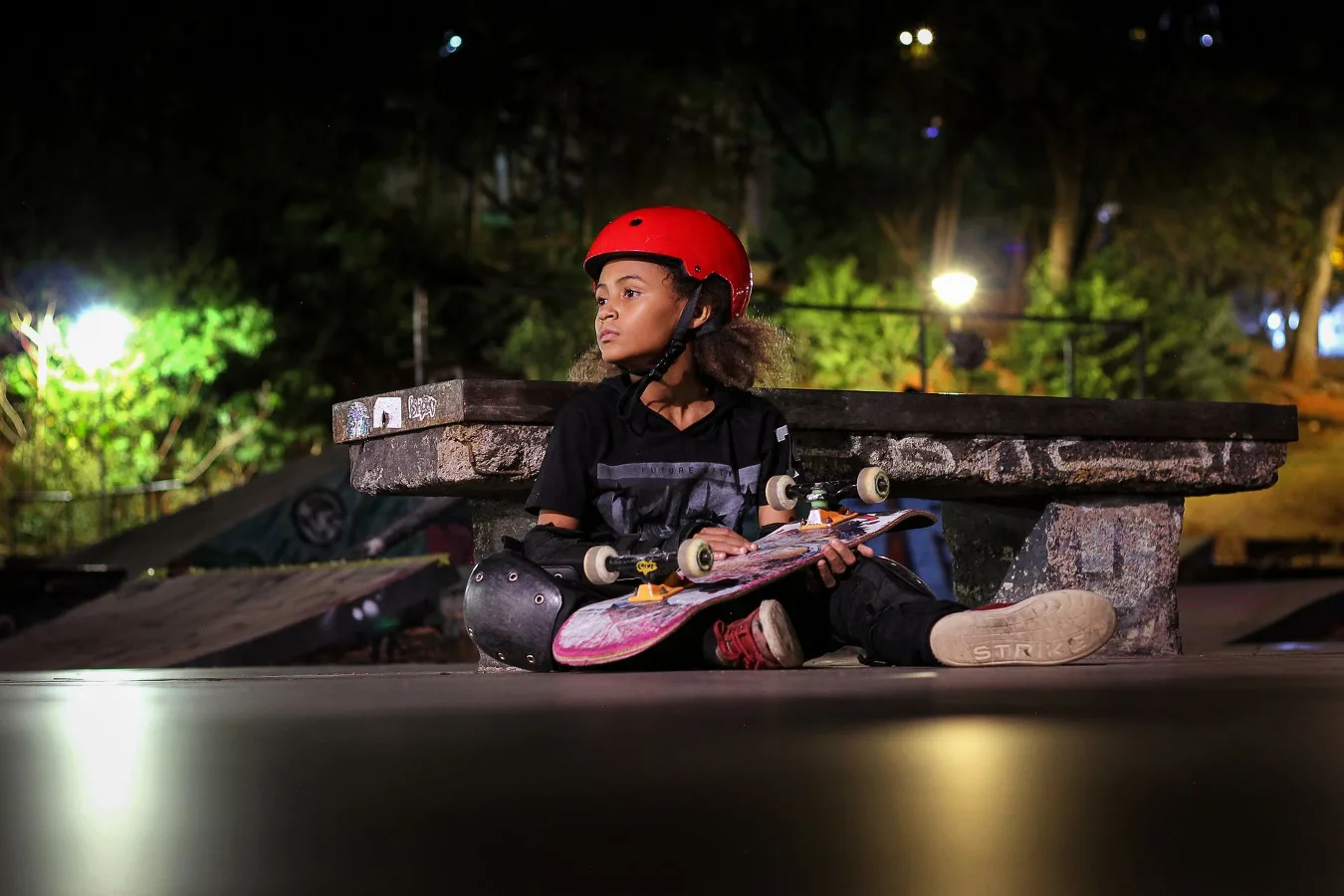
These activities often depend on a helmet first, then knee pads, elbow pads, and wrist guards. Wrist protection is commonly overlooked, even though falls often happen on outstretched hands. A good setup should allow movement while protecting the joints most likely to take the brunt of a fall. Comfort matters here because children may resist multi-piece protection if it feels cumbersome.
A practical checklist before you buy
- Confirm the sport-specific safety requirements for the league or program.
- Measure the child carefully and compare those measurements to the brand’s sizing guidance.
- Check that the gear stays stable during movement, not just when standing still.
- Look for comfort details such as ventilation, soft edging, and adjustable straps.
- Make sure the equipment works with uniforms, shoes, or other protective items.
- Choose the smallest practical set of gear that covers the main risks.
- Review return options in case fit is off after the child tries it on.
- Inspect for signs of wear regularly, especially after falls or impacts.
This checklist is useful because parents often focus on the purchase itself and forget the follow-through. Safety gear only works well when it is maintained, adjusted correctly, and replaced when it no longer fits or protects properly.
Common mistakes parents make
One common mistake is buying gear one size up “for growth.” That may seem economical, but oversized protective equipment can move out of position or leave gaps. Another is choosing based on looks alone. Kids often care about color or team style, which matters for acceptance, but appearance should never outrank fit and function.
Parents also sometimes assume gear lasts through multiple seasons regardless of wear. Sun, sweat, repeated impact, and rough storage can all reduce usefulness over time. Even if something still looks acceptable, straps, padding, or shells may not perform as intended if they are worn out or no longer fit.
Another practical mistake is skipping the try-on step. For youth sports safety equipment, trying gear with the child in motion is more revealing than reading the package. Have them bend, turn, run in place, or mimic the sport’s movement. If something pinches, slides, or distracts them immediately, it will likely be a problem on the field or court. how to choose youth sports equipment offers more detail on this point.
How to balance safety, comfort, and long-term value
The best value is not always the cheapest option or the most expensive one. It is the gear that your child will actually use, that fits the current season, and that does not create avoidable problems. For growing kids, value often comes from adjustable pieces, durable closures, and gear with enough room for minor growth without becoming loose. For younger children, simpler equipment may be better because it is easier to wear correctly.
There is also a trade-off between maximum protection and everyday usability. More coverage can mean more weight, heat, or restriction. Less bulky gear can be easier to wear but may offer less protection in higher-risk situations. The right decision depends on the sport and how much contact or impact the child faces.
If you are deciding between two options, choose the one that fits more securely, is more comfortable for the child, and aligns more closely with the sport’s actual risks. That approach usually leads to better outcomes than chasing the most padded or most expensive item on the shelf.
Why maintenance matters after purchase
Safety gear is not a set-it-and-forget-it purchase. Helmets, pads, guards, and straps should be checked regularly for cracks, torn padding, stretched elastic, weakened closures, or any change in fit. After a hard hit or fall, inspect the gear carefully even if the damage is not obvious. If a piece no longer sits correctly or shows clear wear, replace it rather than hoping it will last another season.
Cleaning matters too. Sweat and dirt can shorten the usable life of straps and padding and make gear unpleasant to wear. Follow the manufacturer’s care directions, since some materials tolerate wiping better than machine washing. Good maintenance improves comfort and helps the gear stay in a condition where it can do its job.
Parents often focus on the purchase moment and overlook maintenance, but this is where many protective setups quietly fail. A good routine of checking, cleaning, airing out, and storing gear properly can make a bigger difference than upgrading to a fancier model.
What to remember before you buy
For kids’ sports, the best safety gear is the gear that fits well, suits the sport, and is comfortable enough to wear consistently. Start with the risks of the activity, then narrow your choices by fit, league rules, and compatibility with the rest of the uniform or equipment. Be cautious about oversizing, and do not assume more padding automatically means better protection.
If you want the most reliable approach, think in this order: sport, risk, fit, comfort, and maintenance. That simple sequence will usually lead to better choices than shopping by brand name or appearance alone. For parents building a full youth sports setup, the broader SportsGear cluster also makes room for deeper guides on specific protective categories, fit checks, and sport-by-sport equipment choices. protective gear for contact sports offers more detail on this point.